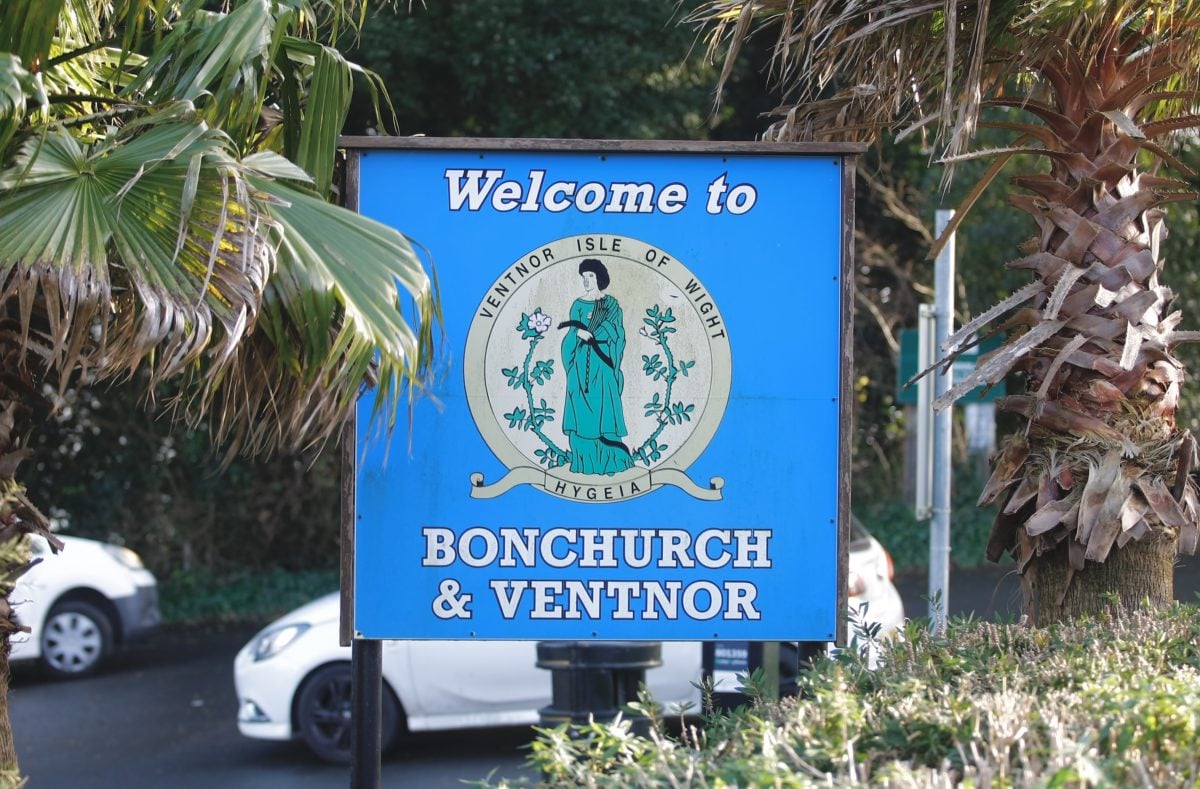


























































Across the Isle of Wight, small businesses are feeling the tide turning in what’s expected of them day to day. Modernisation is no longer about adopting the latest technology for its own sake, but about keeping pace with changing standards around payments, staffing, compliance and customer service in a business environment that increasingly assumes digital systems as the norm.
A Small-Business Economy Feeling Big Expectations
The Isle of Wight has a high proportion of small and micro-businesses, with many firms employing only a handful of people or operating as sole traders, which creates close ties to local communities but can make change harder to absorb when time, cashflow and staffing are already stretched.
In practical terms, this often shows up through:


- Online and contactless payments becoming expected
- Digital invoicing replacing paper-based processes
- Cloud-based administration taking the place of manual systems
Digital standards, long treated as routine by larger organisations, are increasingly filtering down to smaller firms through a mix of customer expectations, supplier practices, and regulatory change.
External Pressures Are Hard to Ignore
Beyond customer demand, tighter reporting, digital tax processes and employment compliance are pushing business decisions away from paper-based systems, as expectations rise and local firms are increasingly judged against mainland or national competitors.
For businesses selling online, or considering e-commerce for the first time, this often means reassessing whether existing platforms are still fit for purpose.
Some are turning to specialists such as Shopify development agencies to improve performance, integrations or customer experience, which also helps them to retain the personal service that defines much of the island’s economy.
Staff, Pay and Administration Under the Spotlight
Pressure is steadily building for Isle of Wight businesses around how staff and pay are managed, particularly for employers relying on seasonal workers, flexible hours or mobile teams across sectors such as tourism, hospitality, construction and care.

As employment practices evolve and employees expect clearer, more immediate access to pay information, ensuring accuracy and keeping records up to date has become more complex, adding to the administrative load faced by many smaller firms.
Connectivity and Capacity Still Matter
Digital change on the island is shaped by practical constraints, including “brain drain,” infrastructure, and rising costs, which influence how quickly businesses can adapt.
Retaining working-age residents remains an ongoing challenge for the Isle of Wight, with some people leaving to pursue education or career opportunities on the mainland, adding further pressure on local employers.
Cost remains a decisive factor, not just in the Island, but nationwide, meaning small businesses take a cautious approach to investment and prioritise immediate operational needs over longer-term upgrades.
This means modernisation tends to be gradual and targeted, focused on solving specific problems rather than overhauling entire operations.
Looking Ahead
For many Isle of Wight businesses, modernisation is a gradual, practical process, driven by the need to save time, reduce errors and keep day-to-day operations running smoothly rather than any appetite for sweeping change.
As digital standards rise, adapting in manageable ways is becoming essential to staying operational in an economy that increasingly assumes digital systems as standard.