






































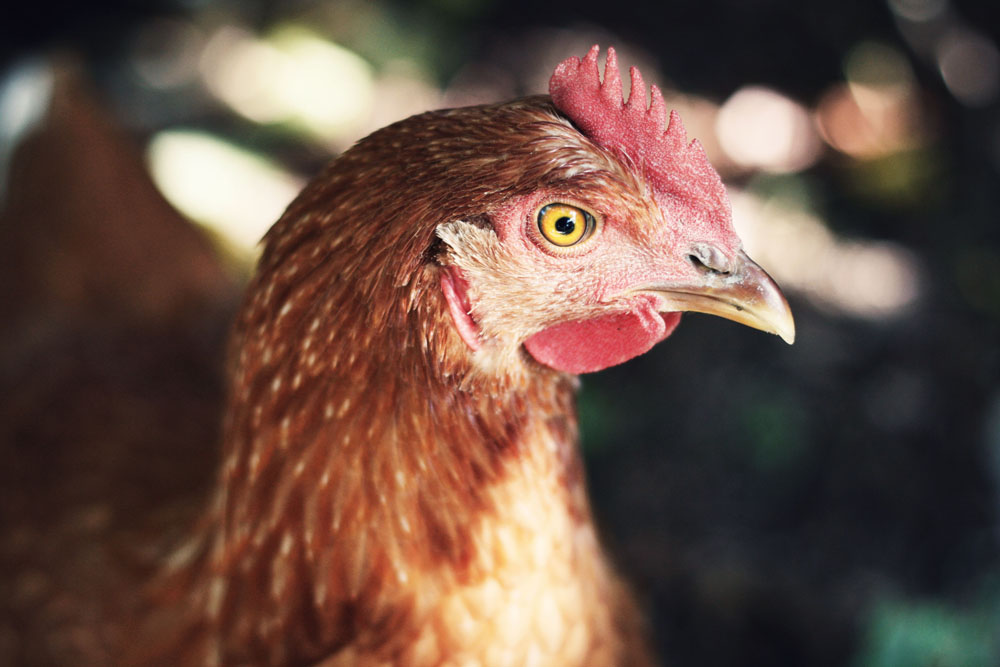

 The Chief Veterinary Officer for England has agreed to bring in new housing measures to protect poultry and captive birds from bird flu following a number of confirmed cases across Great Britain in recent weeks.
The new housing measures, which will come into force on Monday (29th November), mean that it will be a legal requirement for all bird keepers across the UK – including here on the Isle of Wight – to keep their birds indoors and to follow strict biosecurity measures in order to limit the spread of and eradicate the disease.
Wild birds migrating to the UK from mainland Europe during the winter months can carry the disease and this can lead to cases in poultry and other captive birds.


Government Chief Veterinary Officers are encouraging bird keepers to use the next few days to prepare for the new housing measures, including taking steps to safeguard animal welfare, consult their vet and put up additional housing where necessary. The additional housing measures build on the strengthened biosecurity regulations that were brought in across Great Britain as part of the Avian Influenza Prevention Zone (AIPZ) on 3rd November 2021.
A statement from the Chief Veterinary Officer states:
“We have taken swift action to limit the spread of the disease and are now planning to introduce a legal requirement for all poultry and captive bird keepers to keep their birds housed or otherwise separate from wild birds.
“Whether you keep just a few birds or thousands, from Monday 29 November onwards you will be legally required to keep your birds indoors, or take appropriate steps to keep them separate from wild birds. We have not taken this decision lightly, taking this action now is the best way to protect your birds from this highly infectious disease”.
Poultry keepers must now do the following:
- house or net all poultry and captive birds to keep them separate from wild birds
- cleanse and disinfect clothing, footwear, equipment and vehicles before and after contact with poultry and captive birds – if practical, use disposable protective clothing
- reduce the movement of people, vehicles or equipment to and from areas where poultry and captive birds are kept, to minimise contamination from manure, slurry and other products, and use effective vermin control
- thoroughly cleanse and disinfect housing on a continuous basis
- keep fresh disinfectant at the right concentration at all farm and poultry housing entry and exit points
- minimise direct and indirect contact between poultry and captive birds and wild birds, including making sure all feed and water is not accessible to wild birds
Bird keepers should report suspicion of disease in England to Defra Rural Services Helpline on 03000 200 301, in Wales contact 0300 303 8268.

Poultry shows, markets and gatherings:
Gatherings of poultry, galliforme or anseriforme birds have also been banned. Galliforme birds include pheasants, partridge, quail, chickens, turkey and guinea fowl. Anseriforme birds include ducks, geese, and swans. See the bird gatherings guidance for further information.
Public health advice remains that the risk to human health from the virus is very low and food standards bodies advise that avian influenzas pose a very low food safety risk for UK consumers. However, do not touch or pick up any dead or sick birds that you find.
If you find dead swans, geese or ducks or other dead wild birds, such as gulls or birds of prey, you should report them to the Defra helpline on 03459 33 55 77.








Our world is doomed as we know it. Many trees have diseases thanks to imported wood and plants,, animals, birds, and now a possible CV variant which the jab may have no effect, forcing us all back to square one. The economy can’t afford another massive hit, and poverty will be forced upon the masses the like of which has never been known before.
Best try to enjoy this Christmas to the full.
Yep, good shout, but maybe, just maybe, it might be a good thing…?
From Monday? Does bird flu take the weekend off then!
People need time to get materials together to build rooves, imagine trying to do so in this storm.
Surely all that needs to be done is tell the chickens to wear a mask. It’s a tried and tested policy for sheep.