



















































Watching Liverpool at Anfield takes more planning when you live on the Isle of Wight. The ferry comes first, the mainland journey follows and the match still has to fit.
A trip from the Isle of Wight to Anfield needs a bit of organising because the journey starts before you even reach the mainland. Supporters have the ferry crossing to deal with first, followed by a long rail or road journey north, so choosing the right Liverpool fixture and sorting the practical details early can save a lot of hassle later.
Sort the Match Ticket Before Building the Trip
Travelling from the Island makes the order of planning important. Booking trains and accommodation first can leave you committed to an expensive weekend before you know whether the match or seating options work. The sensible starting point is the fixture itself, followed by the ticket, then the journey can be built around something definite.


Supporters looking for Liverpool tickets can search listings from partner marketplaces in one place, with home and away fixtures covered across the season. Results can be narrowed by seating location, while fans travelling together can look specifically for seats next to each other rather than opening individual listings and checking them one by one.
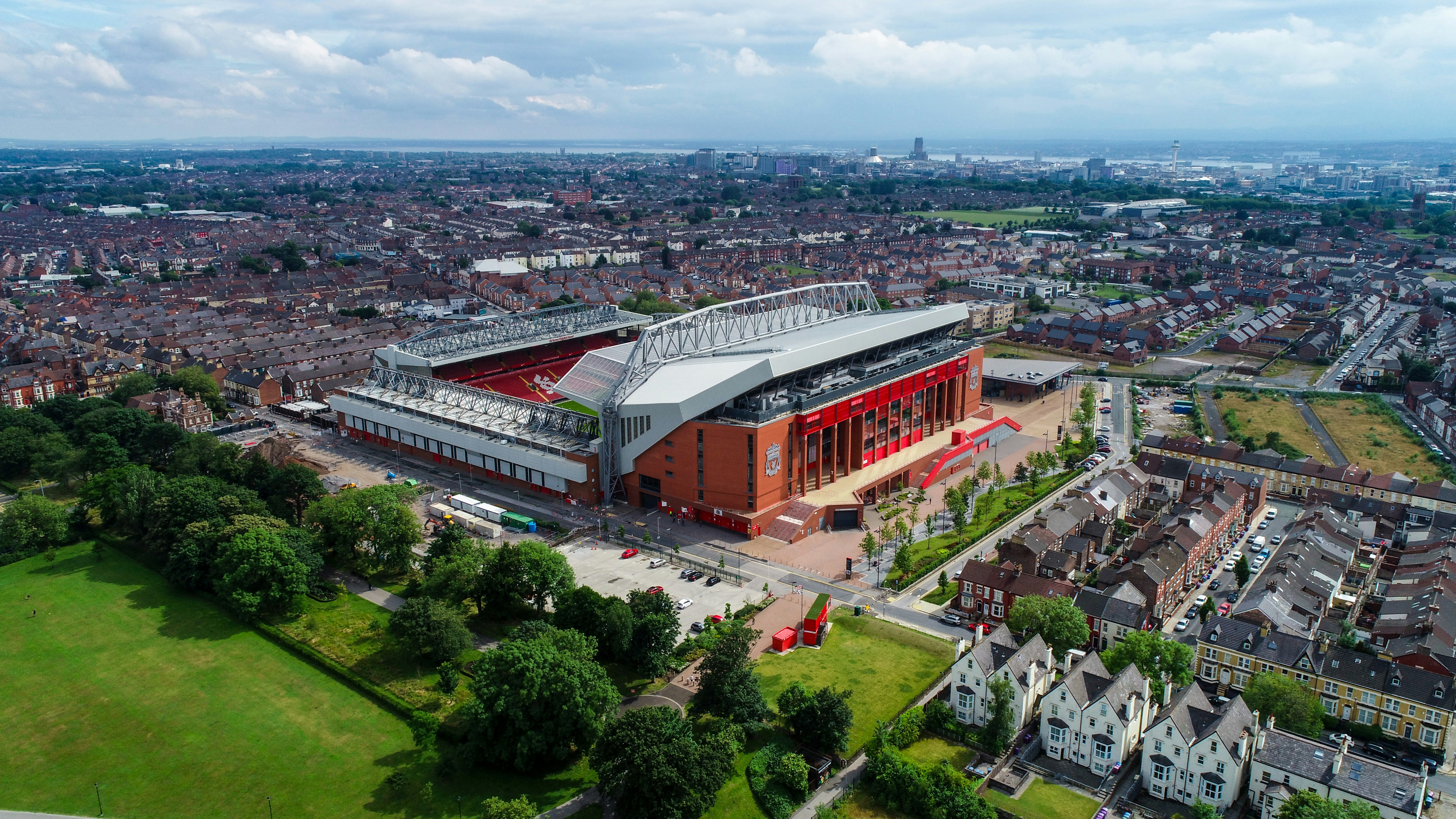
The seating information is useful at Anfield because where you sit changes the matchday experience. Someone looking behind the goal can concentrate on the Kop or Anfield Road end, while a side-on view means looking towards the Main Stand or Sir Kenny Dalglish Stand. VIP availability can also be filtered separately when that is what the trip calls for.
| Search Option | What It Helps With |
| Seat location | Choosing a preferred part of Anfield |
| Seats together | Keeping a travelling group together |
| VIP | Narrowing the search to hospitality-style options |
| Home or away | Finding the fixture that suits the trip |
Once the match is settled, the rest of the journey becomes much easier to organise.
Getting Off the Island Is the First Part of the Away Day
Island supporters have an extra leg before the long journey north even begins. Travelling as a foot passenger from West Cowes to Southampton takes about 28 minutes on the Red Jet, while the vehicle ferry between East Cowes and Southampton takes about 1 hour. That difference can affect whether rail or road makes more sense for the rest of the trip.
The ferry crossing itself is only part of the calculation because you still need enough time to get from the terminal to the next connection. A tight itinerary may look neat on paper, but one delayed sailing can turn a comfortable rail connection into a sprint across Southampton.

Early kick-offs create the biggest headache. A lunchtime match at Anfield means reaching Liverpool well before midday, which pushes the Island departure towards the early morning and leaves less room for anything going wrong. Later kick-offs provide more breathing space on the outward journey, although they can create a harder return.
Building an allowance between ferry arrival and the next stage is therefore sensible. Anfield is a long way from the Solent, and the useful journey time is the one that still works when one part runs late.
Liverpool Lime Street Is the Main Rail Target
Liverpool Lime Street is the city’s main station, so it is the obvious rail target when travelling to Anfield from the south. National Rail lists direct services into Lime Street from several major cities and gives a fastest London-to-Liverpool journey of 2 hours 20 minutes. Birmingham to Liverpool can be done in 1 hour 38 minutes on the fastest services.
An Isle of Wight journey adds another connection before either of those examples becomes useful, which is why the full trip needs to be considered rather than the final train alone. A supporter starting in Cowes must cross to Southampton first, then connect into the national rail network and continue north.
Lime Street at least gives the journey a clear endpoint in central Liverpool. Once you arrive there, the long-distance part is finished and the remaining distance to Anfield is local.
National Rail also notes that some journeys take longer and may require changes, which is worth remembering when working backwards from kick-off. The fastest advertised journey is useful as a guide, but it is a poor basis for a plan that leaves no spare time.
Lime Street Is Still Not Anfield
Reaching Liverpool does not mean you have reached the ground. Lime Street is about 2 miles from Anfield, so supporters arriving by train still need to allow for the final leg across the city.
The 917 express bus runs from Commutation Row near Lime Street and can reach Anfield in about 15 minutes under normal matchday arrangements. Other city bus services stop near the stadium, and taxis are another straightforward option, although road traffic builds as kick-off approaches.
Walking is possible as well, but a 2-mile walk after several hours of travel may not appeal to everyone, especially when the same distance has to be covered again after the match. The important point is to treat this part of the journey as a proper connection rather than assuming the station sits beside the stadium.
Arriving earlier also removes much of the stress. Turnstiles, security checks and crowds around the ground all take time, so reaching central Liverpool with only a few minutes to spare creates an unnecessary problem. A generous buffer gives you room to get from Lime Street to Anfield without spending the final part of the journey watching the clock.
Kick-Off Changes Can Rebuild the Whole Journey
A fixture listed for Saturday at 3pm can later move because of television scheduling or European commitments. That is inconvenient for local supporters; an Island trip can be affected far more because the ferry and long-distance rail connections were built around the original time.
Moving a match to lunchtime can force an earlier Island departure, while an evening kick-off can make the return journey difficult after full-time. A Sunday move may also affect rail services and accommodation plans that were originally based around Saturday travel.
The practical effect is easy to see:
| Fixture Change | Likely Travel Effect |
| 3pm to lunchtime | Earlier ferry and rail departure |
| 3pm to evening | Later finish and harder same-day return |
| Saturday to Sunday | Existing travel bookings may need changing |
| European rescheduling | Extra uncertainty around confirmed dates |
That is why refundable or changeable bookings can be useful when the exact kick-off has not been confirmed. The ticket may be the reason for the trip, but the transport timetable decides whether the journey works.
Supporters travelling from the Island should check the confirmed fixture again before committing to arrangements that cannot be moved.
Island Supporters Already Know Away Days Take Planning
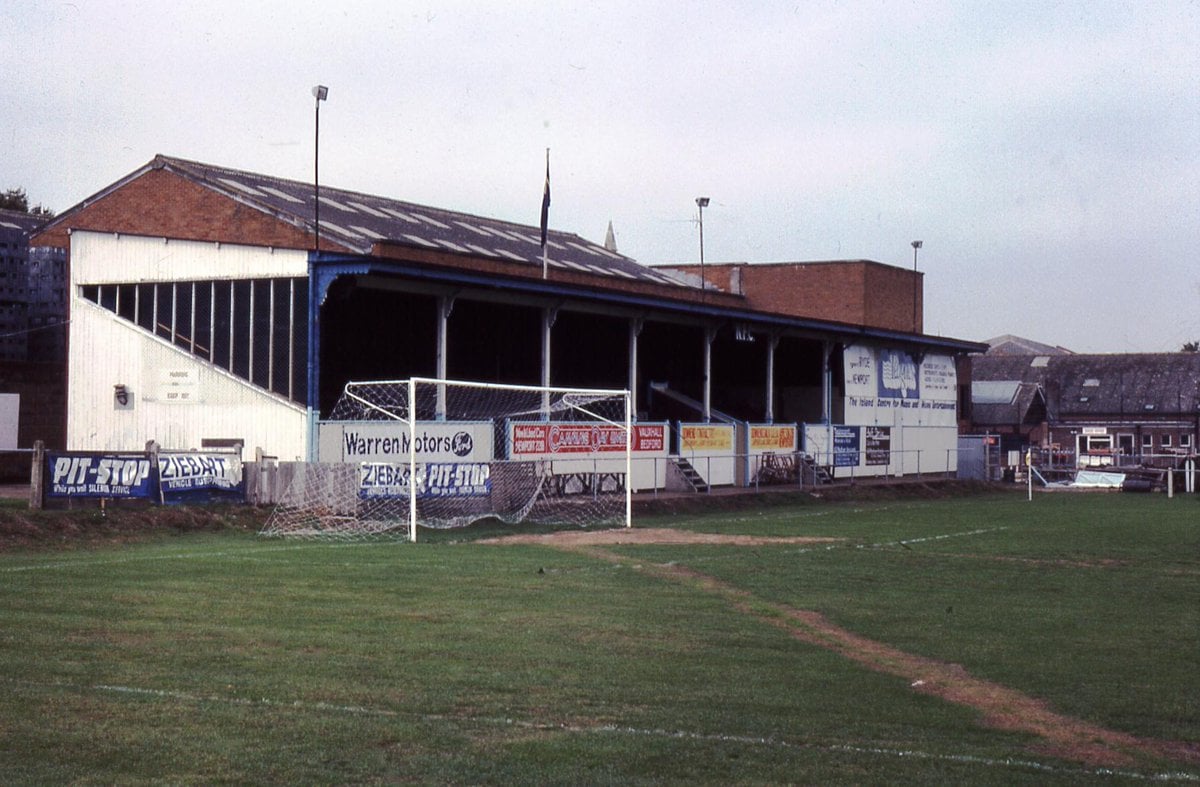
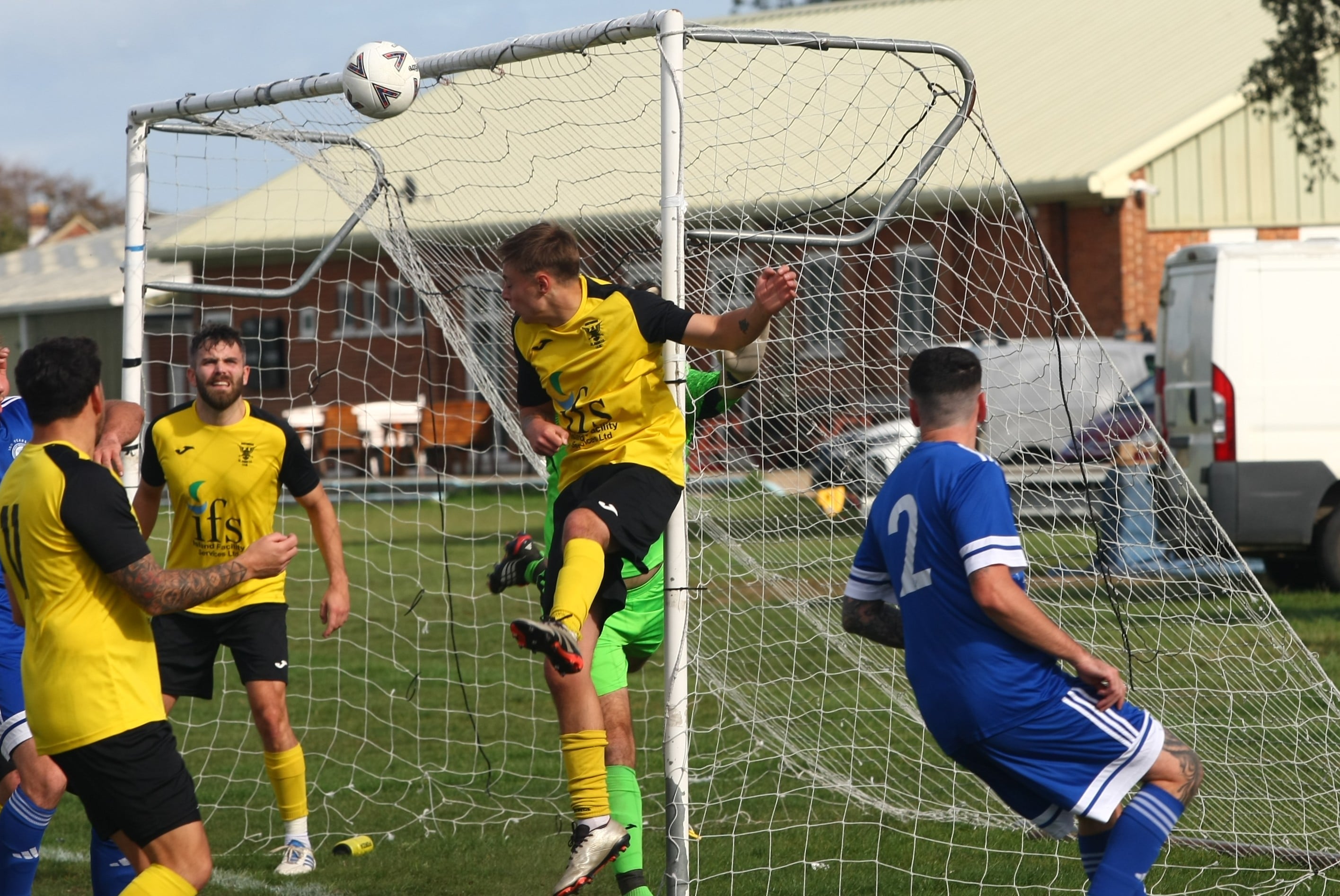
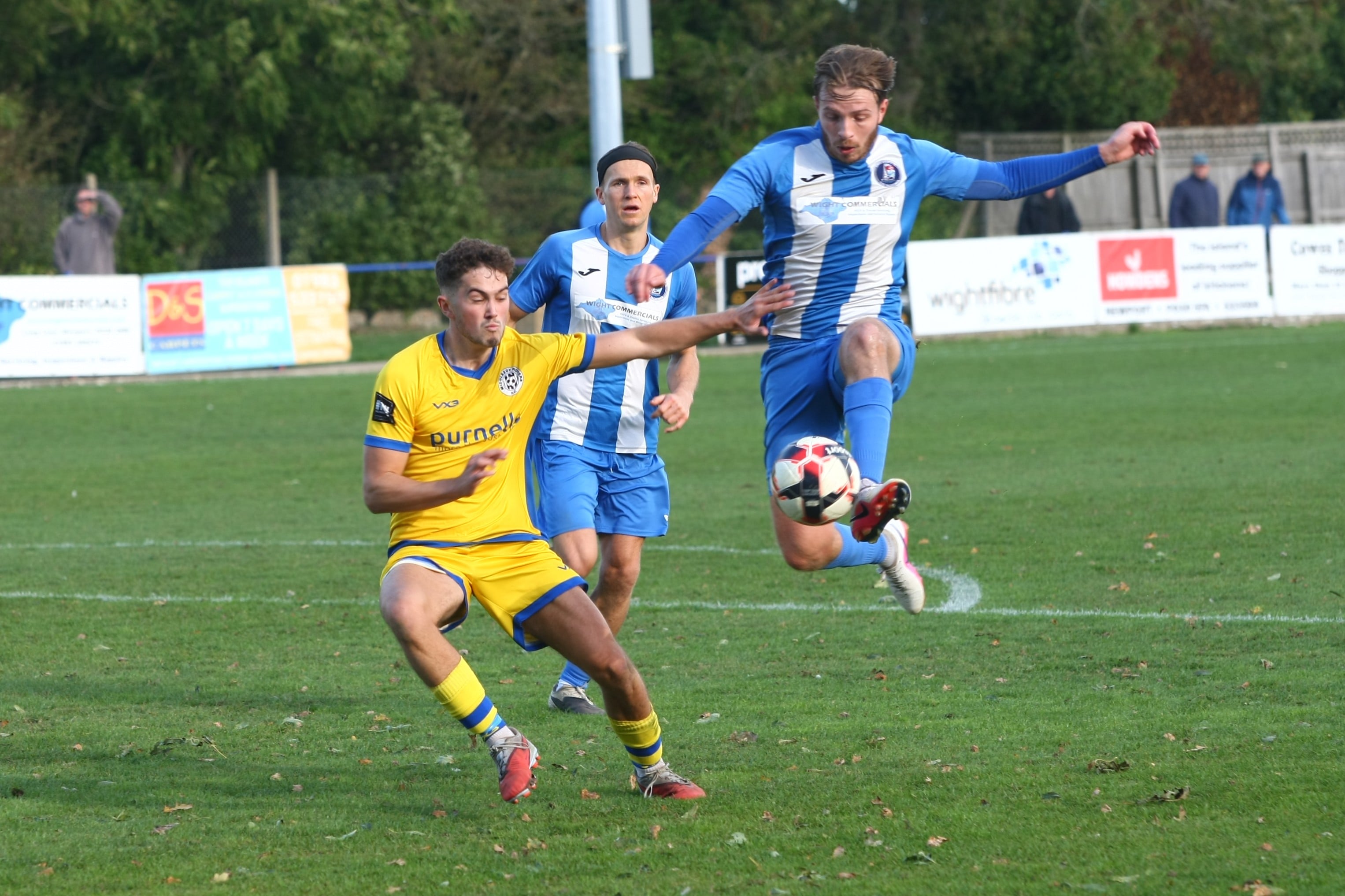
Travelling off the Island for football is hardly an unusual idea. East Cowes Vics made the mainland trip to Petersfield Town on 11 August and returned with their first Wessex Premier victory of the season after a 3-2 win. Josh Neale scored twice, first equalising in the 15th minute before putting Vics ahead in the 22nd.
Gabe Wall added the third goal in the 67th minute, and Petersfield pulled one back late on before Vics held out. The result left the Island side 10th in the Wessex Premier with 3 points from 2 matches.
The level of football is different, but the travel reality is easy to recognise. Crossing the Solent is part of supporting Island sport whenever the fixture is on the mainland, and a trip to Anfield simply stretches that routine much further north.
Liverpool supporters making the journey have the same basic problem on a larger scale: the match takes 90 minutes, but getting there and getting home can occupy most of the day.
Sometimes an Overnight Stay Is the Sensible Option
A same-day trip can work when the kick-off and connections line up, but forcing one into an awkward timetable can make the day harder than it needs to be. Evening matches are the obvious problem because the final whistle may come too late to reach the south coast and still connect with the ferry home.
An overnight stay removes the last-connection pressure and gives you more flexibility after the match. It can also make sense after a late Sunday fixture, particularly when engineering work reduces rail options.
The decision comes down to the confirmed kick-off and the route home. Work backwards from the final ferry or train you can realistically catch, leave time to get away from Anfield after full-time and see whether the numbers still add up. Sometimes they will; sometimes one night in Liverpool is the easier answer.
Liverpool From the Isle of Wight FAQs
Which Liverpool Station Is Best for Anfield?
Liverpool Lime Street is the city’s main station for regional and national services. It sits about 2 miles from Anfield, with buses and taxis available for the final part of the journey.
Should You Book Transport Before Buying a Match Ticket?
Sorting the match ticket first usually makes more sense because the fixture date and seating choice determine the trip. Once that is settled, transport and accommodation can be planned around it.
Can Premier League Kick-Off Times Change?
Yes. Television selections and European fixtures can change the day or kick-off time after the original Premier League schedule is published, so travel details should be checked again once the match is confirmed.
Is a Same-Day Isle of Wight to Anfield Trip Realistic?
It can be, particularly with a suitable afternoon kick-off and good connections. Early or evening matches can make the itinerary much tighter, so the ferry home and final rail connection need to be checked before deciding against an overnight stay.