























































Jemima Luke, hymn writer and Isle of Wight resident, died on 2nd February 1906 at her home in Cypress Road, Newport.
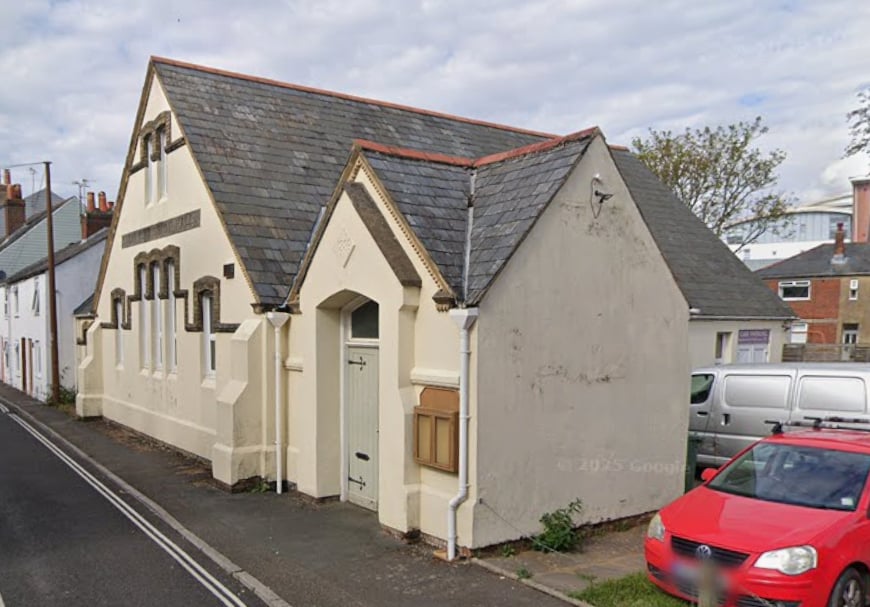
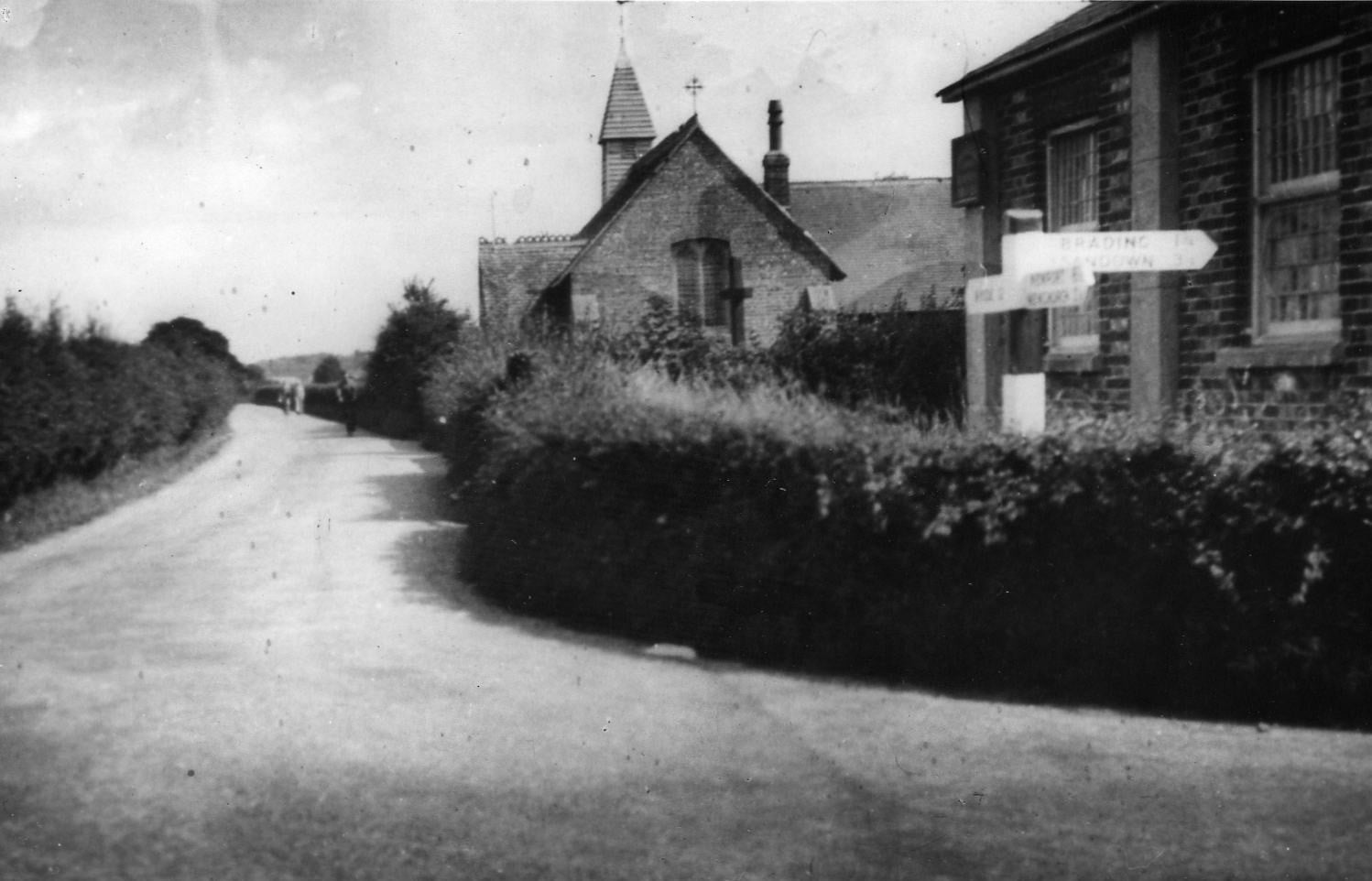
Although born Jemima Thompson in Islington, London, in 1813, her later life was closely tied to the Isle of Wight. She lived first in Brading before moving to Newport, where she became part of the Island’s nonconformist community. Despite frail health, she was a regular worshipper at Newport Congregational Church, often wheeled into services in her Bath chair, a familiar and much-respected figure among the congregation.
Jemima was raised in a household where faith and philanthropy shaped daily life. Her father, Thomas Thompson, a successful stockbroker turned benefactor, was a founding member of several missionary and Bible societies. Under his influence, she began writing poetry as a teenager, some of which appeared in children’s magazines of the day. These early convictions later aligned naturally with the strong dissenting traditions she encountered on the Isle of Wight.


Though she once hoped to undertake missionary work in India, ill health kept her in England. Instead, she devoted herself to religious education, teaching hymns to children in Somerset. In the summer of 1841, while travelling by stagecoach between Taunton and Wellington, she wrote a simple hymn on the back of an envelope. Titled The Child’s Desire, it later became widely known by its opening line, “I think when I read that sweet story of old.” Long before Jemima settled on the Island, its words were already familiar in Sunday schools across Britain.
The hymn’s enduring popularity lay in its gentle simplicity, expressing a child’s longing to have lived in the time of Christ. First published anonymously in the Sunday School Teacher’s Magazine, it later appeared in The Leeds Hymn-book of 1853, securing its place in regular worship. By the time Jemima Luke made her home in Newport, the hymn had become part of congregational life on the Isle of Wight.
In 1843, she married the Reverend Samuel Luke, a Congregationalist minister. The couple served churches in London and Bristol and raised two children before Samuel’s death in 1868. In later life, Jemima returned to the quieter rhythms of Island life, settling permanently in Newport after her time in Brading.
Following her death, her connection to Newport Congregational Church was publicly acknowledged. At the morning service the following Sunday, the Reverend Avery addressed the children:
“There used to sit in that church for many years a dear old lady, with whose face they were all familiar, the writer of the famous hymn they were going to sing that morning. I have always regarded it a great honour that Mrs Luke, the authoress of that hymn, should have been connected with this church.”
Article continues below this advertisement
The Reverend A. E. Johns added:
“Her Majesty the Queen, when Princess of Wales, had taught the hymn ‘I think when I read that sweet story of old’ to her own children. Through the lines of our departed sister, rich and poor could be linked together by sacred song.”
From her Island home, Jemima took an active interest in religious liberty and education reform, gaining recognition as one of England’s oldest “passive resisters” through her opposition to state control of schooling. Writing remained central to her life, and she published works including The Female Jesuit (1851) and her memoir The Early Years of My Life (1900).
Today, Jemima Luke is remembered on the Isle of Wight as a familiar figure in its nonconformist life, from Brading to Newport Congregational Church. Her hymn continues to link generations through shared song.