






























































Hair loss is really rarely just about appearance. For many adults, it affects confidence, identity and emotional well-being. Across the UK, conversations are becoming more open, linking mental health, informed choice and shared community experience.
Hair loss often begins very quietly. A thinner parting. A receding hairline. More scalp is visible under bright light. Over time, those small changes can influence how confident one feels in everyday situations. For many adults, the emotional impact often precedes any treatment decision.
When Hair Loss Becomes More Than a Physical Change
Hair loss rarely stays surface level. It can really influence how you move through daily life. Some people avoid photographs or choose hats and hairstyles to feel more comfortable. Others notice a dip in confidence during meetings, social events or dating.


Mental health professionals increasingly link hair loss with anxiety and lowered self-esteem. This pattern appears most often among men aged 25 to 55, though women also experience it. Hormonal changes, medical conditions and stress-related hair loss affect many people.
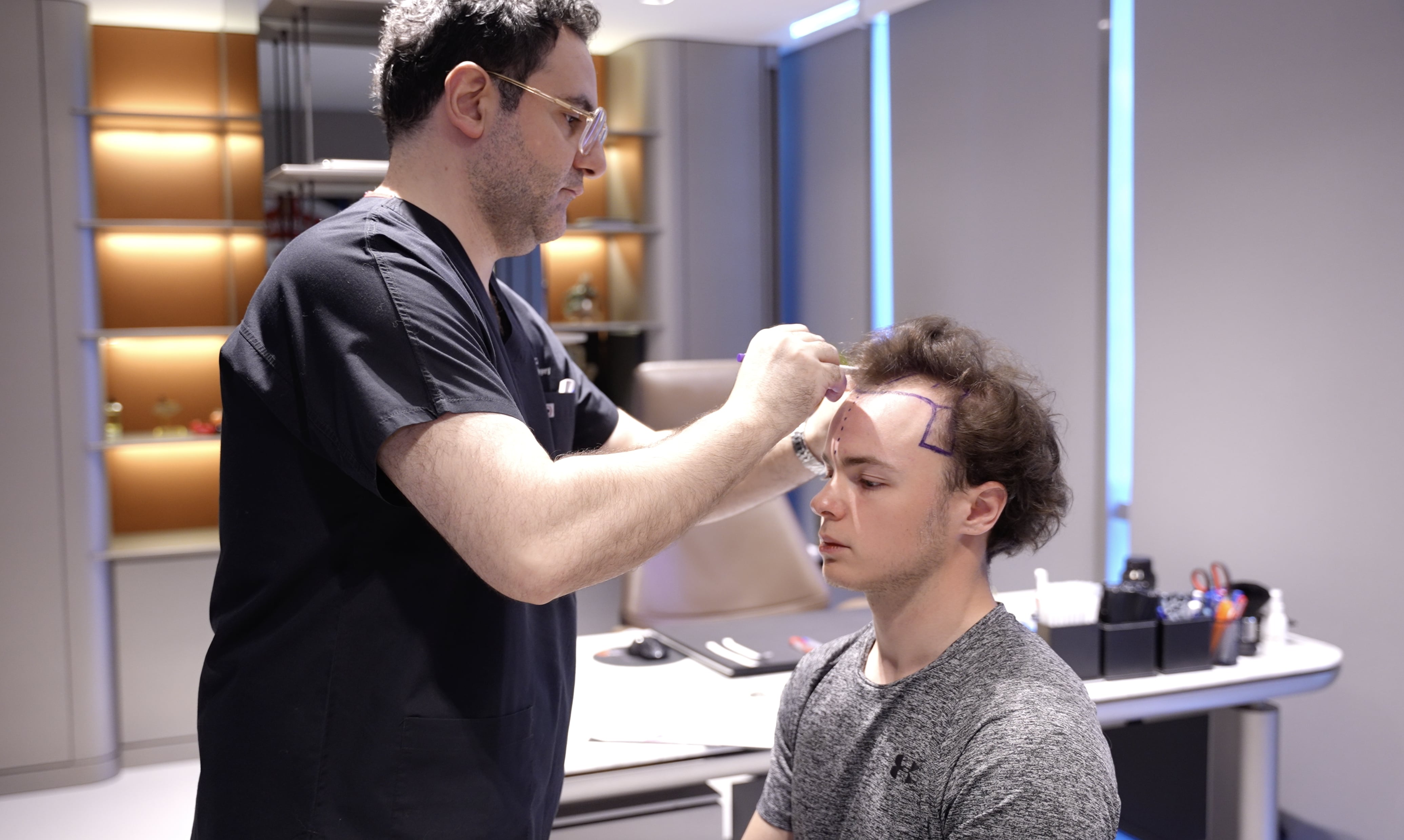
At this stage, research usually begins. You might start reading about hair restoration and surgical options. The first step often involves a professional hair analysis to assess suitability.
Clinics review scalp health, hair loss patterns and long-term expectations. A realistic treatment plan can reduce emotional pressure. Understanding options really early helps prevent rushed decisions driven by frustration.
Why Overseas Treatment Enters Local Conversation
Medical travel has become part of everyday discussion. Local forums, social media groups and workplace chats now share lived experiences. It is common to hear someone mention a hair transplant Turkey option after months of research.
Cost transparency plays a central role in those conversations. Many people compare the Turkey hair transplant cost figures with those of UK clinics. This comparison often leads to broader discussion around overall hair transplant cost planning.

Clinics usually explain how the number of grafts affects coverage and density. The donor area is carefully assessed to avoid overharvesting. These technical details of the hair transplant technique help explain why prices vary among patients.
Accurate reporting is essential at this stage. Not every overseas clinic follows the same medical standards. Clear information helps protect both mental well-being and personal finances.
What the Procedure Involves Without the Sales Talk
Understanding the process helps reduce anxiety. Clear explanations replace uncertainty with control. A modern hair transplant procedure follows a structured medical pathway.
Consultations explain the chosen hair transplantation technique using simple language. The FUE hair transplant approach remains widely used due to reduced scarring. Some clinics also offer Sapphire FUE for improved precision.
During surgery, follicular units are extracted one by one. These hair grafts are implanted to support natural hair growth patterns. Placement angle and spacing influence the final appearance.
Hair transplant operations are not instant solutions. Hair restoration requires patience over several months. The best hair transplant clinics in Turkey emphasise realistic timelines rather than dramatic promises.
This transparency supports mental well-being. Knowing what to expect reduces post-procedure stress. Good information often matters as much as surgical skill.
Community Support Before and After Treatment
Recovery does not end when travel does. This is where community support becomes valuable. Shared experience helps normalise emotional ups and downs.
Local groups often discuss transplant logistics in Turkey. Others focus on early signs of recovery and daily aftercare routines. That shared knowledge reduces isolation during the healing process.
People often discuss swelling, redness, and shedding phases. Hearing similar stories helps manage expectations. Community insight can be reassuring during quiet recovery periods.
Common topics shared include:
- Early healing timelines and visible changes
- Managing patience during slow hair growth
- Understanding realistic density outcomes
- Knowing when to contact medical professionals
These conversations support confidence and emotional balance. They also complement clinical advice. Community spaces often fill gaps left after formal consultations.
Mental Wellbeing After Treatment and the Long View
Post-treatment emotions vary widely. Initial excitement can give way to doubt during slow regrowth phases. This period often tests patience more than confidence.
Doctors explain that hair growth follows biology. A hair transplant in Turkey follows the same timeline as in any other country. Visible improvement usually appears after several months.
Hair transplantation outcomes depend on many factors. A hair transplant in Istanbul still relies on the individual healing response. Hair transplantation improves appearance but does not define personal value.
Mental well-being improves when expectations stay realistic. Clear follow-up guidance helps manage uncertainty. Confidence often returns gradually alongside visible progress.
A Balanced Perspective for UK Readers
Hair loss decisions are deeply personal. Mental health deserves equal attention alongside medical outcomes. Reliable reporting supports informed, calm decisions.
Community discussion continues to reduce stigma around hair loss. Shared experience builds understanding and trust. When approached responsibly, treatment becomes one part of overall well-being.
For many, confidence grows through informed choice and community support. That journey often matters as much as the final result.