






























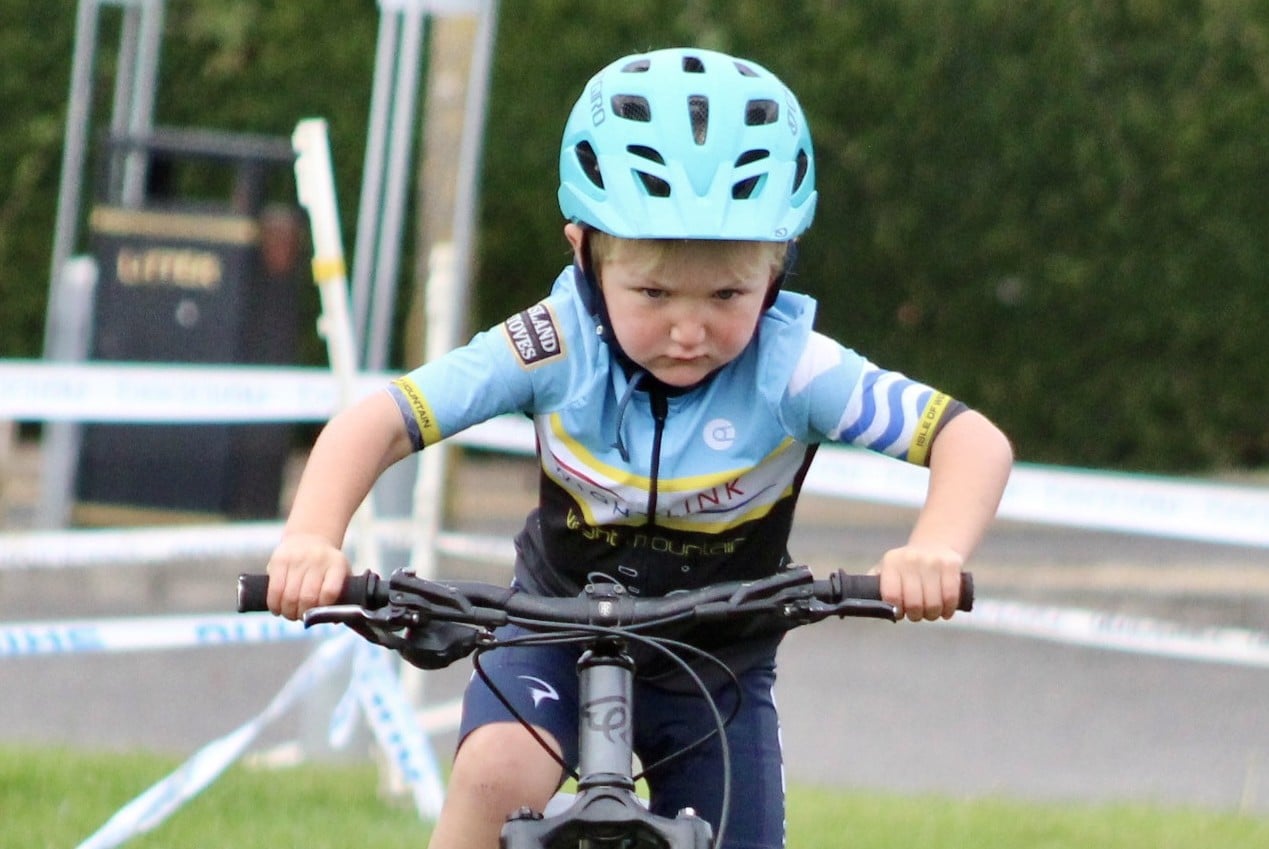
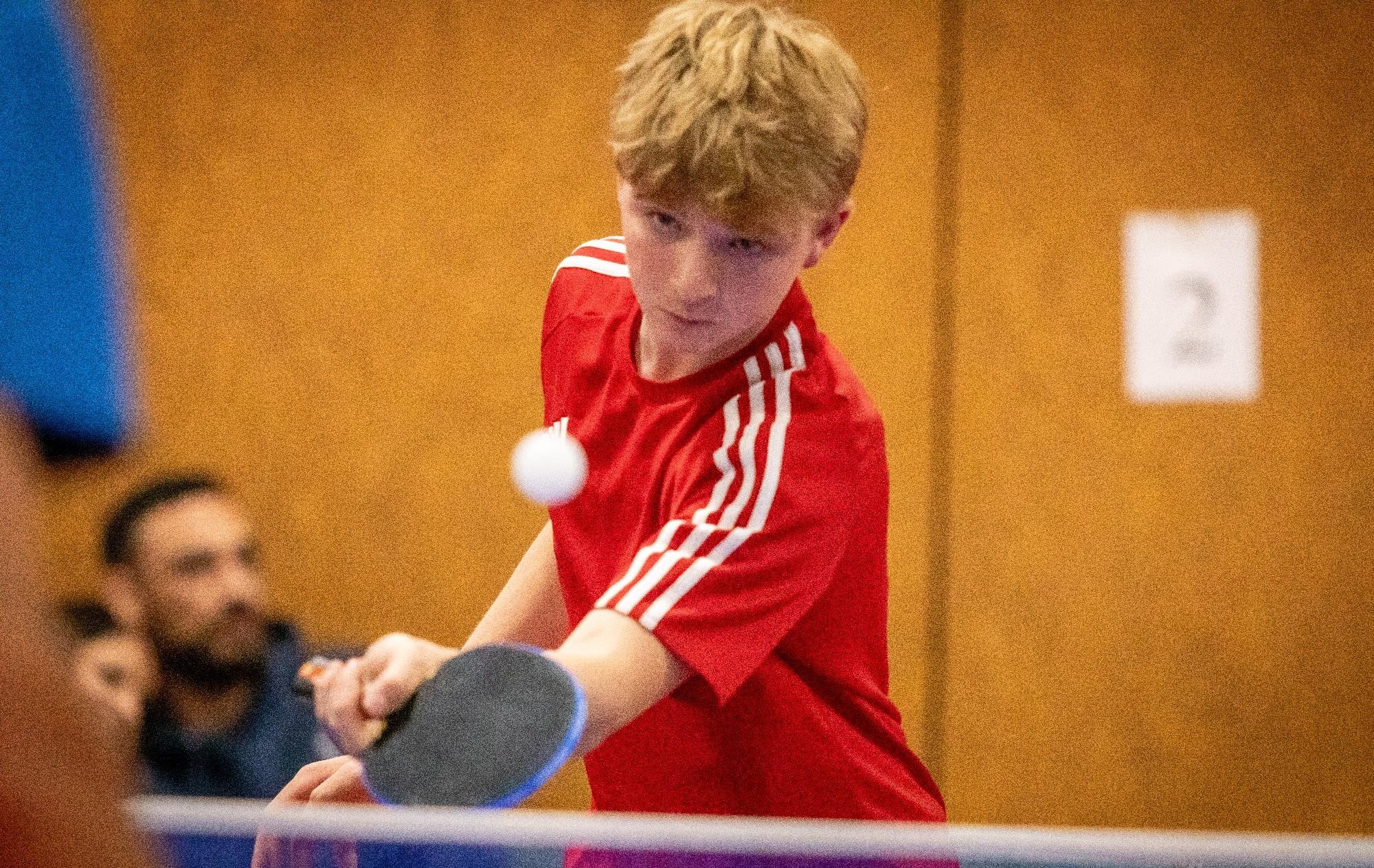

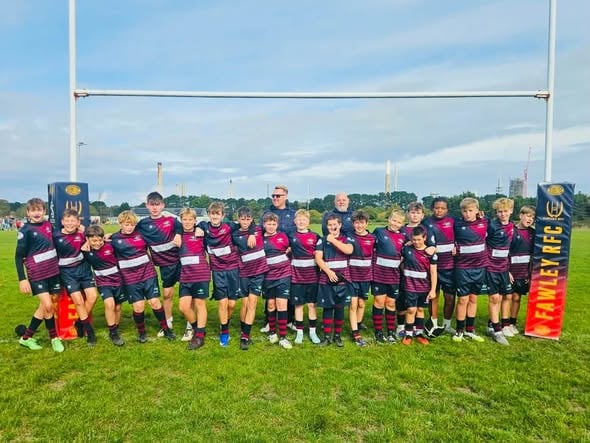







There’s something about the Isle of Wight that naturally encourages people to be active. The stunning coastline, the scenic trails, long stretches of countryside, and the feeling that life here gives people the time and scope to look after themselves. Whatever the reason, the island has a growing affinity with an active lifestyle. And this is set to go up a gear as we move into 2026.
Across the island, a noticeable shift is taking place. More residents are running, cycling, hitting the gym or exploring activities like Pilates and yoga. And it’s not just the people fortunate enough to live here. The Isle of Wight is becoming a health and wellness tourist destination, too. And fitness is a leading part of the cultural shift. Here’s the lowdown.
Community Initiatives Powering Fitness


Over half the Isle of Wight is classed as an Area of Outstanding Natural Beauty, but it’s not just the environment that’s getting people moving. The strength of the local community fitness scene is a major driver, and residents have access to a growing number of excellent initiatives that are engaging people to get fit and to do it together. The Isle of Wight Council, in collaboration with Sport England and the local health authority, organises the weekly Medina 5k parkrun, open to everyone. Energise Me, a charity covering Hampshire and the Isle Of Wight, also do amazing work getting people active. These programmes make use of the island’s natural beauty of course, but it’s all about residents coming together to enjoy it while getting fit and staying fit!
A Noticeable Shift Towards Health and Preventive Wellbeing
The increased interest in fitness on the island is reflective of the trend across the country. People are far more aware of the benefits of preventative health and wellness and are taking steps to prioritise their health. That message has landed strongly here, and physical activity to support long-term wellbeing rather than short-term goals is now very much part of the zeitgeist. Gyms, studios and community centres have responded by expanding timetables and adding more varied classes, from strength and conditioning to Pilates and mobility.
This shift in behaviour isn’t limited to younger groups either. Middle-aged adults and retirees are at the vanguard of the island’s fitness movement, valuing activity as a way to maintain independence, flexibility and social connection. This cultural shift is opening doors for newly qualified trainers who want to work in a supportive, health-focused community. For those looking to start a fitness career, personal training courses are now more accessible than ever, allowing islanders to train flexibly around existing work and family commitments.
Local Demand for Personal Trainers Is Rising

With the rise in health and fitness awareness, demand for personal trainers is increasing. As residents catch the fitness bug, they begin to look for more personalised programmes, tailored closely to their own needs and capabilities. Beginners want clear guidance without being overwhelmed, older adults look for support that prioritises safety, and people across the board want long-term lifestyle changes rather than quick fixes. It’s a great time for anyone thinking about building a fitness business, whether through 1-to-1 sessions or small-group coaching, or even more.
Fitness Tourism on The Isle of Wight
While residential interest in fitness has risen sharply, the island is also attracting visitors who want more than a beach break on Shanklin or a tour around Osborne House. Fitness tourism is emerging as a sub-sector of this vital industry. Visitors are increasingly seeking out holidays that combine relaxation with physical activity, and again, this is a pattern that is being seen across the UK. On the island, this is translating into weekend cycling tours, kayaking breaks, hiking holidays, yoga and Pilates retreats and fitness and wellness-focused escapes. Many visitors are simply using the excellent network of gyms while they’re on holiday!
The rise of travel tourism is great news for the Isle of Wight’s economy, as domestic wellness tourists typically spend 178% more than average tourists. And it’s opening up opportunities for personal trainers, from running one-off fitness sessions for visitors, to working with hotels and retreat destinations.
More Islanders Are Retraining or Adding Part-Time Fitness Careers
One of the biggest shifts on the island again mirrors a UK-wide trend: adults retraining or adding a second income stream through fitness work. The Isle of Wight, where seasonal employment and flexible working are already long-established, lends itself particularly well to this trend. Add in the natural spaces and facilities of the island, and pursuing a career in fitness is a very attractive proposition. Becoming a personal trainer allows people to build a client base (residents and tourists!) at their own pace, working outdoors without studio overheads, and enjoy flexible hours while doing something they love. And as qualifications can now be completed online or through blended learning, islanders don’t need to travel to the mainland to study. It comes as no surprise that leading UK health and fitness education provider The Fitness Group has seen increasing enquiries from residents looking to retrain as personal trainers to take advantage of the island’s burgeoning fitness tourism scene.
The Isle of Wight’s Fitness Culture Is Still Evolving
Fitness, through coastal walks, outdoor swimming and community sport, has always been part of island life. But what feels different now is the growth of structured, inclusive and community-led fitness and wellness. With more residents prioritising their health and searching for long-term lifestyle changes, and visitors requiring breaks that at least build in physical activity, fitness is becoming part of the everyday rhythm of the Isle of Wight.
This shift creates new opportunities for people who want to support that movement. And not just as trainers, but as community connectors who help others build healthier, more active routines. Those choosing to retrain now — especially through accessible online routes offered via The Fitness Group — will be well placed to shape the island’s next chapter of health, wellbeing and outdoor fitness.