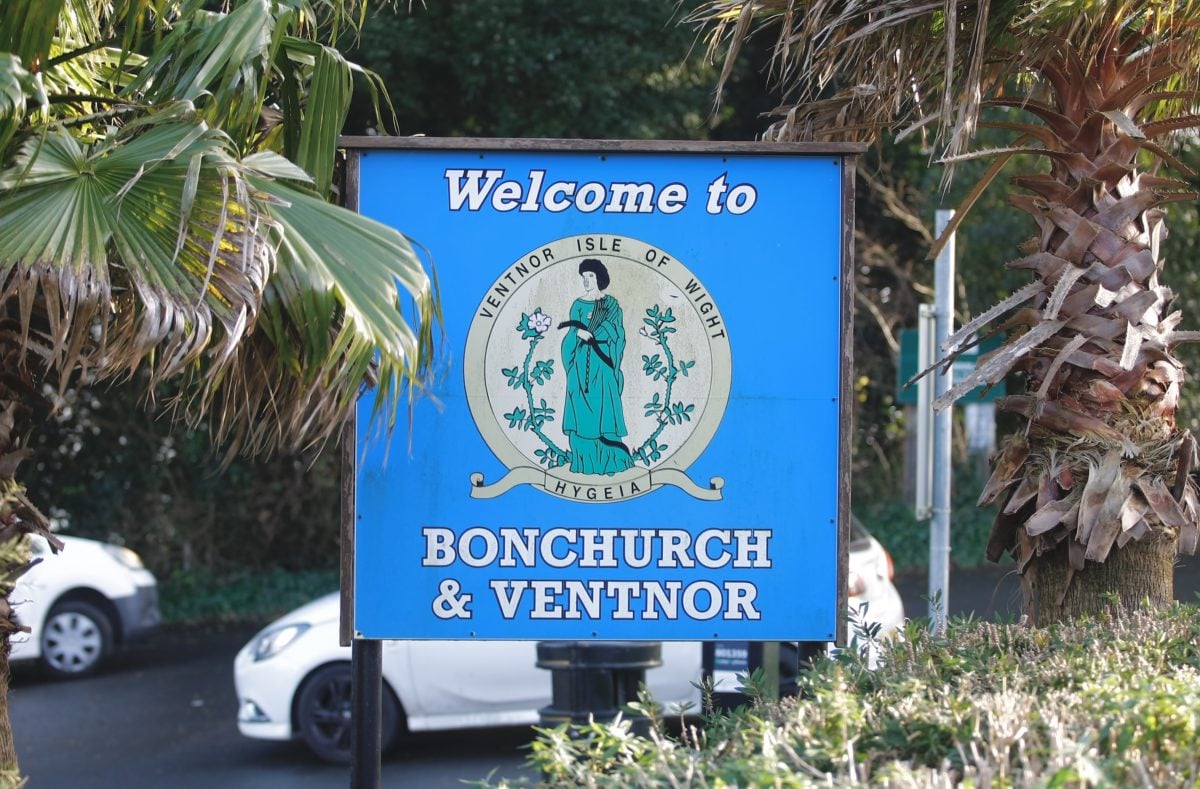

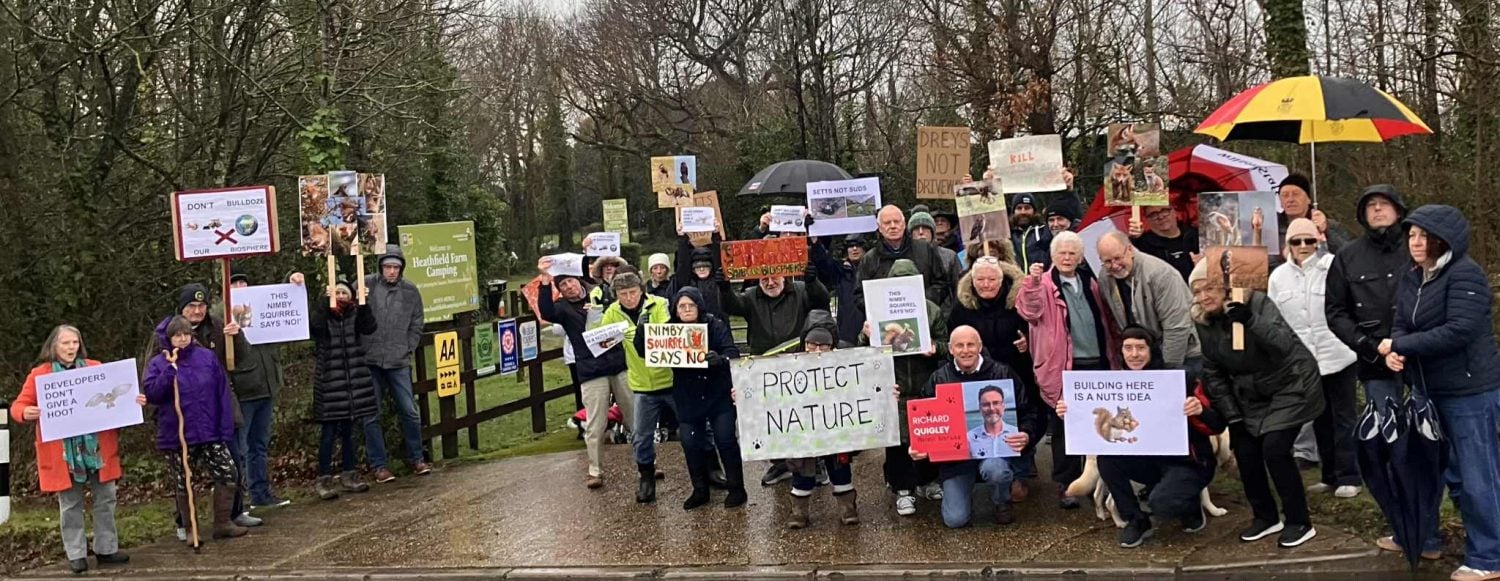























































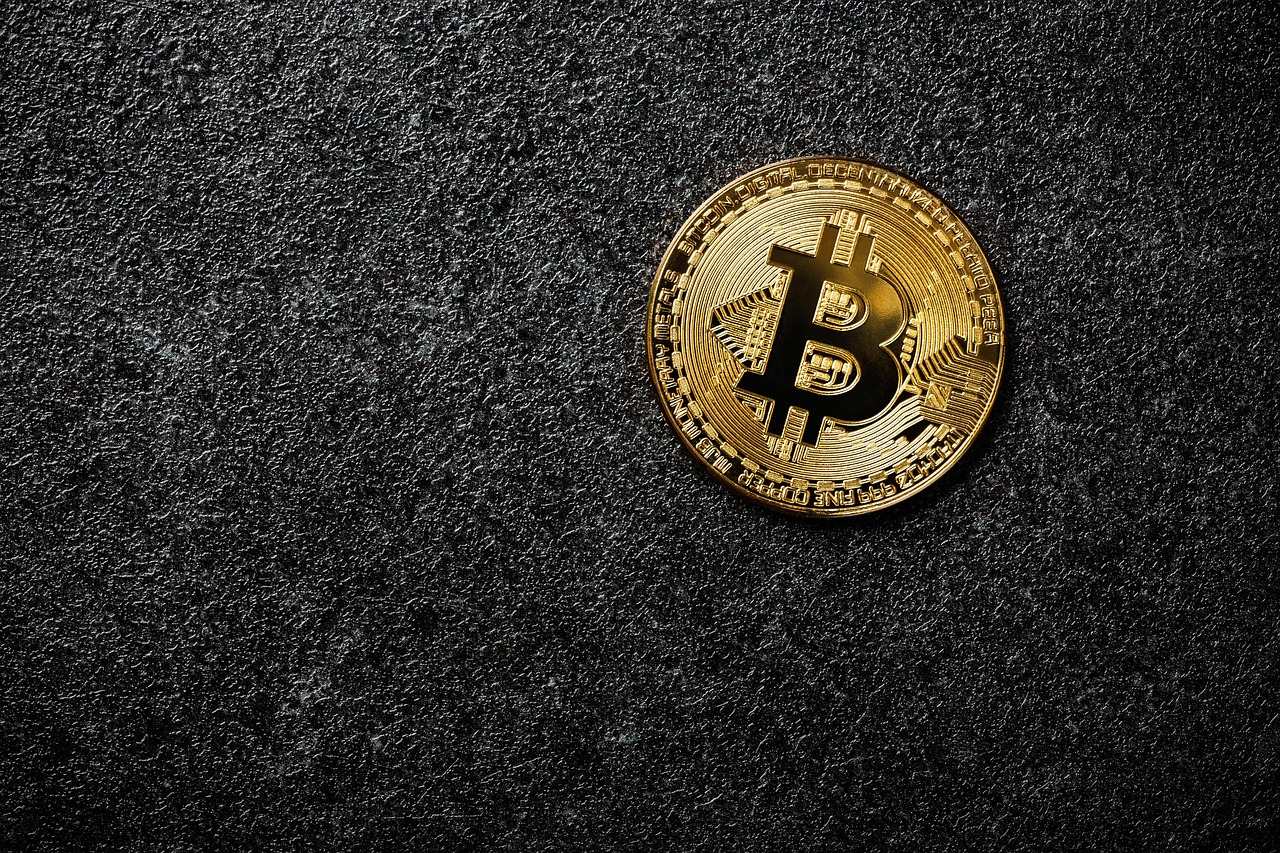

Bitcoin is no longer a remote technological project discussed over online forums. In the last ten years, it has gradually entered mainstream discussion throughout the UK. Much of the attention seems to centre on large cities and business centres, however, digital currency is not limited to London or Manchester. Even such communities as the Isle of Wight doubt its significance. Will Bitcoin affect the island economy in a major way?
What Bitcoin Actually Is
Bitcoin is a decentralized electronic currency. Based on blockchain technology, it documents transactions to a distributed network instead of a central bank. This system enables users to make payments to each other. It does not need a conventional financial intermediary.
However, Bitcoin is also volatile. It is prone to dramatic fluctuations in short durations. That volatility presents opportunity to certain investors, yet brings with it a lot of financial risk. To ordinary citizens, this balance must be comprehended prior to venturing into any type of cryptocurrency investment.


Tourism and a Changing Visitor Profile
Isle of Wight continues to be tourism-oriented. Thousands of tourists arrive here annually to attend festivals, seaside holidays, and family vacations. With remote working increasing and digital nomads becoming a reality, a minor but rising category of travelers favors other forms of payment.
Could accepting Bitcoin provide a marketing edge? Possibly. Some hospitality businesses in other UK regions have experimented with digital payment systems linked to cryptocurrency exchanges, allowing immediate conversion into pounds to avoid exposure to price swings.
For island businesses, such adoption would not signal a financial revolution. It would represent an additional payment channel. Practical considerations also cannot be ignored. Before implementation, it is important to carefully review:
- Cost of processing payments
- Regulatory compliance
- Accounting
Financial Innovation and Small Businesses
The local economy is supported by independent cafes, retailers, etc. In these businesses, margins are usually slim. Bitcoin can be attractive because of its potential for lower transaction costs and expedited cross-border delivery.
However, the zeal should be kept in check with realism. Demand within the local population may remain limited. Accounting complexity under UK tax law cannot be ignored. Moreover, all business owners do not desire to go through the operational learning curve of digital wallets and exchange platforms. Still, early adopters tend to be the pioneers of innovation. Even a few businesses that take a cautious risk to trial might prove whether customers are interested enough to use it more widely.

Local Residents and Investment Awareness
Some island residents may already hold Bitcoin as part of a broader financial strategy. It is easy to access global markets via controlled cryptocurrency exchanges. Education is very accessible, and people can learn how to purchase Bitcoin in the UK on Kraken or other significant resources with step-by-step instructions very easily.
Yet access does not equal suitability. Cryptocurrency markets remain speculative. Gains can be significant and losses equally sharp. Being a responsible participant necessitates financial literacy, risk tolerance, and a clear realization that digital assets are not to substitute essential savings or pension planning.
Infrastructure and Digital Readiness
The island’s broadband connectivity and remote working capabilities have improved over the last few years. Digital infrastructure supports innovation. It removes hurdles, but does not guarantee adoption.
Greater adoption of Bitcoin would hinge not on technology, but on communal desire. Financial habits evolve slowly, trust builds gradually. Any meaningful integration into the Isle of Wight’s economy would likely unfold incrementally rather than abruptly.
Evolution Rather Than Disruption
Bitcoin is unlikely to displace traditional banking systems on the island in the near future. Local commerce still relies overwhelmingly on sterling and established payment networks. However, economic landscapes rarely remain static. Even in regional communities, new opportunities can appear as digital finance continues to become more mature in the UK.
Endnote
The Isle of Wight’s future economy will be shaped by tourism, entrepreneurship, as well as adaptability. Bitcoin may not redefine that future, but under measured, informed circumstances, it could become one small component within a broader financial evolution.