




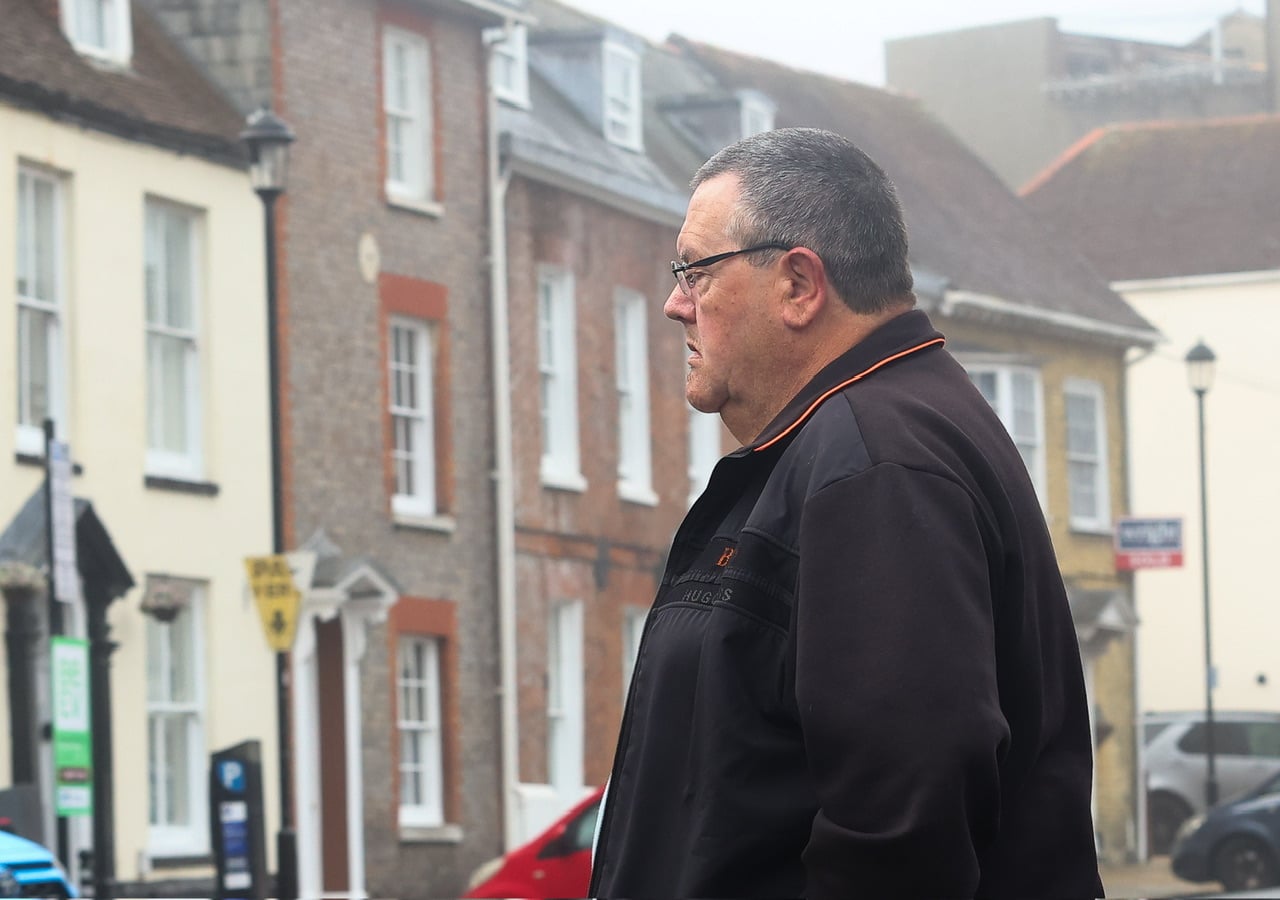




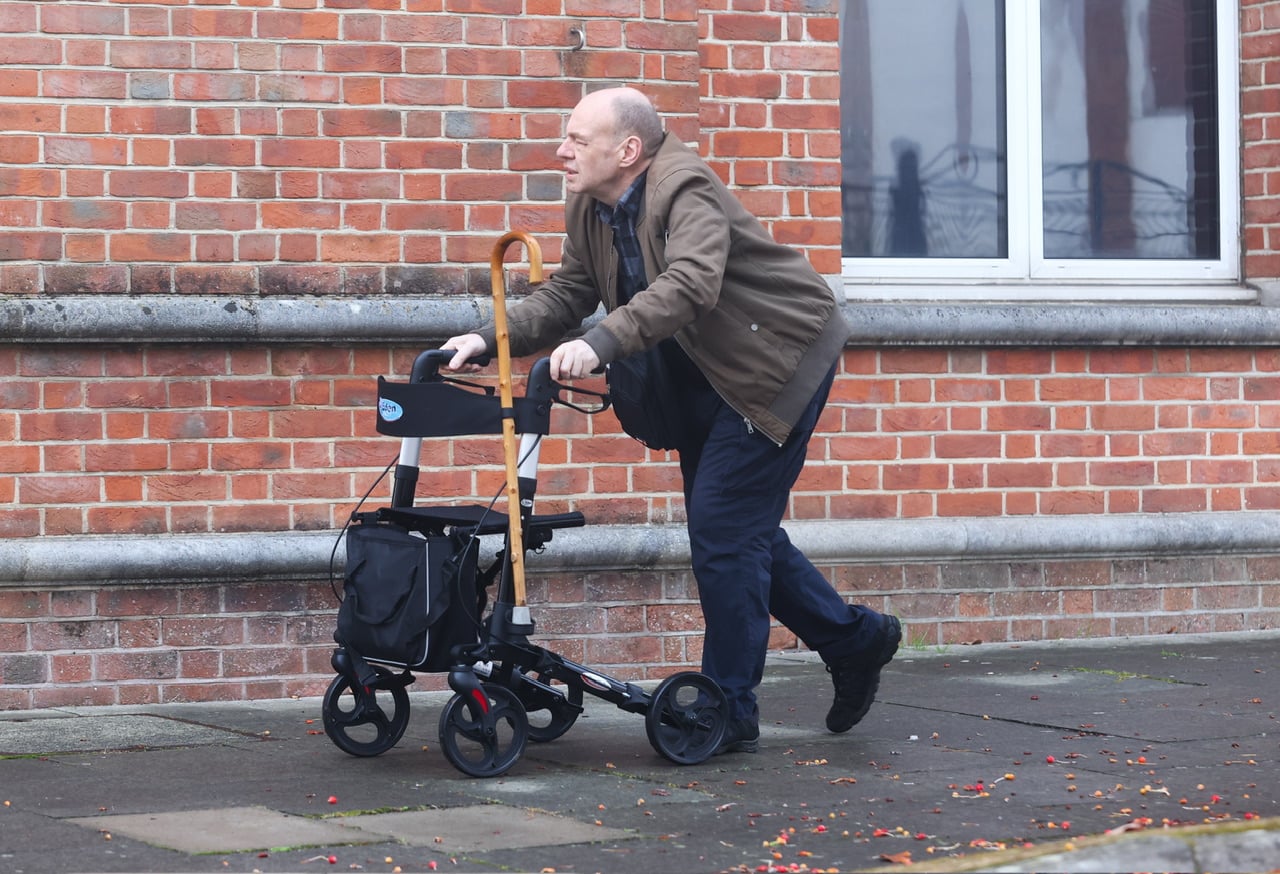

































59-year-old Timothy Cale has gone on trial accused of causing the death of a cyclist in a fatal collision in Shorwell back in June 2022.
Mr Cale, of Main Road in Shorwell, appeared before a judge and jury earlier today (Monday), having previously denied a single chargeof causing death by careless driving.
At around 10:15, a Land Rover Freelander driven by Cale, reversed out onto Main Road, Shorwell and collided with 64-year-old University Professor Simon McQueen-Mason who was travelling on his bicycle. McQueen-Mason was pronounced dead at the scene.


On the first day of the trial, all 12 members of the jury were sworn in and told facts about the events of Sunday 5th June 2022. Crown Prosecutor Russell Pyne said the conditions that day were ‘dry and sunny’ and that the roads were ‘quiet.’
A post mortem revealed that Mr McQueen-Mason died as a result of a catastrophic chest injury. Mr Pyne said that the victim was moving at ‘some speed’ when the collision occurred.
The University of York lecturer was found unconscious in the road the court heard, prompting the immediate scrambling of the Hampshire and Isle of Wight Air Ambulance.
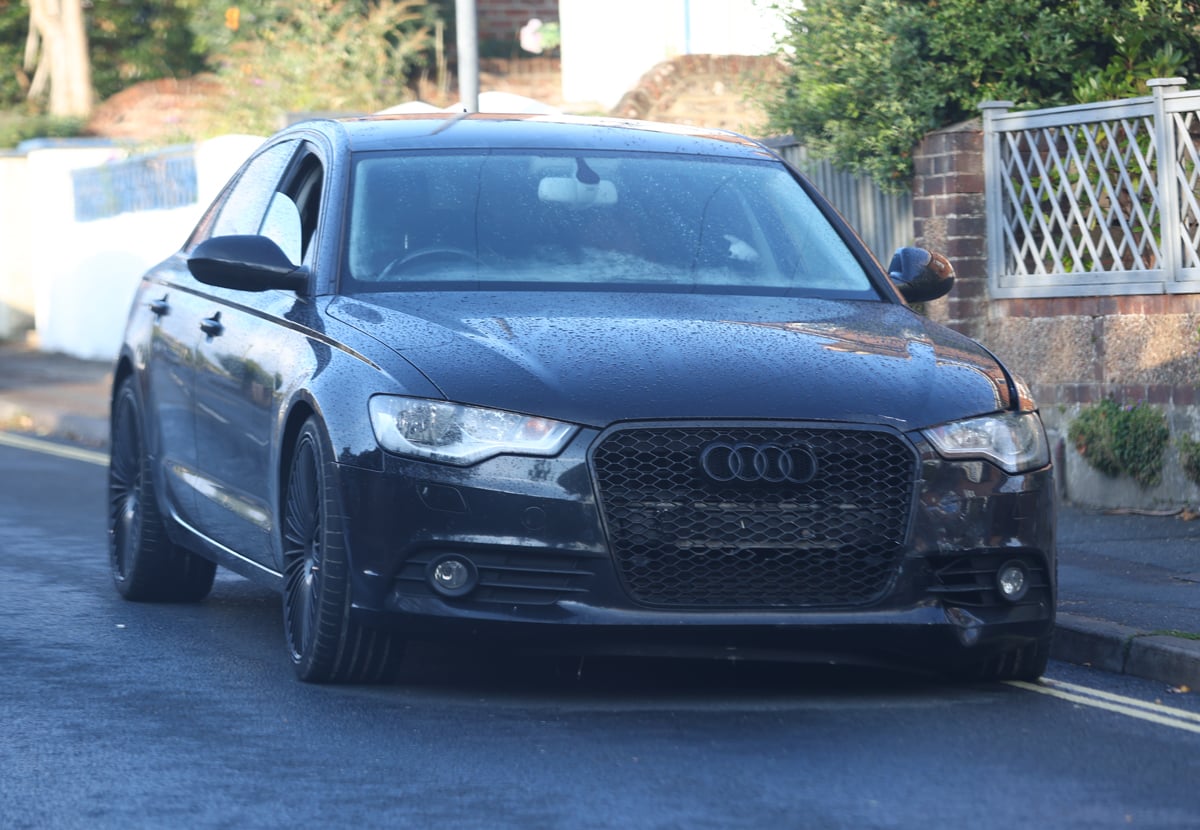
In the moments after the collision, witnesses saw Cale leaving the scene in his damaged vehicle. The 59-year-old – accompanied by his partner – returned to the scene of the incident on foot, where drug and alcohol tests were carried out. Both returned negative results.


Addressing the jury, Mr Pyne said that shards of glass from the impact were left in the middle of the road, as were scuff marks. A Hampshire & Isle of Wight Constabulary Collision Investigator arrived on scene around 2 hours after the initial 999 call.
Mr Pyne said that during Police interview, some weeks after the incident, Cale gave a detailed account of his version of events where he said he had checked his mirrors several times to make sure it was safe to move and that he had moved just a few feet before he felt the impact of Mr McQueen-Mason’s bike.
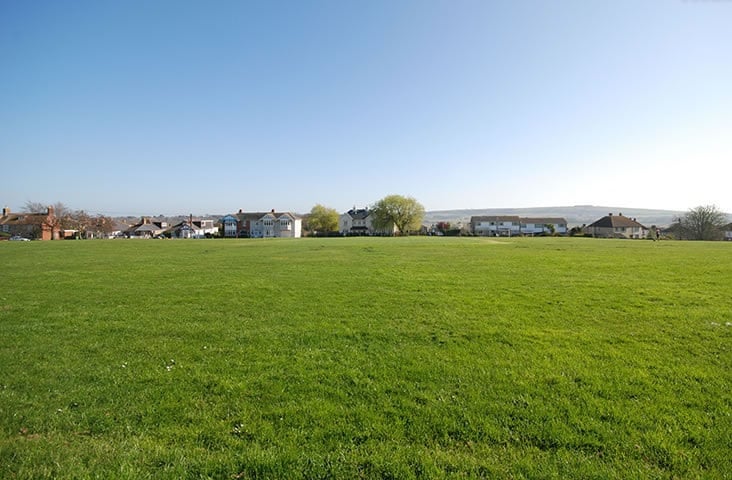
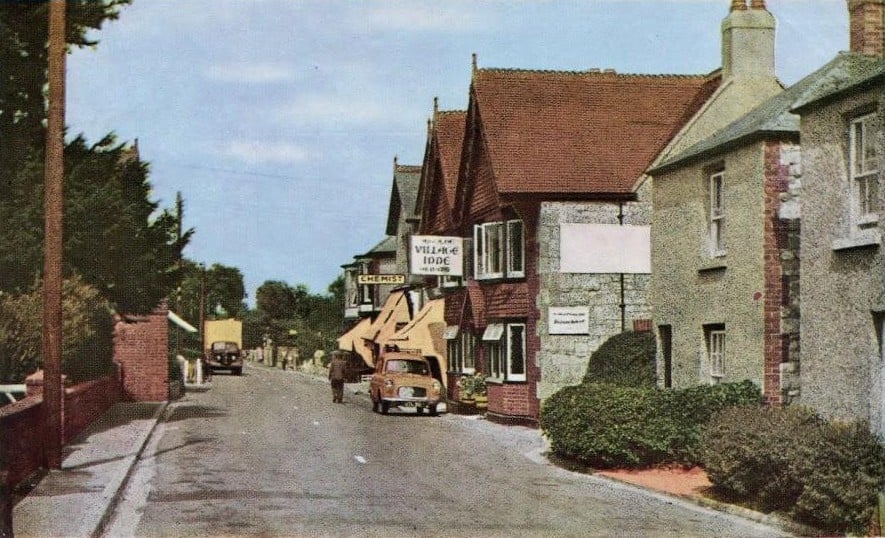
Cale admitted that he would usually use the small patch of grass, known locally as The Green, to turn around in, but in this instance felt the safest thing to do, as a result of several parked cars, was to reverse out onto the road.
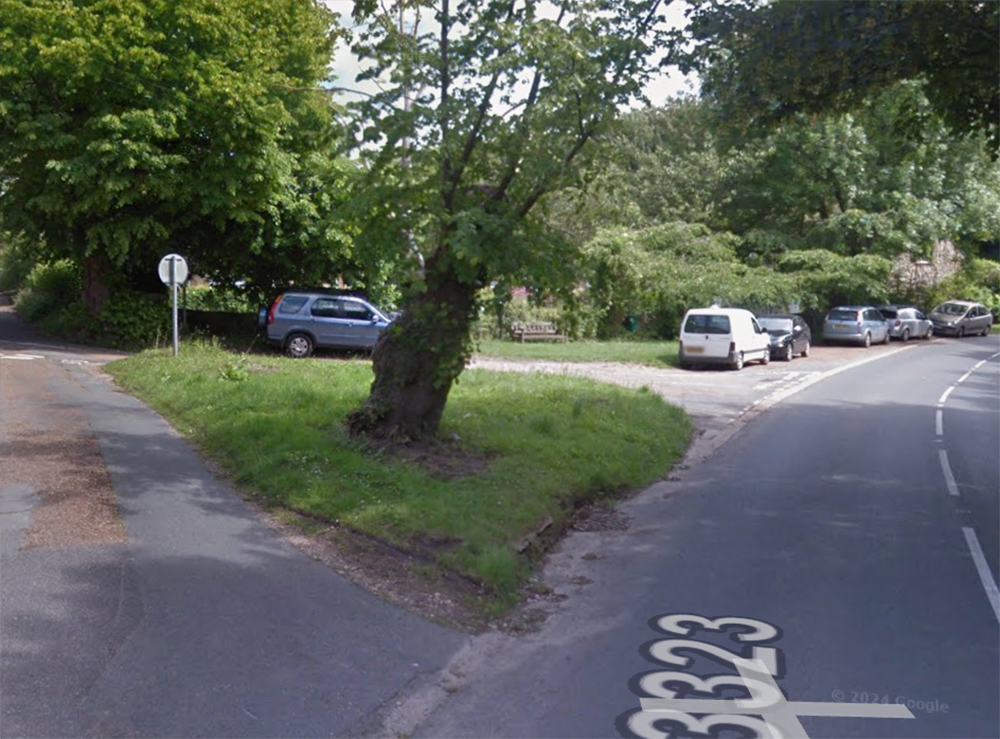
Outlining the CPS case, Mr Pyne said that Cale’s decision to reverse onto the road led to a ‘catastrophic collision and the loss of a life’.
The trial, set to last around 4 days, continues.








As a mountain biker,i sometimes go down that hill at speed,the road cyclist would have been going a lot faster judging by the bike he had,as you get to bottom of the hill the bend is blind,so a car pulling out would have little chance of avoiding the cyclist,let alone take evasive action,the cyclist would have hit that bend at easily 30 mph giving that the driver little chance to avoid him,this was a tragic accident,but the one thing i cannot condone,is the driver,knowing an accident has just occurred,panicked,and left the scene of an accident,thats the only thing he is guilty of.
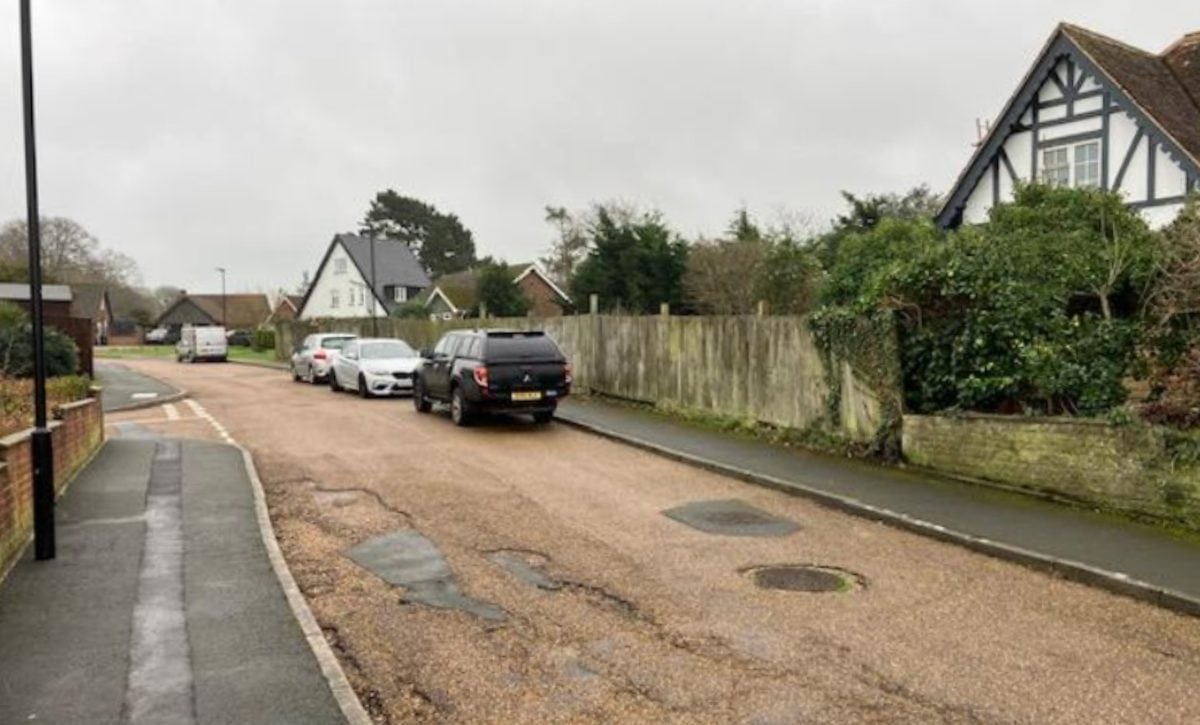
if anything,the jury need to be taken down that hill and a reconstruction done,as by the cottage at the bottom there is a road leading down to the farm,you cannot see it until you are on it,i hope common sense prevails on this one,and my sincere condolances to the riders family.
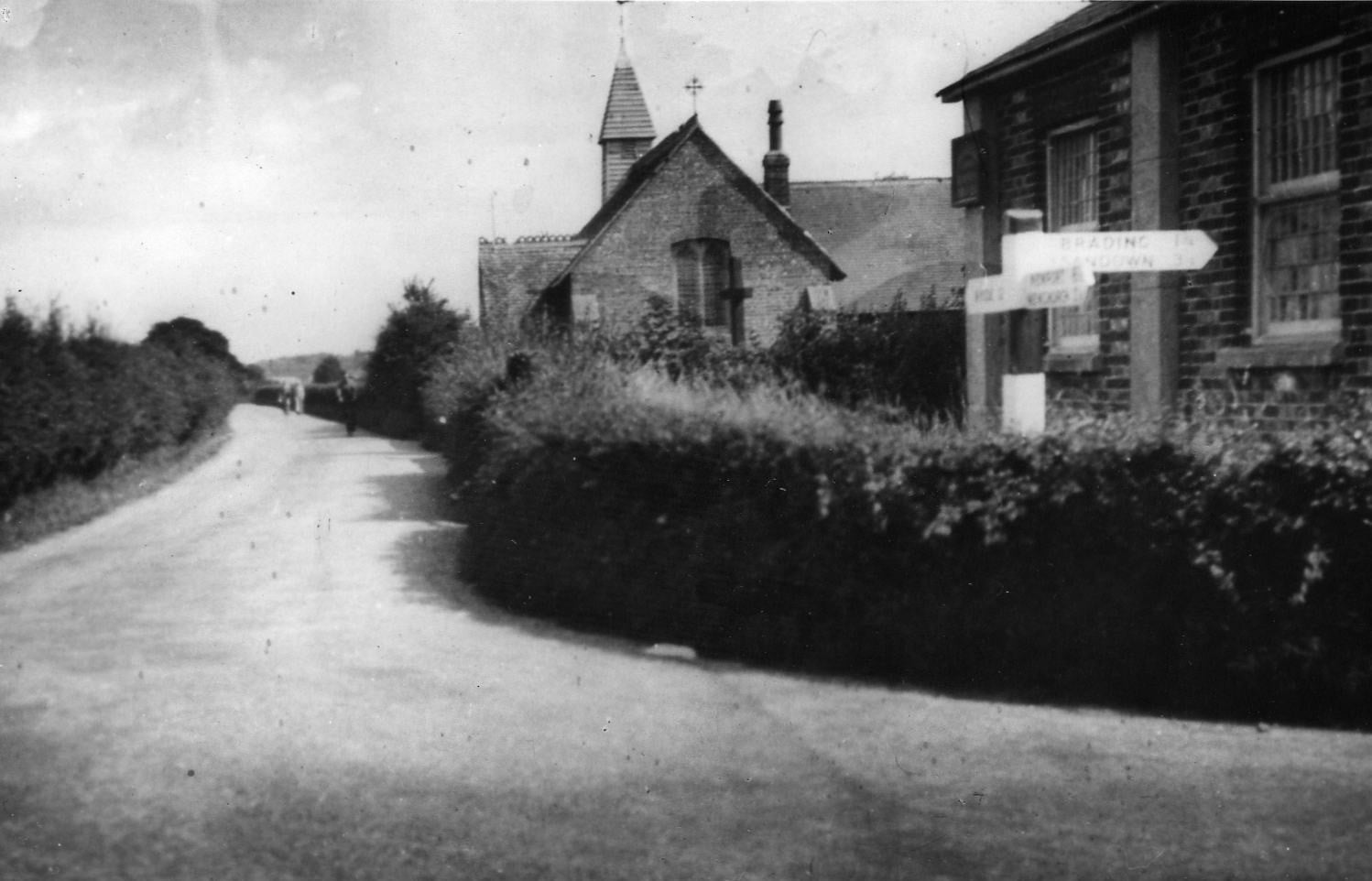
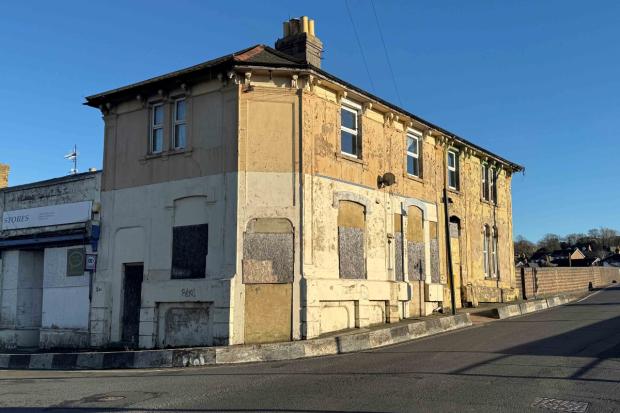
If you look at the picture of the bikes rear wheel,and focus on the gears,the cage is right back,and the chain was on the big front ring,indicating he was in top gear,which indicates he was flying down the hill,then look at the top pic,the bend at the top and where the accident happened was literally feet away,so didnt have a chance to slow down before he was on the car,this was a tragic accident,regardless of wether the car driver pulled out,or reversed out,he would have still hit the car.
and the fact that the cyclist died,is an indication he was travelling at speed,down a hill with a blind bend at the bottom,it would be interesting to find out if he activated the flashing 30 mph sign was on the next bend,which would mean he was speeding.
Just a couple of things to bear in mind. You suggest that the cyclist was ‘speeding’, well, that is supposition. The main take-away from this case is the fact that the driver was reversing into a main road and admitted he took that option to avoid going round the little green. In other words he made a decision with the potential to cause an accident, which it so tragically did. It would seem to fall into the category of careless or indeed reckless driving. It’s a very, very sad case all round, and I too trust that common sense wins the day.
It looks like the cyclist was going extremely fast..i think the driver had little chance of avoiding the crash.
We all make mistakes, in one form or another, from time to time.
(even some of the people who comment on here, who would have you believe they are faultless). Unfortunately, some mistakes have more serious consequences than others.
This is definately a tragic incident, and it is possible that the cyclist was going excessivly fast for the conditions, (e.g. too fast to be able to stop within the distance he could see was clear)
However…
The highway code is clear on (not) reversing onto a main road.
“Rule 201Do not reverse from a side road into a main road. When using a driveway, reverse in and drive out if you can.”
and
Rule 202Look carefully before you start reversing. You should
Reverse slowly while
Get someone to guide you if you cannot see clearly.
if there was an alternative to reversing out, unguided, then he probably did have a chance of avoiding the crash…
whether he is guilty of “causing death by careless driving” or not,.. is for the jury (who will have ALL the facts and evidence) to decide.