









































Bombed during the Second World War and later rebuilt, Swanmore Middle School in Ryde became a defining part of Ryde life for generations of pupils…
Education on the Bettesworth Road site began in 1877, when a school was completed at a cost of £3,800 to accommodate around 600 children. That long continuity was violently broken in 1941, when a German parachute bomb destroyed the school, killing six adults and five children and leaving the site flattened.


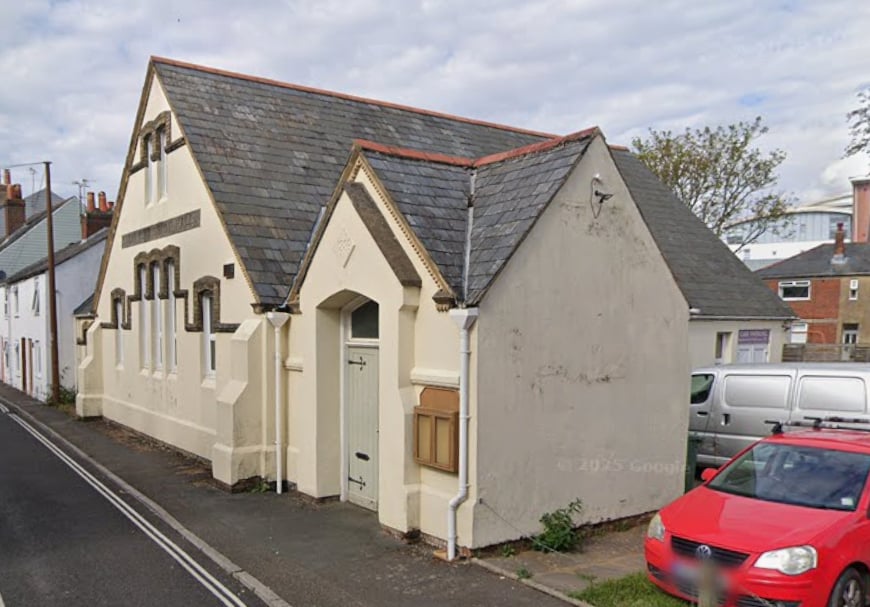
One former pupil later recalled the aftermath in stark terms: being taught in the church hall at St Michael’s because the school had been destroyed, then walking down at playtimes to the bombed site and playing among the debris that remained. The impact of the raid lingered for years, shaping how the site was remembered locally.
From devastation came renewal. In the post-war years a new school was built on the same ground, and Swanmore County Junior School was officially opened on 22nd October 1955 by Denis Vosper MP, following its first intake earlier in the decade. Out of this rebirth emerged the school’s enduring emblem: the phoenix, chosen to symbolise destruction followed by renewal.
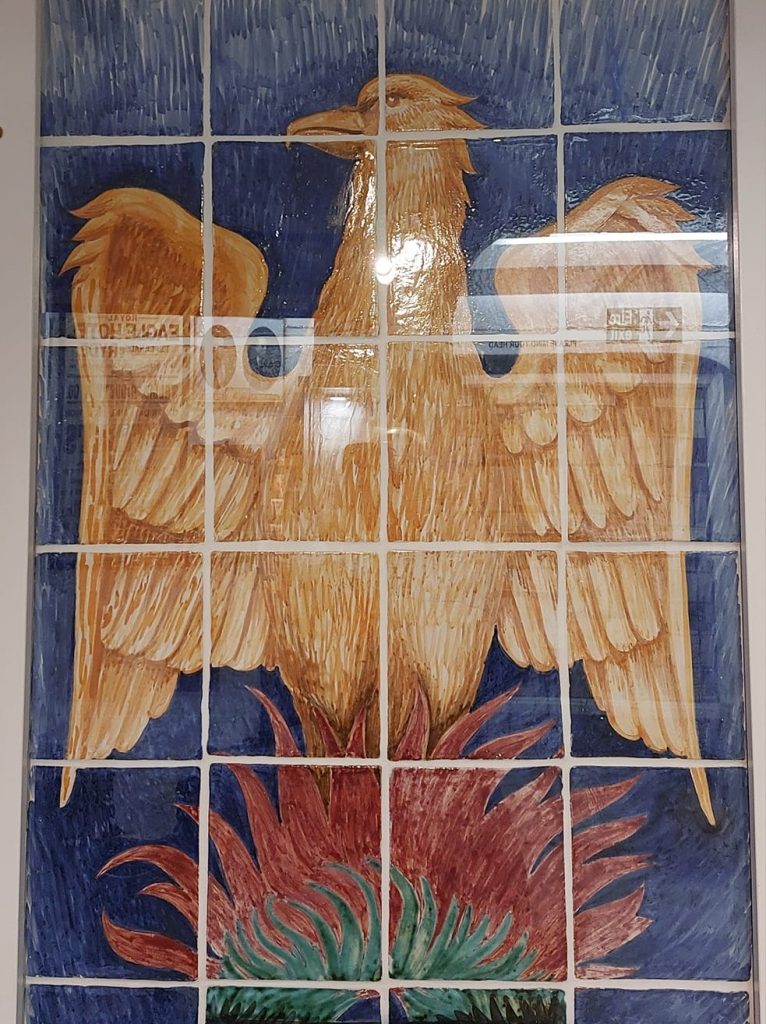
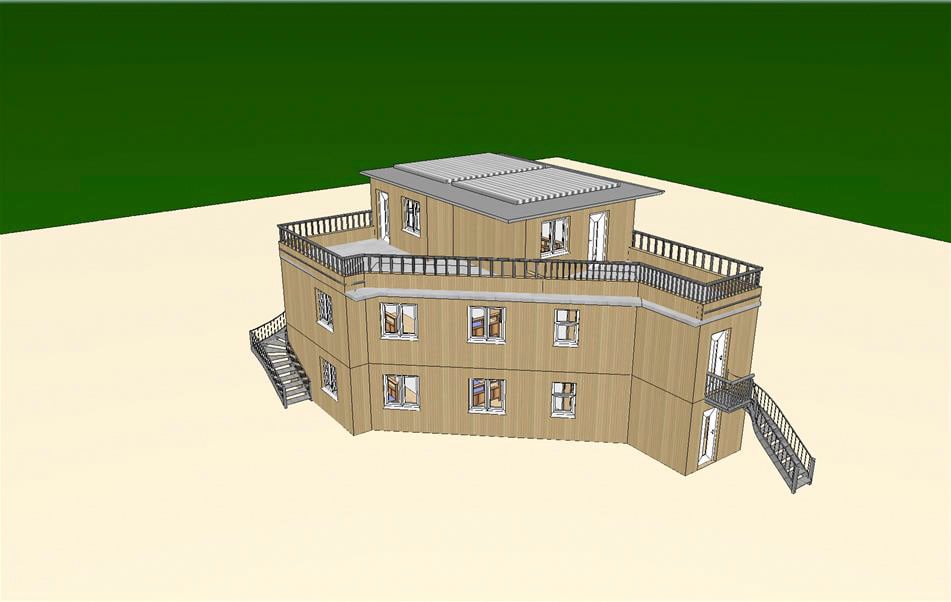
The next transformation came on 14th September 1970, when the site became Swanmore Middle School under the Isle of Wight’s three-tier education system. The conversion involved major redevelopment, including the creation of 3 intersecting octagonal buildings designed for arts, crafts, drama and music. From this point on, Swanmore educated pupils aged roughly 9-13, occupying the vital space between junior and high school.
Swanmore drew pupils from across Ryde and the surrounding neighbourhoods and quickly became part of everyday family life. For many, being at Swanmore marked a first taste of independence: moving between classrooms, juggling different teachers, and navigating a larger, busier school.
In its later years, Swanmore educated just over 250 pupils. It was large enough to feel busy and varied, yet small enough for staff to know pupils individually. Assemblies, sports days and productions were shared experiences, and year groups often developed a closeness that former pupils still recall decades later.
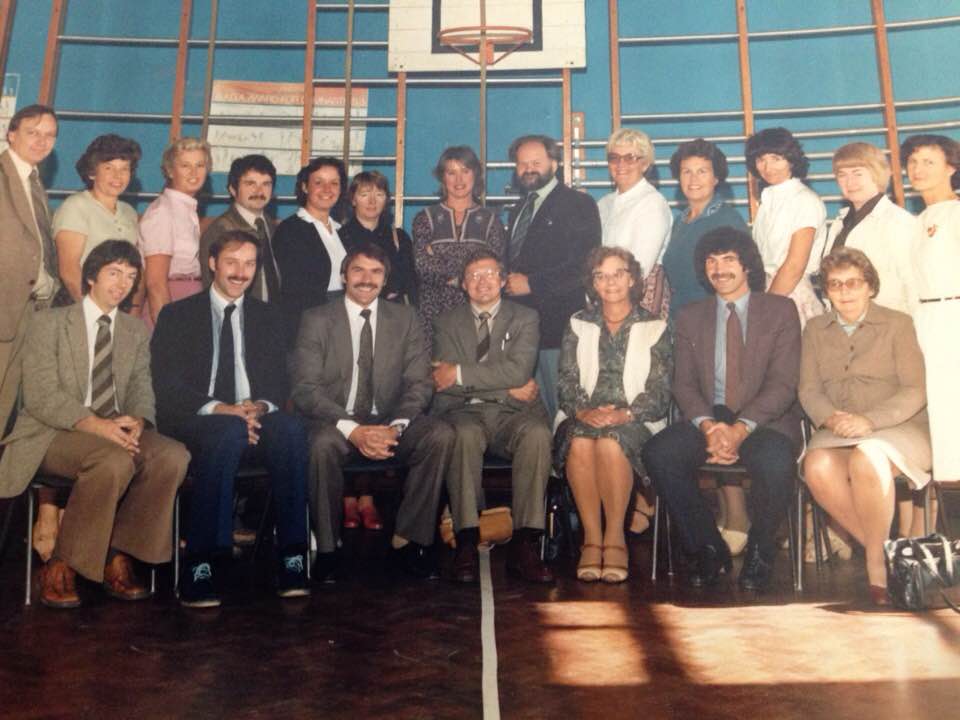
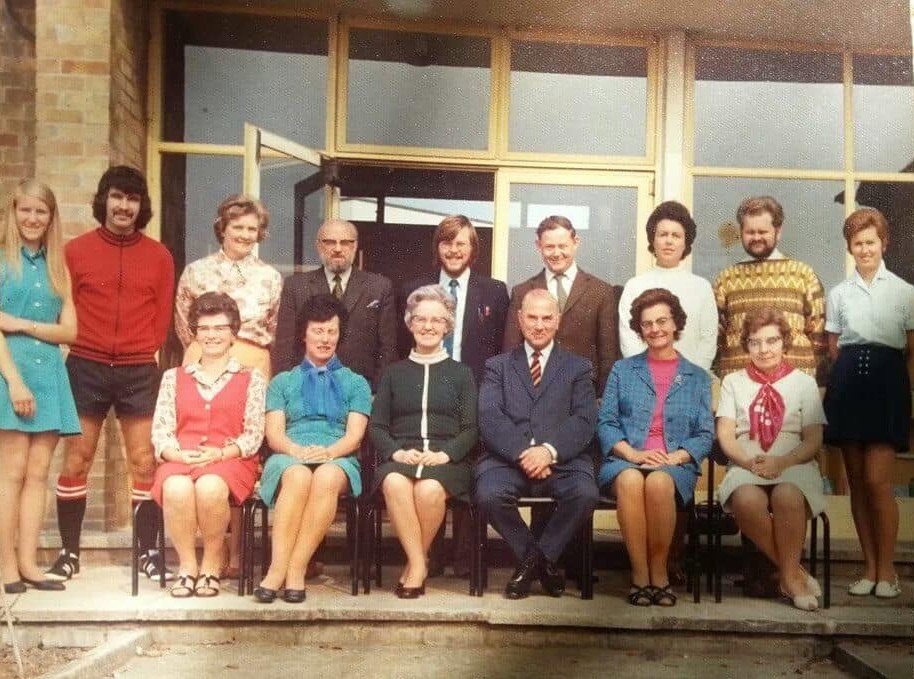
Teachers dominate memories of Swanmore, remembered with a mixture of affection, fear and respect.
“Everyone was scared of Mr Dalton, but my best academic results came in his year because I knew I had to knuckle down or expect the board rubber.”
Leadership also left a lasting impression.
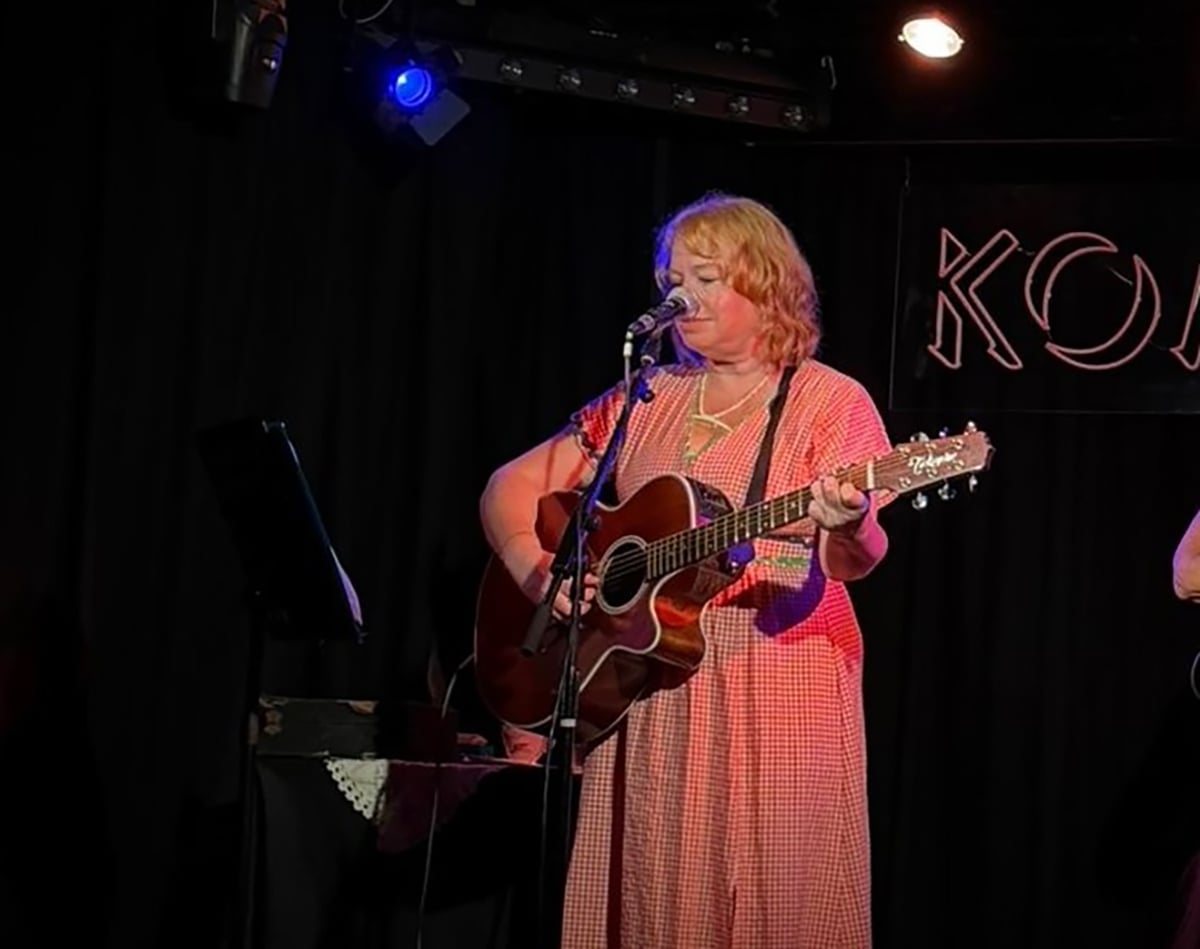
“Mr Fessey was an amazing headteacher. So many memories: him playing his 12-string guitar, chairing Mastermind at lunchtime, and every New Year telling us about his Christmas swim in the sea.”
Sport played an important role in school life, with encouragement sometimes extending well beyond the classroom.
“Mr Watkins was the best PE teacher by far. He really encouraged me in sport, got me into running for the Island, and taught me how to push myself in life.”
Daily routines are recalled just as vividly. Former pupils remember warm bottles of milk left on classroom windowsills, sports days held in the field opposite the school, and leaving discos that marked the move on to Ryde High School.
Trips away from the Island widened horizons further. Swanmore pupils travelled to Dinard in France, staying at the memorably named Hotel Les Plots Bleus, fondly remembered as “the hotel full of ants”. Other destinations included Germany, Llanbrynmair in Wales and the Isle of Arran in Scotland, experiences many former pupils still describe as formative.
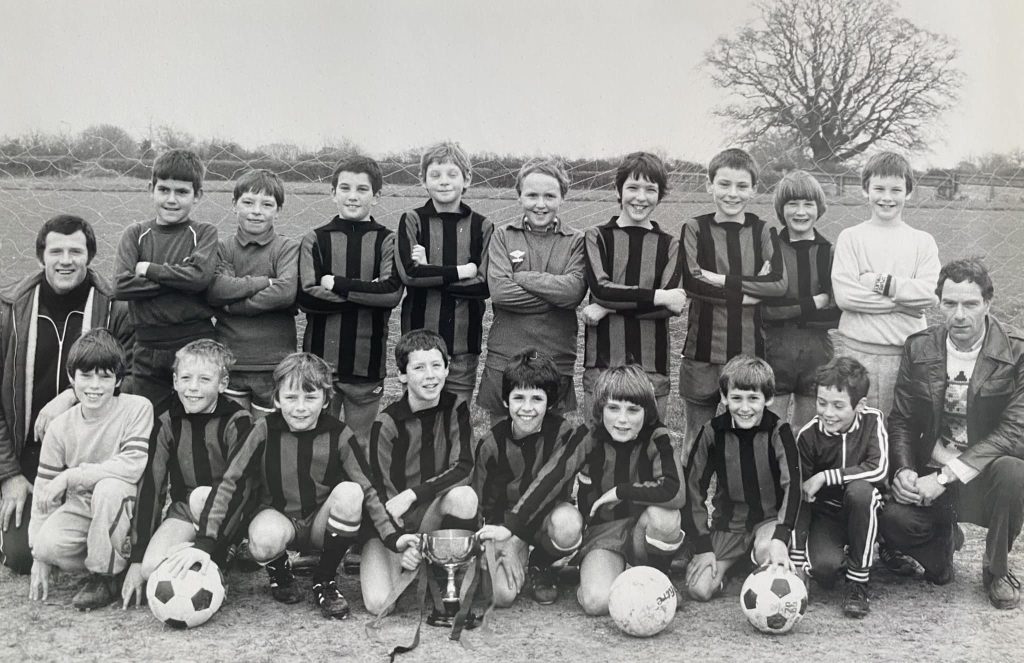
Like many schools, Swanmore developed its own folklore. One former pupil from the late 1970s and early 1980s recalled the temporary mobile classrooms of that era and a story told by a teacher about what lay beneath them, a tale that became part of playground mythology whether believed or not.
For some, Swanmore meant more than lessons and routines.
“This place was an oasis for me, full of precious, happy memories of kindness and learning.”
The end came not through any failing of the school itself, but through county-wide change. When the Isle of Wight decided to abandon the three-tier system, all middle schools were scheduled to close. Swanmore’s final term in 2011 was shared with its counterparts across the Island, and on 21st July 2011 the doors closed to pupils for the last time.
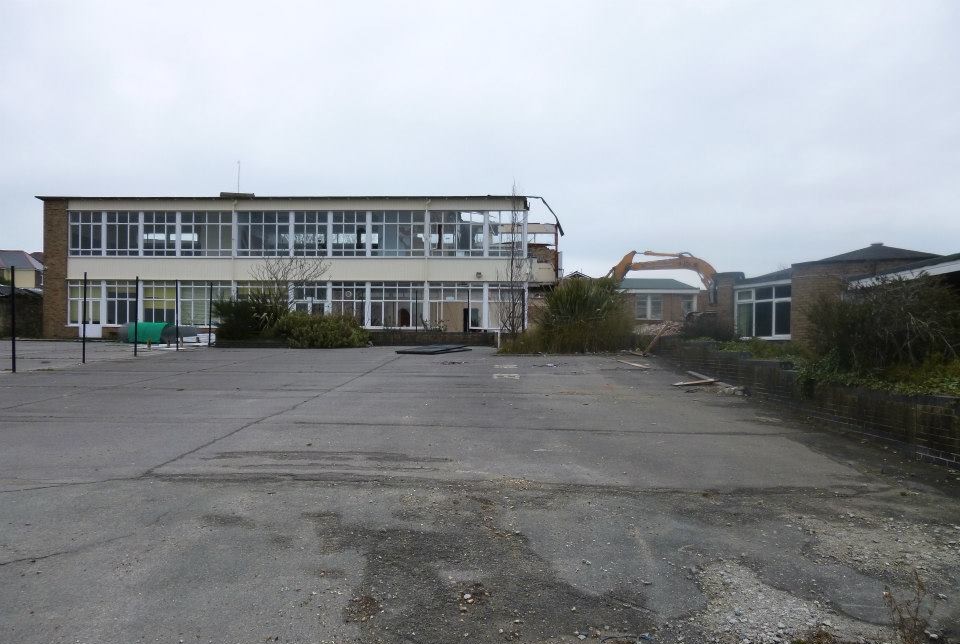
After closure, the site remained tied to education. A new primary school was later built on the former playing fields opposite the school, ensuring that children continued to learn on land that had served the town for well over a century. Once again, the phoenix symbolism proved fitting.
Did you attend Swanmore Middle School? Which teachers, trips or traditions stay with you, and what moments still define your memories of life at Swanmore?







Interestingly they played in ruins where their school mates had died.
Imagine now…
Good point, nowdays they would claim to have ADHD
and expect to receive benefits.
Would never have happened in the old days,
just get on with it.
Nope…
My dad attended the school when it was bombed, the school was empty, my dad and my uncle were in bed when it happened.
They lived near by and their bedroom window got blown in and they could see the school ablaze
My partner has memories in the era around 1960 to 1964 when it was a junior school. Playing rounders in the school grounds under a fir tree that edged Ashey road, the playground doubled up as the netball court, one teacher for all the subjects so we stayed in the same classroom and there were two grades of education. Walking to school and back and for lunchtime as well, therefore four trips a day walking from and to Broadway crescent. headmaster Mr Haigh who’s Daughter was in her class. teachers Mr Branson and Miss Cook, Mrs Drinkwater, Mr Plumbley, Mr Card. The sports day was in the sports field where the present school is.
Remember all of those teachers at Swanmore. I was there from 1963 to 1967.
Adding a bit more, she remembers that on wet days when netball and football was not possible, it was country dancing in the hall with reluctant boys encouraged to dance by the promise of it improving their footballing skills. Heaven forbid holding hands with the girls, innocent times eh?
Another great story