



























































 Public health experts are reminding visitors of what they can do to reduce the risk from gastro-intestinal infections such as Salmonella, Cryptosporidium and E.coli ahead of Open Farm Sunday on 11th June.
Certain illnesses can be passed from farm animals to humans. Public health experts at the UK Health Security Agency (UKHSA) South East would like families on the Isle of Wight to take some simple steps so they can safely enjoy visits to farms and petting zoos.
There have already been some outbreaks up and down the country, as well as in the South East, and so UKSHA are urging anyone planning a trip to the farm, to remember the importance of thoroughly and frequently washing hands to avoid getting bugs which can make you seriously ill. They have also warned that once infected, it is possible to pass bugs on to other people.


Charlotte Flynn, health protection consultant with UKHSA South East, said:
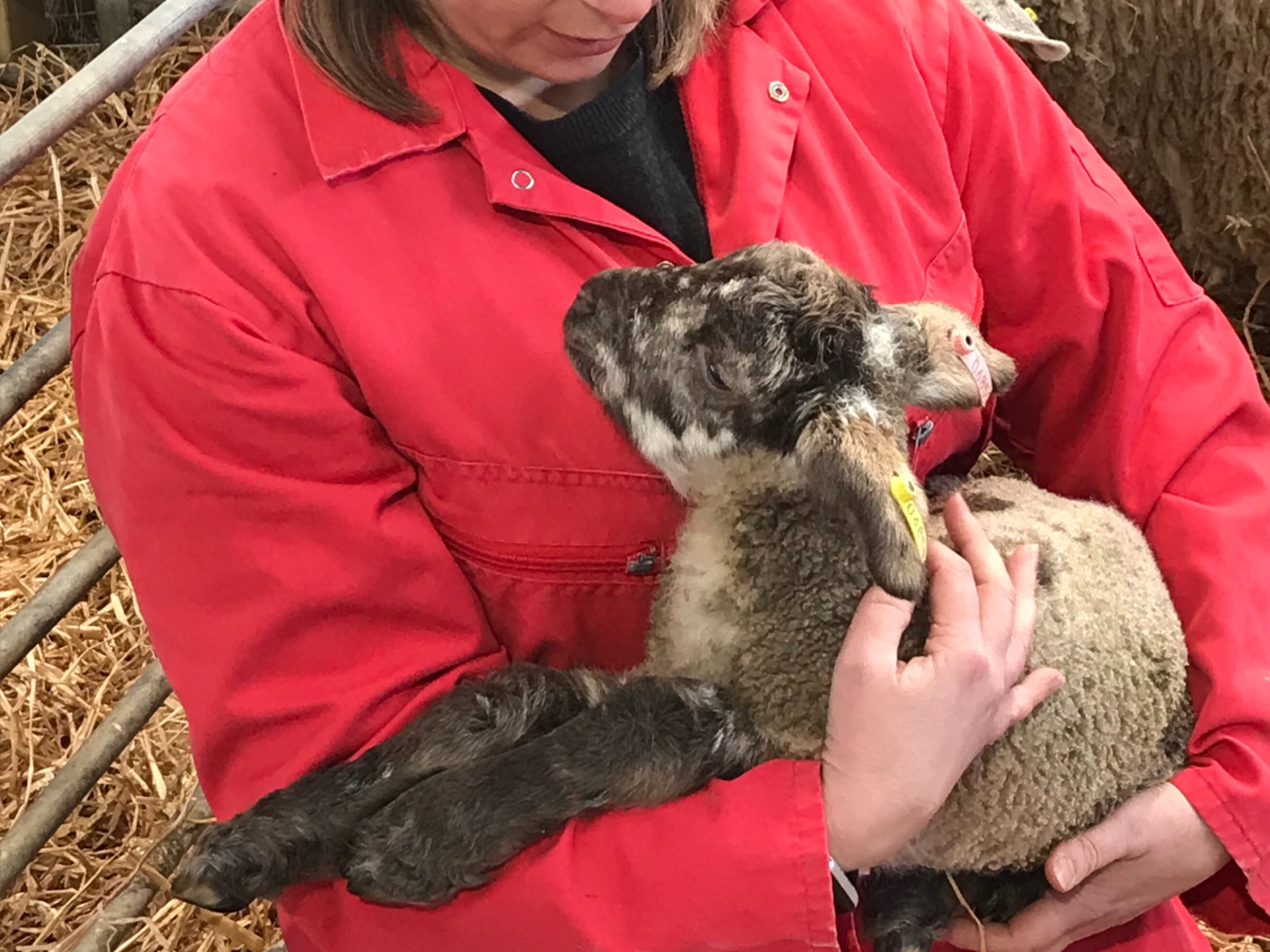
“Visiting a farm is a really fun day out which is an enjoyable and educational experience for many people, particularly children. However, it’s important to remember that farm animals can be the source of several bugs that can be passed from animals to humans and cause illness. Some can be particularly serious for children or pregnant women.
“Infections can be picked up from the animal’s body, its poo or from areas where animals have recently been. If the germs are on your hands, you could accidentally pass them to your mouth. You can’t see the germs, so your hands may appear clean.
“Washing your hands thoroughly with soap and warm water immediately after you have had contact with animals and before eating any food will reduce the risk of infection. Do not use gels or wipes instead of soap and water – gels and wipes do not remove bugs in dirt. Farms provide hand washing facilities, so we encourage people to make use of these to ensure the only thing you take away from your visit is happy memories.”
Annabel Shackleton, LEAF Open Farm Sunday Manager, has said:

“We want people to continue to enjoy visiting farms and agricultural events safely. This means making time after touching animals, pens or fencing, to wash your hands thoroughly with liquid soap, running water and drying them with disposable towels.
“Adults should always supervise children to ensure that they wash their hands properly and grow up learning that clean hands are essential before eating! Anti bac hand gel is not a replacement for washing hands, especially not when spending time around animals. If a dummy drops on the ground it will need sterilising, and boots, shoes and pushchairs need to be washed down too when leaving a farm.
“Remember these simple things to ensure your farm visit is both enjoyable and safe.”
HSE Inspector (Agriculture Sector) Wayne Owen, says:
“Farms that allow members of the public to visit as part of farm open days must control both health and safety risks and make sure that visitors are safe. Any farm that plans to allow members of the public to visit as part of farm open days should read the Industry Code of Practice and ensure that it is followed.”
Open Farm Sunday (11th June) will see many farms open their gates to the public which might not normally do so. For further details, including which farms are open, visit: Homepage – Open Farm Sunday









So advertising of farm open day is good,then put a downer on it saying health risks. Sure there health risks everywhere especially in play parks and amusement arcade ,no one uses hand gel or washing hands any more!.
Just needs a bit of common sense, wash your hands after petting farm animals etc.
But, these days unfortunately, everything seems to come with a health warning.
“Experts warn of health risks” how to completely put people off attending.
The message is that a squirt of hand sanitiser is not a substitute for washing your hands. A squirt of hand sanitiser will not kill Cryptosporidium or Giardia.