






































































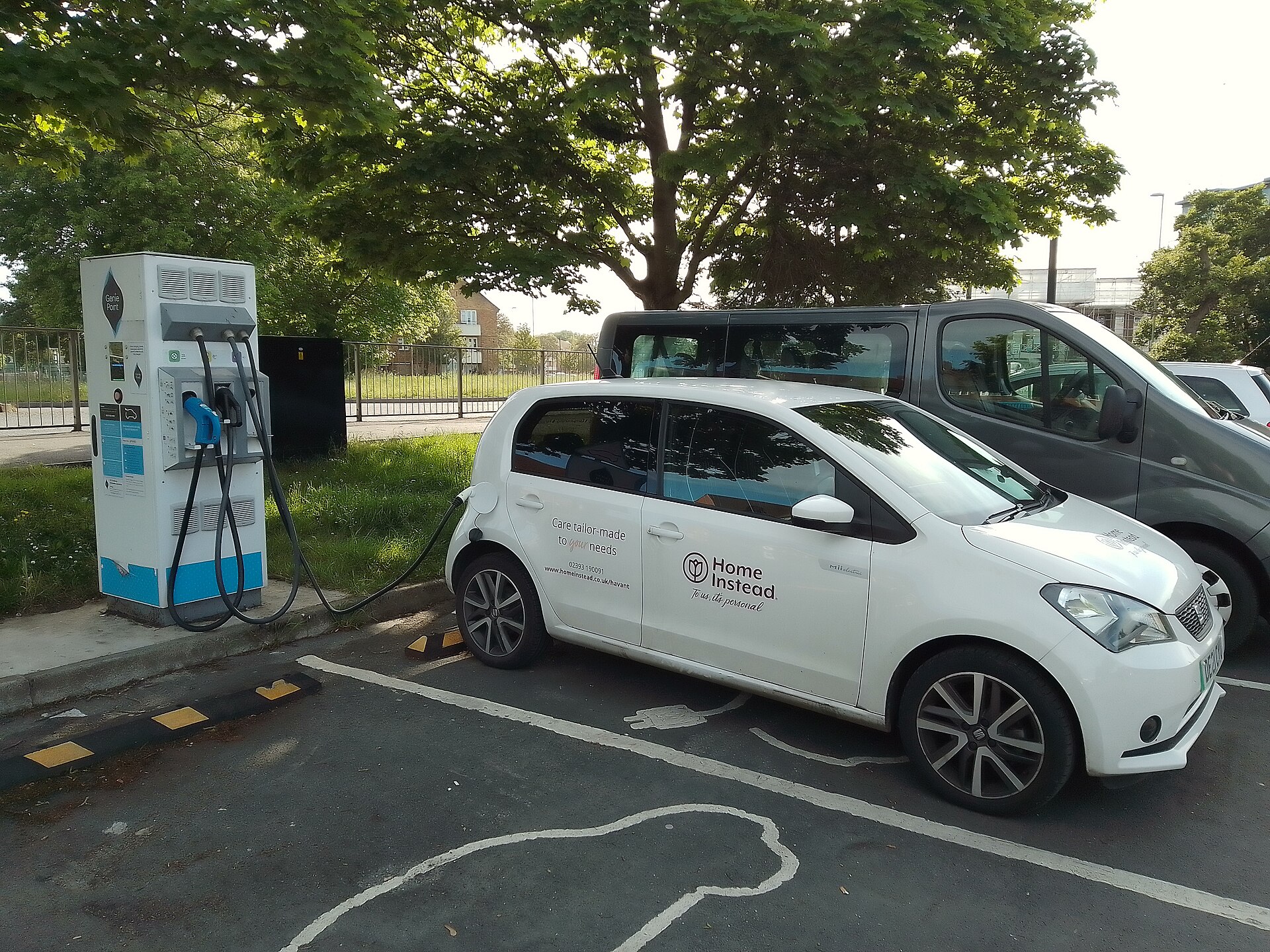

An electric car can look ideal on paper and still be awkward to live with if charging does not suit where you park. For drivers on the Isle of Wight, the planned expansion of public charging makes that question especially relevant. The most useful way to choose is to start with the journeys you make, work out where the car will charge, and only then compare range, space and cost.
Start with the journeys you actually make
Before looking at a vehicle’s maximum range, think through a normal week. A regular commute, school runs, shopping and visits around the Island may place different demands on a car from an occasional trip to the mainland. Write down how often you drive, where the car sits between journeys and which trips would be difficult to interrupt for a charge. That gives you a more useful starting point than choosing the largest battery you can afford.
Allow some flexibility, too. A week with extra passengers, several stops or an unplanned journey should not turn every drive into a calculation. Equally, a rare long trip need not dictate every aspect of a car used mainly for shorter journeys. Consider how you would manage that trip: whether you would leave with a full battery, where you could stop if needed and how much time a charging stop would add. The right range is one that covers your usual driving comfortably and gives you a workable plan for the journeys that fall outside it.


Charging access can matter more than the headline range
For someone with suitable off-street parking, charging may fit naturally into time spent at home. Someone who parks on the street or lives in a flat has a different question to answer: where can the car be charged reliably during an ordinary week? What counts as the best electric car for you depends as much on that routine as it does on the vehicle’s specification. MG Motor UK is one of the manufacturers offering electric models to consider, but no model removes the need for a practical charging plan.
The local picture is developing. In March 2026, Isle of Wight Council announced that it had awarded char.gy a contract to deliver more than 1,500 public chargepoints across the Island through the Local Electric Vehicle Infrastructure (LEVI) project. Improving access for residents without off-street parking is a particular aim. This is a rollout, rather than a reason to assume a convenient charger is already available near a particular home.
Check the locations you could use now, not just those planned for the future. A charger needs to be close enough to fit your routine, accessible when you need it and suitable for the time you can leave the car there. If public charging would be your main option, look at alternatives as well: relying on a single point is less comfortable if it is occupied or out of service. These checks can narrow your choice of car more effectively than a few extra miles of quoted range.
Treat range and charging figures as comparison tools
Published electric-car range is useful for comparing models, but it is not a promise for every journey. WLTP figures come from standardised testing; the distance you achieve can change with weather, driving style, vehicle load and accessories. A car used on cold days with a full complement of passengers may not match the figure shown beside it online. When comparing vehicles, look at the conditions attached to each number and leave a sensible reserve in your own plans.
The MG4 EV Urban shows why the detail matters. Check the published WLTP range for the exact version you are considering; cold-weather use can affect the distance you achieve. The useful question is whether the car’s range gives you enough margin for your regular journeys between realistic charging opportunities, rather than whether its published maximum is the highest you can find.

Charging times also need context. A quoted time to charge from 10% to 80% at an ultra-fast charger depends on the particular car and charger; it is not the time to expect from every public point or a charger at home. Battery temperature, the existing charge level, the charger used and other conditions can affect the result. Compare the speed of the charging you would actually use most often, then consider rapid charging separately for occasional longer journeys.
Check the cabin and boot against everyday demands
Range and charging can dominate an electric-car search, but the car still has to do the ordinary jobs you expect of it. Think about who regularly travels with you, whether rear passengers need comfortable room and what goes in the boot on a busy day. Shopping, sports equipment, a pushchair or luggage for a trip away can reveal more about suitability than a photograph of an empty cabin. If you carry bulky items, check the shape of the load area as well as its quoted volume.
For the MG4 EV Urban, a capacity figure alone will not tell you whether your own belongings fit easily. When viewing a car, try the rear seats, inspect the boot opening and consider how the space works with the passengers you usually carry. A test drive can also show whether visibility, seating position and parking feel right on the roads you use. These practical checks give size and equipment figures a purpose.
Use a practical checklist before choosing
Once you have a few cars in mind, bring the decision back to your own routine. A short set of checks can make a showroom visit or test drive more productive:
- Map your journeys: Include a typical week and an occasional longer trip, then decide what range reserve would feel comfortable.
- Identify your regular charging option: Check where you can park, when charging is available and what you would do if your preferred public point could not be used.
- Compare relevant charging times: Look beyond the fastest advertised figure to the type of charger you are most likely to use.
- Test the space: Bring the people or everyday items that will regularly travel in the car, if practical.
- Review the whole deal: Confirm the chosen version’s equipment, current offer and expected costs with the dealer before deciding.
It helps to make these checks in that order. A car with an impressive range is a poor fit if regular charging would be inconvenient; a convenient charging routine is less persuasive if the cabin cannot accommodate your household. The Island’s planned chargepoint rollout may give more residents options over time, but a purchase decision has to work with the access available to you. Choose a car whose numbers make sense for your journeys, then use a test drive and a close look at the vehicle to see whether it works in everyday life.