



































































Autism Spectrum Disorder (ASD) is a common neurological disorder that affects the development of numerous children worldwide. It’s a serious, lifelong condition that affects how patients communicate, react and interact with others. ASD affects the way children learn new information, and this disorder can have an impact on them throughout adulthood as well. Medical specialists are tirelessly looking for ways to ease their burden, but most kids still develop high levels of anxiety with this condition. Anxiety can make autistic children’s lives harder and people need to learn how to help them cope with it. Read on to understand 6 useful ways to reduce anxiety levels in children and teens with ASD.
In times of heightened stress, reaching out to anxiety hotlines can provide immediate support and guidance tailored to the unique needs of children with ASD.
1. Never Reinforce Their Fears
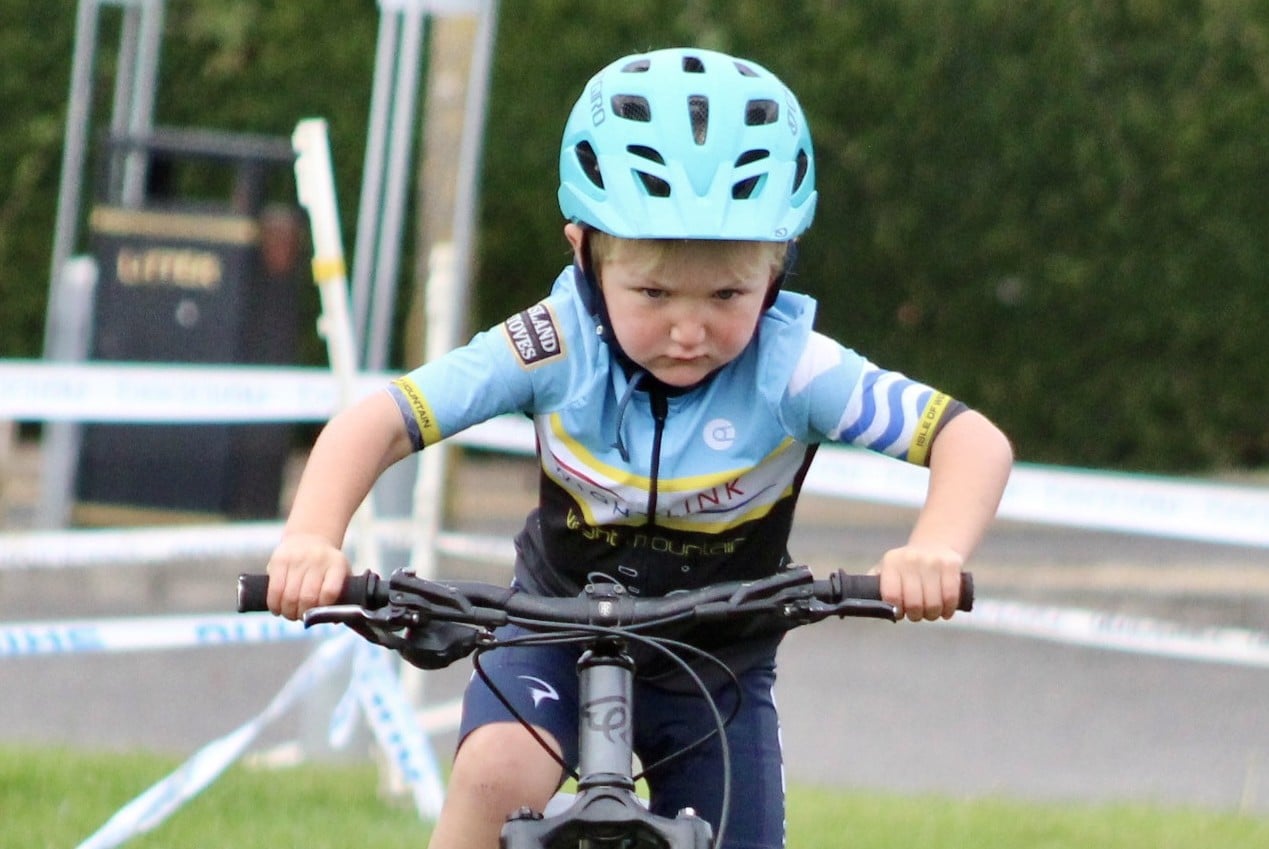
One of the most important steps to protect children with ASD is to avoid reinforcing their fears as much as you can. Parents can accidentally pass their own anxieties on to their children and that can make matters worse. They can pick up on your mannerisms, tone of voice, body language, and the overall energy around you. It will inadvertently let them absorb your anxiousness and stress, even though you don’t directly show it. The key is to never send any messages to your child that they must worry or fear something, even if they have had bad experiences. Let them have experiences and explore things themselves with your supervision, but don’t catastrophize or hold them back at every step because of your own fears. For example, if they fell off their bike once, don’t remind them they may fall again. It’s normal for children to fall, but it’s your job to help them back up and assure them that it’s okay.


2. Invest in Products That Relieve Anxiety
Technology and medical research help manufacturers and developers create useful products that can relieve anxiety and stress levels. Consider getting some of these items for your child to calm them down and make them feel safe. Sun lamps can improve their mood, aromatherapy oil diffusers can calm their nerves, and using sensory weighted blankets can help ease sleeping difficulties. These are prime examples of anxiety-relieving products that can help children with ASD. Every product is designed with materials and mechanisms that instill a sense of relaxation and calmness. Consider asking your child’s doctor for advice on more products that can ease their worries and calm them down. Some doctors will recommend looking into natural remedies, such as things like terpenes that help to calm you down. This type of product is good as it doesn’t have any psychoactive effects, which is what makes them different from THC products. Using the products yourself will reduce your stress as well, minimizing any chances of passing your fears on to your little one
3. Discuss Their Fears With Them
Communication is crucial and parents or siblings must talk about each other’s fears and stresses. When you emphasize with your kids and let them know that you understand their struggles, they will feel safe and develop empathy over time. It can be quite difficult for autistic children to be empathetic or communicate openly, but working with them and hearing them out will make it easier. Consider sharing your struggles and focus more on appreciating their fears during the conversation. Empathy is strong and it will ease the stress, making them feel supported and not alone. Kids and teens with this condition will see a lot of doctors and therapists throughout their lives, but feeling safe and comfortable with a loved one is much more impactful.

4. Provide Constant Encouragement
Positive reinforcement and encouragement will help them tolerate anxiety over time. Show them that you genuinely appreciate their efforts to face their stress, will help them to overcome it gradually. Even if their progress is slow, encouragement will strengthen their efforts significantly. It’s fine to help them, but letting them find their own way to cope is better. Your job is to support, guide, and encourage them, but this is their journey, and they must figure out what makes them comfortable. Once you see the steps and activities that help them reduce the anxiety, focus on participating with them, and encourage them to carry on. The key is to give them room to engage in life, letting the anxiety take its course naturally. Suppressing it will only make it worse because the best way is to make them feel that it’s normal to be anxious and it’s what makes them human. Encouragement and participating with them will allow them to get over their fears.
5. Minimize the Anticipation Period
The anticipation is sometimes harder than the fear itself and minimizing that period will help them cope over time. The hardest phase is when they know something scary will happen, or they’re about to do something that scares them. The anticipation they feel will hinder their progress and parents must minimize that phase as much as they can. For example, if they are afraid of going to the therapist or visiting distant family members, then don’t mention it to them a few hours before it. The feeling of anticipation will increase their stress, and they may lash out. Prevent that from happening by eliminating the anticipation period and not discussing their fears with them too early on.

6. Follow the 80-20 Rule
The 80-20 rule is when you allow them to do 80% of something they like doing before doing 20% of something they dislike doing. The 20% should be challenging activities, things that they’re nervous about, or tasks that they avoid. Let them do the happy, easy, and comfortable 80% beforehand to build confidence. Supporting and encouraging them during the 80-20 phases will increase their comfort, calmness, and confidence levels. The self-assurance they develop will aid them in facing their fears and rising above it.
Even though anxiety is a natural and normal part of our lives, it’s 100 times harder on children suffering from ASD. The mental effects and reactions are beyond their control, but easing their symptoms and fears will reduce the negative outcomes and help them deal with their feelings. Extensive research, following up with a doctor, and exercising patience can help them live full and happy lives. As a parent, sibling, guardian, or friend, educating yourself is key to learn how to help autistic kids or teens. Support them, give them hope, and be there for them to help calm their nerves. Anxiety can be extremely overwhelming for autistic patients of all ages, but treatment and emotional support will help them lead normal lives.