
















































 Nearly £100,000 in new funding has been awarded by the Architectural Heritage Fund towards the restoration of 3 of Ryde’s historic buildings.
It includes £68,500 to continue the transformation of the former Elizabeth Packs department store into a new cultural venue and forms part of work by the Architectural Heritage Fund and Historic England to revive high streets by developing new uses for historic buildings
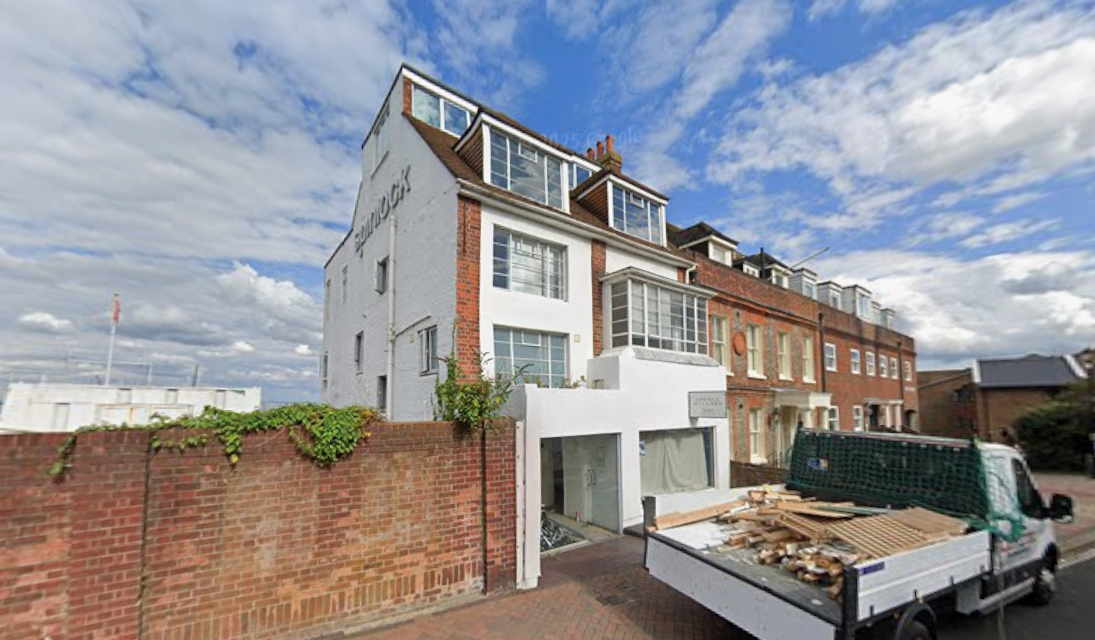
The grant been awarded to Ryde arts organisation Shademakers CIC, one of Europe’s leading carnival groups, so that it can develop detailed plans for the former Elizabeth Packs store on Cross Street, which lies within Historic England’s High Street Heritage Action Zone (HSHAZ).


The 19th-century listed building became a department store in 1970 before its closure 5 years ago. Keen to support the building’s renaissance as a community-led venture, Shademakers has negotiated with the landlord to reopen it as creative and cultural space, ‘Department’.
Initial investment from Shademakers led to a feasibility study by award-winning London architects, TurnerWorks, while Historic England supported preliminary works with a £33,000 grant. Department now runs arts events and activities, with further plans to create new working and performance spaces for creative businesses, as well as a shop, cafe and permanent homes for Shademakers and Ryde Arts.
The Architectural Heritage Fund’s Project Development Grant will allow Shademakers to develop a detailed business plan, costed designs and employ a project manager for this next stage of its transformation.
Sharon George from Shademakers CIC said:
“It’s fantastic to see Department open today thanks to funding from Historic England while this new grant from the Architectural Heritage Fund will allow us to progress the next stage of our plans.
Article continues below this advertisement “We’re working hard to provide more space for creative businesses and opportunities for young people by restoring this building at the heart of Ryde back to business and community use.”

The Architectural Heritage Fund (AHF) has also awarded Project Viability Grants worth nearly £30,000 to Ryde Town Council for Vectis Hall and St Thomas’s Chapel, which have fallen into disrepair but could now be repurposed as new community hubs and a base for Ryde youth service, Network Ryde.

An earlier grant to Aspire Ryde for Trinity Buildings means the Architectural Heritage Fund has invested in 4 of the town’s most important listed buildings.
This builds on significant investment in Ryde as part of the 4-year High Street Heritage Action Zone, worth £1.4million.
In recent months, HSHAZ funding from Historic England totalling £181,000 has been spent on helping Ryde’s heritage and laying the groundwork for substantial work to come. Grants include:
- St Thomas’s Church – £30,000 grant to Ryde Town Council to support transformation into a new home for their Network Ryde award-winning Youth Service.
- Town Hall and Theatre – £40,000 Options Appraisal to develop evidence to inform future use of this key building
- Pedestrianisation improvements in the town centre – £13,000
- Trinity Buildings (Aspire Ryde) Preparing plans to improve paving, benches and street furniture in the high street – £40,000
And Government Culture Recovery Fund grants have been awarded to:
- St Mary’s Roman Catholic Church – £25,000
- Historic Ryde Society – £10,000
Last Thursday (8th July), Historic England’s chief executive Duncan Wilson and Architectural Heritage Fund’s programme manager Gavin Richards visited Ryde to celebrate the completion of the first phase of Department and tour Ryde’s High Street Heritage Action Zone to see the progress being made.
Matthew Mckeague, chief executive of the Architectural Heritage Fund, said:
“The restoration of historic buildings can play a transformative role in town centre regeneration programmes, with the approach taken at Department in Ryde demonstrating the important role of community ownership and imaginative schemes in revitalising high streets.
“We are now seeing a host of projects across the country that are building a network of sustainable organisations partnering with local government, social enterprises, charities and community businesses that will help renew communities and secure key spaces and services in town centres.”
Duncan Wilson, Historic England Chief Executive, said:
“I’m delighted to see the fantastic progress being made in Ryde, in what is only the first year of the High Street Heritage Action Zone. The creation of Department in a former shop will help an innovative Ryde business to grow, provide incubator space for new businesses and create space for community arts events – an exciting example of just what high street heritage can do with the right support.
“The next exhibit at Department will be taking a look at the high street and what it means – the Isle of Rydesgate ‘Twin Towns’ commission is drawing together artists and volunteers from Ryde and Ramsgate in Kent to create a ‘model high street’, exploring buildings that make each town unique and thinking about their futures.”












Bravo can only be good for our town.