











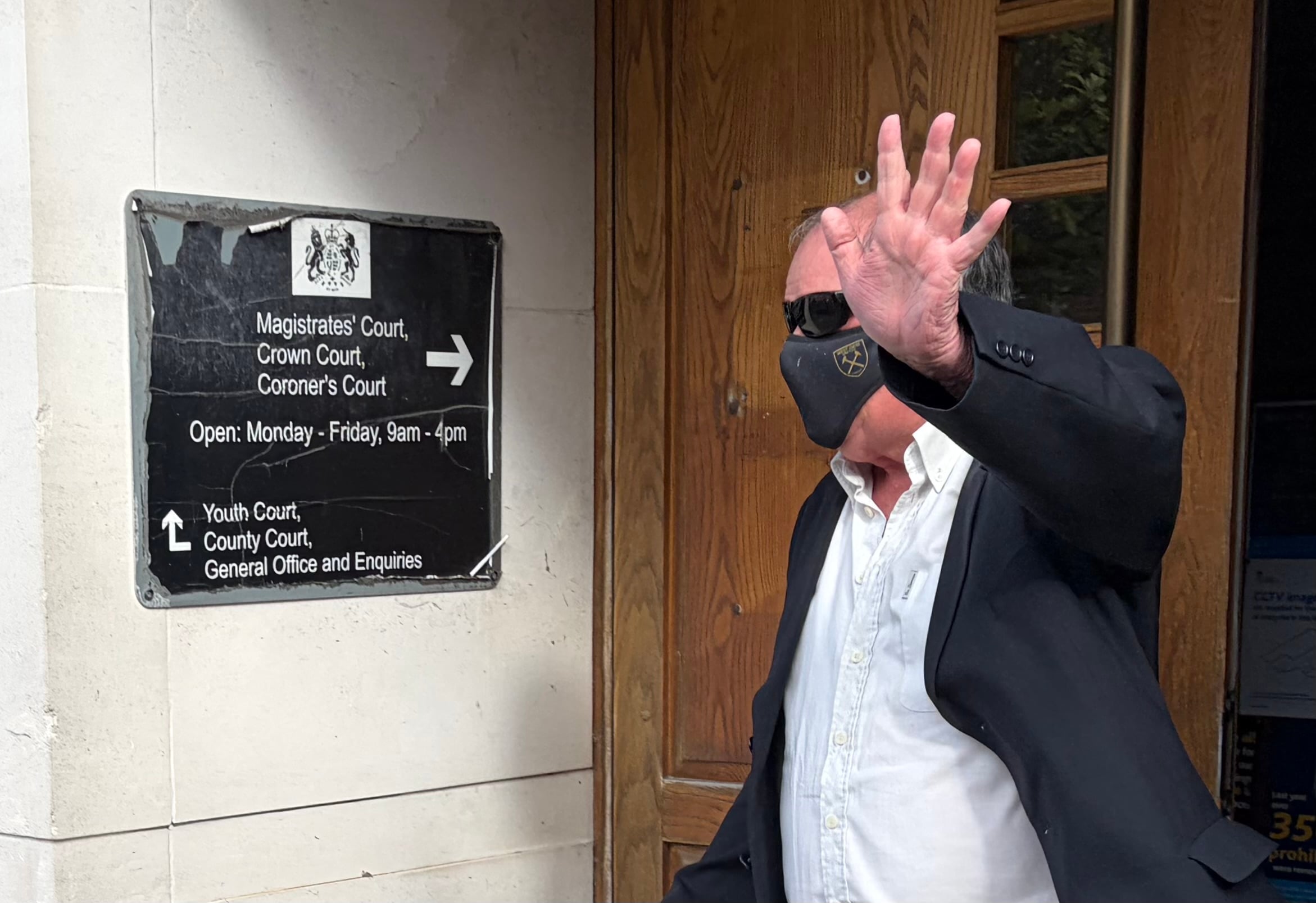

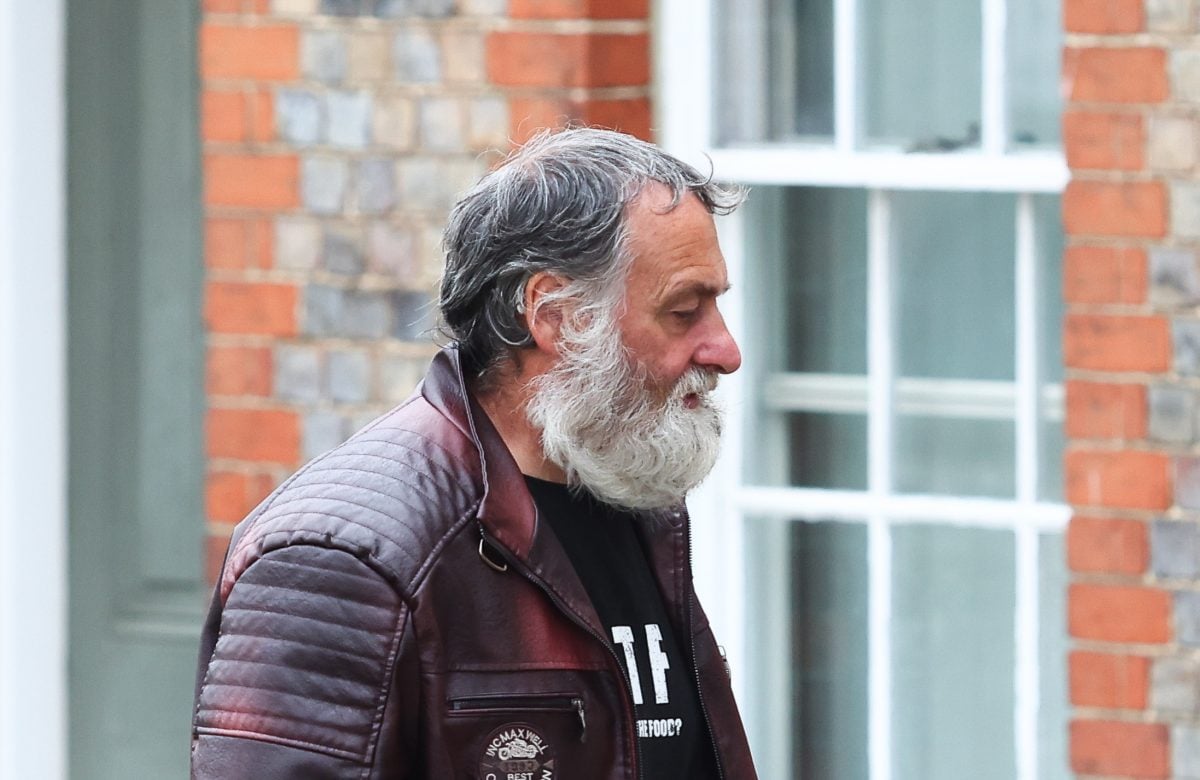
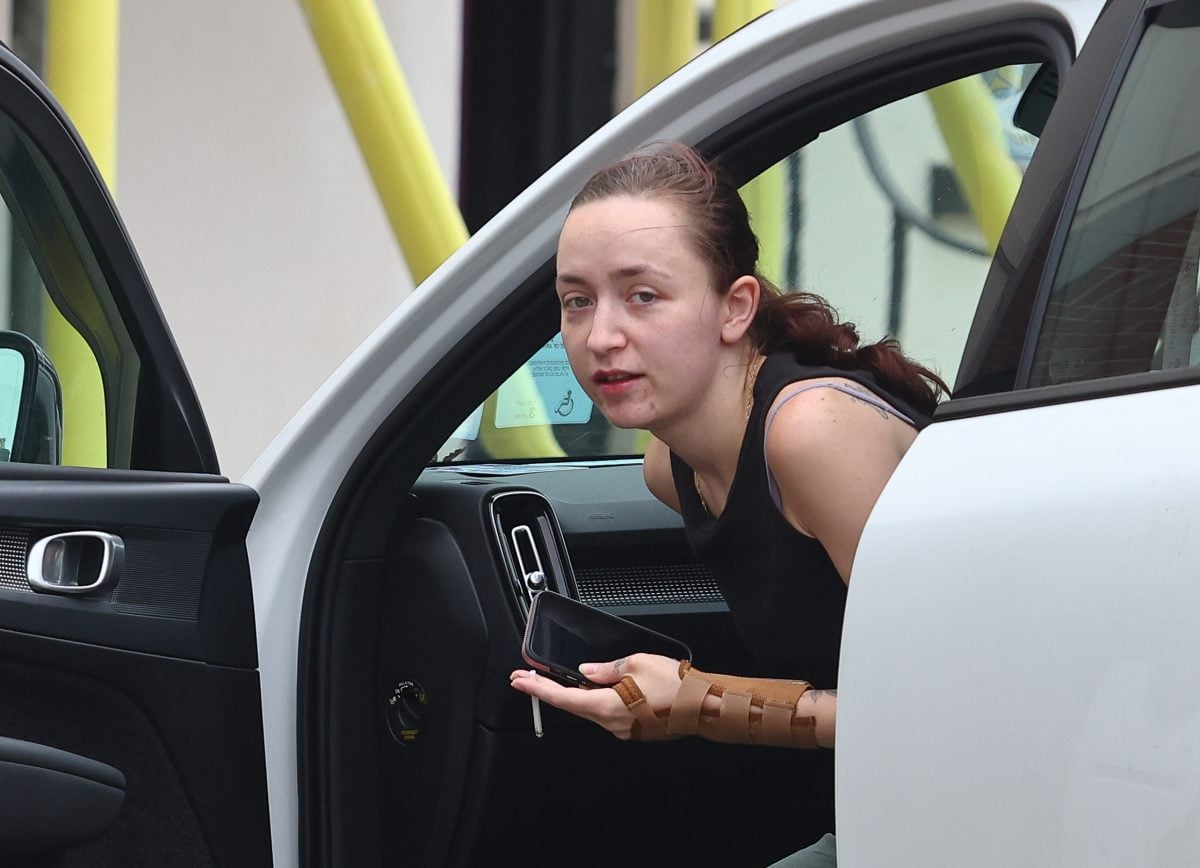

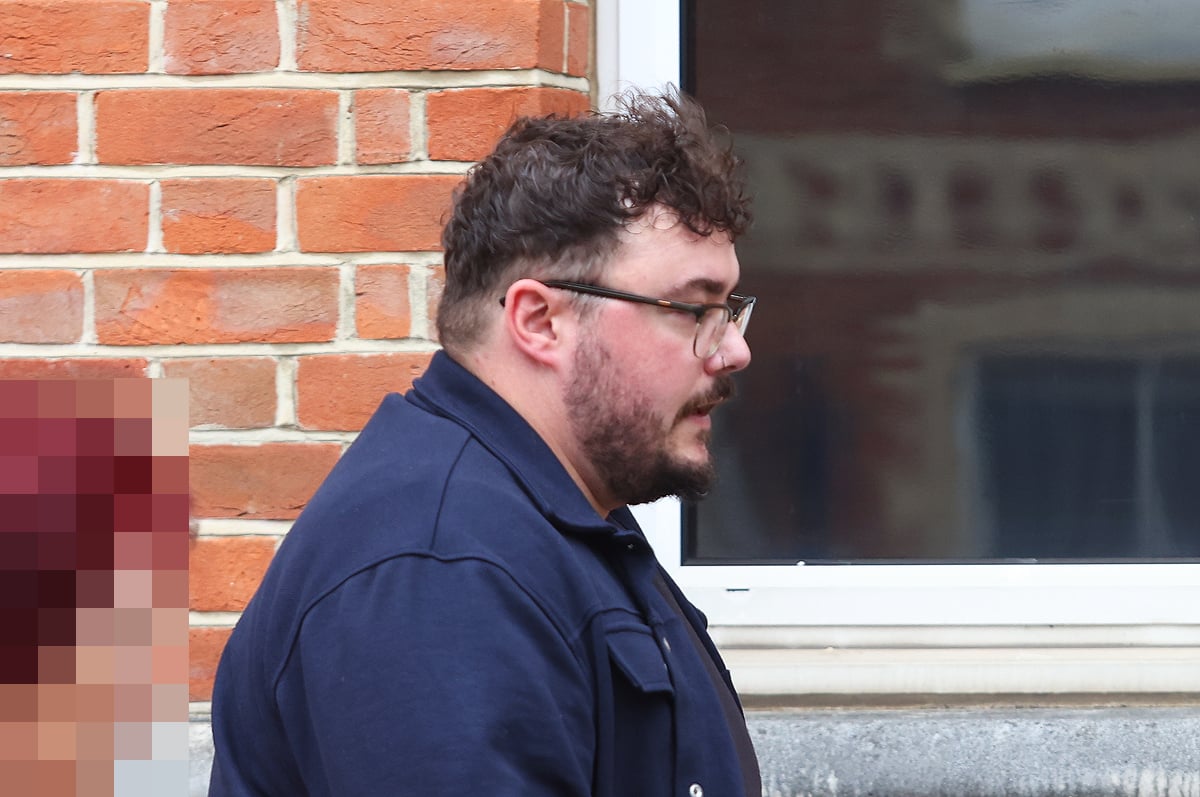




























 2 members of the ‘Freshwater Five’ – all of whom maintain their innocence of a £53million cocaine smuggling plot dating back to 2010 – will have their convictions considered by the Court of Appeal in London next week.
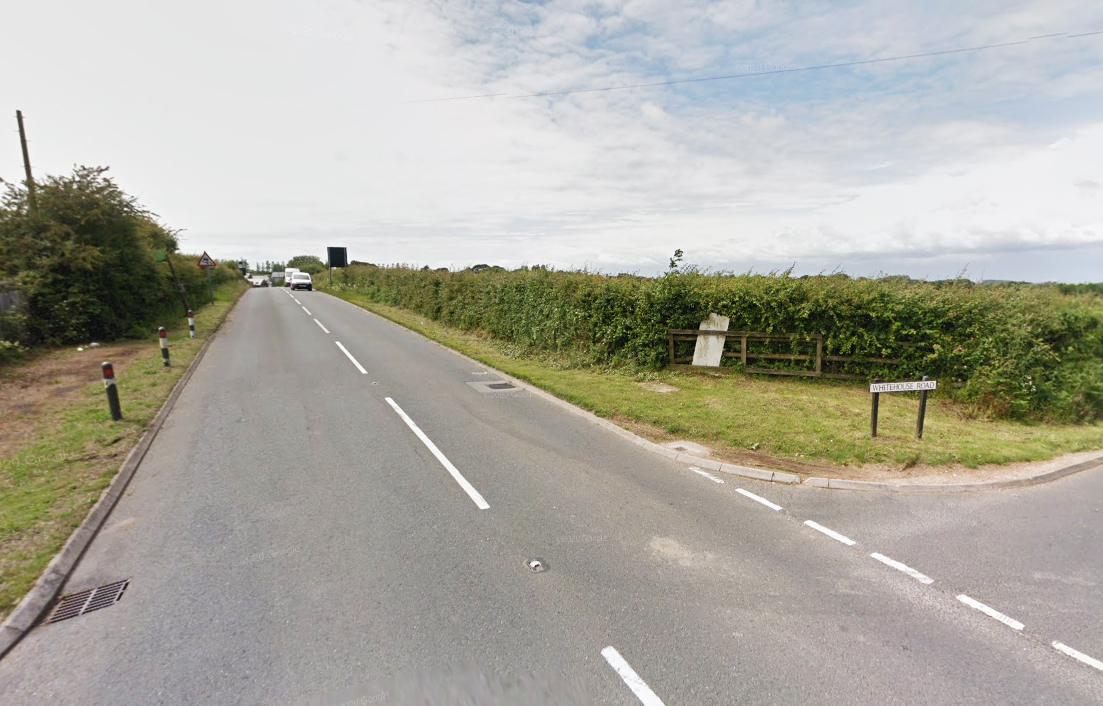
Lawyers acting for Jonathan Beere and Daniel Payne will present judges with fresh expert evidence they say disproves the prosecution’s case that they conspired to use a fishing boat to collect drugs from a container ship in the English Channel and later deposited them in Freshwater Bay, off the west coast of the Isle of Wight.
The 5 men were sentenced to a total of 104 years’ imprisonment at Kingston Crown Court in 2011 after being convicted by an 11-1 majority jury verdict.


Scaffolding business owner Jonathan Beere from Ryde, fishing boat skipper Jamie Green from Yarmouth and crewmember Zoran Dresic were each handed down 24 years’ imprisonment, while fishermen Daniel Payne and Scott Birtwistle received 18- and 14-year sentences respectively. Payne and Birtwistle have already been released from prison on licence.
It’s said that during the early hours of 30th May 2010 Jamie Green’s fishing boat, the Galwad-Y-Mor, manoeuvred in the wake of the MSC Oriane in order to collect 250kg of cocaine jettisoned from the containership, which had travelled to the English Channel from Brazil. However, no trace evidence of drugs has ever been found on the Oraine or the Galwad.
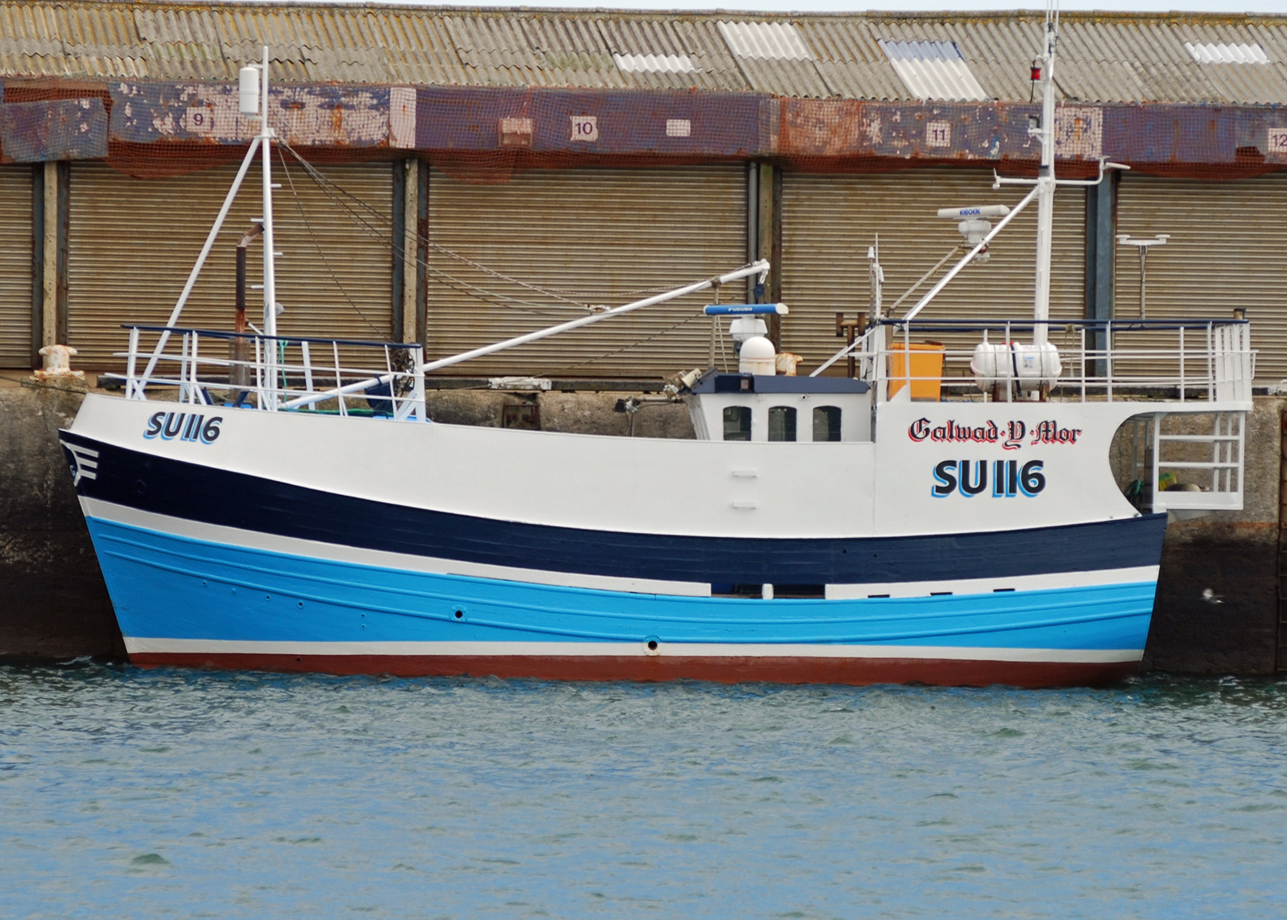
Now, new evidence, uncovered by law charity APPEAL, is being put forward and is based on radar data from a law enforcement vessel which the Crown failed to hand over at trial. In 2018, the Crown Prosecution Service disclosed for the first time radar data from the Border Agency vessel Vigilant. The data had been extracted from the Vigilant’s Electronic Chart Display and Information System, or ECDIS, by a prosecution expert in June 2010 and stored on floppy disks which then sat in a safe for the intervening years.
The failure to analyse or disclose the ECDIS is described as a major failing by Joel Bennathan QC and Annabel Timan in court submissions made as part of the appeal application on behalf of Beere and Payne.
This new radar data shows that the Galwad-Y-Mor never got sufficiently close to the path travelled by the MSC Oriane to permit the transfer of drugs and that another small vessel travelled to Freshwater Bay, where the drugs were recovered, shortly after the Galwad had sailed nearby. This alternative suspect vessel was not known about at trial.

Furthermore, the evidence shows that the Vigilant was monitoring the MSC Oriane and discounted the Galwad-YMor as the drugs-receiving vessel around the time when the transfer was supposed to have been taking place. A surveillance plane which flew over Freshwater Bay after the Galwad-Y-Mor passed through failed to report the presence of any bags tied together on a rope in the water below.
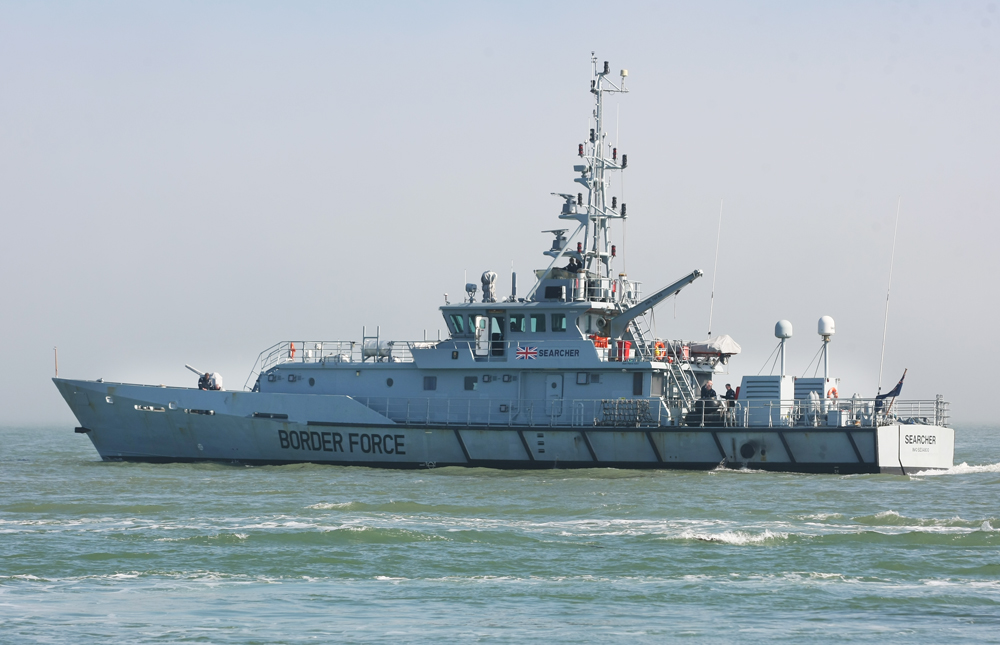
Interestingly, in 2015 Alexander McGuffie had his conviction quashed in an unconnected case after the Crown failed to disclose that 3 SOCA officers involved in his case were also involved in the case of the Freshwater Five, of which there were ‘difficulties’ with the observation evidence. The Court of Appeal said that there was a sustainable basis for a court to conclude that a SOCA officer had taken steps to persuade 2 local officers to give false observation evidence.
Emily Bolton, Director of APPEAL and solicitor for the ‘Freshwater Five’, said:
“This will be the first time a court has had an opportunity to consider this new radar data, which undermines the prosecution case on several fronts. Had the jury been told about this evidence it is highly unlikely these men, who have always protested their innocence, would have been convicted.
“We are hopeful that the Court of Appeal will recognise this by quashing the convictions.
“After years of wrongful imprisonment, all five men deserve to finally be reunited with their families.”