



















































The RSPCA is urging people to check expert online advice about baby birds on its website before calling the charity, so the line is kept free for emergency calls.
The RSPCA expects to receive more than 3,600 calls per day during its busiest time over the summer – and so needs to prioritise those animals in need of urgent care and attention. But many of these calls were unnecessary, as the charity’s online advice explains that many birds – especially fledglings – are not in danger and can be left alone and monitored from a distance.
RSPCA Scientific Officer Evie Button has said:


“It’s wonderful that people want to do the best for our wild birds, particularly if a baby bird has been found out of its nest. But instead of calling us, we urge animal lovers to first check the expert advice on our website, which explains that in many cases – especially if it’s a fledgling – there’s no need to intervene. This will help keep our emergency line free so urgent calls can get through as quickly as possible.
“Our wildlife centres are now on high alert as we approach the peak baby bird season. Last year they cared for well over 3,000 ‘orphaned’ birds, picked up by well-meaning people.
“But many of these birds were not actually orphans and may have been better off left in the wild.
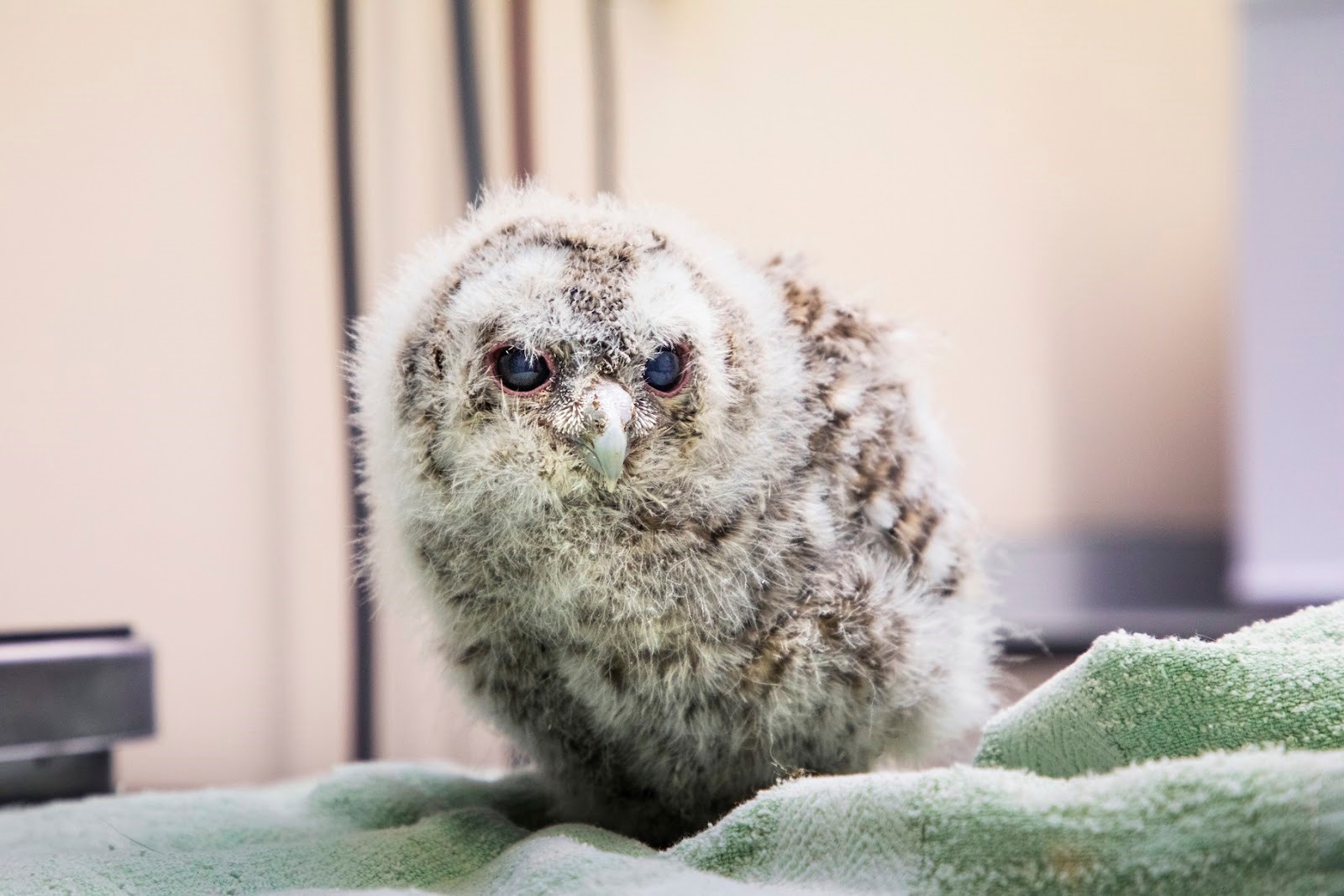
“It is really important to ensure it is only those young birds that really need help that are brought in. In most cases, the best thing you can do for them is to help them stay in the wild using methods like re-nesting. If in doubt, our downloadable guides – one for fledglings and one for nestlings – are full of advice and can help to identify whether the young bird is a fledgling – which unless sick or injured, is likely to survive outside the nest without human intervention – or a younger, more vulnerable nestling, which will probably need extra help.”
How you can help fledglings …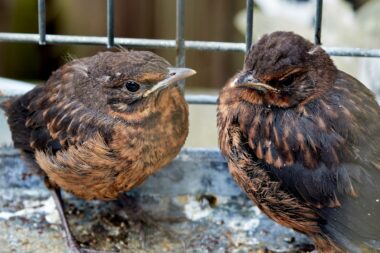
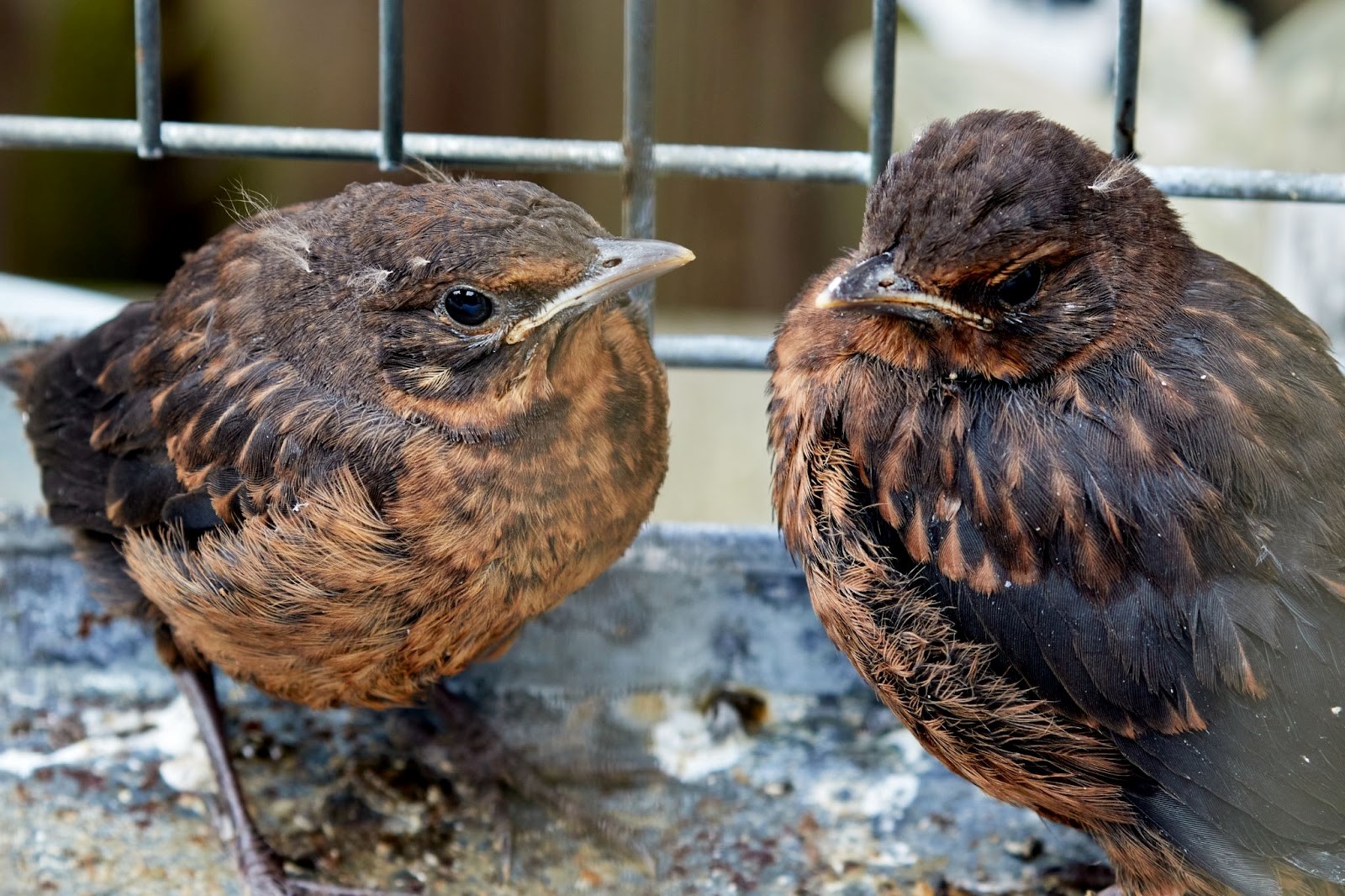
- They have all or most of their feathers
- It’s normal to see them on the ground as they leave the nest just before they can fly
- Leave the fledgling alone and monitor it for at least two hours, as the parents are usually nearby and feeding the bird
- If they’re in immediate danger, place them in a sheltered spot a short distance away.
- Even if you have already confined a healthy fledgling, you may still be able to return them to their parents.
- Keep your pets away from them.
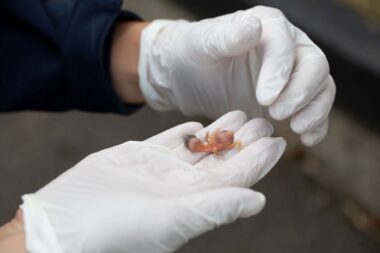 How you can help nestlings …
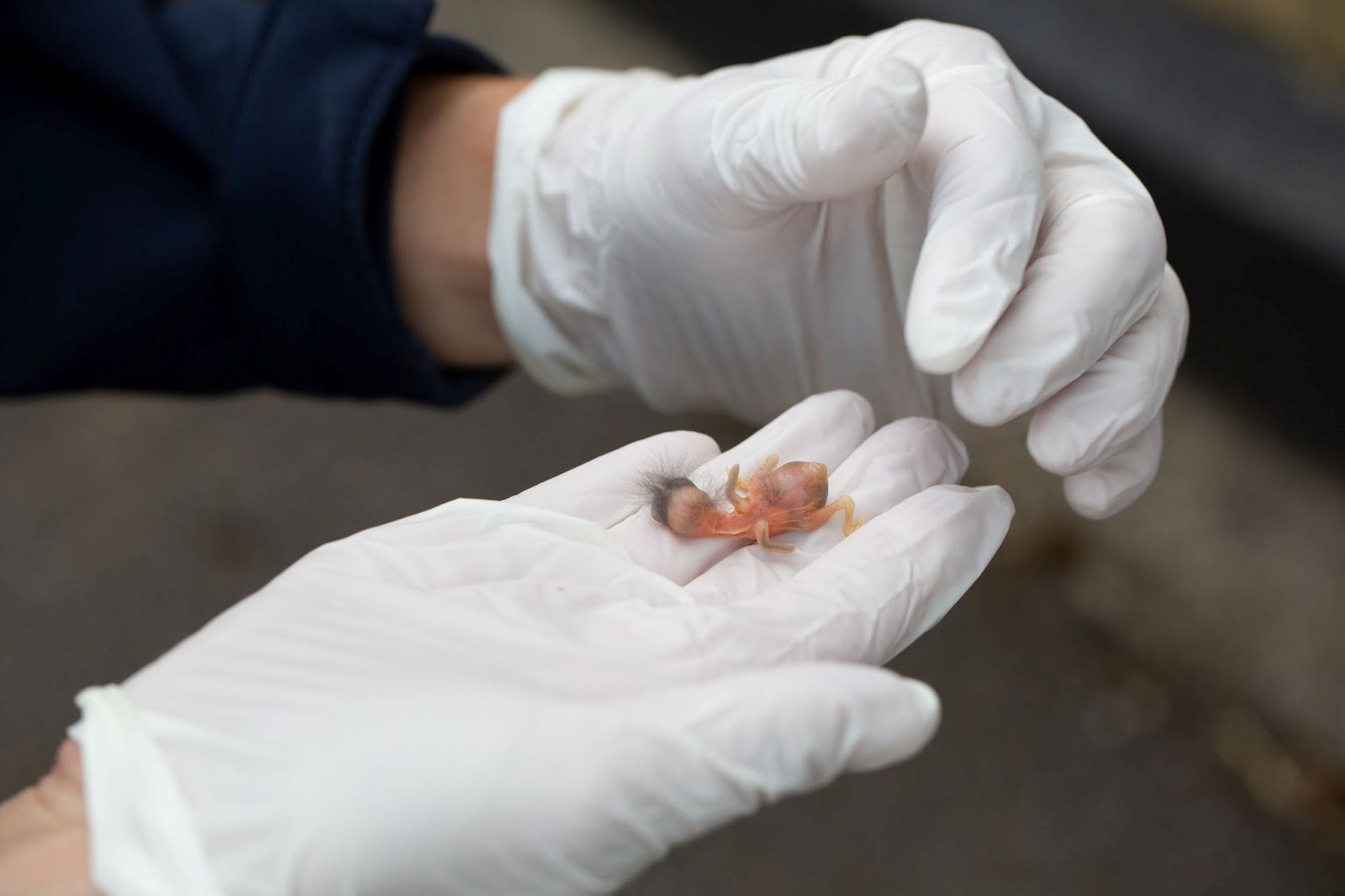
- They have no feathers, or only a few.
- They won’t survive long outside the protection of the nest
- Where possible, nestlings should be re-nested and left in the wild so their parents can keep caring for them.
- If you can’t see a nest in the surrounding trees, or it’s fallen or been damaged, then you can make a replacement nest to put the nestling back into. This could be as simple as a basket or plant pot with some nesting material inside, securely attached to the nearest tree.
- Where baby garden birds are found outside a nest and need to be handled following RSPCA guidance, the handler should always wear gloves and wash their hands thoroughly immediately afterwards to reduce the risks of disease transmission.
To help the RSPCA continue rescuing, rehabilitating and rehoming animals in desperate need of care please visit their website or call the RSPCA donation line on 0300 123 8181.