




















































Sir David Attenborough is warning that this year’s slow spring and soggy summer could pose a risk to the common butterflies found across Hampshire and the Isle of Wight.
Urging the public to take part in this year’s Big Butterfly Count, Sir David said that people’s sightings were vital in order to chart the effects of the poor weather conditions. Cold, wet weather can have a disastrous effect on butterfly numbers as the conditions reduce their opportunity to feed and mate.


This year butterflies have endured a slow start to spring with cold conditions experienced during March and snow falling widely well into April, which was colder than average. Despite a few warm weeks in May, June was a washout for many parts of the UK with sightings of butterflies down on previous years.
This year’s soggy weather follows on from last year’s colder than average summer, meaning a sustained spell of warm and dry weather is much needed to help our common butterfly species mount a recovery.
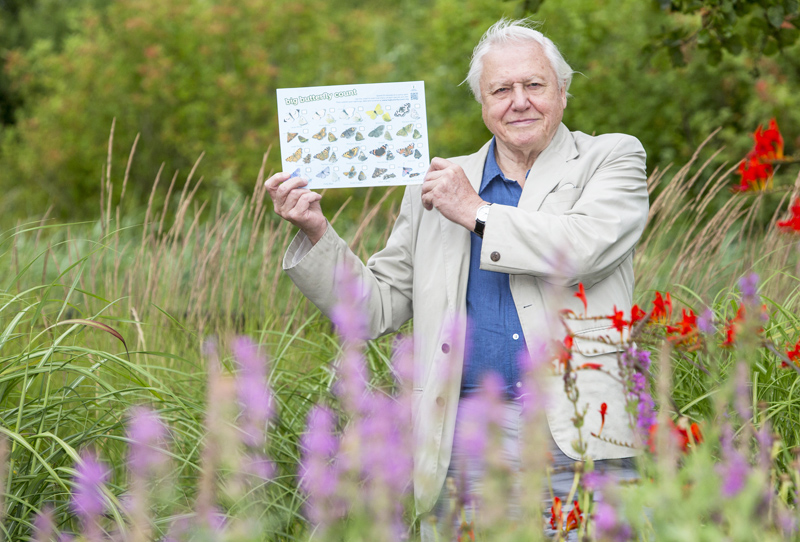 The Big Butterfly Count is the world’s largest butterfly survey, which encourages people to spot and record 18 species of common butterflies and 2 day-flying moths during 3 weeks of high summer.
Sir David, Butterfly Conservation President said:
“Last year’s wet and cold summer made life difficult for many of our butterflies and coupled with this year’s late spring, our Red Admirals, Small Coppers, Green-veined Whites and Speckled Woods really need a boost of warm summer weather to enable them to thrive.
Article continues below this advertisement “During my lifetime I have seen first-hand how the UK’s once plentiful butterflies have dwindled and diminished, with some species even becoming extinct. This is a gloomy outlook but not one that is set in stone. We must make sure these losses are halted and reversed, but in order to achieve this we first need to find out as much information about our butterflies as possible.
“It is vitally important that we gain a clearer picture of how our butterflies are faring. That is why taking part in the Big Butterfly Count is so important – it helps us build a picture of how butterflies are doing in our own neighbourhoods and what help they need from us.”

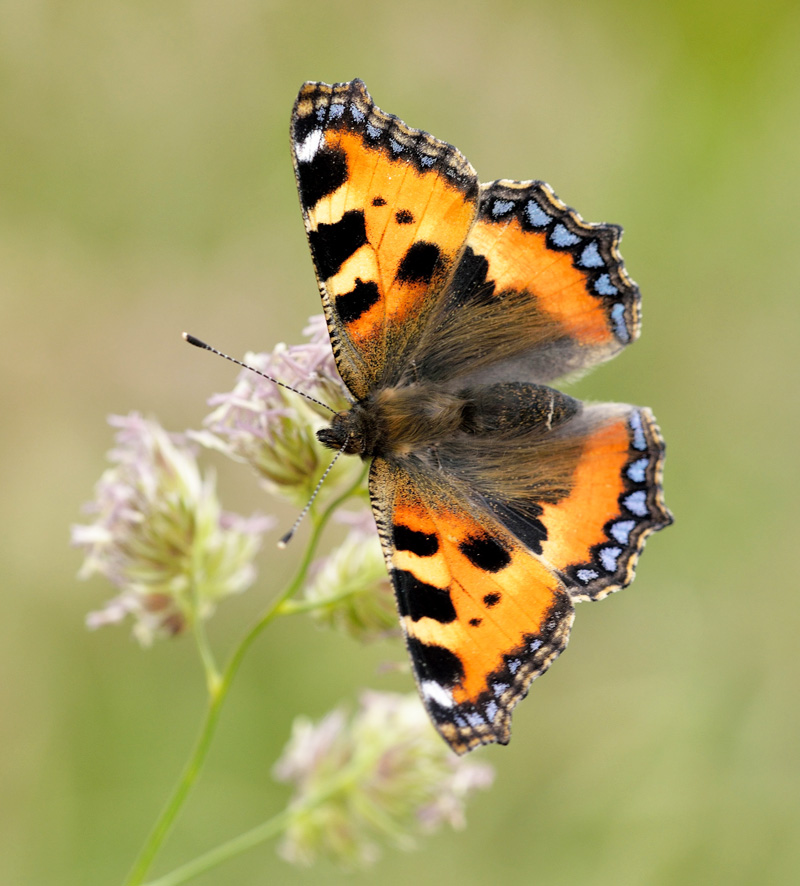
More than three-quarters of the UK’s butterflies have declined in the last 40 years with some common species, such as the Small Tortoiseshell, suffering significant slumps.
The Big Butterfly Count, now in its seventh year, helps Butterfly Conservation find out how our common species are faring and how to best protect them in the future. More than 50,000 people took part last year, counting around 600,000 butterflies.
One Count species that could be seen in good numbers is the Silver Y moth. Thousands of the migrant moths appeared during last week’s Euro Championships final in Paris, with one specimen famously landing on the face of Portuguese striker Ronaldo.
The Count runs from 15th July to 7th August. Taking part in the Count is very easy – find a sunny spot and spend 15 minutes counting the butterflies you see and then submit sightings online at www.bigbutterflycount.org or via the free Big Butterfly Count app.
Sir David added:
“We live busy lives that are increasingly detached from the natural world, so taking 15 minutes out to simply watch wildlife is not only helping butterflies but is also good for our own wellbeing as well as helping wildlife”.