
























































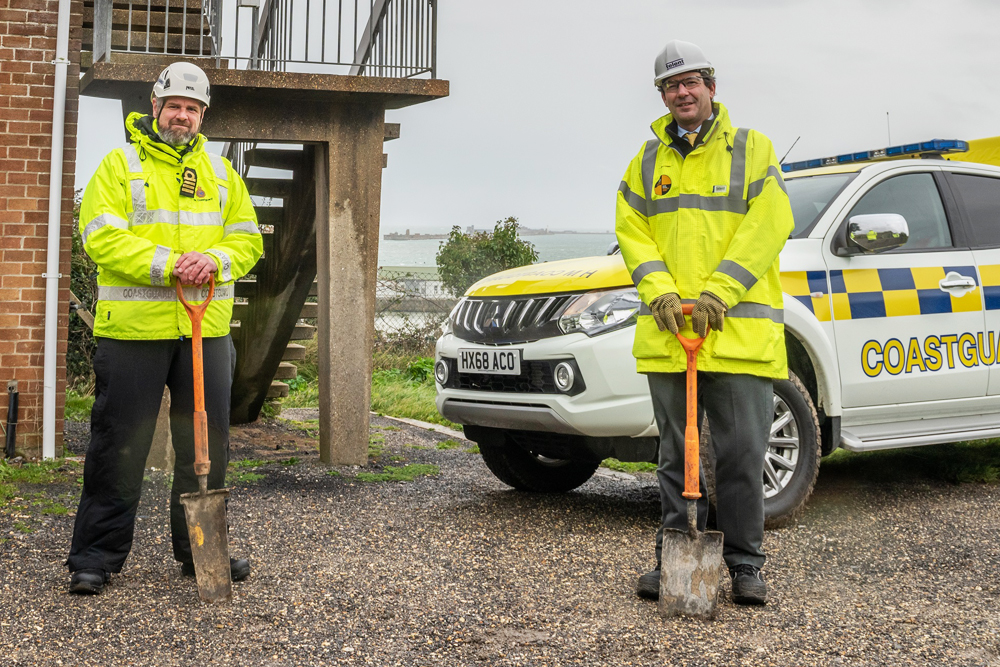

State-of-the-art technology is bringing a new edge to the search and rescue work of HM Coastguard.
Old copper-based cables are being replaced with fibre-based technology across 165 remote radio sites across the United Kingdom, which is understood to include St Boniface Down.
Each radio site receives distress calls from UK waters and the replacement technology will bring improvements such as security and bandwidth.


Damien Oliver, Commercial and Programmes Director for the Maritime and Coastguard Agency, said:
“We are investing £175 million into this new national radio network, which is central in preventing the loss of life on the coast and at sea.
“At a time when getting outdoors is pivotal to people’s mental health and wellbeing, it is essential that we can provide reassurance that we are here to respond to any emergency they may find themselves in, and this new network will enhance our ability to do that.”
The new network is being built and maintained by Telent Technology Services Ltd.
Peter Moir, Managing Director of Network Services at Telent, said:

“This network may not be seen by many people, but it’s literally a lifeline for someone in distress at sea. It’s important that this network’s capability continues to support Her Majesty’s Coastguard in the vital lifesaving search and rescue work that it does.”










So the floating par asites will get here slightly quicker. Great.
Looks lilke a big investment with little real benefit. Could the money not have been better spent? Well, why worry, it’s only taxpayers’ money, an infinitesimal drop in the ocean compared with massive wastes like HS2, Trident, Hinckley Point C …
Once inside our 12mile zone it will be just calls from mobiles, begging for help, with the social security next on the list on speed dial, followed closely by housing.
I wonder if the French will ‘insist’ on wanting 60% of those found floating in our waters, OR only the valuable fish stock?