































































 The crime rate on the Isle of Wight has fallen from 72.4% per 1,000 population to 70.4% according to a Strategic Assessment report by the Isle of Wight Community Safety Partnership.
Figures from this year’s assessment show that although violent crime with injury, youth-on-youth crime and anti-social behaviour is falling, as is criminal damage and theft, sadly drug trafficking, sexual offences and deliberate vehicle fires are on the rise.
A total of 9,991 crimes were reported in 2019/20, a reduction of 206 crimes compared to 2018/19. However, data taken from the 2019/2020 financial year, ending on 31st March 2020, doesn’t take into consideration the recent impact that the COVID-19 pandemic has had on crime and anti-social behaviour.


Newport Central, Newport North, Newport East, Ryde North West and Ryde North East make up the 5 wards with the highest reported incidents of crime on the Island.
The greatest increases in crime year-on-year include violence without injury, public order offences and drug trafficking. Compared to 2018/19, reported drug offences have risen 21% to 383 crimes in total and of those offences, 64.9% were committed by those under the age of 30.
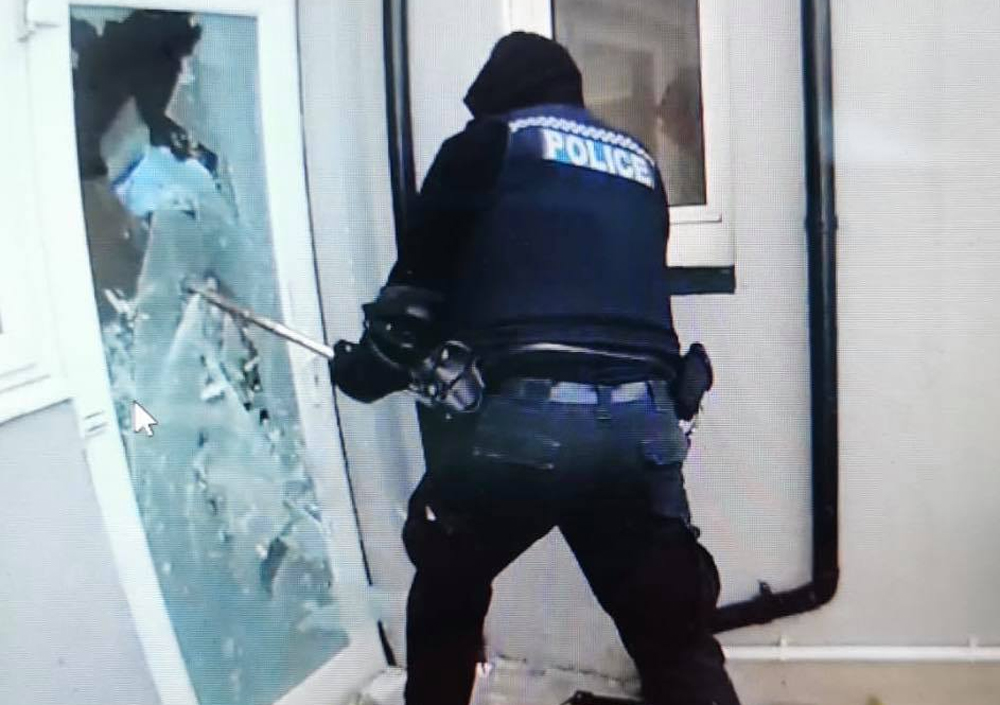
Hampshire Constabulary say their proactive approach to targeting drug suppliers has not only led to increased numbers of crimes being recorded but increased numbers of offenders being referred to the criminal justice system. The police will continue to target those offenders that pose the communities the greatest risk and safeguard those who are considered vulnerable; this is likely to see increases in drugs offences in the future.
Possession of weapon offences have also risen by 17.43% to a total of 128. All offenders were male.

There has been a gradual increase in sexual offences over the last 3 years (2017/18 to 2019/20) of 23 crimes resulting in 471 reported offences for 2019/20. Of those 471 offences, almost a quarter (103 – 22%) relate to non-recent allegations.
Reported incidents of anti-social behaviour has seen a reducing trend over the last 3 years with 559 fewer reported incidents in 2019/20 compared to 2018/19; reducing from 2,927 to 2,368. The most troublesome areas on the Isle of Wight for anti-social behaviour include Ryde North West, Ryde North East and Ryde South alongside Newport Central and Newport East.
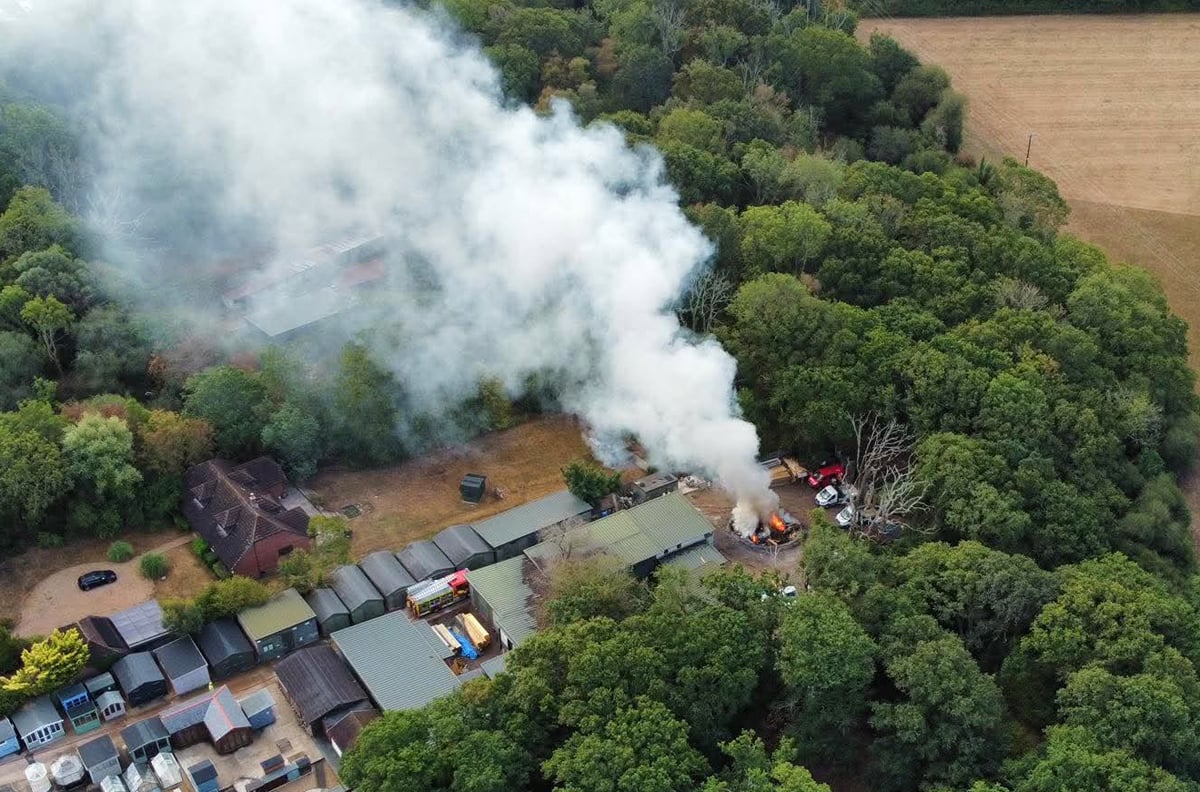
Alarmingly, there has been a 250% rise in the number of deliberate vehicle fires with 7 such incidents recorded – a rise from 2 the previous year. Overall, deliberate fires are decreasing with 28 fewer deliberate primary and secondary fires in 2019/20.

On our roads, the number of people killed or seriously injured (KSI) in road traffic incidents is said to be higher than the national average. The Island is an ‘outlier’ for KSI incidents (2016 to 2018) with 57.5 incidents per 100,000 population compared to 42.8 for England.
The Isle of Wight is seeing a higher number of motorcyclists killed or seriously injured (25.8 compared to an England average of 11.9) with higher than average rates for serious or slight casualties of those aged under 24.
Police acknowledge that the issue of speed has been raised as a concern locally. Although speed data analysis is undertaken to try and identify key days/times to inform resource deployment, the sporadic nature of speeding makes the accurate deployment of resources all the more challenging.
‘Biker Down’ courses held in partnership with the Isle of Wight Fire and Rescue Service and the Isle of Wight Ambulance Service have targeted bikers, but the courses are currently on hold due to COVID-19.

The assessment also finds that reoffending rates are slightly higher here than the national average and that there is a growing trend in domestic violence and abuse, with serious sexual offences slightly higher than the national average per 1,000 population.
The Community Safety Partnership Strategic Assessment helps partners to better understand the crime profile of the Isle of Wight and assists in prioritising resources where they are most needed. The partnership is made up of Hampshire Constabulary, Isle of Wight Council, Isle of Wight Fire and Rescue Service, Isle of Wight NHS Trust, probation services and youth offending services, and is supported by other partners and action groups.









What does “has fallen from 72.4% per 1,000 population to 70.4%” mean?
It is obviously meaningless and someone either does not know basic maths or someone has copied down text incorrectly.
Rough calculations:-
Chances are that it is meant to say 72.4 crimes per 1,000 population which would be 7.24% of population falling to 7.04% in 2020
With a population of 141,538 according to latest available figures 72.4% would equate to 102,473 crimes during the year 2019 = 284 crimes per day on average.
Whereas 72.4 crimes per 1000 population would equate to 10,247 crimes during the year 2019 = 28 crimes per day on average.
Of course one of the big factors in reducing reported crime is making it difficult to report in the first place (long waiting times on phone etc)
number crunching again…
Await the huge building about to begin. THEN see the crime figures spike upwards.
Good and bad news in this report and the variations may be due to many things including the variations of a small sample and the worrying growth in how difficult it has become to report crimes and get any response. I have personal experience of this. Of particular concern must be the rise in knife offences and serious sexual offences. Two areas that I would want to priorities. Tony Bunday: Labour candidate for the Police and Crime Commissioner.
Never understand why sniffer dogs are not put more regularly on the ferries to track down the drugs.