
































































On an island, convenience has a particular meaning. A customer may have to plan around ferry times, seasonal demand, weather, and a smaller choice of suppliers than someone on the mainland. That can make online services valuable, but it can also pull spending away from local businesses. The opportunity for Isle of Wight firms is to use digital tools without losing the personal relationships that make Island commerce distinctive.
This does not require every shop, café, or service provider to become a technology company. It means making it easy for people to discover local options, understand what is available, and choose them with confidence.
Be visible before visitors arrive
Tourists often research before they board a ferry. They look for places to eat, things to do, transport information, and services that can solve a problem during a short stay. A current website, accurate opening hours, clear directions, and recent photographs can influence a decision long before a customer walks through the door.


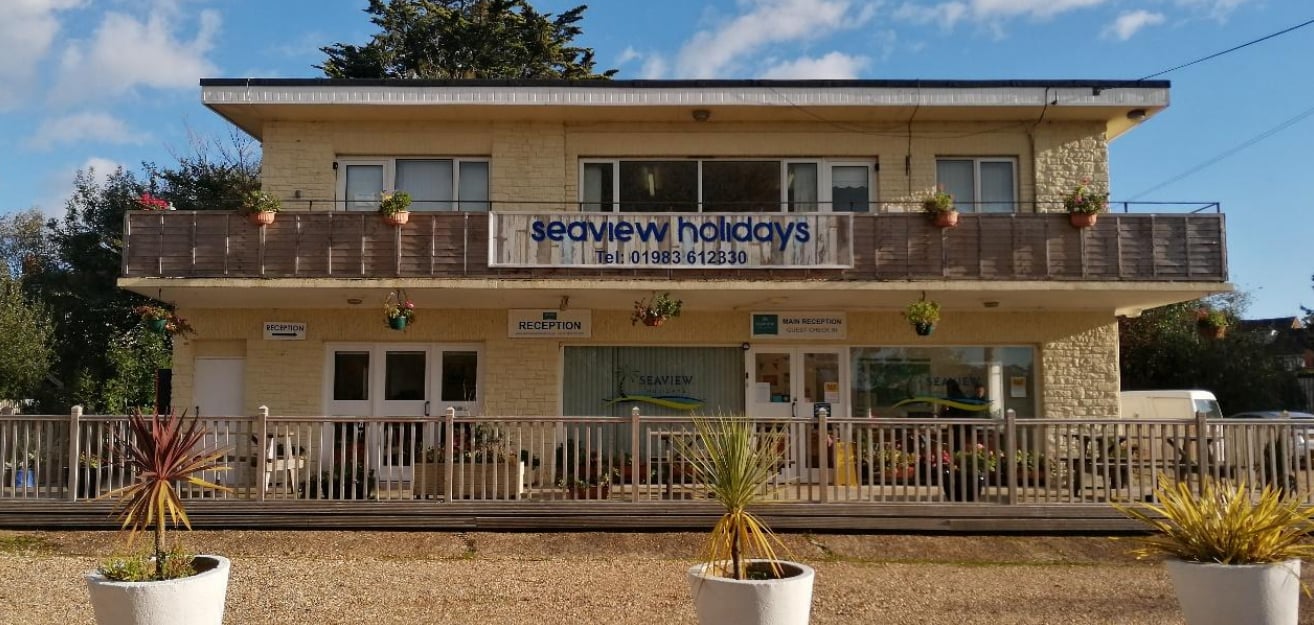
Businesses should begin with the basics: claim local listings, answer common questions, publish seasonal updates, and make contact details easy to find on a phone. A small accommodation provider can explain parking and check-in. A farm shop can list availability. A leisure venue can show whether advance booking is needed. Useful information is marketing because it removes uncertainty.
The Visit Isle of Wight business support programme reflects this practical approach, bringing together workshops, webinars, and guidance on social media, customer experience, business rates, and ferry trade accounts. Digital activity works better when it is connected to the realities of running an Island business rather than treated as a separate campaign.
Turn local identity into a reason to visit
A local business has a story that a large platform cannot easily reproduce. It might be a family recipe, a workshop in Newport, a view from a coastal road, or a relationship with a nearby producer. Stories should not be invented or over-polished. A short video of a baker preparing for the morning, a photograph of seasonal produce, or a profile of a staff member can show the care behind a service.
The Isle of Wight food challenge offers a useful example of how local supply chains can become a shared conversation. Its focus on producers, preparation, accessibility, and the practical limits of eating locally makes the story more credible than a generic slogan. Other businesses can use the same principle: explain what is made, grown, repaired, or delivered here, and acknowledge where mainland links are necessary.
Make booking and payment simple
Local loyalty is easier when the transaction is straightforward. A customer should be able to see a service menu, request a table, reserve an activity, or ask a question without navigating a maze. If a business takes online payments, it should explain cancellation terms and provide a confirmation that works on a phone.

Digital convenience should also support responsible choices. Someone looking for online betting sites should use only services permitted in their location, check age requirements, and treat betting as optional entertainment rather than a way to make money. Spending and time limits matter, and no one should chase losses or borrow to continue. Local organisations that publish links or promotions should avoid implying that gambling is a solution to financial pressure.
That principle extends to every online offer: clear prices, honest availability, visible terms, and a way to speak with a person. Trust is a local asset, and it travels quickly through community networks.
Connect digital discovery with physical places
A website should lead somewhere tangible. Include a map, nearby landmarks, public transport information, accessibility details, and suggestions for combining a visit with other Island activities. A customer coming for a meal might discover a local gallery. Someone collecting an order might visit another shop. Cross-promotion between independent businesses can keep more value circulating in the community.
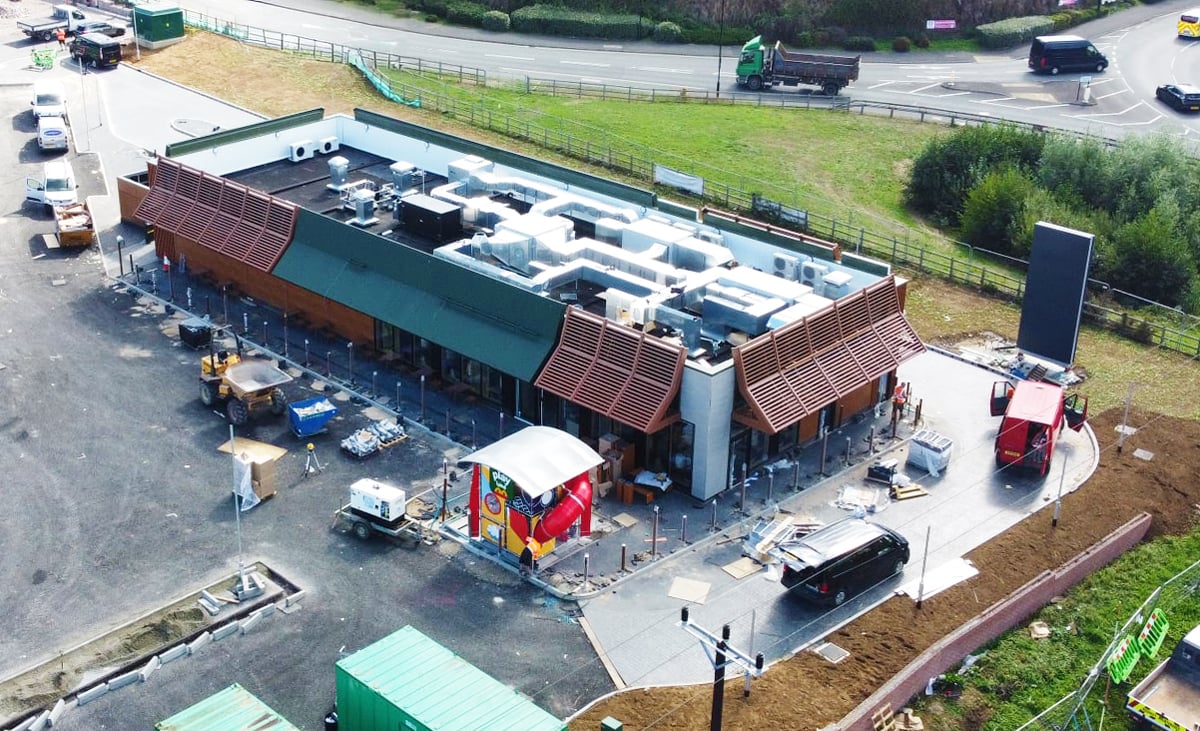
Island Echo’s report on the Newport Retail Park milestone shows why changes to the retail landscape matter beyond a single opening date. New destinations can alter footfall patterns, town-centre decisions, and how residents plan errands. Independent firms can respond by communicating their own strengths—personal service, specialist knowledge, repair options, or local sourcing—rather than competing only on price.
Measure relationships, not just clicks
A social post may receive many views without producing a visit. Track practical signals: booking enquiries, calls, email sign-ups, repeat customers, and referrals from nearby businesses. Ask new customers how they found you. Review the answer each month and adjust one thing at a time.
Businesses should also keep an offline option for people who prefer to phone, visit, or pay in person. Accessibility includes digital accessibility, but it does not mean forcing everyone through the same channel. A friendly conversation remains one of the Island’s strongest forms of customer service.
The Isle of Wight’s digital future should not be about replacing local commerce with distant platforms. It should make local businesses easier to find, easier to trust, and easier to support. When technology carries people toward real places and real relationships, convenience and community can reinforce each other.