



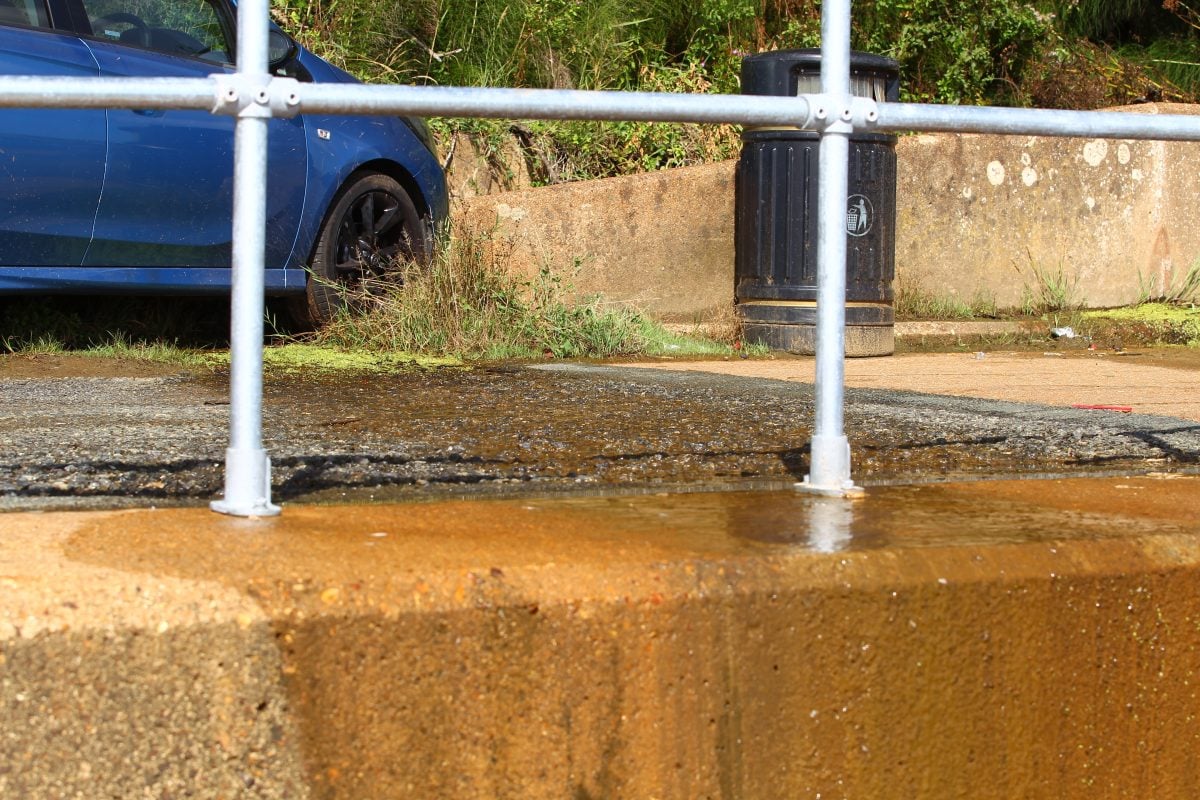




























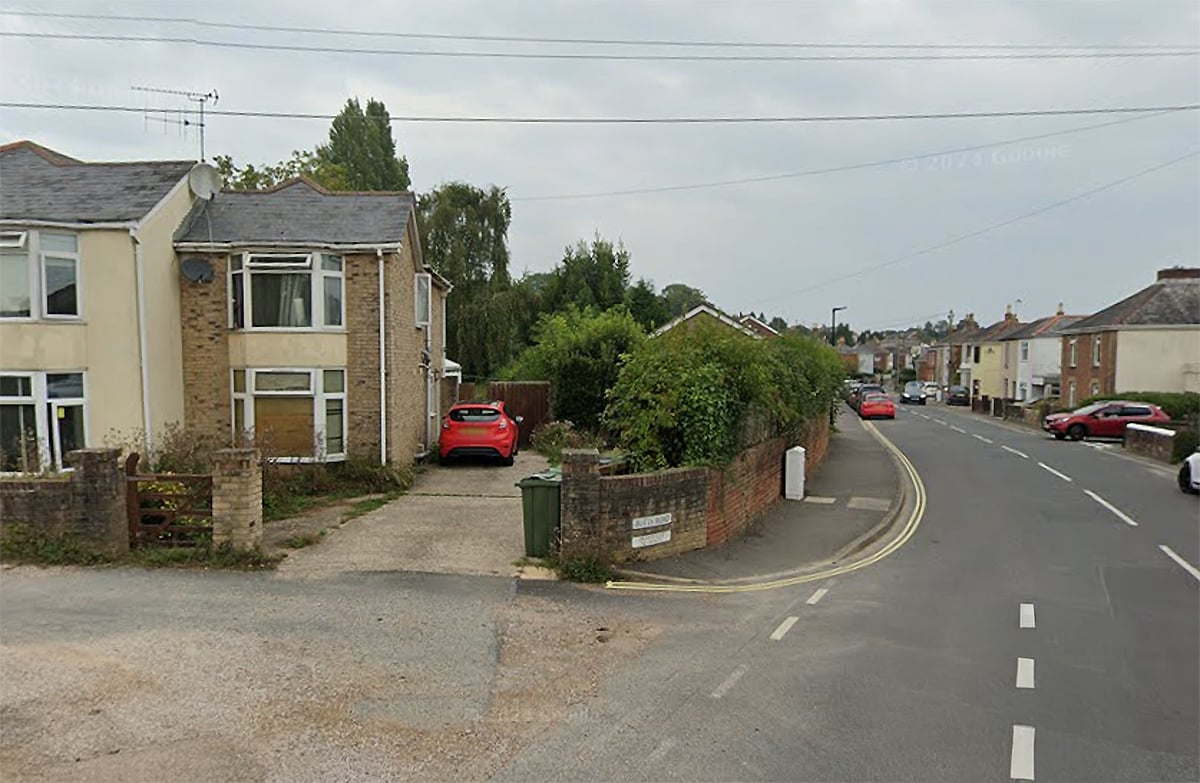






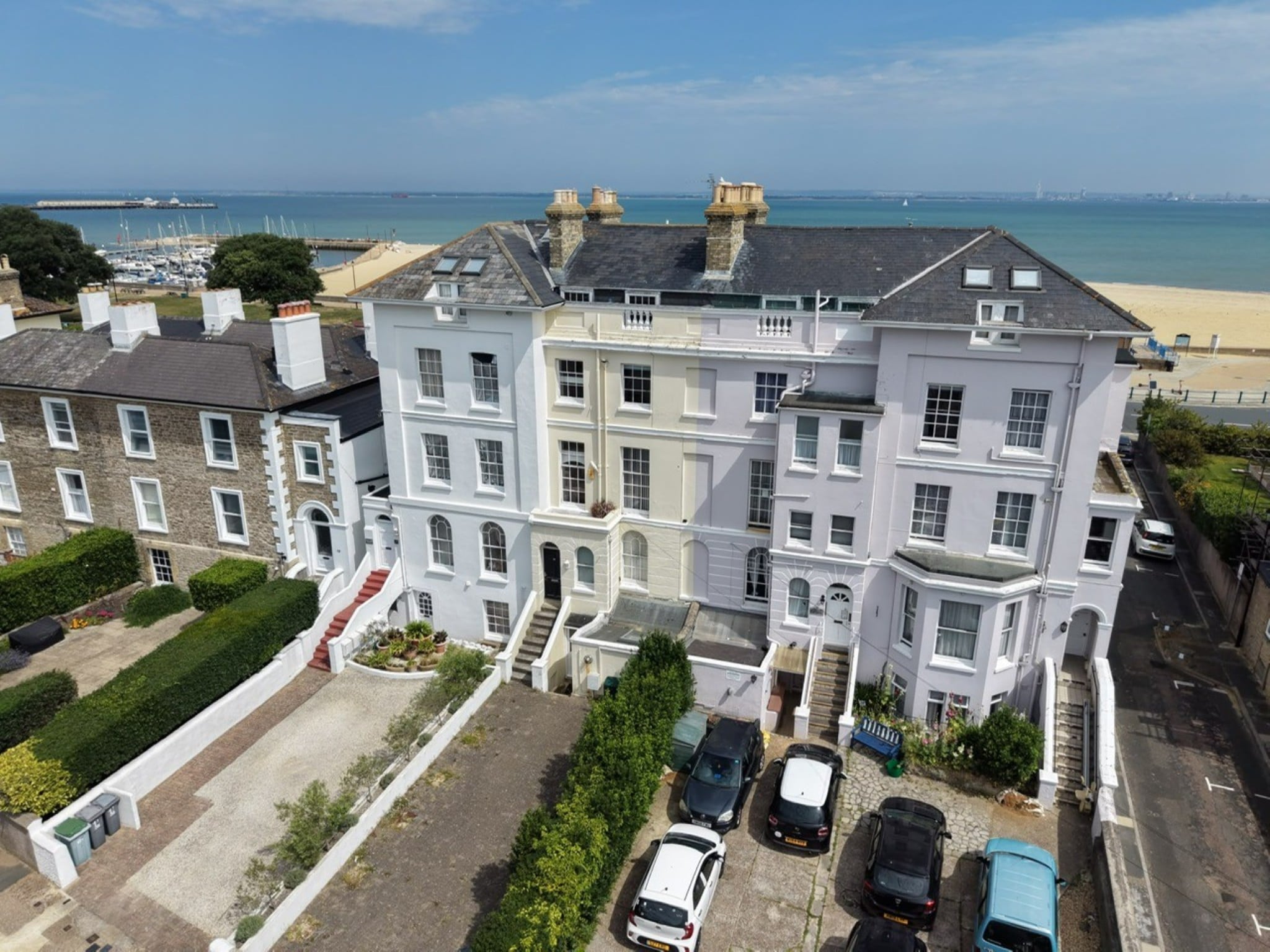
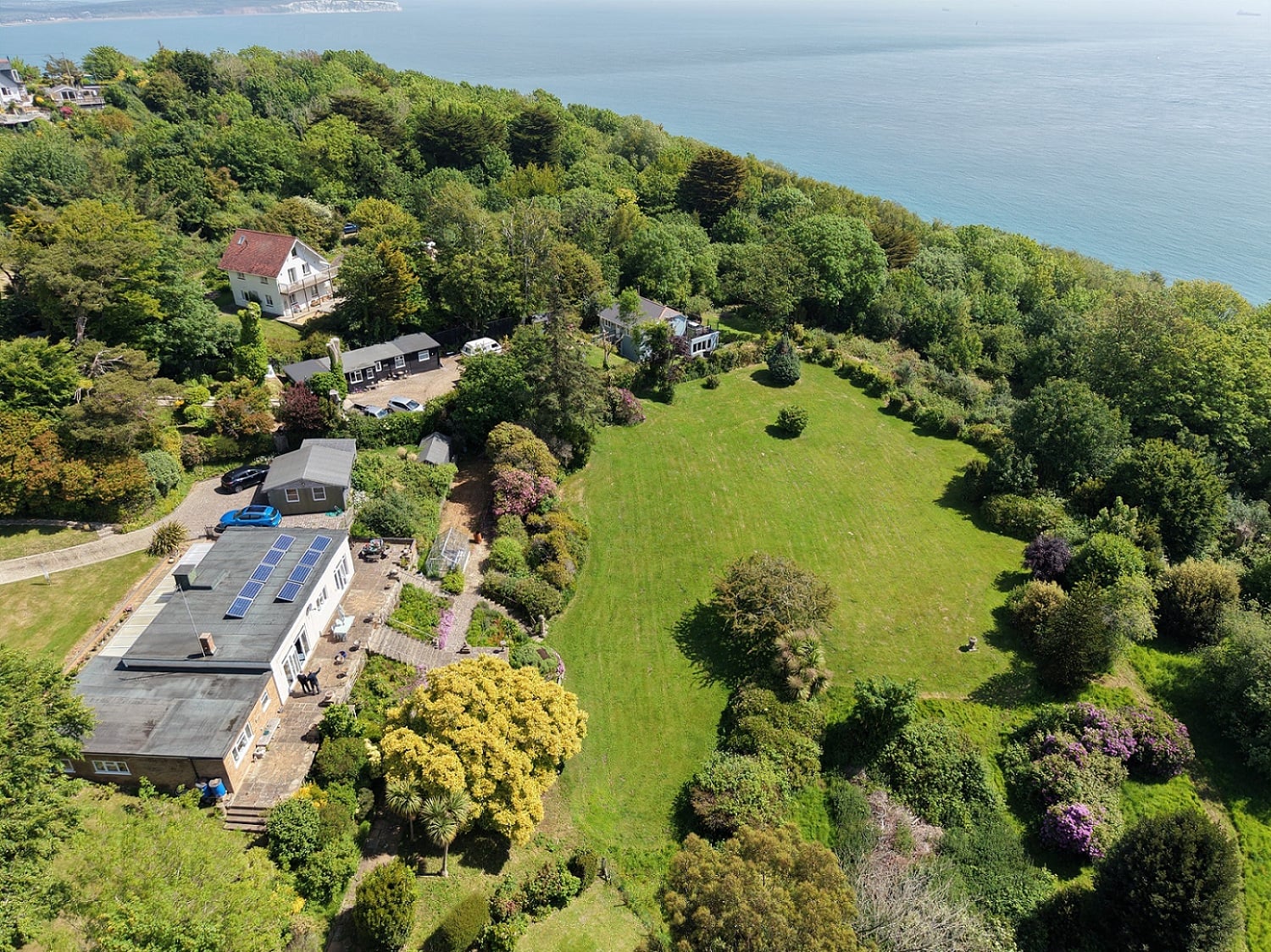
























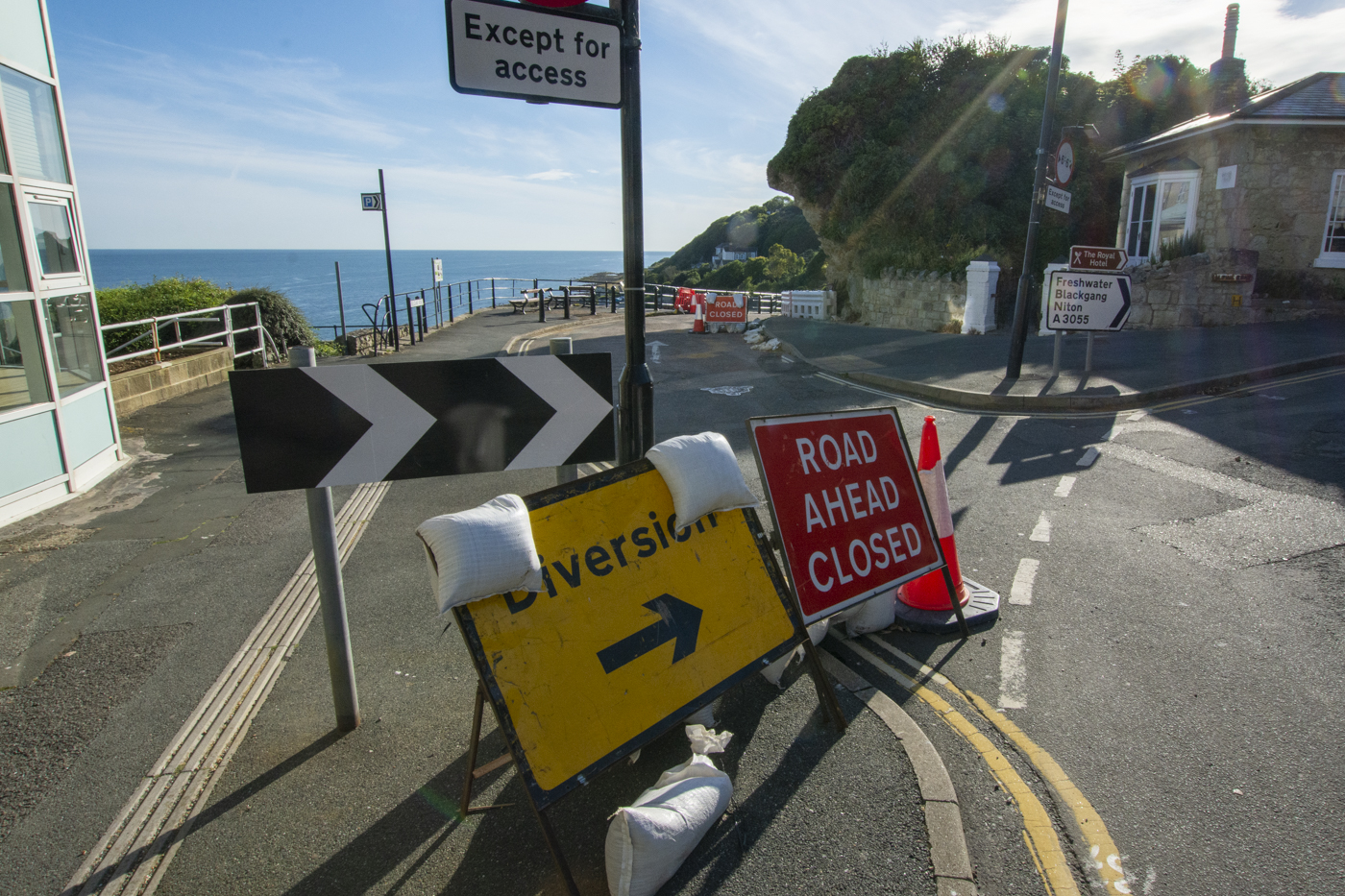
Belgrave Road in Ventnor, which partially collapsed back in January of this year, is likely to remain closed for another 12 months, it has been announced.
Further detailed ground investigations are to be undertaken to confirm the cause of the collapse to the retaining wall. The findings will help engineers design and implement a scheme to repair the wall and re-open the road.
Island Roads say it is envisaged that repair work could begin in early Summer 2021 and be completed by the end of October.


Visual site inspections continue to take place at both Belgrave Road and Esplanade Road twice weekly to monitor any wall movement and cracking at the top of the terrace and the middle and lower sections. Additional inspections are also held after periods of bad weather. These inspections have shown no further significant movement, cracking or deterioration in recent weeks.
Steve Ashman, Island Roads’ Service Director, says:
“Until now, more detailed investigations have been hampered by the Covid-19 restrictions and while there has been no significant movement, remedial works remain a priority.
“We are now in a position to step up the investigations and the forthcoming survey work will help us to plan a way forward with the Isle of Wight Council.”
As a prelude to the investigation, a survey of 6 homes on Belgrave Road is to be undertaken so their condition during both investigation and construction works at what remains a sensitive site can be monitored.

An indicative timetable has been communicated to residents and local stakeholders as part of the commitment of Island Roads and the Isle of Wight Council to keep the local community informed of developments.
Isle of Wight Council Portfolio Holder Councillor Ian Ward has said:
“It is important that the next steps are decided based on sound evidence and the forthcoming survey work should give us the information needed to design and implement the best possible solution.
Article continues below this advertisement “While, for reasons stated, it has not been possible to undertake these investigations before now, we hope residents and the Ventnor community are assured that we are now working to a schedule, albeit at this stage, an indicative one.
“It goes without saying that we will do all we can to complete the work in as short a timeframe as possible, though we must also ensure that at all times we maintain the safety of residents, local people and our workforce.
“We would like to thank residents for their ongoing co-operation and understanding and we will ensure both they and the wider local community are kept up to date with the latest developments.”









Needs gabion walling, job done.
The obvious answer, quick, cheap, permanent, drains water, adds support wild life friendly (lizards), easy to do and environmentally friendly as no CO2 as in concrete.
So this council won’t do such, as no brown envelopes on small scale projects.
Vote them OUT.
…and I’m guessing that’s why you don’t have a job as a highways engineer? Gabions are fine for stabilising a slope, but this needs a vertical retaining wall with much more strength.
Could they not build a wider platform of Gabions then decrease such as it reaches greater height, like a half of a pyramid. Then the wide base would act as a buttress to the top most levels. Steel poles could be driven two to each gabion into drilled deep reinforced holes to find stable ground to prevent lateral movement, and the sides of the cage would allow settlement without cracking as in concrete.
A wall would need massive foundations into already unstable earth, and would need to be thick and have huge steel reinforcing, which would likely still crack and buckle under the weight.
No, gabions are the answer, they flex and don’t crack, can be added to as and when and can be removed or relocated if need be. The allow water to escape and nature over time enhances them, whereas a wall would be covered in lewd graffiti by the ignorant.
YOU try seeing how much effort is required to push over a vertical wall, compared with pushing over huge gabion cages.
Lack a days is right.
That makes perfect sense to me Petio.
I mean the pyramids have stood for 5 thousand years or more, and the very shape of such in doing so is testament to their strength. So a half of one would indeed bear great weight from side thurst.
As you say a huge high wall has little strength and would belly out, crack, or come away as soon as the side pressure from shifting earth pushed against it.
Seems you could do well as a civil engineer, have you been involved in such before?
It collapsed because the new wall was built on top of an old wall which failed under the load.
Joe, that wouldn’t have happened with gabion walling. Seems best option.
I do wonder sometimes why we waste money on engineers when there are such experts on here, I wonder if the council realise? Perhaps people could build such cages and get together to build the pyramid as a voluntary project? There’s lots of rocks between ventnor and steep hill cove.