


































 A mix of major savings and key initiatives to stimulate the economy are being proposed in the Isle of Wight Council’s budget strategy report for the next three years, including merging the Island’s Fire and Rescue Service with a mainland counterpart.
Details of the strategy are published in a joint report from the leader of the council, Councillor Ian Stephens and Cabinet member for resources, Councillor Jon Gilbey.
The overall vision of the council is to put people first and operate it in an accessible, transparent and inclusive way, working with business, partners, communities, residents and visitors to make the Island a better place to live, work and prosper. The report sets out key the priorities of the administration, with keeping children safe, improving education and growing the economy and tourism at the heart of what it wants to achieve.


Measures proposed or highlighted in the report include the following:
- Allocate £150,000 next year to schemes supporting young people into pre-apprenticeships and apprenticeships and supporting people over 50 to start up their own businesses.
- Continue to promote the case for the inclusion of the whole Island in Assisted Area Status designation (currently status has been secured for 28 of the Island’s 38 wards).
- An additional £2.25 million for children’s services.
- Introduce an island-wide residents’ parking permit from 1 April 2014.
- Continue to promote the Isle of Wight Expansion Fund, launched in January 2014, making £2.46 million of grant funds available to Island-based businesses.
- Continue to develop the council’s commitments of £4 million towards projects promoting and underpinning the Island’s economy. The council has matched £1 million of private sector investment to create Perpetuus Tidal Energy Centre Ltd, a joint venture company to develop a tidal energy test facility off St Catherine’s Point. The council has committed £3 million to the installation of superfast broadband, ensuring the Island will be one of the best connected areas in the country.
- Committed investment of £340,000 a year to Visit Isle of Wight.
The report is proposing no increase in the Isle of Wight Council’s council tax precept next year – although due to the scale of savings the council faces, £28 million over the next three years, the possibility of a referendum on council tax rises above the current government capping level of two per cent, is being considered for 2015/2016.
The council must find savings of around £28 million over the next three financial years. Proposed savings and ways of generating income to help deliver council services over the next three years, to include the following:
- Fees for leisure, recreation and public spaces to be increased from 2014/2015.
- Working with town and parish councils to develop policies and strategies for services the Isle of Wight Council can no longer afford to deliver.
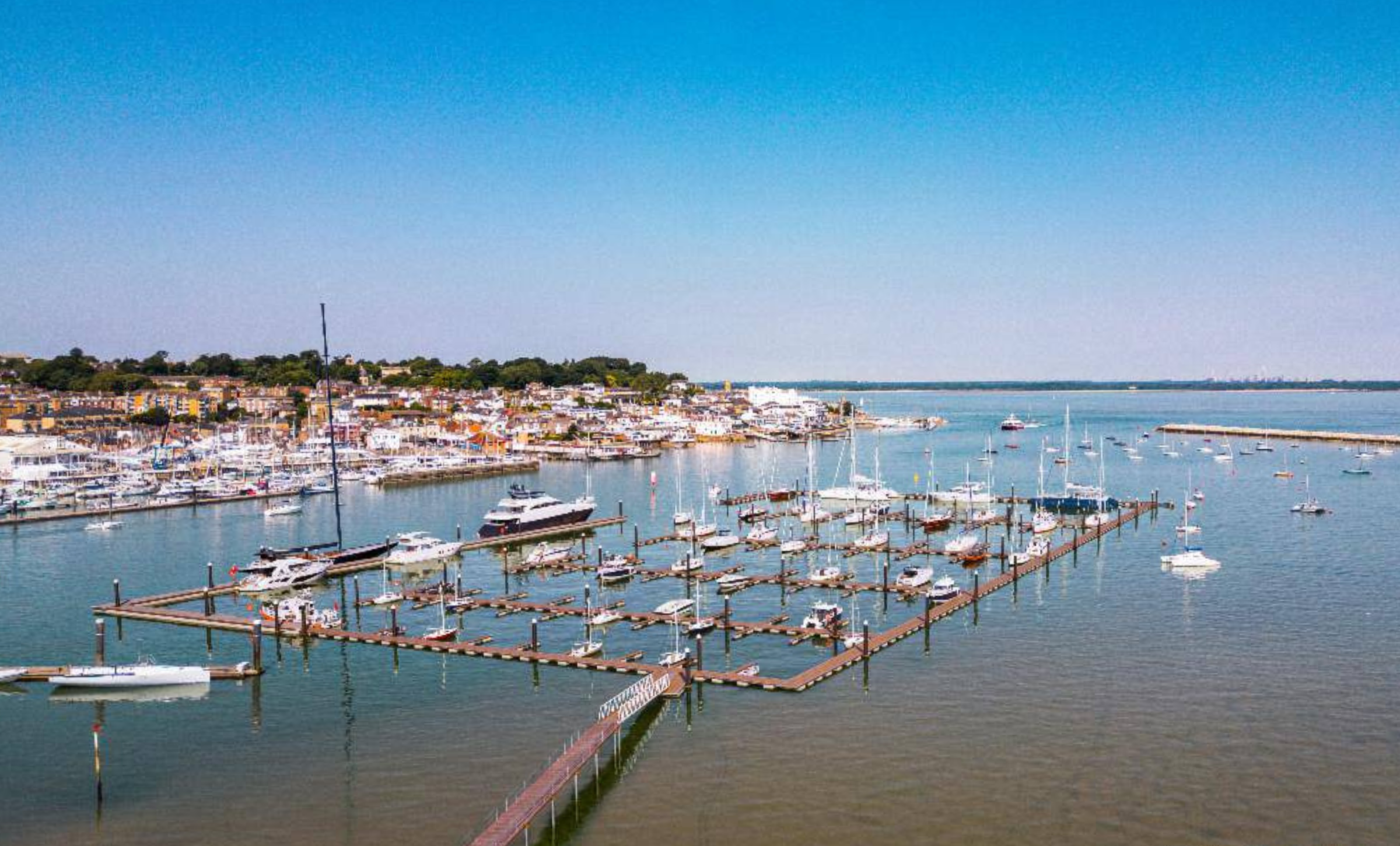
- The introduction of fees for adult passengers using the Cowes chain ferry.
- Savings through management restructures, process reviews and combining council functions.
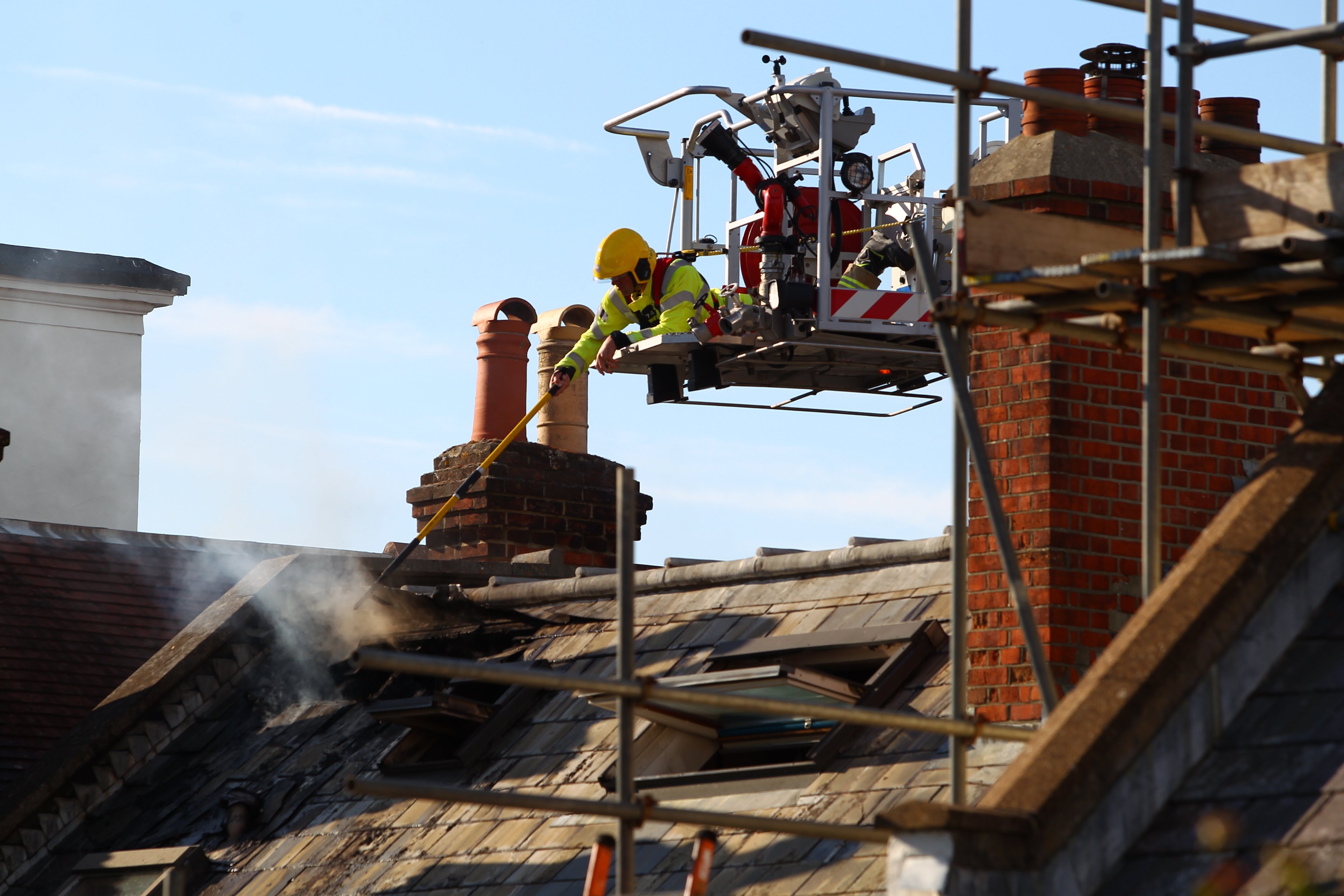
- Potential saving from combining or collaborating with another fire and rescue service from 2016/2017.
The budget also proposes the use of council reserves and balances to a level of £5.84 million for the next two financial years.
Councillor Ian Stephens, leader of the Isle of Wight Council, said:

“The scale of savings we are facing has meant that this has been an extremely difficult budget to put together. There has been much soul-searching due to the magnitude of the task, but among the difficult decisions have come opportunities for us to do things differently as we focus on our visions for the future.
“Our priorities have been developed by going out into the community and listening to what our residents, town and parish councils, businesses and partner organisations have to say. Coupled with our detailed root and branch reviews of council services, this has enabled us to put forward a budget, which in very difficult financial times, makes the very best use of our resources for the benefit of the Isle of Wight.”
The report is due to be considered by the council’s various scrutiny panels next week, before going before the Cabinet on 11th February and Full Council for adoption on 26th February.
Full details can be found in Paper B (2014-2015 Annual Budget Report and Council Tax Setting) of the Cabinet agenda, which can be found on the Isle of Wight Council’s website here: https://www.iwight.com/Meetings/committees/cabinet/11-2-14/agenda.pdf?%20635267725010692735