










































 People who use mental health and learning disabilities services on the Isle of Wight will benefit from a new joined-up approach that will mean there is ‘no wrong door’ when they need support.
Isle of Wight NHS Trust has published its Mental Health and Learning Disabilities Service strategy after months of work with people who use services, staff, stakeholders in the public, community and voluntary sectors and its partner organisation, Solent NHS Trust.
The partnership and the No Wrong Door model for local mental health services are the latest steps in the Trust’s work to transform the support on offer to islanders.


Dr Lesley Stevens, Director of Mental Health and Learning Disabilities Service at Isle of Wight NHS Trust said:
“We set out to involve the people who use our services and those who deliver them from the very start and I am delighted that more than 250 people took part in the workshops that helped to shape this new strategy.
“The No Wrong Door model is all about improving people’s experience of mental health and learning disabilities services by making sure that they can access the support they need, when they need it.
“People told us they wanted us to organise our services in a way that makes sure there is a seamless journey if they need to move between services.
“This new way of working will achieve that and we are planning to bring in a single trusted assessment across our services and our partner agencies so that people will only have to tell their story once when accessing services.”
Article continues below this advertisement

Maggie Oldham, Chief Executive at Isle of Wight NHS Trust said:
“I am delighted with the progress that we are making in transforming mental health and learning disabilities services for our island community.
“This new strategy is an important step on that journey and we look forward to what our teams and our partner organisations can achieve in the coming months on behalf of the people who use our services.”

Dr Dan O’Neill, NHS Isle of Wight Clinical Commissioning Group’s Clinical Lead for Mental Health and Learning Disabilities said:
“We know how important it is for people to be able to access healthcare close to where they live, which is why this new model will be hugely beneficial to those who need that specialist support. There is still stigma about needing mental health support and so by providing additional support closer to home, we hope this ease of access to our services will encourage people to come forward and get the right help for them when they need it.”
The new model for local mental health and learning disabilities services will deliver an Island-wide network of services made up of 3 elements.
• The Local NETWORK will provide services for people with a low complexity of need which will be based and delivered in local areas alongside partners like GPs and community and voluntary sector organisations.
• The Island HUB will provide community mental health services that are coordinated centrally but delivered in local areas or as an island-wide service. The Island Hub will provide services for people with moderate and high complexity needs.
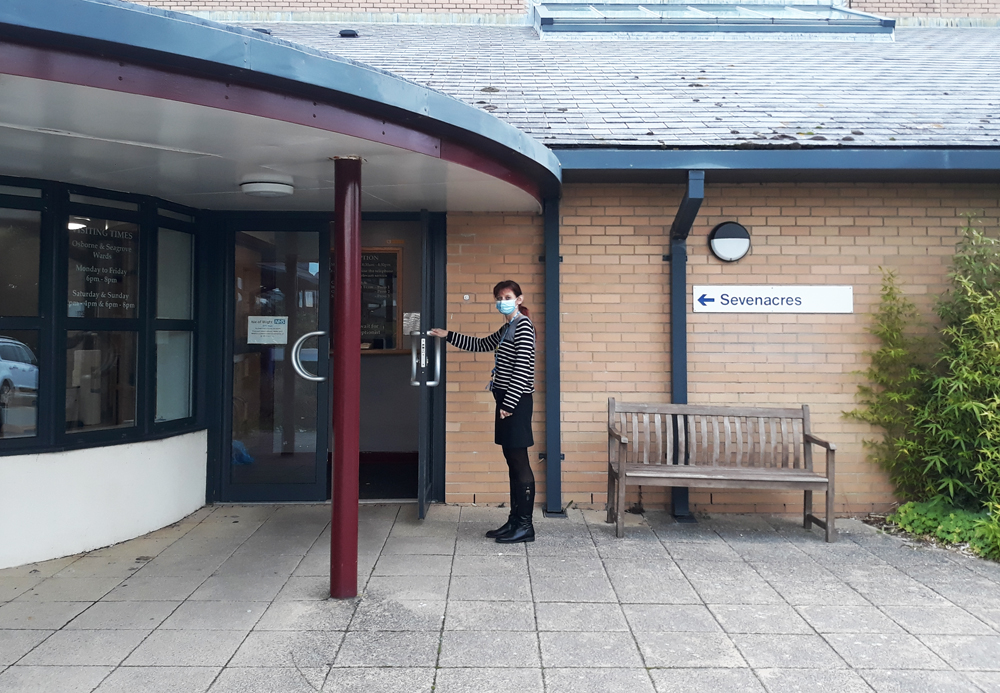
• The ACUTE Centre will provide support for the people with the most complex needs and will be managed and delivered centrally from Sevenacres in St Mary’s Hospital in Newport.
The Trust will now embark on a programme of engagement with NHS staff, partner organisations, service users and the public to explore their experience of mental health and learning disabilities and to hear their views on the new approach.





This is rubbish. I have a son with adhd and severe learning difficulties and every door I try to open gets slammed. Or there is help from the wrong people for limited time. Waste of time
I totally agree with you. From personal experience just trying to access the system is almost impossible.
back in the 1970’s and 80 attention deficit was corrected with a back hander across the face – that focused your attention and suddenly no deficit to your attention and you certainly had any ideas of hyperactivity kept in check, with fear of a good slap.
Violence breeds violence – in mind and attitude if not in physical act. I pity your narrow minded approach. More than 90% of poeople in prisons has a mental health condition or learning disability and it has been the proven that the vast majoity of them have trauma (violence – like a back hander across the face or worse) in their background.
Care, understanding, patience and empathy are needed to prevent children with learning disabilities from ending up with terrible futures. Hitting them and slapping them teaches them agression, leading to agressive behaviour later in life.
Too much money is wasted on those who will never be an asset to society, although through no fault of their own, precious time, staff and cash should be directed more to those who will be useful to society, not just a drain from cradle to grave.
Times are tough now, the full Nanny state is an expense in these CV days that we can no longer afford.
I have acuted mental health needs, (bipolar) and because of the support I have received over the past 16 years from mental health services, I am able to work in a permanent job three days a week as a Communications Officer for a charity, and also freelance as a finance journalist.
Anyone who thinks that care for people with mental health problems is a drain on society, takes a very limited view in my opinion. With the care and the right support, we are able to achieve just as much as anyone else. It takes an open, patient mind and Equal Opportunities.
Seems like everyone expects easy fixes to be handed to them without having to commit or put any effort in themselves. Can’t access help? Hmmm don’t think thats very true, perhaps our expectations of what “help” looks like needs some review…Help is always available, magic wands are not!