
























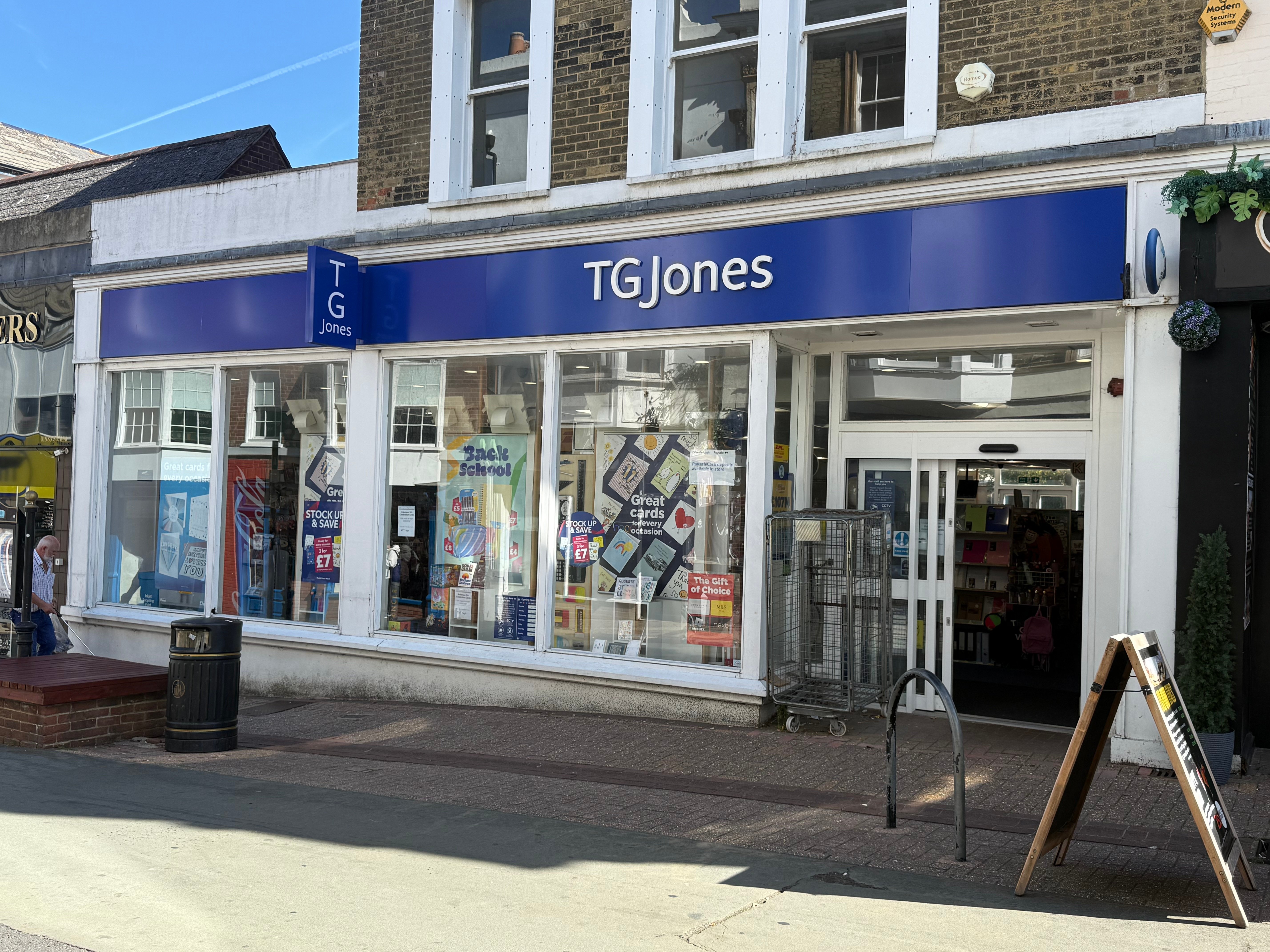


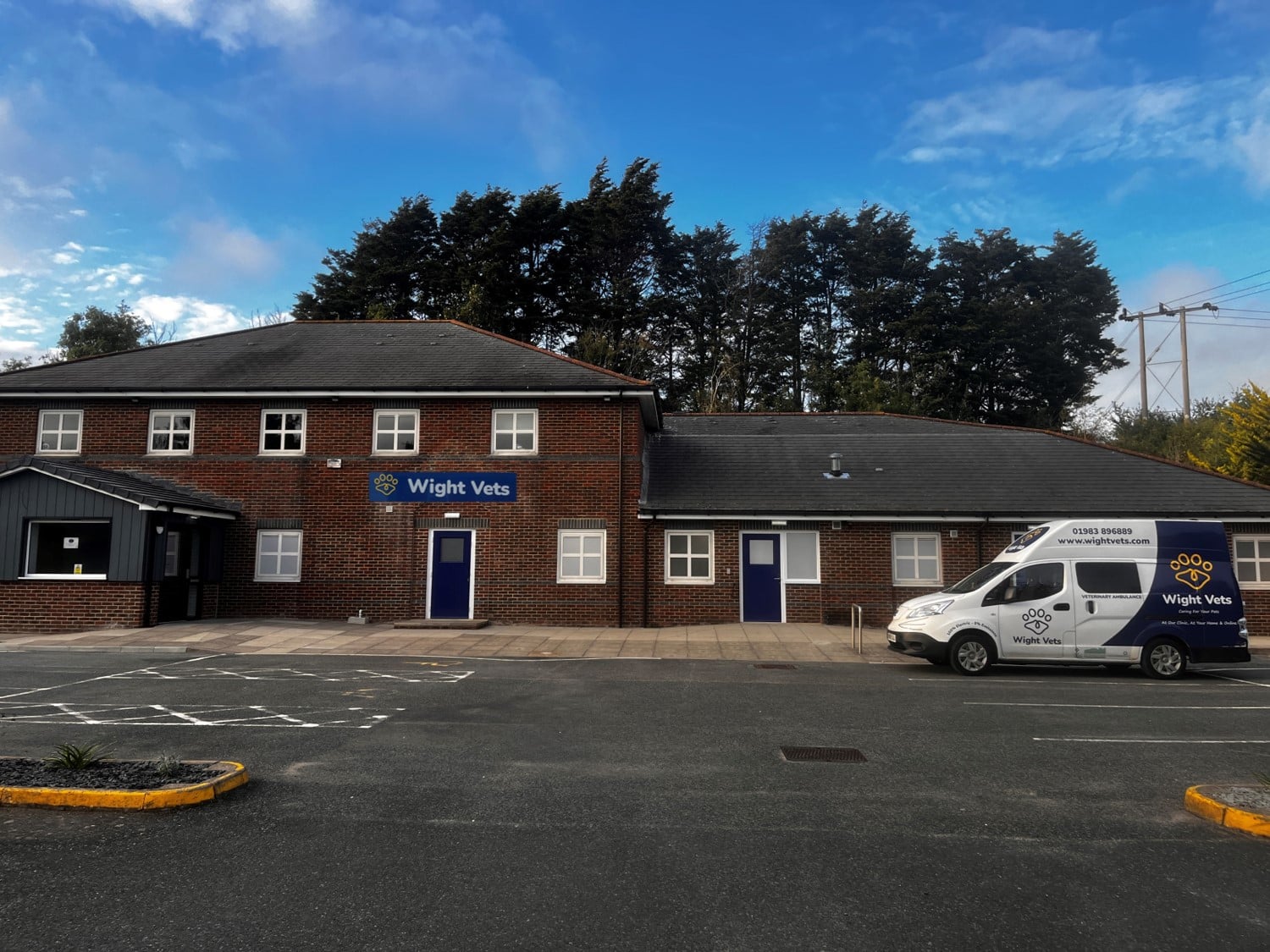

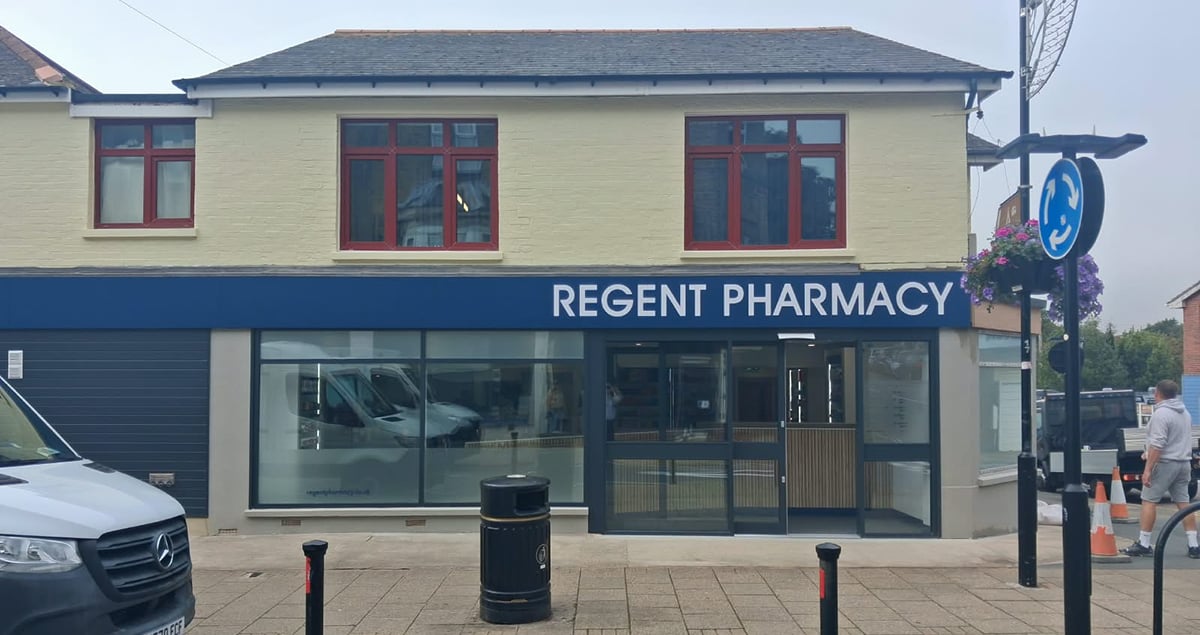
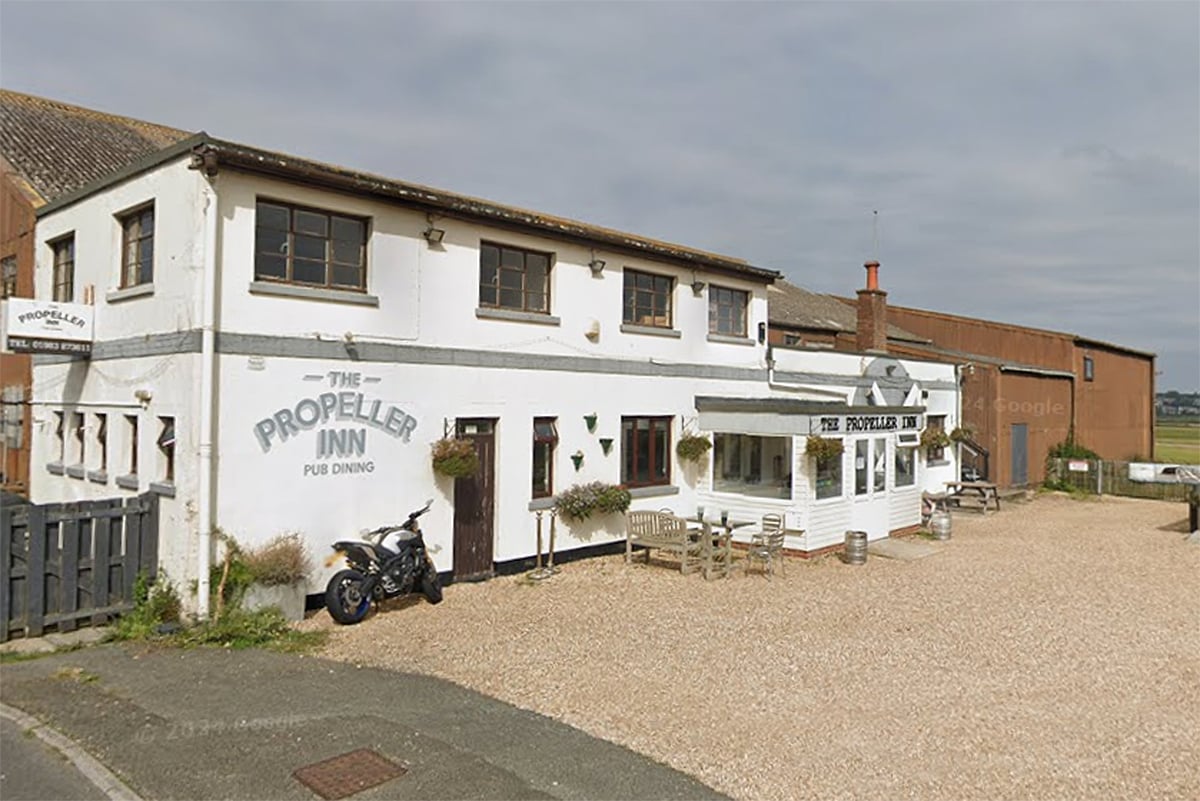




































For small businesses on the Isle of Wight, showing up in local search results isn’t optional; it’s survival. Whether you run a coffee shop in Cowes, a boutique in Ventnor, or an e-commerce side hustle from your flat in Ryde, showing up in local search results is crucial to bringing in foot traffic, clicks, and conversions. That’s where Local SEO comes in.
Why Local SEO (Search Engine Optimisation)?
Local SEO is all about optimising your online presence to attract more business from relevant local searches. It’s not just for big brands with deep marketing pockets. Many small businesses can compete, and even outrank larger players, by focusing on local relevance, credibility, and consistency.
Take a cue from national sectors like online gaming. The top-ranking sites targeting highly competitive terms such as best online casinos UK, however, despite how crowded the market is, these sites didn’t get there by accident. They earned their positions through deliberate on-page optimisation, quality content, and laser-focused keyword strategy. This allows players who enjoy games like slots or poker to easily find them online and benefit from generous bonuses like welcome rewards, free spins, and cashback offers, whether they searching using their phone or desktop. Local businesses can (and should) borrow that same playbook, just with a regional twist.


Claim and Optimise Your Business Profile on Google
Claiming your Google Business Profile should be the first move in any local SEO strategy. It costs nothing but can make a big difference in how easily people find your business in local search results.
Ensure that your business name, address, and phone number (NAP) are exactly the same across your website and any other listings. Select appropriate categories, upload clear and engaging photos, set your business hours, and take the time to reply to reviews. The more complete and accurate your profile, the better your chances of appearing in local search visibility.
Use Location-Based Keywords
Don’t just optimise for “hairdresser” or “bike repair”, get specific and use localised keywords. Use terms like “hairdresser in Newport” or “bike repair Sandown”. Mention your service area naturally throughout your site: homepage, about page, service pages, and blog posts.
Adding content that speaks directly to the community not only helps with SEO but also builds trust. Talk about local landmarks, events, or partnerships. Google understands location context better than ever, and this can help boost your local ranking.
Get Listed in Local Directories
Citations (mentions of your business across the web) help build trust and authority. Ensure you’re listed consistently on trusted directories like Yelp, Yell, Bing Places, TripAdvisor (for tourism-related businesses), and any local chamber of commerce sites.

Consistency is key: make sure your NAP details match exactly across all platforms. Even small discrepancies, like “Street” vs “St” or a missing postcode, can hurt your local ranking.
Collect and Respond to Reviews
Customer reviews do two major things: they build credibility with real people, and they boost your ranking in local searches.
Encourage satisfied customers to leave reviews on Google, Facebook, and other relevant platforms. Respond to each one, positive or negative, with professionalism and authenticity. Google sees engagement through reviews as a signal of trustworthiness.
Pro tip: Don’t bribe customers for reviews. It’s against guidelines and can get your listing penalised.
Add Local Schema Markup to Your Website
Schema markup is a type of structured data that helps search engines understand what your site is about. Adding the localBusiness schema can highlight key information like your name, location, opening hours, and services.
It doesn’t directly boost rankings, but it improves how your listing appears in search results, often with more visual details, like star ratings, addresses, and clickable phone numbers. This can increase your click-through rate and lead to more traffic.
Optimise for Mobile and Page Speed
A slow, clunky website that doesn’t load well on a mobile device is going to get left behind fast. Most local searches happen on phones. If your site isn’t responsive, you’re not just losing rankings; you’re losing customers.
Run your site through tools like Google PageSpeed Insights and fix the issues it flags: compress images, minimise code, and choose a fast, reliable hosting provider.
Create Helpful Local Content
Don’t just fill your blog with generic SEO fluff. Create content that actually serves your local audience.
Think: “Top 5 Picnic Spots on the Isle of Wight,” or “What to Know Before Visiting the Ryde Market.” These types of posts naturally build local relevance, keep visitors on your site longer, and give you internal linking opportunities to your core services.
Bonus: You can use these posts to earn backlinks from local bloggers or news outlets, which is SEO gold.
Final Thoughts
You don’t need a marketing degree or a six-figure budget to win at local SEO. You just need consistency, clarity, and a little local pride. Focus on the basics: optimise your listings, use targeted keywords, create content with your community in mind, and deliver a fast, mobile-friendly experience.
The digital landscape is noisy, but local search is one of the few spaces where small businesses can still stand tall without shouting. So, plant your flag and let people know where to find you, online and off.