






















































Higher-paying gambling machines in the United Kingdom will have their tax rate raised. This has led to warnings from those in the sector who operate adult gaming centres.
In his first budget, UK Chancellor John Healey announced that Machine Games Duty (MGD), applied to slot games, would rise by a further five percentage points to 25%. This change will come into effect on 1 April 2027. Many gambling companies had anticipated some form of rate in this budget, and for many, this will have been less than anticipated. It seems the government has heeded warnings from the gambling sector and the racing community about possible changes to betting, and instead aimed for higher-paying gambling machines in a tight fiscal showdown.
The Government’s Raise in Machine Games Duty
Gambling has become huge in the United Kingdom. According to the Gambling Commission, Gross Gambling Yield for the industry reached £16.8 billion in the year to March 2025. This rise is similar across the globe. Online gambling guides and reviews have sprung up to help consumers navigate the many operators, offers and often conflicting information about the best gambling services. This has had a positive impact, fostering trust in the sector and helping to increase revenue.


The government noted that “This will increase the rate on higher-risk machines, which are more associated with gambling harm and commonly found in venues such as adult gaming centres. The revenue raised from this measure will help to pay for the freeze in business rates for retail, hospitality and leisure properties, so that no property in those sectors faces a real-terms increase.”
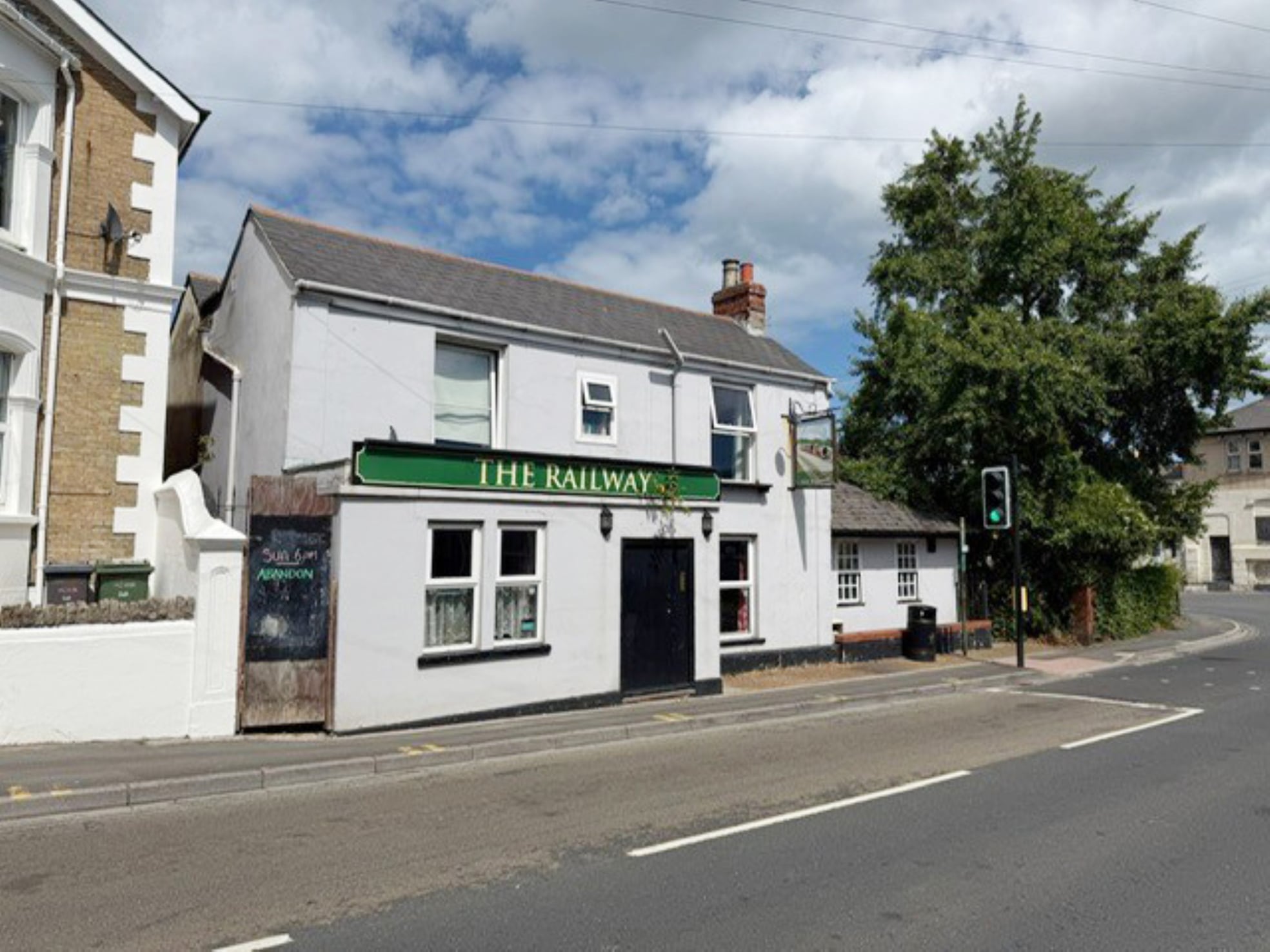
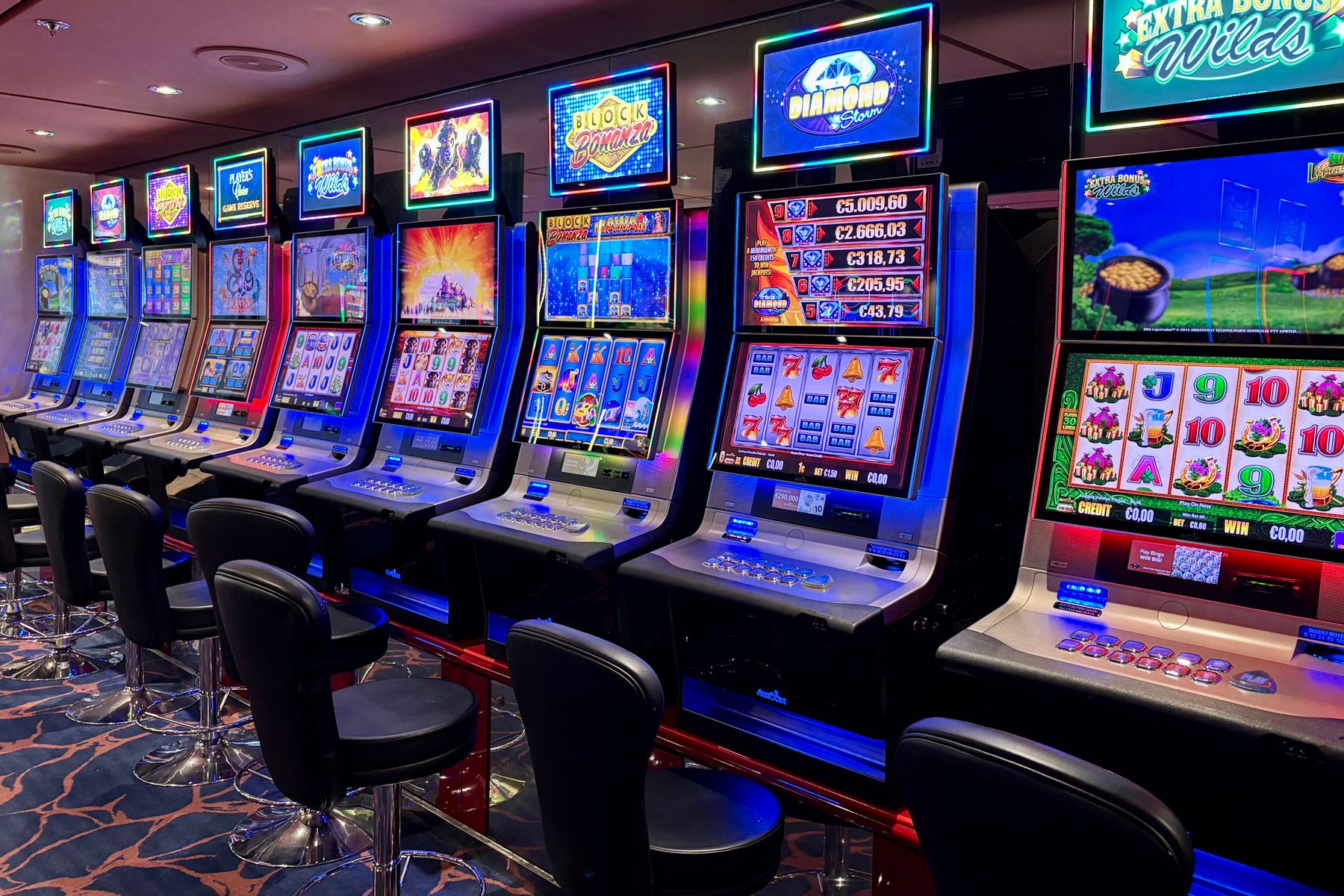
Adult gaming centres are a common sight on UK high streets. They are not a casino, as they do not offer table games. Instead, they are filled with slots, which are classified in different categories under UK law. Adult gaming centres are allowed to house those that provide larger payouts. For lower-stakes machines, which tend to exist in pubs and seaside amusements, the government is maintaining the existing rate.
The Reasons for Raising Machine Games Duty
The government had faced mounting pressure to raise the rate of Machine Games Duty. The Social Market Foundation is a political public policy think-tank that had long been advocating for this and had presented several reasons why the rate should have been raised.
The first was that those using physical machines had shown rates which were high when considering problem gambling. Around 1 in 4 people using machines were at risky or harmful levels, according to their research. They predicted that the harms caused by this actually cost £2.33 billion per year.
The SMF also said the government had already decided that taxes should be set relative to the harm they were causing, though this has not been seen in MGD. They also believed that these machines were becoming more prevalent in areas of social deprivation. According to them, 43% of the public supported increased taxes, which could be used to invest and fuel more productive spending elsewhere on the high street.

Warnings From Industry Insiders
Major operators have already begun to issue warnings. This has mainly focused on the fact that Machine Games Duty could raise costs, force venue closures, result in unemployment and prevent investment. Last year, while some major operators experienced growth of 6% via digital channels and 5% physical year on year, casino premises were closed due to economic viability.
The immediate impact of this was not as bad as many companies may have expected. In fact, shares in the three major gambling companies rose shortly after the announcement.
Yet betting companies did not get away without a hitch. A raise in the minimum wage has meant that a 3.9% rise from £12.71 to £13.20 an hour is set for over 21s. The National Minimum Wage for 18 to 21-year-olds, currently set at £10.72 per hour, will also increase by 3.9%. For betting shops which rely on low-paid staff, this will have to be factored into their costs.
It also comes on top of a previous rise in other taxes. Remote Gaming Duty (RGD) moved from 21% to 40% in April 2026. Another rise will come from General Betting Duty (GBD), which will go from 15% to 25% next April, though this will exclude retail.
Bingo clubs were also against this, with the Bingo Association highlighting how the government had abolished bingo duty in April, in a bid to help keep clubs open and operating. Predictions were that this had provided £22 million to the sector, though this has now been reversed and the rise in MGD rates will make it more likely to be £13 million.
This was a tight budget for the government. With global financial situations at a low ebb, and UK households struggling, the pressure was on to find funds from somewhere, and the gambling sector was it.