
























































More than 8,800 butterflies and day-flying moths have been spotted across the Isle of Wight during a bumper summer, but conservationists are warning that the Island’s wildlife could still face the consequences of prolonged drought in 2027.
The latest local results from Butterfly Conservation’s 2026 Big Butterfly Count reveal that 633 people took part across the Isle of Wight, recording 8,803 butterflies and day-flying moths during the 3-week survey.
Gatekeepers were the most commonly spotted butterfly on the Island, followed by Small Whites and Meadow Browns.


There was also a particularly strong showing for the Painted Lady, with citizen scientists recording 552 on the Isle of Wight.
Across the UK, Painted Lady numbers increased by 335% compared with last year, in what has been widely described as a ‘Painted Lady summer’.
The migratory butterfly reaches Britain through several generations, each completing part of a journey from Africa, across the Sahara Desert and Mediterranean Sea.
Nationally, the Big Butterfly Count saw 101,565 people record almost 1.4million butterflies and moths, making 2026 the second-best year in the Count’s 16-year history.
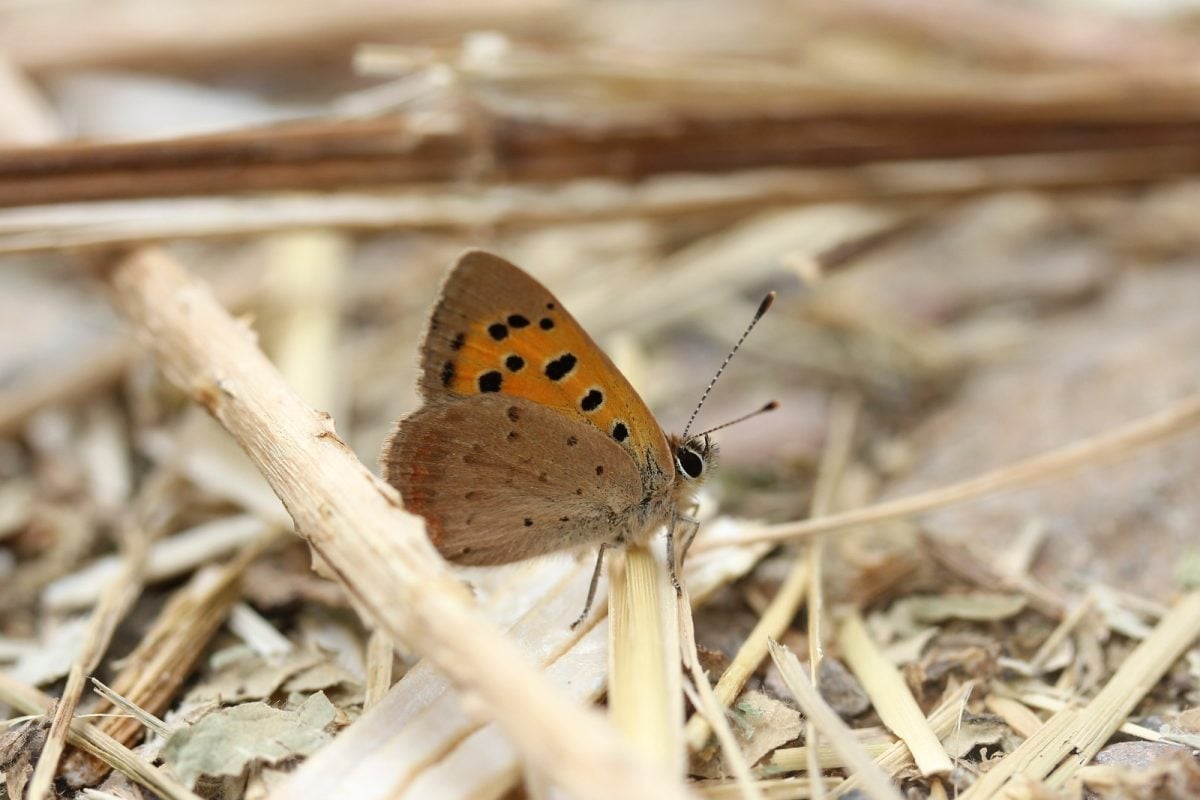
Holly Blue and Gatekeeper recorded their best-ever results nationally, while Small Copper had its third-best year.

However, the apparently positive figures come with a significant warning.
Butterfly Conservation says hot, sunny weather is ideal for adult butterflies flying, feeding and breeding, helping to explain the large numbers seen this summer.
The same prolonged dry conditions can be damaging to the plants their caterpillars need to survive, meaning the consequences may not become clear until next year.
The concern has particular relevance on the Isle of Wight, where the effects of drought on butterfly populations were already being closely watched following the hot and dry conditions of 2025.
As previously reported by Island Echo, no Dark Green Fritillary butterflies were recorded during monitoring at Mottistone Down in 2025, despite the species usually being seen there in good numbers.
Its food plant, the Hairy Violet, is particularly sensitive to drought.
There was better news for the Adonis Blue, which had a better-than-average year at Compton and Mottistone Downs after its food plant, Horseshoe Vetch, performed well earlier in the season.
However, Isle of Wight countryside experts warned that the drought later in 2025 could damage the plant and subsequently affect butterfly numbers.
Those concerns have now been compounded by another hot and dry summer.
Butterfly Conservation says many of the plants caterpillars depend upon withered or died before the insects had finished feeding on them during 2026.
Some drought-sensitive species also struggled nationally during this year’s Count, with Speckled Wood, Green-veined White and Ringlet all recorded in below-average numbers.
Small Tortoiseshell experienced its second-worst year since the Big Butterfly Count began and has declined by 66% since 2011.
Professor Richard Fox, Head of Science at Butterfly Conservation, has said:
“Adult butterflies love hot, sunny weather for flying, feeding and breeding, and that’s exactly why people saw so many this summer. However, the very same weather that made it a good year for butterflies – lots of sunshine and very little rain – could mean we’re actually on course for a population crash, which could take years to recover from.
“The extreme droughts in 1976 and 1995 had severe impacts on butterfly populations, with some species never fully recovering. And the major problem we have now is that 80% of the UK’s butterflies have declined since the 1970s, so many are already struggling for survival, without these extreme weather pressures.
“With increasingly hot, dry summers and droughts predicted to become more and more frequent due to climate breakdown, degraded habitats and already depleted butterfly populations, some species may be pushed further and faster towards extinction, which is a very sombre thought.
“They are, quite simply, less resilient to these events, which means we could be looking at very difficult years ahead.”
Butterfly Conservation is encouraging Islanders to make gardens and other outdoor spaces more resilient to drought over the coming months.
Planting trees and shrubs such as Holly, Ivy and Buckthorn can provide food, shade and shelter, while collecting rainwater in water butts can create a reserve for important plants during periods of dry weather.
The charity also recommends leaving patches of grass to grow long.
Longer grass develops deeper roots and can remain green for longer during drought, while providing food plants for caterpillars of species including Speckled Wood, Meadow Brown and Gatekeeper.
Research by Butterfly Conservation scientists found gardens containing a patch of long grass saw up to 93% more butterflies and a greater variety of species.
The Big Butterfly Count will return in 2027 from 9th July until 1st August, when observations from citizen scientists on the Isle of Wight could provide an important indication of the true impact of this summer’s extreme weather.
More information and butterfly-friendly gardening advice can be found at www.butterfly-conservation.org.