
















































 2 locations around the Isle of Wight have been included in a list of unusual buildings or places that have been listed, scheduled or upgraded across London and the South East this year.
Over 500 historic places have been added to the National Heritage List for England in 2019. As the year draws to a close, Historic England celebrates the 28 sites that have gained protection in London, and the 82 sites that have gained protection in the South East.
Across the country, 553 new entries in total have been added to the National Heritage List for England. This includes 513 new Listings, 37 newly Scheduled Monuments, 2 newly protected Parks and Gardens, and 1 newly Protected Wreck.


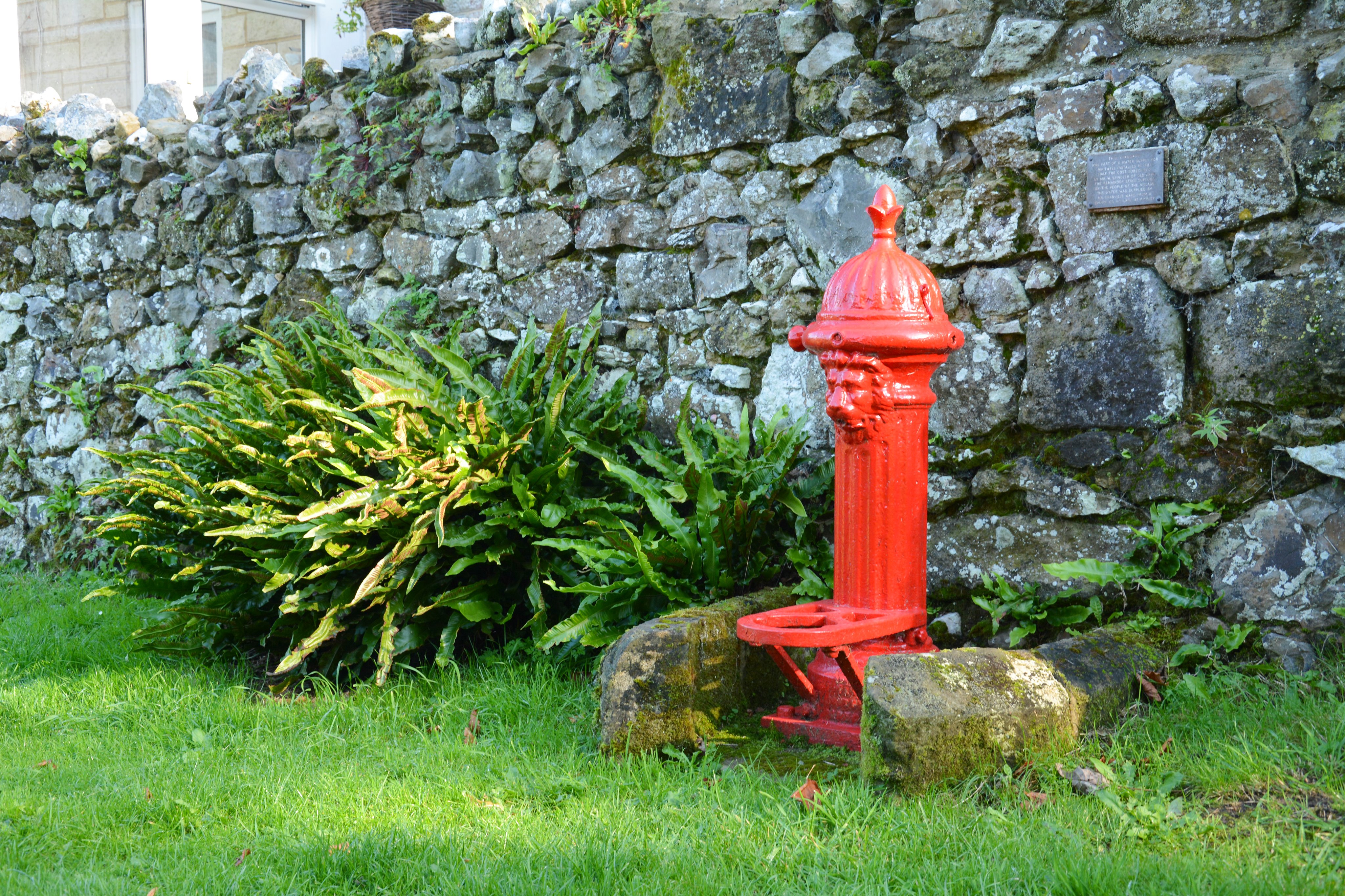
On the Isle of Wight, the water hydrant in Whitwell – now Grade II listed – has been included as an unusual visit. The hydrant was created in the late 19th century in decorative cast-iron, and remains fully intact. Although water hydrants were once a common feature of the street scene, original examples, especially of this quality and intactness, are increasingly rare.
It comes from an age when a reliable and clean water supply was not universally available and is a reminder of the philanthropy shown by some Victorian landowners to their local community. It is part of a system of 8 hydrants located throughout Nettlecombe and Whitwell, the other 7 of which are also listed at Grade II.
Just off the coast of the Isle of Wight, the wreck of the SS Faith has been scheduled. The SS Faith was an early iron steamship, built in 1852. It sank in 1855 off the coast of the Isle of Wight, after springing a leak in heavy weather. Its identity was confirmed in 2002, and it has been a popular dive site for decades.
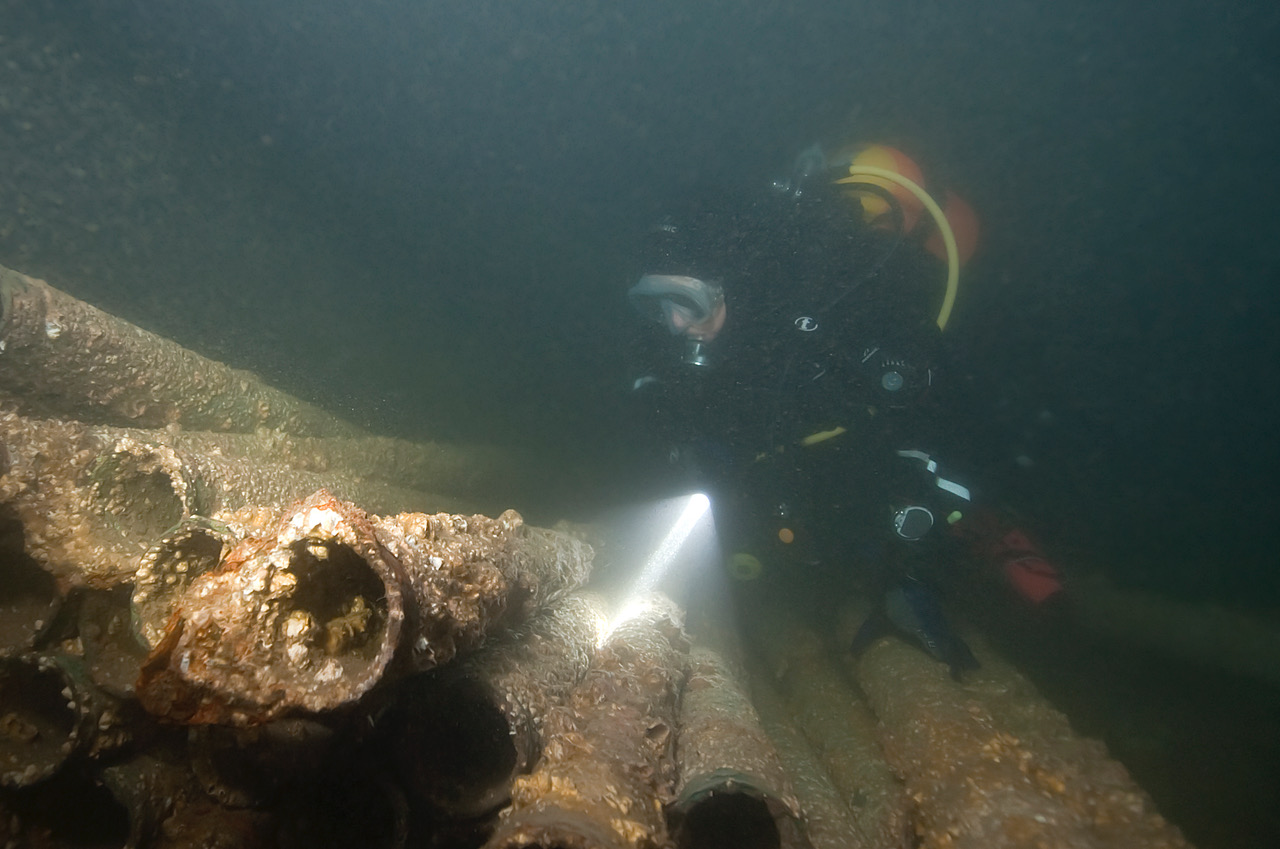
As 1 of only 5 early iron steamships that sailed in English waters from 1840-60, it retains unique information regarding screw-driven steamships, during a time of significant technological changes as shipping moved from sail fully into the steam age. The deepest of the known iron-hulled vessels, this wreck also lies within seabed sediment conducive to preservation, so is likely to be the most complete surviving example of its kind.

Emily Gee, Regional Director (London and South East), Historic England said:
“These highlights show the range of interest above and below ground in London and the South East. We see how buildings enabled our work – in the delightful Cabmens’ Shelter and the remarkable Nursemaids’ Tunnel – and helped us play – in the extraordinary Curtain Playhouse. Our crucial relationship with water is expressed in the Water Hydrant on the Isle of Wight, the Porchester Centre’s rare surviving baths, and the early iron steamship SS Faith. Together these places offer a glimpse into our history and its relevance to our lives today.”












Great to preserve our history. Never more important as our agricultural areas, farms, hedges and natural beauty is destroyed by huge building programmes, with only the almost ‘insulting’ street names, such a Hawthorn close, or Bluebell Meadow, as a reminder of what was once ‘there’, now replaced by social housing with a sky box, an ageing oil dripping BMW, and the whiff of dope and fry up, replacing the once clean country air.