







































The Worsleys built one of the Isle of Wight’s grandest houses, before one of Britain’s most notorious court cases brought them down.
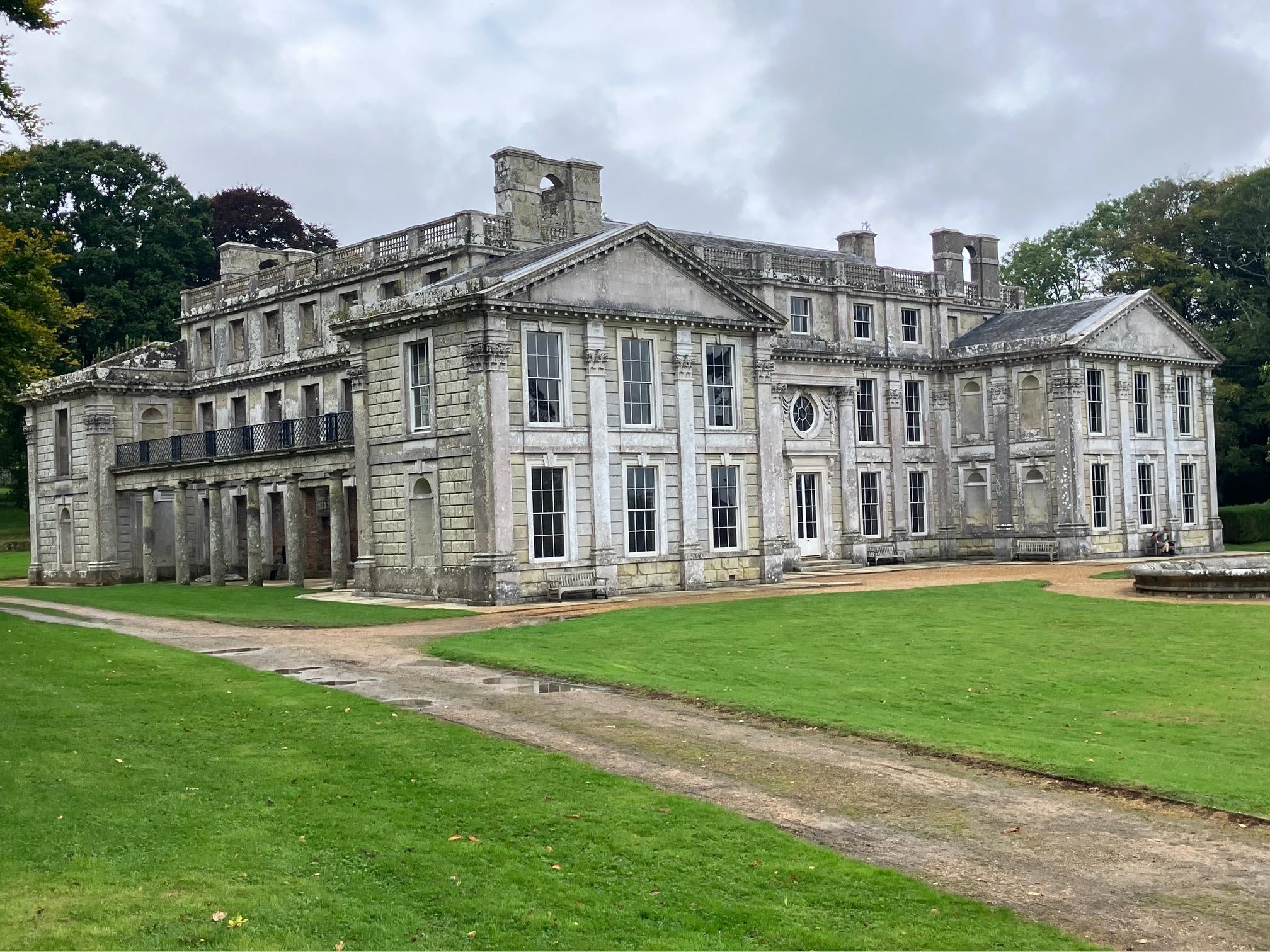
Today, Appuldurcombe House is one of the Island’s most striking ruins. At its height, it was home to the Worsleys, one of the Isle of Wight’s wealthiest and most influential families. They entertained royalty and politicians, built one of Britain’s finest country houses and ended up at the centre of the scandal that made them the talk of Georgian Britain.
Appuldurcombe’s story began long before the Worsleys. An Augustinian priory occupied the site for centuries before the Dissolution of the Monasteries, after which the estate passed to the Leigh family. Anne Leigh’s marriage to James Worsley during the Tudor period brought Appuldurcombe into the hands of a dynasty whose name would dominate the estate for almost 300 years.


The Worsleys prospered through royal service, political influence and advantageous marriages, becoming one of the Isle of Wight’s most powerful dynasties.
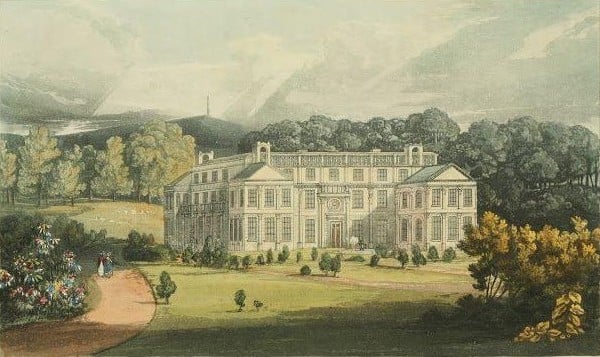
Disaster struck in September 1567. Preparations were under way for a general muster of the Island militia when servants laid damp gunpowder out to dry in the gatehouse. A stray spark ignited a nearby barrel, killing Sir Richard Worsley’s only sons, John and George, aged just 8 and 9. The explosion almost extinguished the family line before the great house had even been imagined.
The family recovered from the tragedy. During the early 18th century Sir Robert Worsley swept away the old manor and commissioned one of Britain’s finest Baroque country houses. Designed by architect John James and later enlarged by Sir Richard Worsley, elegant interiors, sweeping staircases and landscaped parkland transformed Appuldurcombe into one of the grandest estates in southern England.
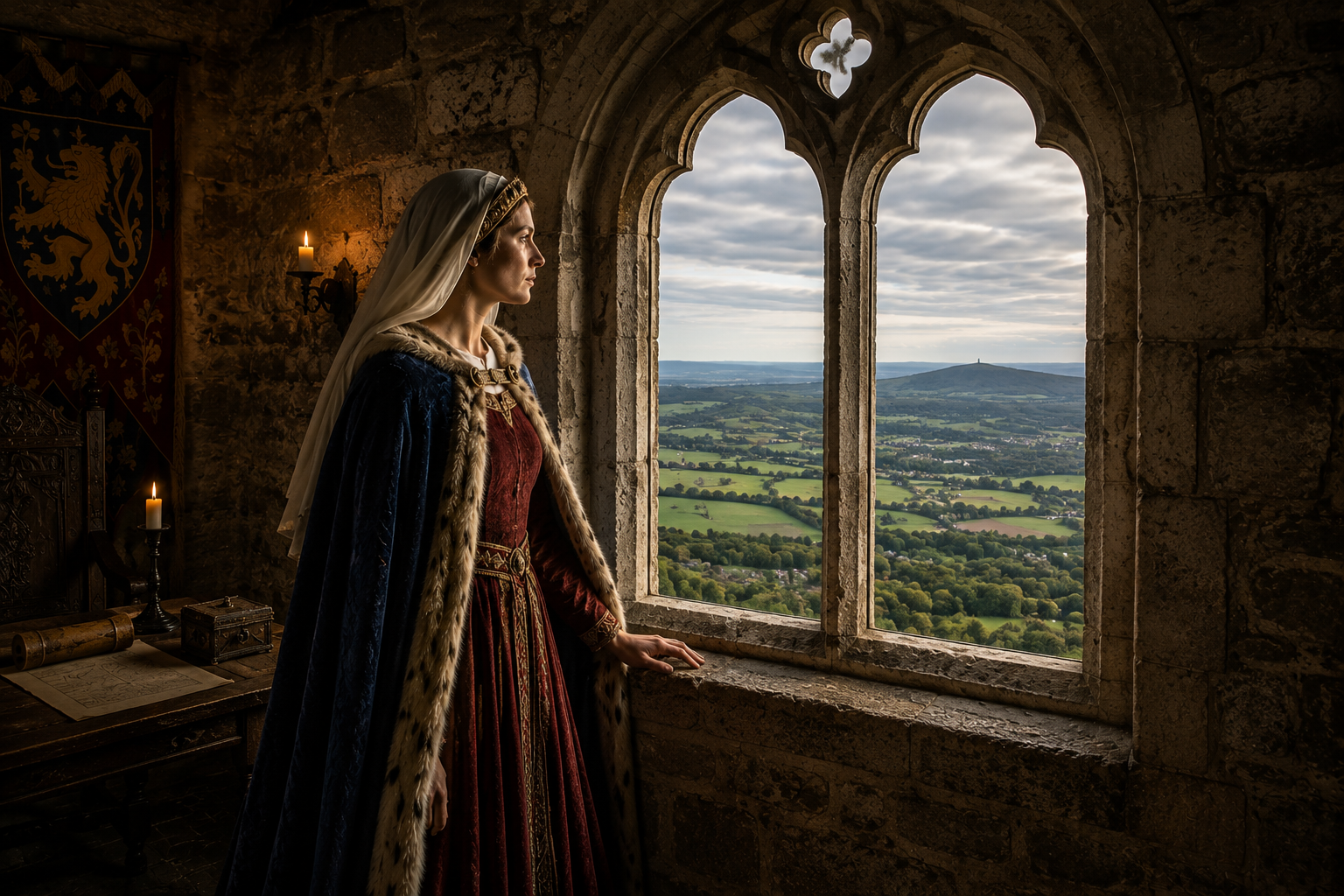
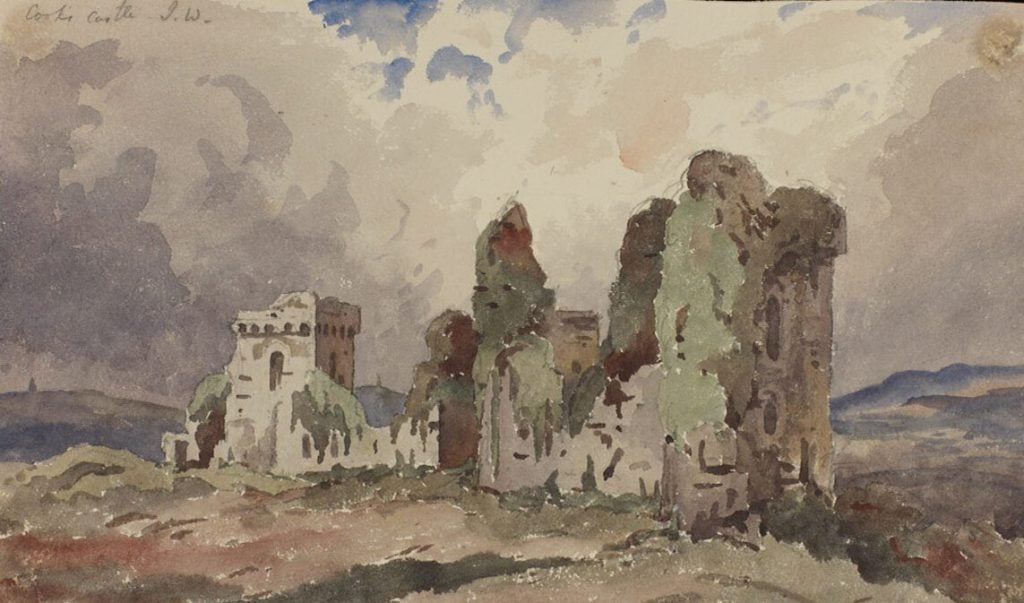
Sir Richard continued to embellish his inheritance. The surrounding landscape was transformed into sweeping Georgian parkland, while visitors admired Cook’s Castle, a picturesque Gothic folly perched high above the estate. Designed to delight rather than defend, it offered magnificent views across the south of the Isle of Wight, becoming one of the estate’s most distinctive landmarks before it, too, disappeared.

Sir Richard inherited more than a magnificent house. Antiquarian, politician and collector, he also inherited one of the Island’s greatest fortunes. In 1775 he married Seymour Dorothy Fleming, one of the most eligible women in Georgian Britain. Her immense fortune made an already wealthy man richer still.
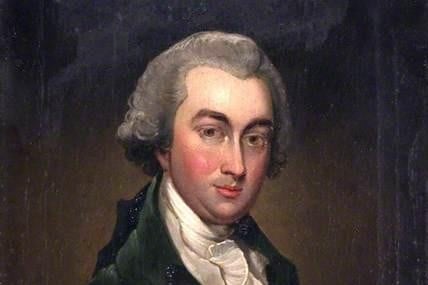
George Bisset, Sir Richard’s friend and neighbour at Knighton Gorges, soon became a regular visitor to Appuldurcombe – and Seymour’s lover.
Determined to restore his honour, Sir Richard sued Bisset for £20,000 – around £4.4 million today. The case backfired spectacularly.
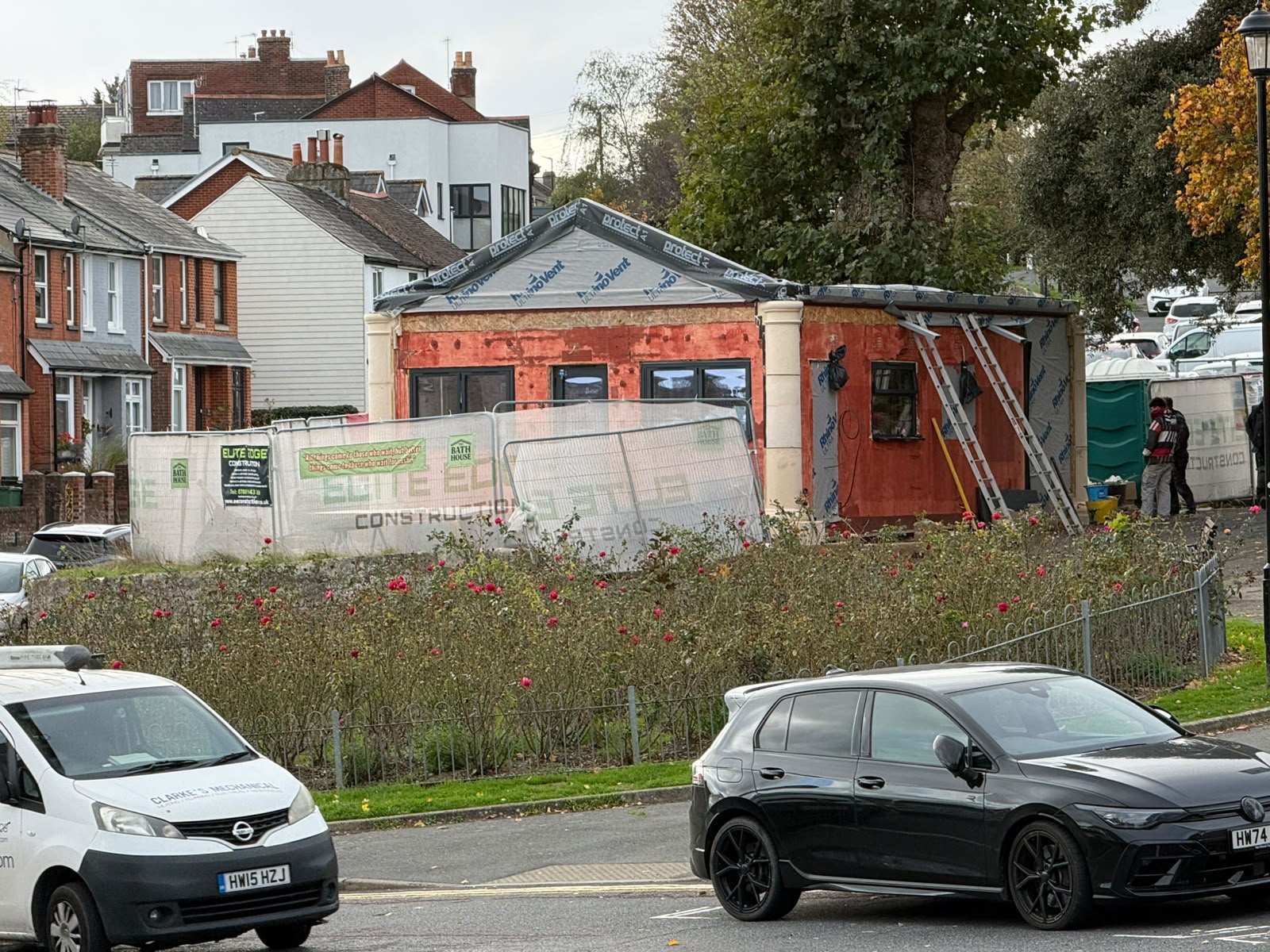
Witness after witness dismantled Sir Richard’s case. Instead of the wronged husband, he was portrayed as a voyeur who encouraged his wife’s affairs. The most sensational allegation claimed he had hoisted George Bisset to the window of a bath-house so they could watch Seymour as she bathed.
During the hearing it was alleged that Seymour had conducted affairs with no fewer than 27 lovers. Newspapers revelled in every lurid detail and Georgian Britain could talk of little else. The writer and politician Horace Walpole later claimed that “thirty-four young men of the first quality had enjoyed her favours”.
The jury accepted that adultery had taken place but awarded Sir Richard damages of just one shilling – 5p in today’s currency.
Seymour became one of Britain’s most notorious women; Sir Richard’s reputation lay in ruins.
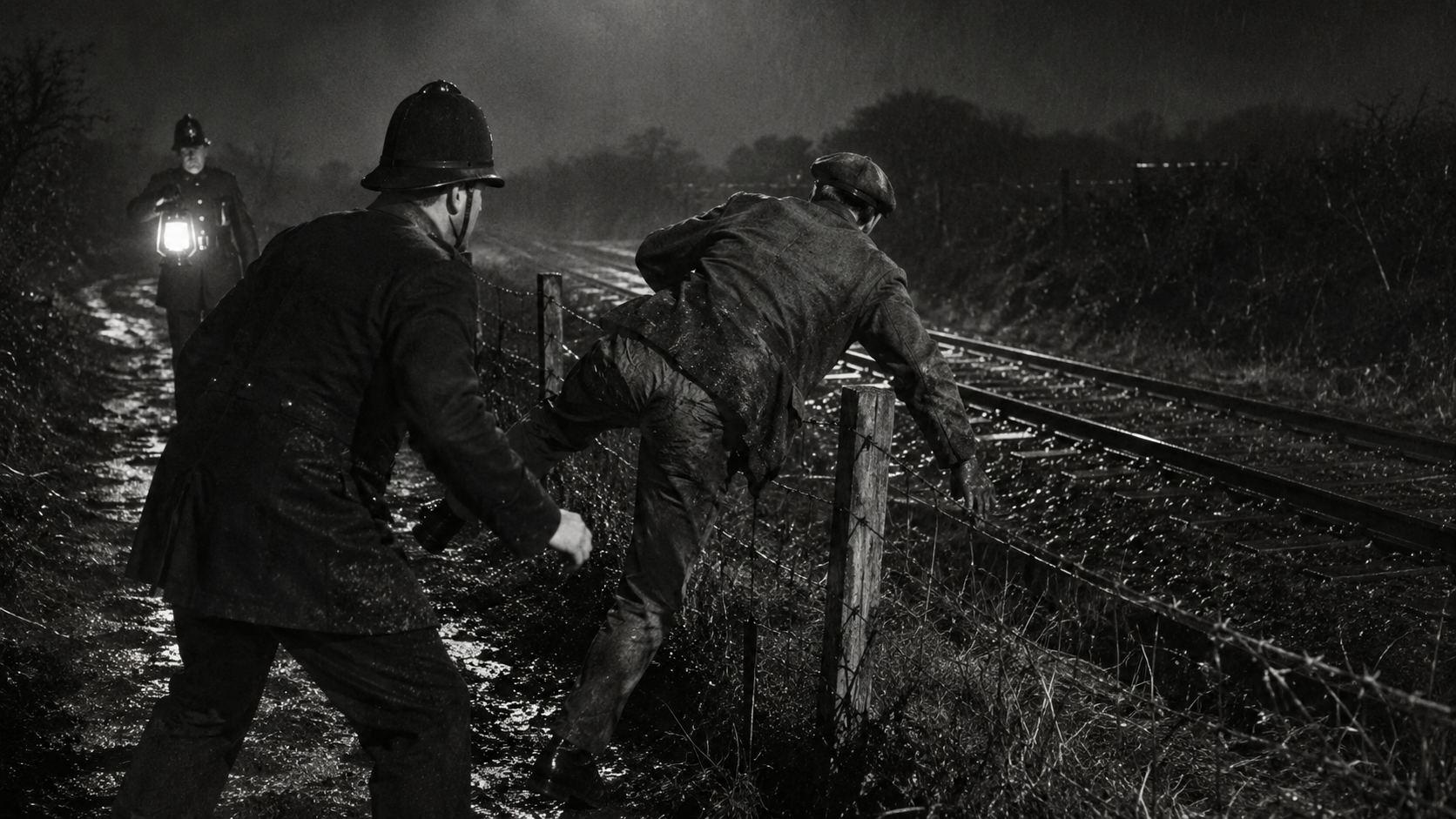
Their only legitimate son, Robert Edwin Worsley, died in 1795 aged just 19. Sir Richard also acknowledged Seymour’s daughter by George Bisset as his own. Seymour eventually settled in France, where she died in 1818. The story proved so extraordinary that more than 230 years later it inspired the BBC drama The Scandalous Lady W.
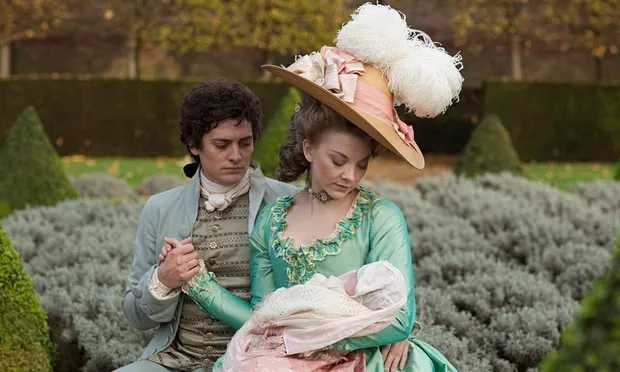 Scene Scene from the BBC drama The Scandalous Lady W
Sir Richard died in 1805. Almost three centuries of Worsley ownership were nearing their end.
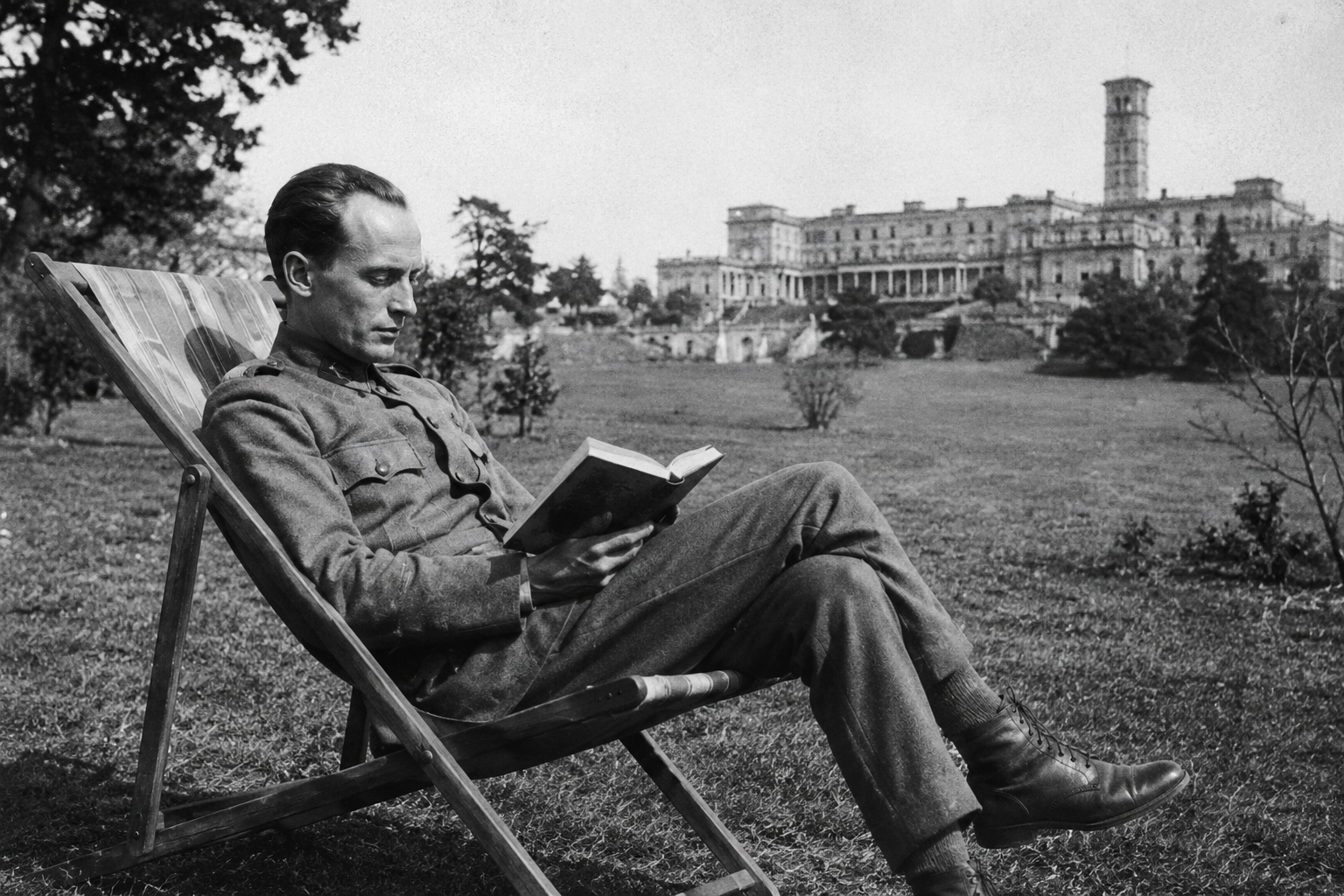
The estate eventually passed out of Worsley hands and entered a very different chapter of its history, serving at various times as a hotel, Dr Pound’s School and, for a period, a home for Benedictine monks before their move to Quarr Abbey.
The Second World War inflicted the greatest physical damage. A German mine exploded close to the house in 1943, destroying much of the roof. Left exposed to the weather, the once magnificent mansion gradually became the romantic ruin seen today. It is now cared for by English Heritage.
Appuldurcombe has inspired its share of folklore. A ghostly monk is said to wander the ruins, a reminder of the medieval priory that once occupied the site. Others tell of the laughter of the 2 young Worsley brothers killed in the gunpowder explosion still echoing across the estate.
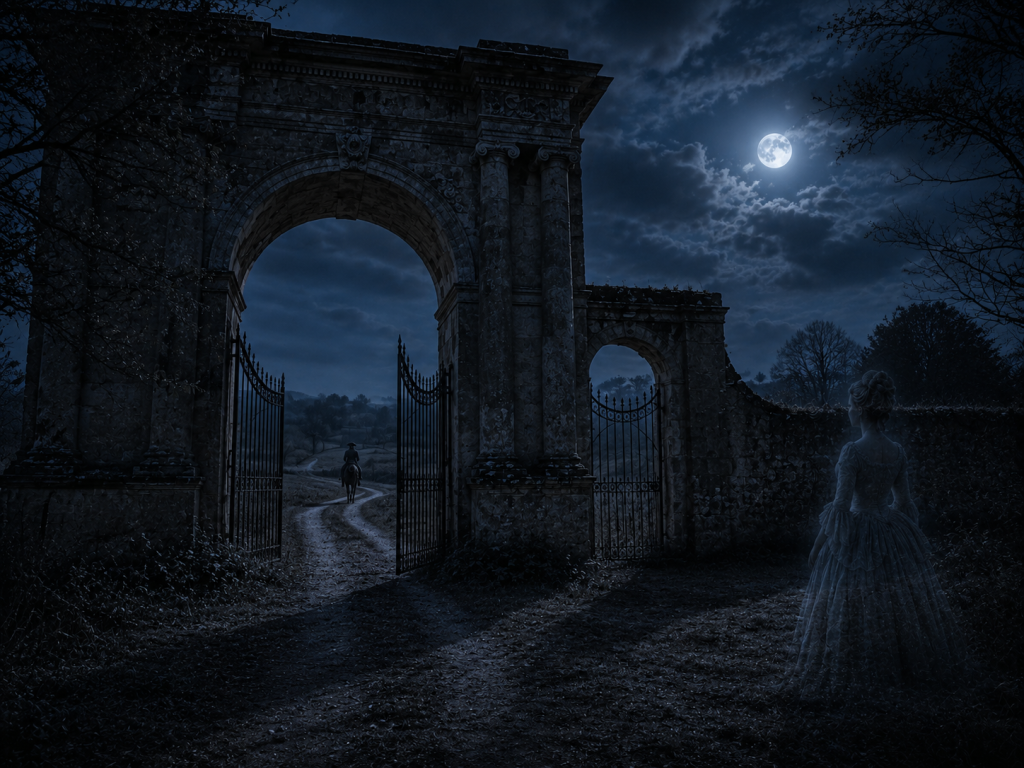
Freemantle Gate still stands where Seymour Worsley is believed to have arranged clandestine meetings with her lovers. She is still said to keep the occasional appointment.