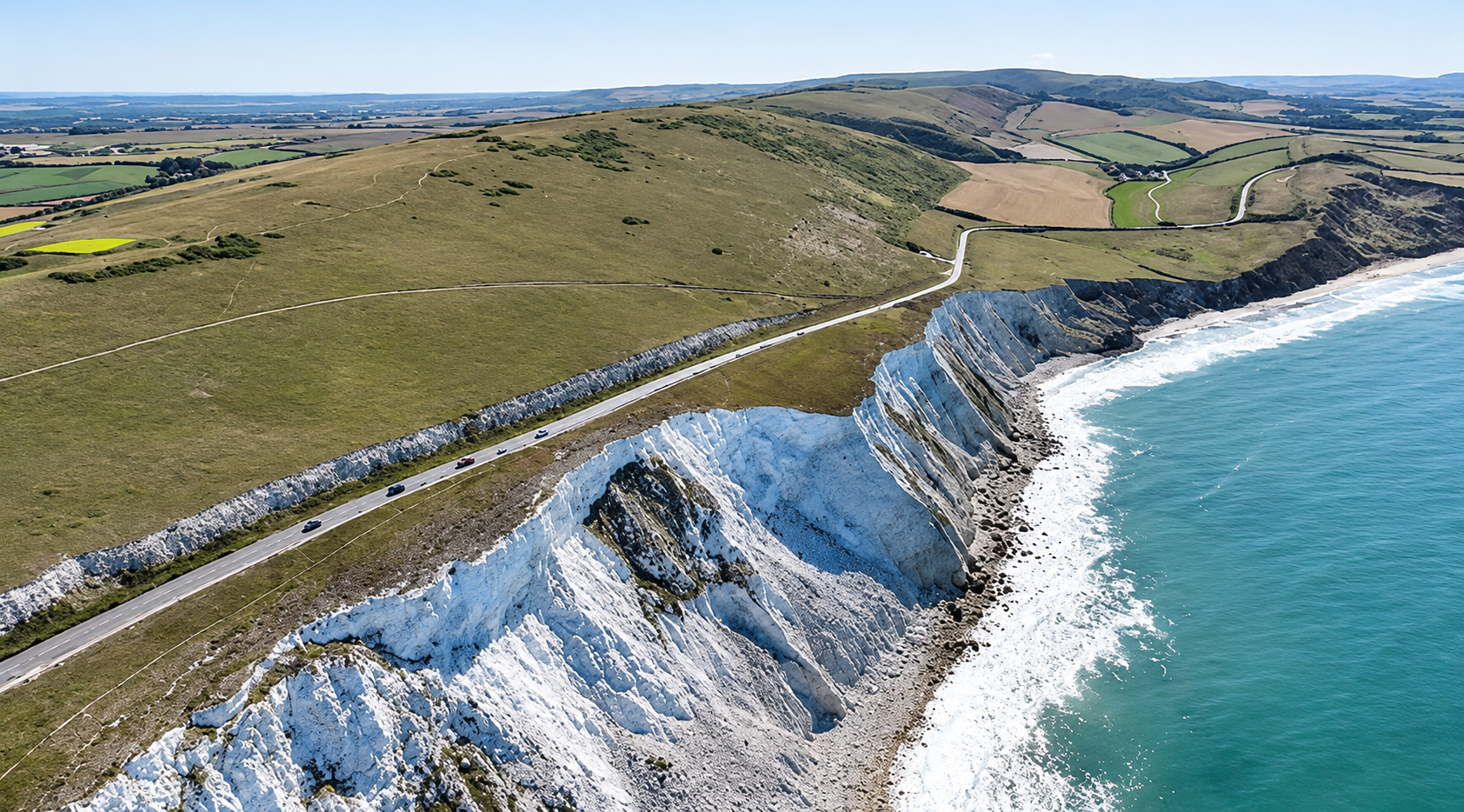




























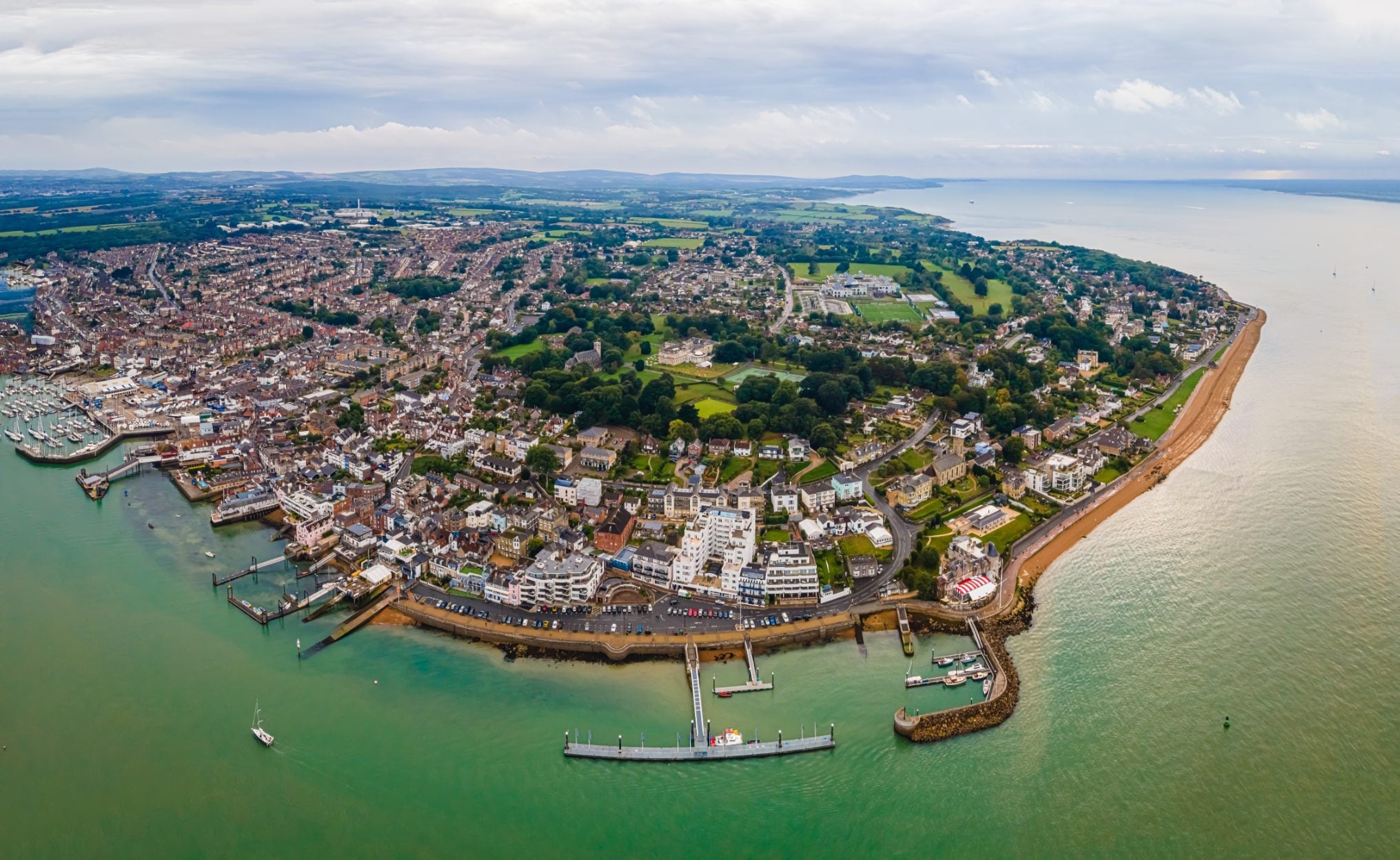

The Isle of Man looks like a slice of Northern England dropped into the Irish Sea when you’re on the deck of a ferry. The road signs look very familiar, the shops sell the same products, and everyone is speaking English.
However, you’ll quickly realise by spending time there that life on a small island runs by different rules compared to the mainland. Some of these are actually written into law, others in folklore, while some are completely weather-dependent. Here are a few things that islanders take for granted that would surprise most people on the mainland.
It Isn’t Actually the UK
The first surprise for many people is to learn the constitutional matter of the Isle of Man, like Jersey and Guernsey, as being a Crown Dependency. That means it belongs to the Crown, but it isn’t part of the United Kingdom.

It makes its own laws through Tynwald, which the island describes as the world’s oldest continuous parliament. There’s an open-air sitting every July 5 on Tynwald Hill, where new laws are read out in both Manx and English.
This independence can be seen in everyday island life, as the island prints its own coins and banknotes. They’re worth the same as sterling, but they often aren’t usable in English mainland shops.
They also have their own postage stamps, their own taxes and run their own health service. Any newcomer who plans to stay for a significant length of time will need to switch their UK driving licence for a Manx one.
The Channel Islands go even further than this. Sark is a short boat ride from Guernsey and was run as a feudal fiefdom until 2008, when it had its first ever democratic election. The old rules dictated that it was only the Seigneur who was allowed to keep any pigeons.
The Ferry Runs Your Life
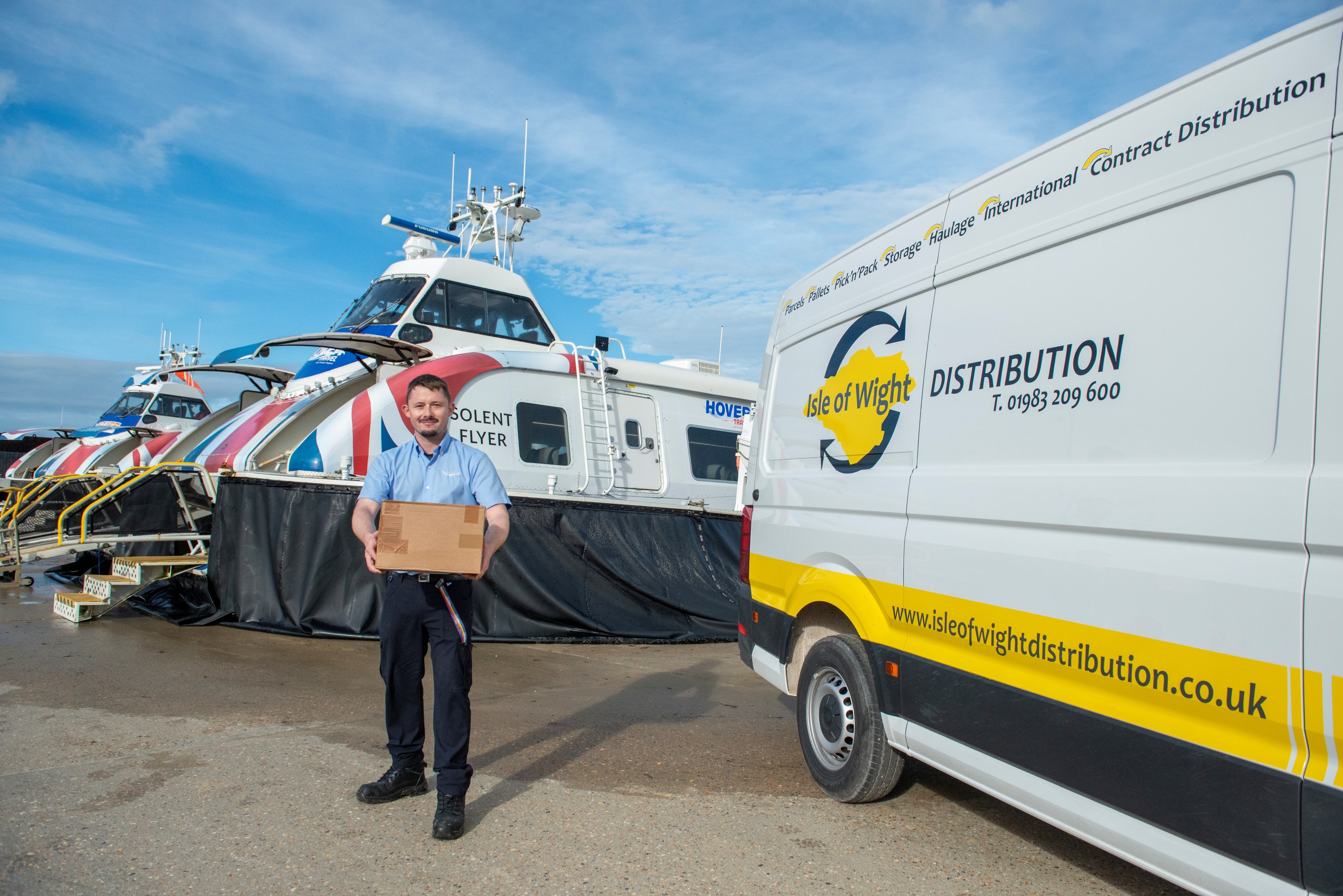
A storm on the mainland means a foggy commute, but when a storm hits the island, that means the shops can start running short. Almost everything on the Isle of Man, such as milk, newspapers, building materials, and car parts, arrives on the Isle of Man Steam Packet Company’s ferries from Liverpool and Heysham.

When the winds are blowing strongly, sailings can be halted. For example, Storm Dave in April led to the cancellation of four sailings in one day, with bad weather in July also cancelling ferries for several days. Islanders will regularly check the sailing updates, similar to how mainlanders will check the traffic.
A long spell of cancellations can mean gaps on the supermarket shelves. There are often extra delivery charges from online retailers if you have an Isle of Man postcode, with some refusing to cater to islanders altogether.
The same also applies if someone is ill. Noble’s Hospital in Douglas handles most care, but specialist treatment often requires a trip to Liverpool. Manx Care’s patient transfer service usually looks after the logistics, but the journey depends on flights and ferries running. One recent case saw a group of patients having to sleep in Liverpool’s John Lennon Airport due to widespread fog leading to flight cancellations.
Races and Fairies
The Isle of Man is well known for not having a national speed limit. Towns and villages do have restrictions, which will normally be 30 mph. However, there is no fixed maximum on many open roads, only a legal duty to drive at a safe speed. A survey of islanders in 2006 asked if they wanted to change these rules, and it was comprehensively rejected.
The same roads turn into a racetrack once a year thanks to the Isle of Man TT. This was first run for motorcycles in 1907 and sees racing taking place every May and June. Tens of thousands of fans flock over on the ferries to watch the action. Residents have to deal with road closures and find shortcuts.
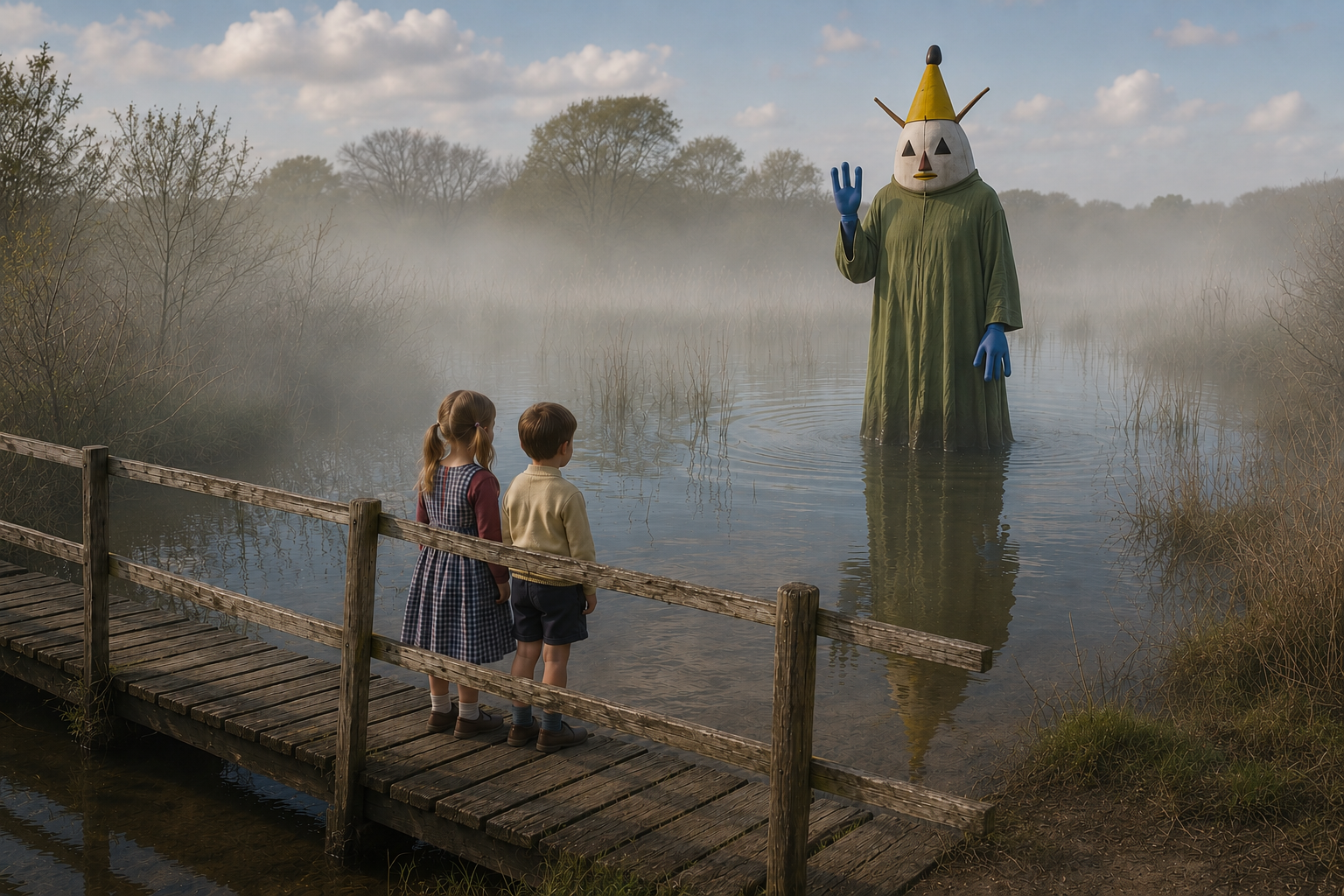
There’s also the folklore that people talk about when on certain roads. The main road between Douglas and Ballasalla, where the Fairy Bridge is located, is known as being the home of the “little people”. Locals greet them when passing by, with not doing so said to bring bad luck to the passengers.
Many Manx people also avoid saying certain words, such as “rat”, and say “longtail” instead. They also have their own version of Halloween called Hop-tu-Naa, with children carving turnips instead of pumpkins.
Small-Town Vibes
As the population of the Isle of Man is only about 85,000 people, it’s roughly the same population as a large English town but spread over 220 square miles. That means there’s a level of closeness that mainlanders don’t really experience.
Your GP could be coaching your child’s football team, and a trip to the supermarket can take an hour as you bump into people who want to have a chat. News travels fast, so it’s hard to keep anything a secret on the island.
Thankfully, the internet means that people on the island can still enjoy experiences that were once out of their reach, such as playing online slot games or getting instant news from across the world.
There’s unique vocabulary on the island. People who move there from the mainland are usually called “come-overs”, which can either be an affectionate or pointed term depending on who’s speaking. Many young people go to the UK for university, with the island worrying constantly if these people will ever return to the island life.
The differences are more pronounced on smaller islands. Sark only has a population of about 500 people and it has a blanket ban on cars. People as a result tend to rely on their two feet, bikes, or horse and cart.
Tractors are the only motor vehicles present, towing the island’s ambulances when needed. The lack of streetlights helped it become the first Dark Sky Island in the world, earning the distinction in 2011.
Worth Staying
Despite some of the challenges of living on an island, many islanders wouldn’t consider for a minute living somewhere else. Crime is low and the coast is never more than a few minutes away. Children can roam free and communities come together in times of need. There’s also a strong sense of island identity, between the native Manx language and the local food.
The trade-off is that the sea often has the final say, disrupting well-laid plans. Ferry timetables and carrying spare essentials through the winter are important. Islands like the Isle of Man run on their own rules, and they wouldn’t have it any other way.