









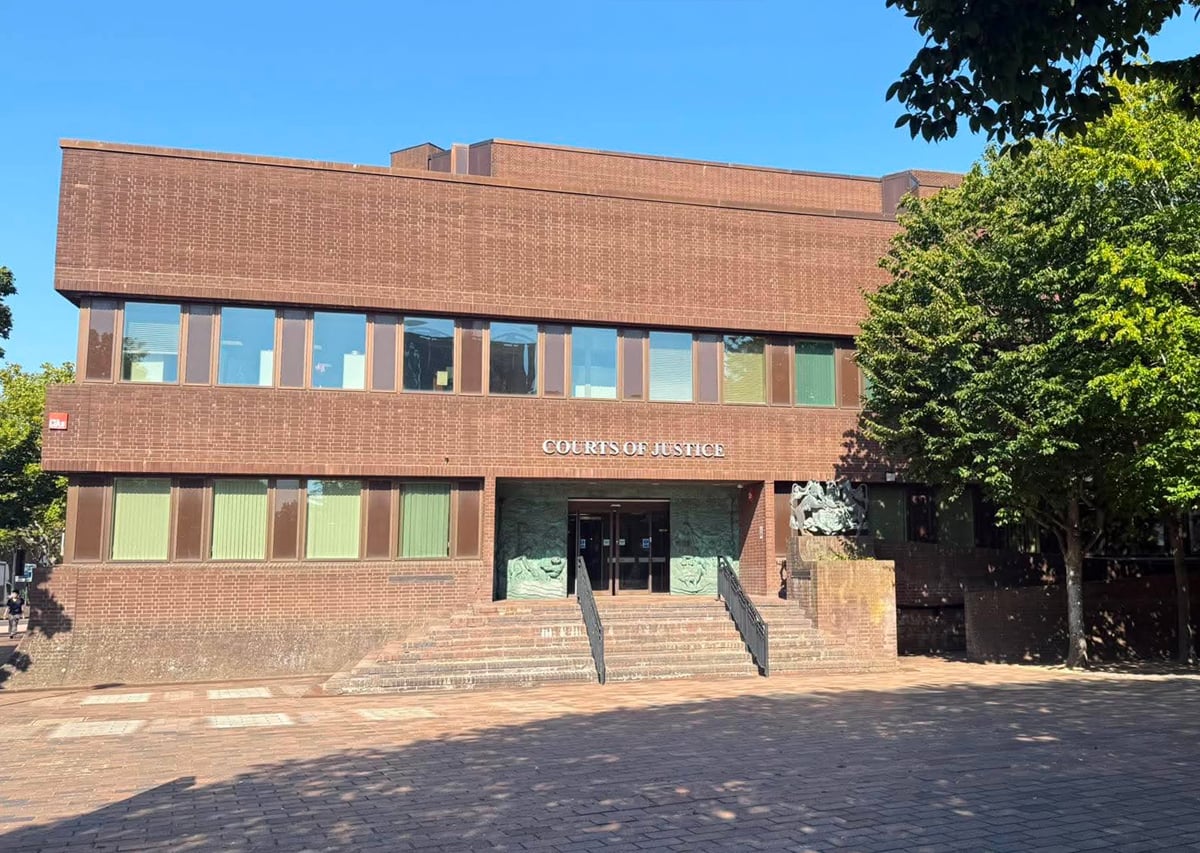

























The Isle of Wight Council has refused to reveal how it cast its 42 votes in a major tourism funding ballot, despite concerns being raised over the scheme’s governance and the use of public money.
County Hall has confirmed that it will not disclose whether it supported the Wight BID 3 proposal, which has since secured enough backing to fund Visit Isle of Wight’s 5-year plan to promote the Island as a tourism destination.
The decision to keep its voting intentions private comes after councillors on the economy, regeneration, transport and infrastructure committee (ERTIC) considered the authority’s position behind closed doors on 6th October.


Ahead of that meeting, concerns were raised in an email submitted by a member of the public, whose identity has been redacted.
The correspondence questioned whether the information presented to councillors was sufficiently accurate, complete and supported by evidence to justify a recommendation from council officers that all 42 votes should be cast in favour of Wight BID 3.
Lyn Blackledge, founder of the Wightbuzz business networking organisation, previously criticised the decision to discuss the matter in private.
She said:
“I am aware that they (council) had received a letter from a member of the public raising several issues that needed addressing.
Article continues below this advertisement “To hide behind closed doors to avoid answering those questions is simply disgraceful.”

When questioned by the Local Democracy Reporting Service (LDRS) about how the authority had voted, a spokesperson for the Isle of Wight Council said:
“The ballot process for the Wight BID was conducted as a secret ballot, and the Isle of Wight Council has respected that process throughout. As such, the council did not publicly declare how it voted.
“It is worth noting that the council held 42 votes within the ballot. With 1,321 eligible voters having had the opportunity to participate, the council’s votes represented around three per cent of the total voting entitlement.”
The successful ballot means Visit Isle of Wight can proceed with its latest 5-year tourism marketing programme, although questions have continued to be raised about the organisation’s governance.
The developments come amid changes to the Visit Isle of Wight board, with 3 members having stepped down.
They include former chief executive Dominic Wray, Garlic Festival representative David Holmes and Laura Baxter.
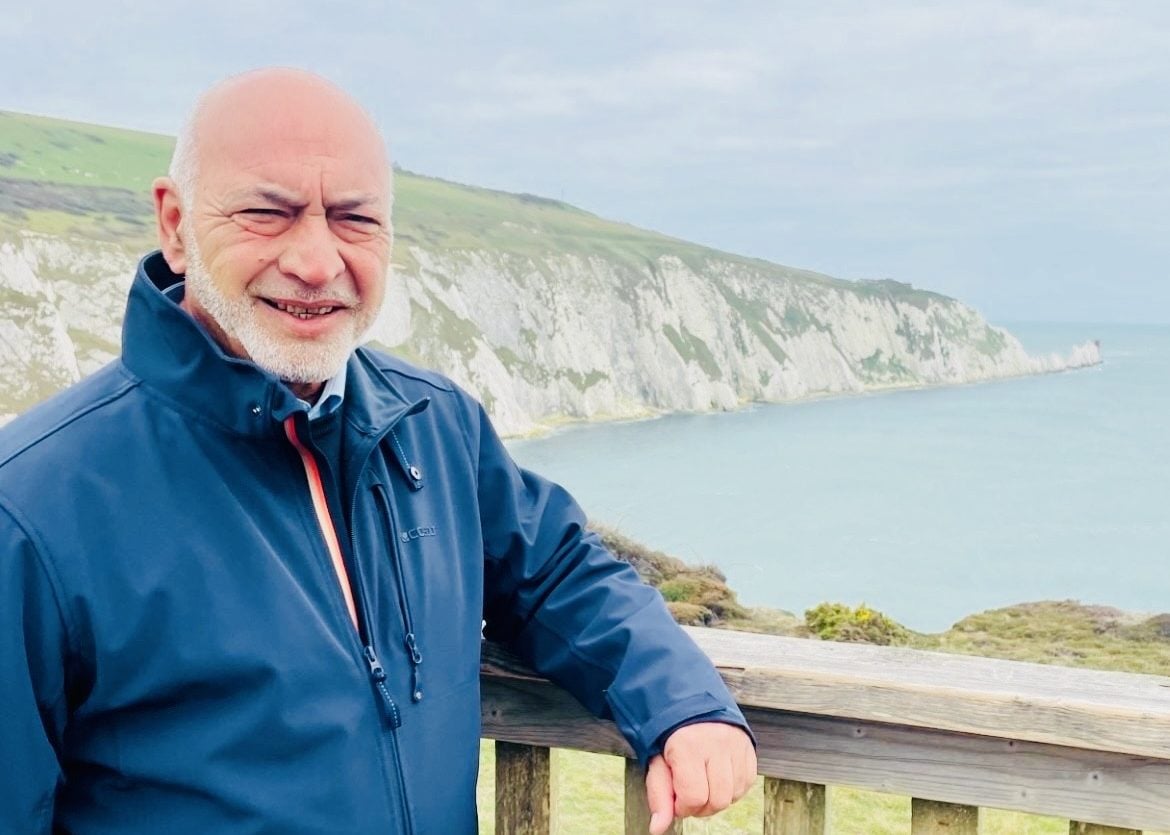
Reform UK councillor Reuben Loake, who was appointed as the Isle of Wight Council’s representative on the board on 15th July, has also left his position.
It is now for the Isle of Wight Council to decide whether to appoint a replacement representative.
Cllr Loake has not yet responded to a request for comment from the LDRS.