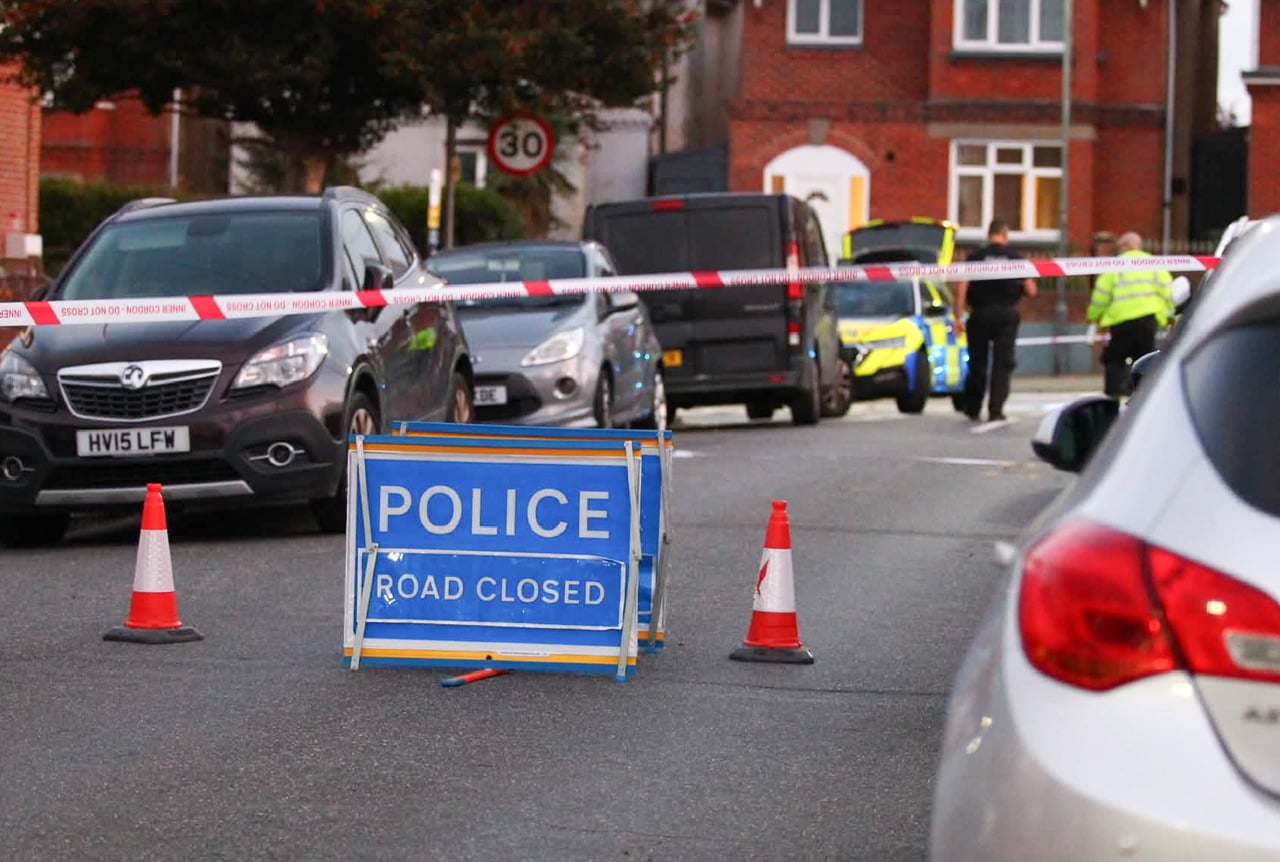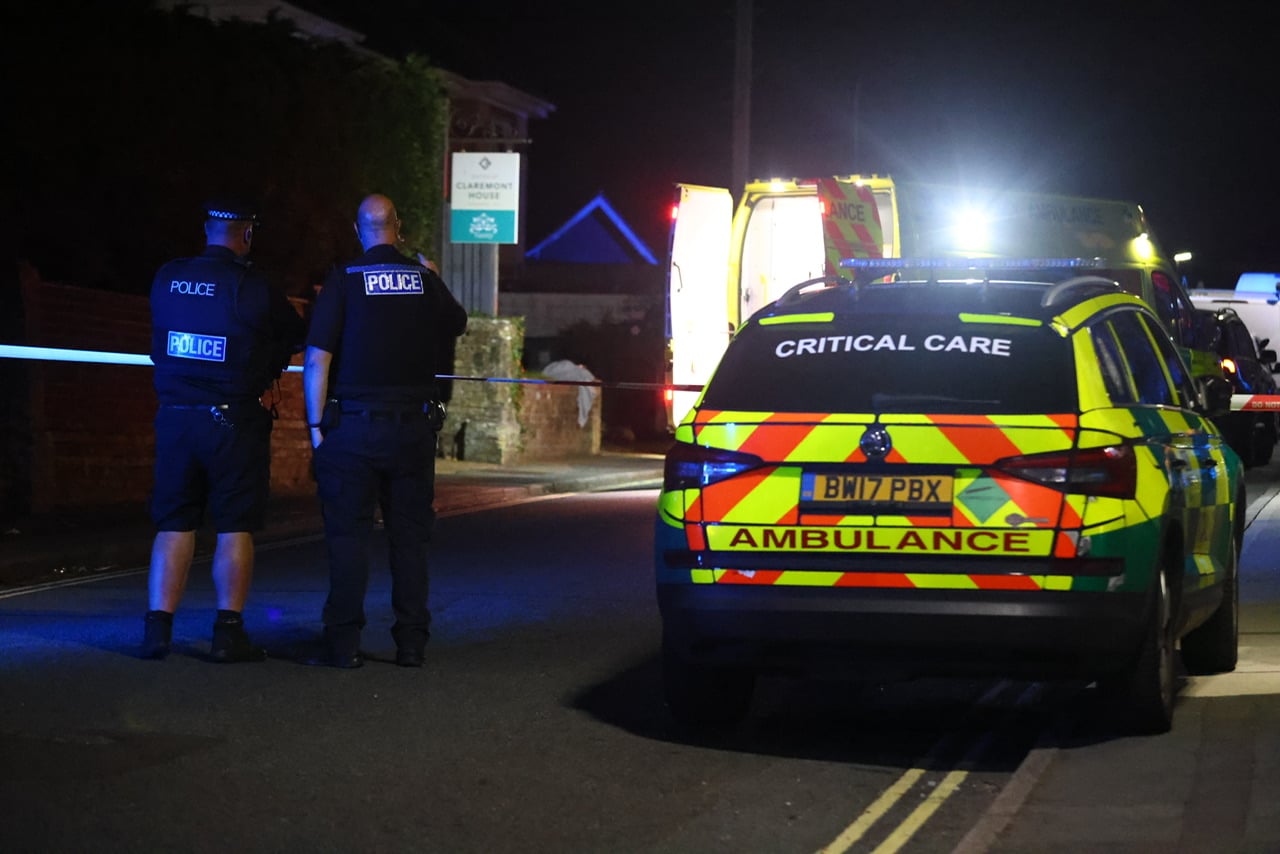














































 Health care services provided by Isle of Wight NHS Trust are under significant pressure as plans are put in place for the forthcoming Isle of Wight Festival weekend, which includes planning for any ‘untoward’ events such as a terror attack.
Last week a total of 1,533 people called the Island’s NHS 111 service for advice and direction towards which health service they should use; 842 people attended the Emergency Department and 364 people attended the Urgent Care Service at St Mary’s and there were 221 emergency admissions.
As part of the Trust’s plans for the forthcoming Festival, patients who are currently in St Mary’s Hospital are being reviewed for their fitness for care at home, with appropriate support or discharge to a nursing or residential care home.


In addition, the Trust is also reviewing major incident plans in case of a terror attack or similar. Island Echo understands more staff are being put on duty, training has been increased and even hospital linen stock levels are being checked and bolstered.
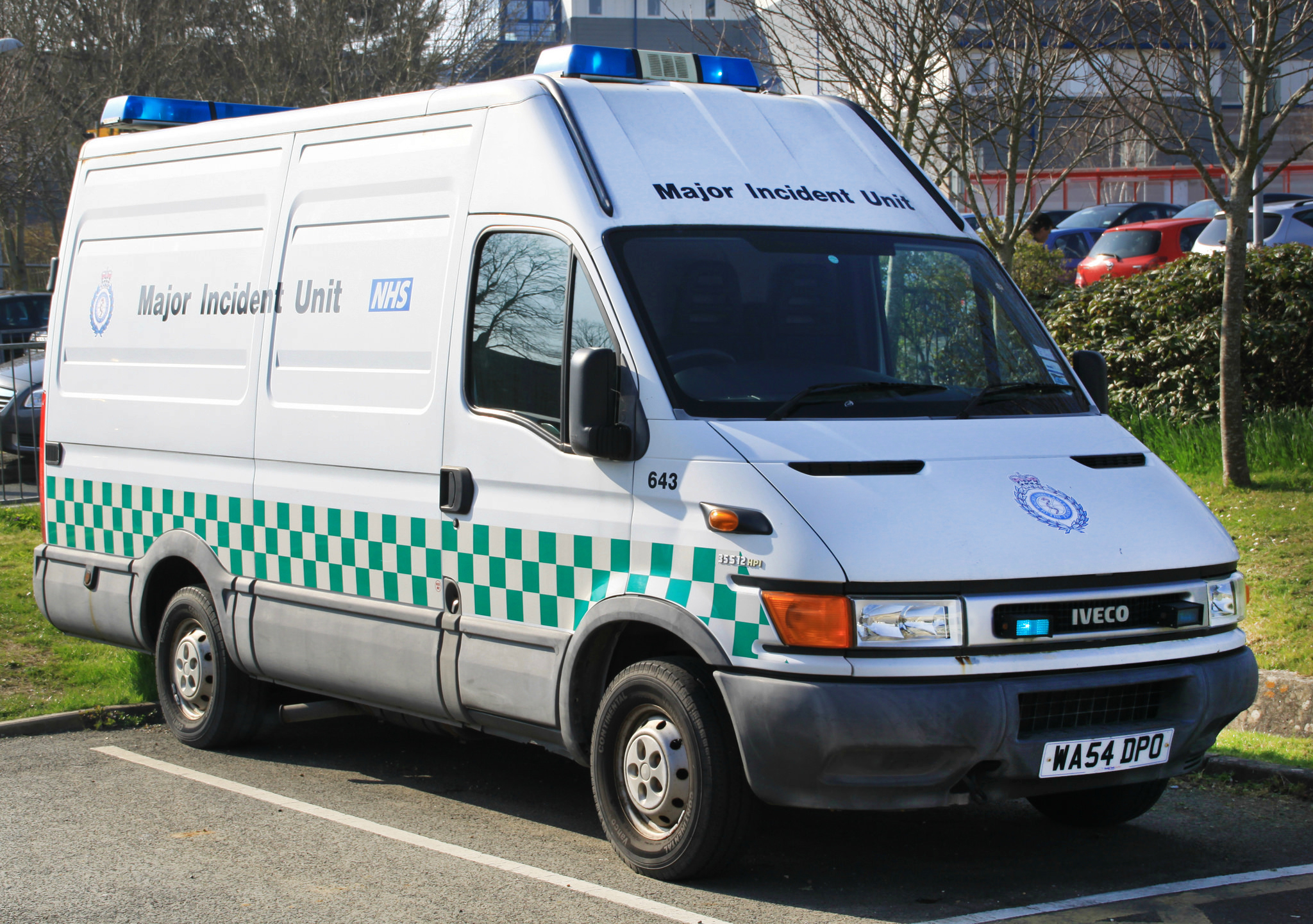
In April’s damning Care Quality Commission report, the Isle of Wight Ambulance Service’s training surrounding Chemical, Biological, Radiological and Nuclear incidents and a Marauding Terrorist Firearms Attack was raised as a concern. With no Hazardous Area Response Team (HART) situated on the Island, ambulance staff need to complete a 2-day training course every year on resilience in the event of such a major incident. However, inspectors found that there was no set training programme for staff on this and no records to confirm previous training were held.
Since the CQC report was published the local Ambulance Service has been conducting further training with the Major Incident Unit, including decontamination of persons.
Shaun Stacey, Chief Operating Office at Isle of Wight NHS Trust said:

“The pressures in our healthcare system at the moment are significant. We had a very busy week last week and need to create the ‘headroom’ this week to ensure that we can manage the forthcoming IW Festival weekend.
“We’re planning for the usual influx of festival goers as well as ensuring that we have good plans in place to support our island people and any unexpected or untoward events. At St. Mary’s this means that we are reviewing all patients. Patients who can be mobilised, dressed and sit out of their beds during the day are being encouraged to do so. No one wants to be in hospital and getting patients mobilised and into a normal routine helps them towards discharge more quickly and a better longer term recovery”.
At a time when St Mary’s Hospital is under significant pressure patients with minor illnesses are still attending the Urgent Care Service (UCS) for advice and treatment without following the advice on treatment of minor illness or phoning 111 first. There are a full range of services available on the Island to help treat minor illnesses and conditions, such as Pharmacies and NHS111, but doctors and nurses at the hospital are still seeing people coming to the Urgent Care Service with minor illnesses and conditions which could be treated without a long wait or the need to travel into Newport.
Shaun continued:
“I would encourage individuals to call 111 before walking into the Urgent Care Service at St. Mary’s Hospital. The former Beacon Health Centre has been redesigned as a service for patients with an urgent care need but it’s essential to phone first. Over recent days individuals have attended the service with conditions which could have been effectively treated elsewhere with a shorter waiting time.”
These conditions inappropriately attending the Urgent Care Service include: diarrhoea and vomiting; back pain; stress; colds; ear ache and coughs.
Mark Pugh, Executive Medical Director at Isle of Wight NHS Trust, said:
“Whilst we fully appreciate that when a person is unwell, they want advice on how they can get better, the Urgent Care Service at St. Mary’s is not the right place for most minor conditions which we still see coming through our doors. The volume of people attending with non urgent needs has an impact on our ability to attend to the very sick and those who need urgent attention.
“People are having a long wait because we have to prioritise more urgent cases to be seen for things which could be self-treated or much better managed by a Pharmacist or GP in the community and often much quicker, especially if people make use of the NHS111 service or online advice services such as NHS Choices or What0-18 (www.what0-18.nhs.uk). We would encourage people to take more responsibility for managing their health problems that do not need to be treated at St. Mary’s Hospital, but could be managed at home or elsewhere.”