































































As Summer approaches it is easy to forget how damaging the sun is to our skin and the importance of simple sun protection to reduce your risk of skin cancer.
Melanoma has become the third most common cancer among women in their 30s, after breast and cervical cancer. Each year around 9,000 cases of malignant melanoma are diagnosed, and 1,800 people die from the condition.
Specialist Skin Nurses will be at Boots in Newport on Friday 16th June from 10:30-13:00 to give advice on sun protection, how to spot the early signs of skin cancer and the team will be able to answer questions and provide support for those with a history of skin cancer.


Helen Pole, Skin Cancer Nurse Specialist said:
“We want people to enjoy the sunshine but it is so important to be sun-safe, at any age, to help prevent cancer. Our skin tans in response to the ultraviolet (UV) rays from sunlight and sunbeds. However, these UV rays can damage the skin cells, increasing the risk of skin cancer and accelerating skin ageing. Tanning from some high-powered sunbeds are reported to produce UV rays 10 times more intense than midday sunlight”.
Helen continued:
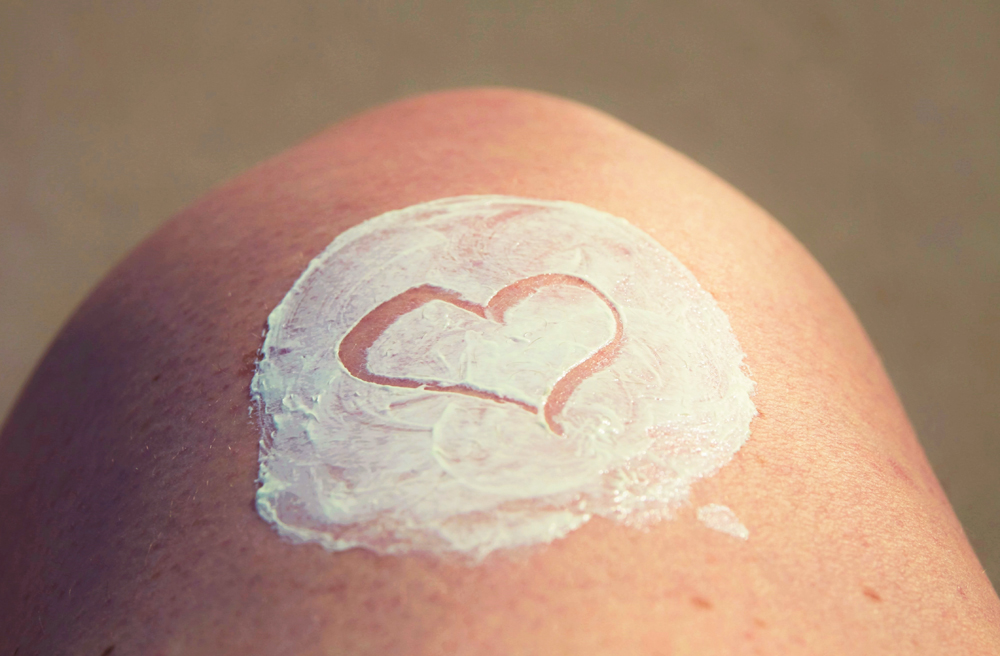
“Skin cancer is highly preventable by following simple advice such as covering up in the sun, wearing a hat and putting on a high SPF sun screen with a four star rating or more, so it will block out UVA as well as UVB rays, to reduce the risk. Try to stay in the shade between 11am and 3pm when the sun is at its strongest and don’t forget to protect your eyes with sunglasses that meet the British Standard (BSEN 1836:2005) and carry the “CE” mark.”
Men who spend long periods of time outdoors are being urged to protect themselves against the sun this summer amid a rise in the number of people being diagnosed with skin cancer in the South West.

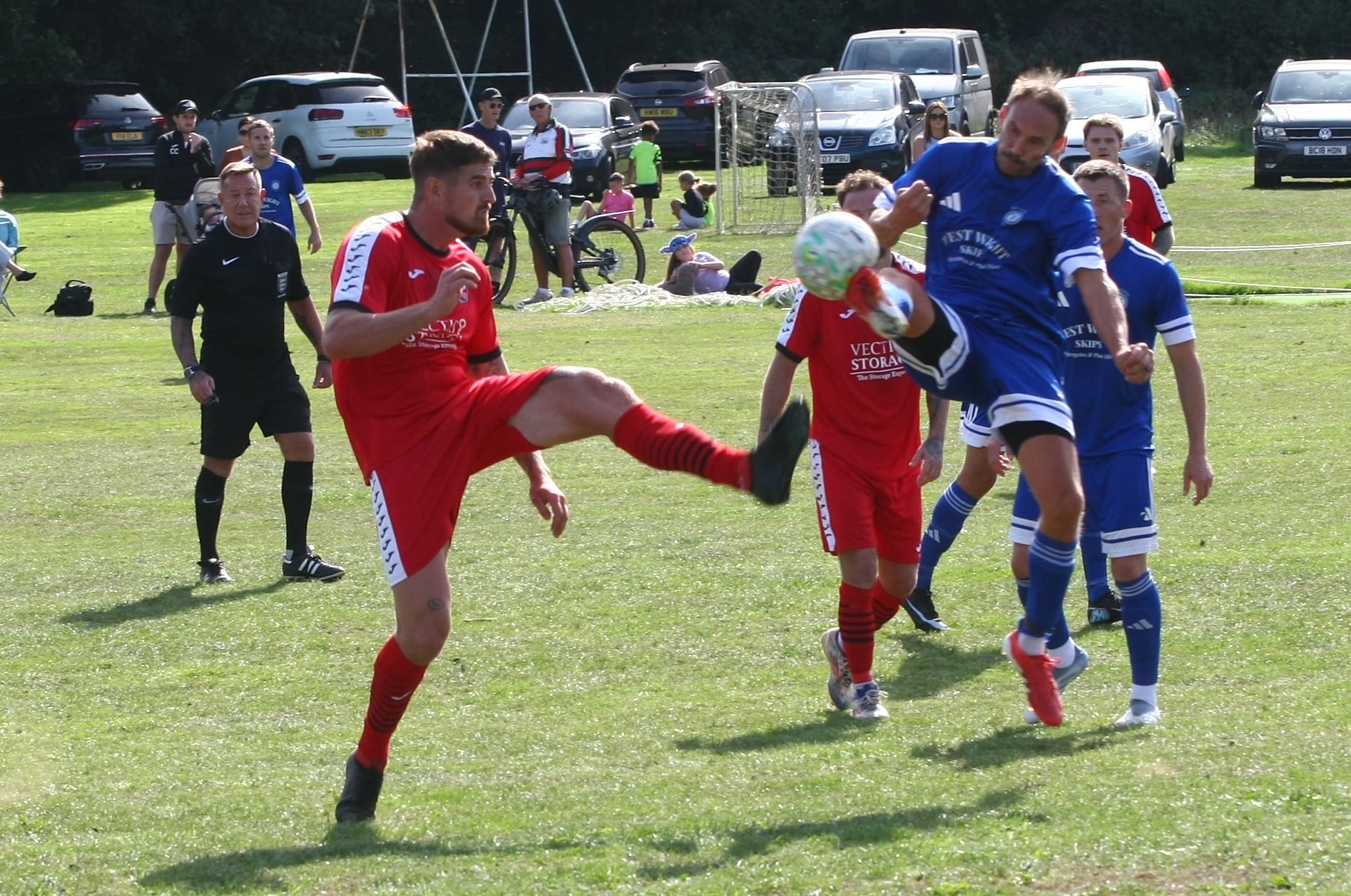
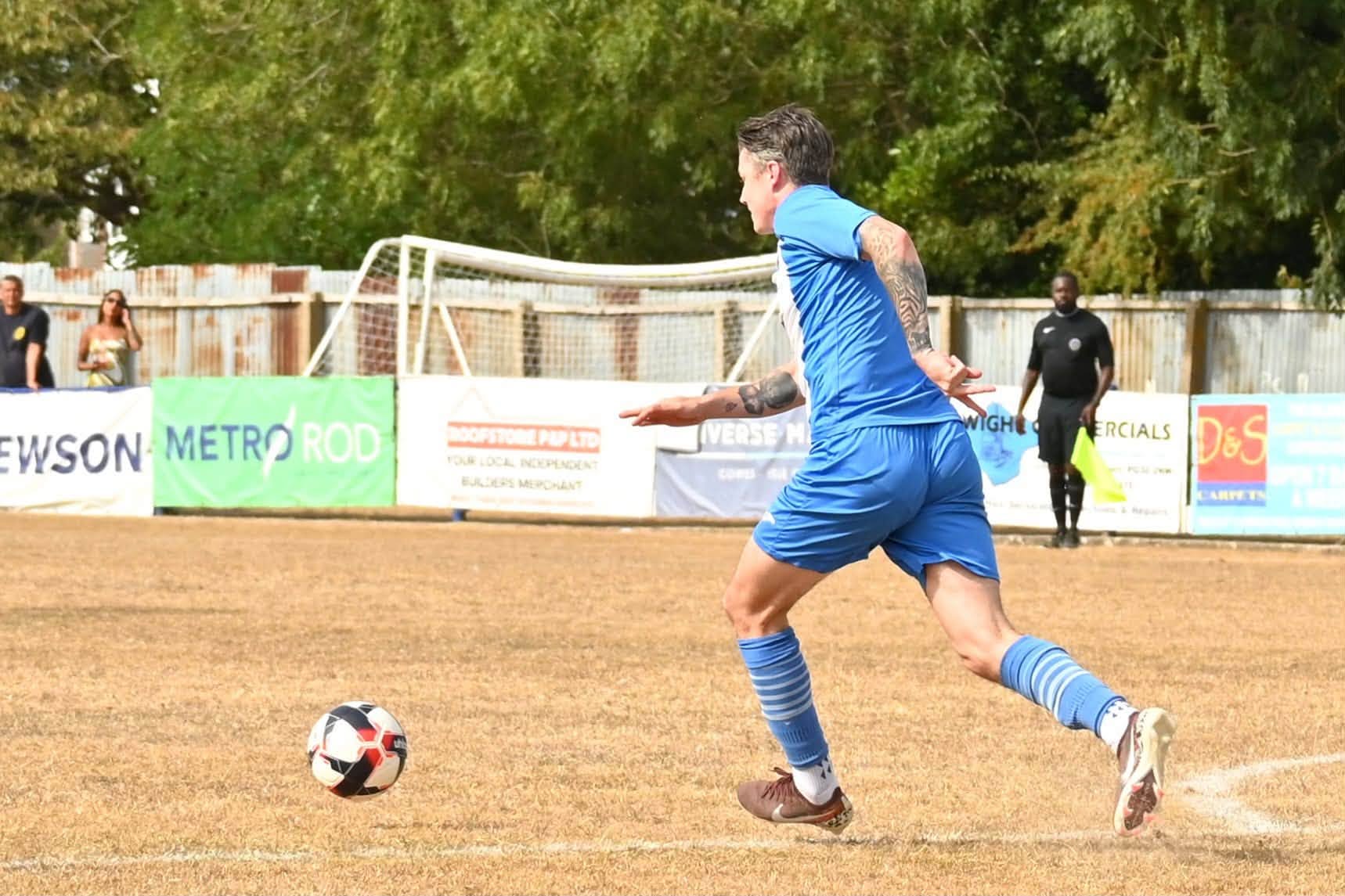
Farmers, builders, sportsmen and gardeners are all being targeted by NHS England South’s “Cover Up, Mate” campaign because of their prolonged exposure to the sun – and men are a particular focus because research indicates that they are much less likely than women to slap on the sunscreen.
Find out more about skin cancer and sun safety at www.nhs.uk and search Live Well / Summer Health.