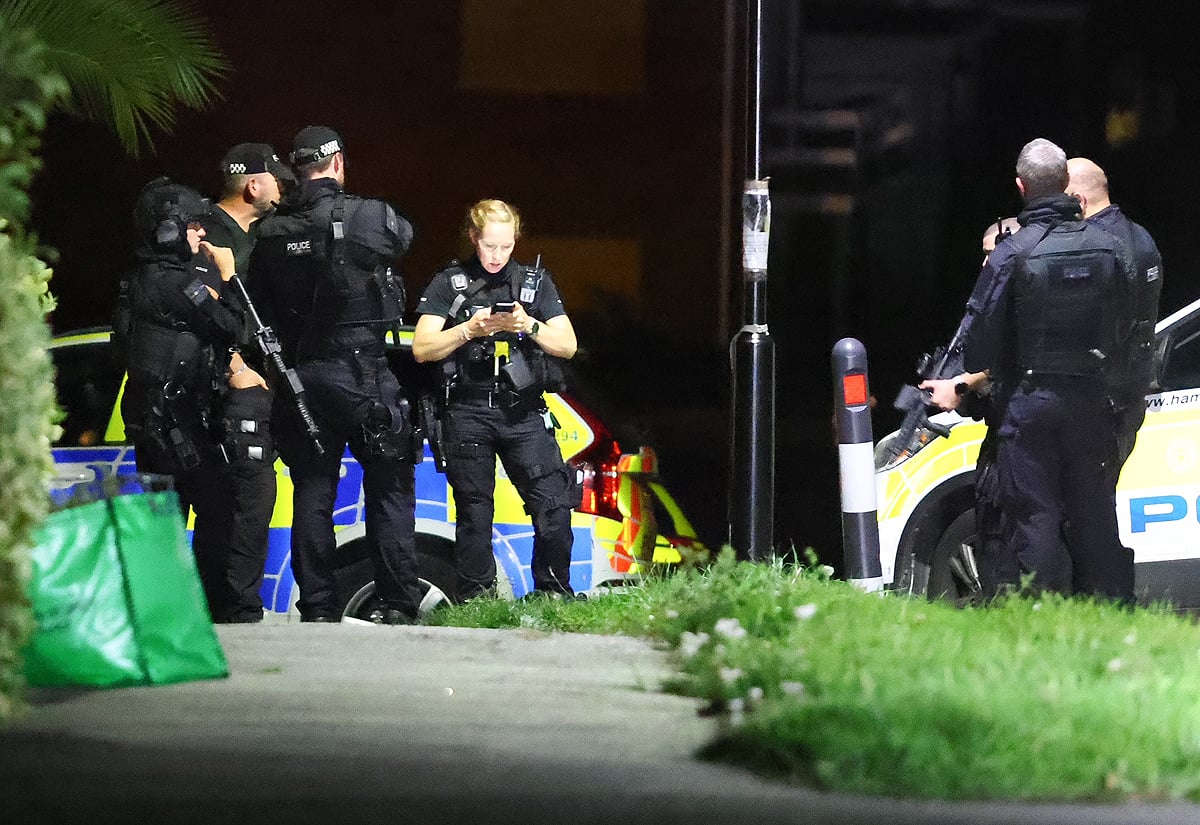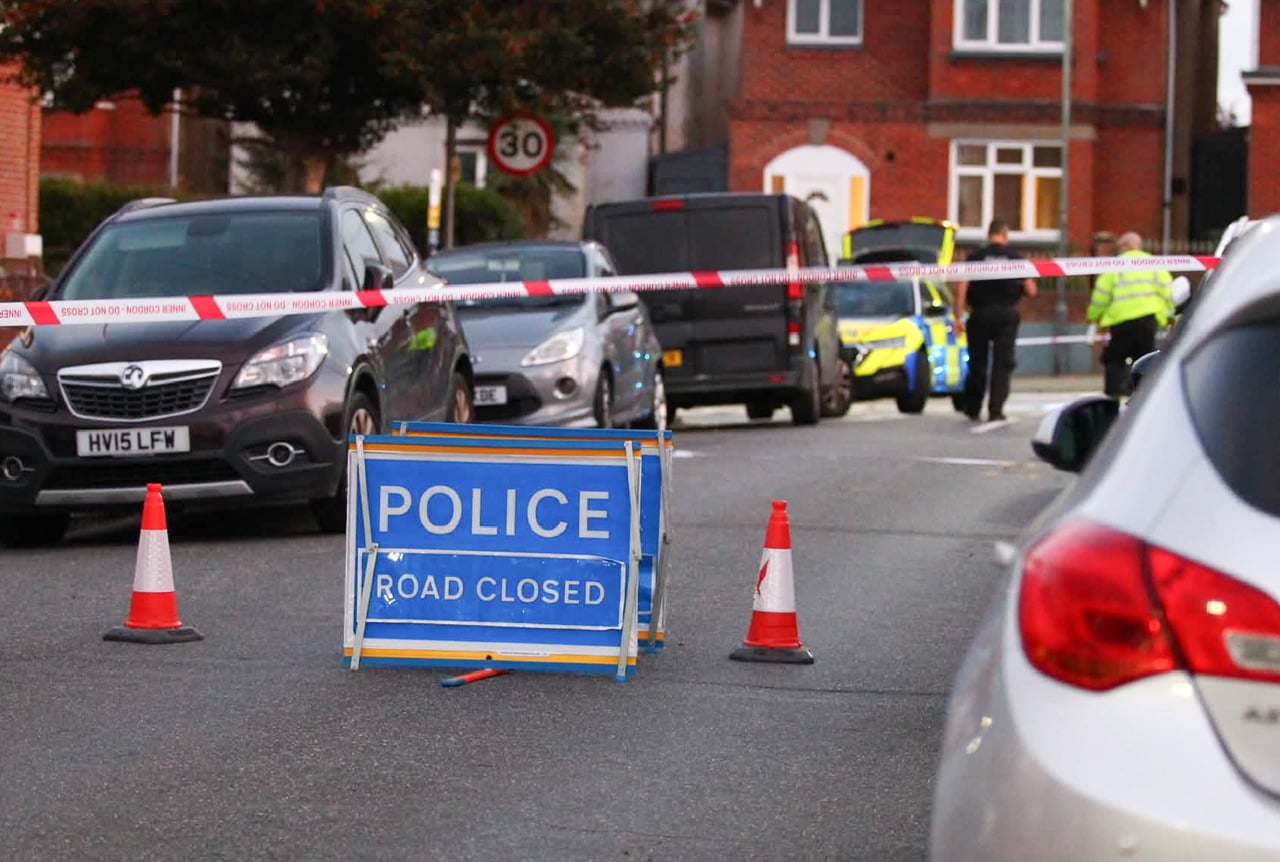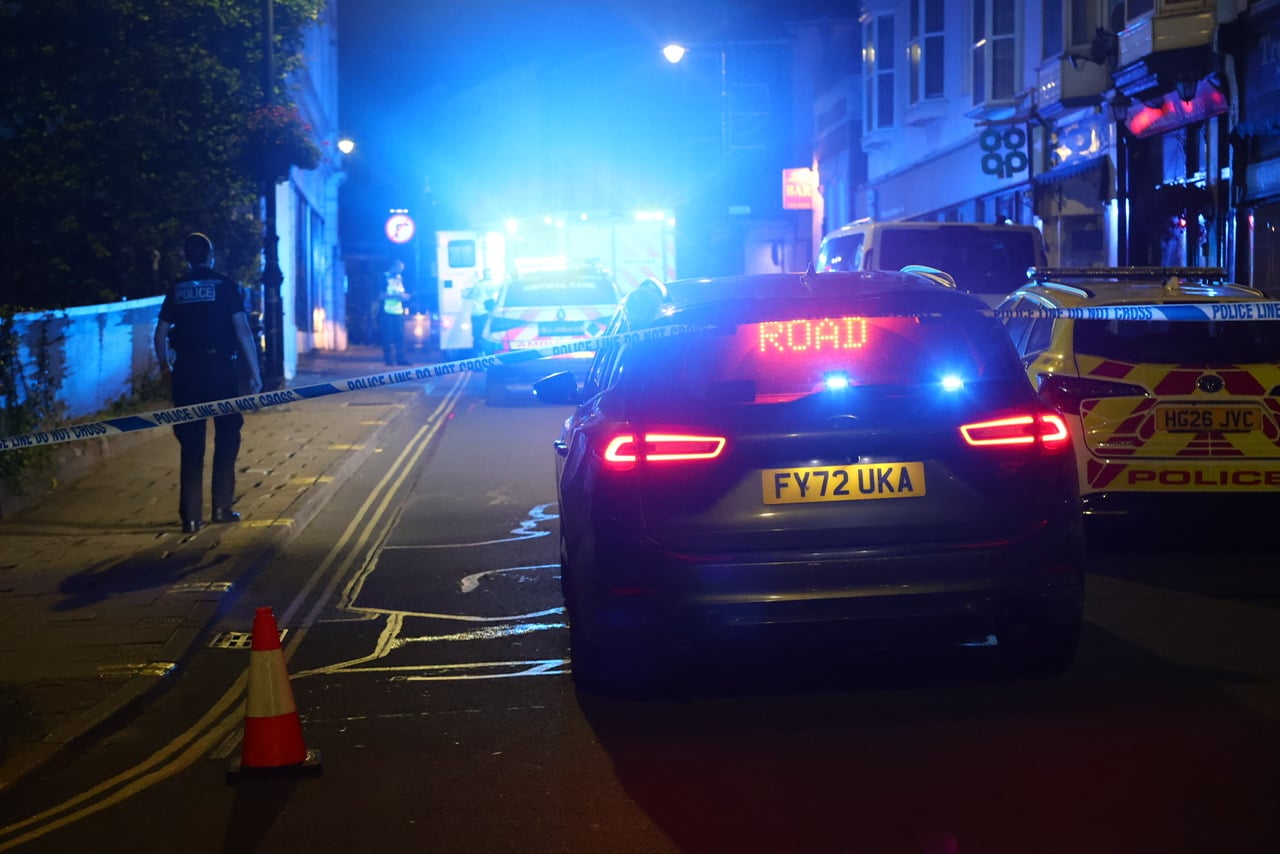







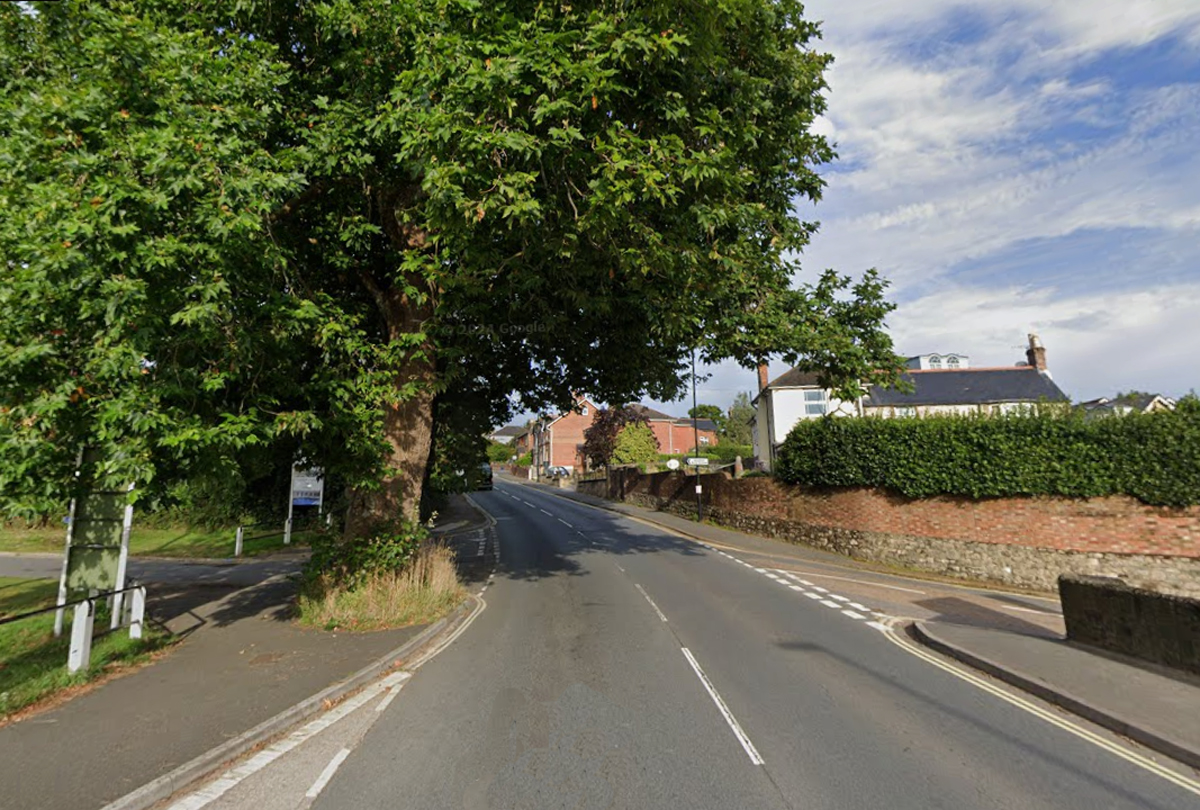








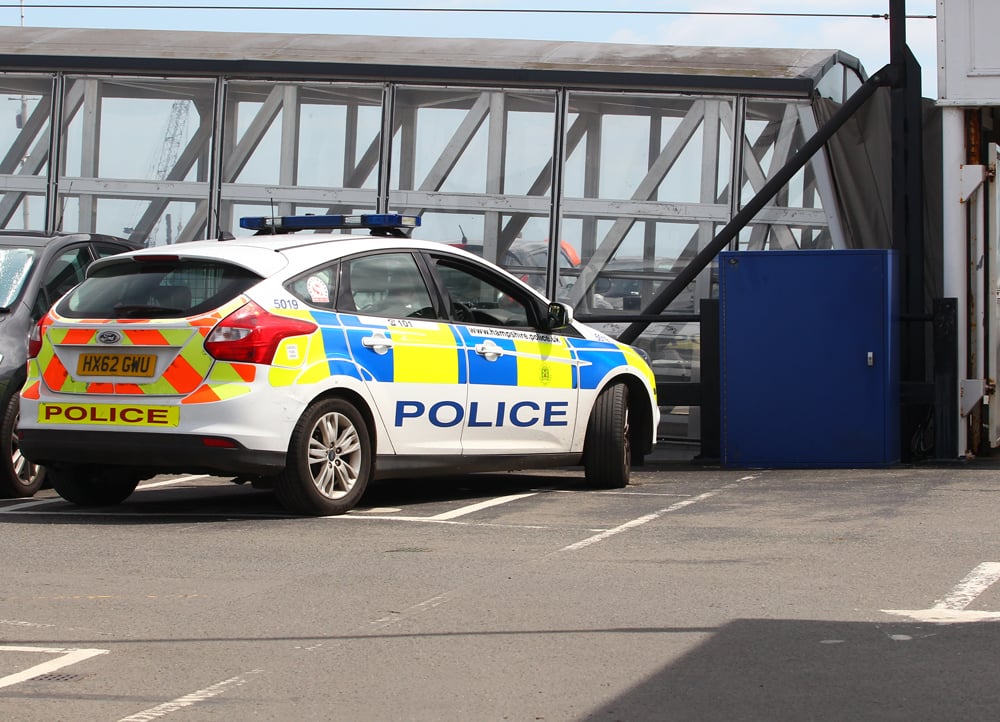


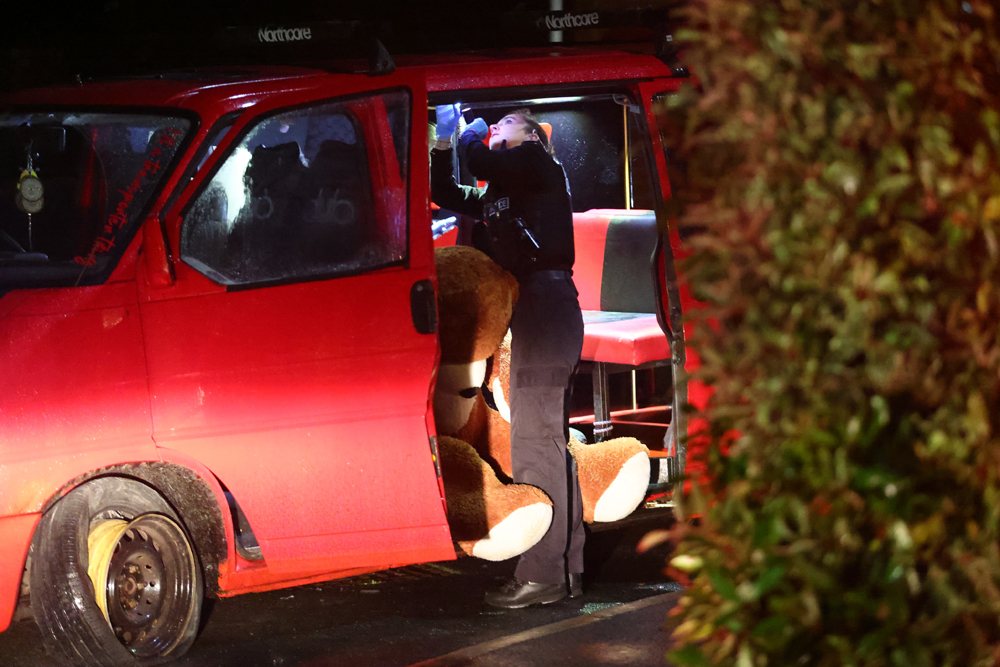
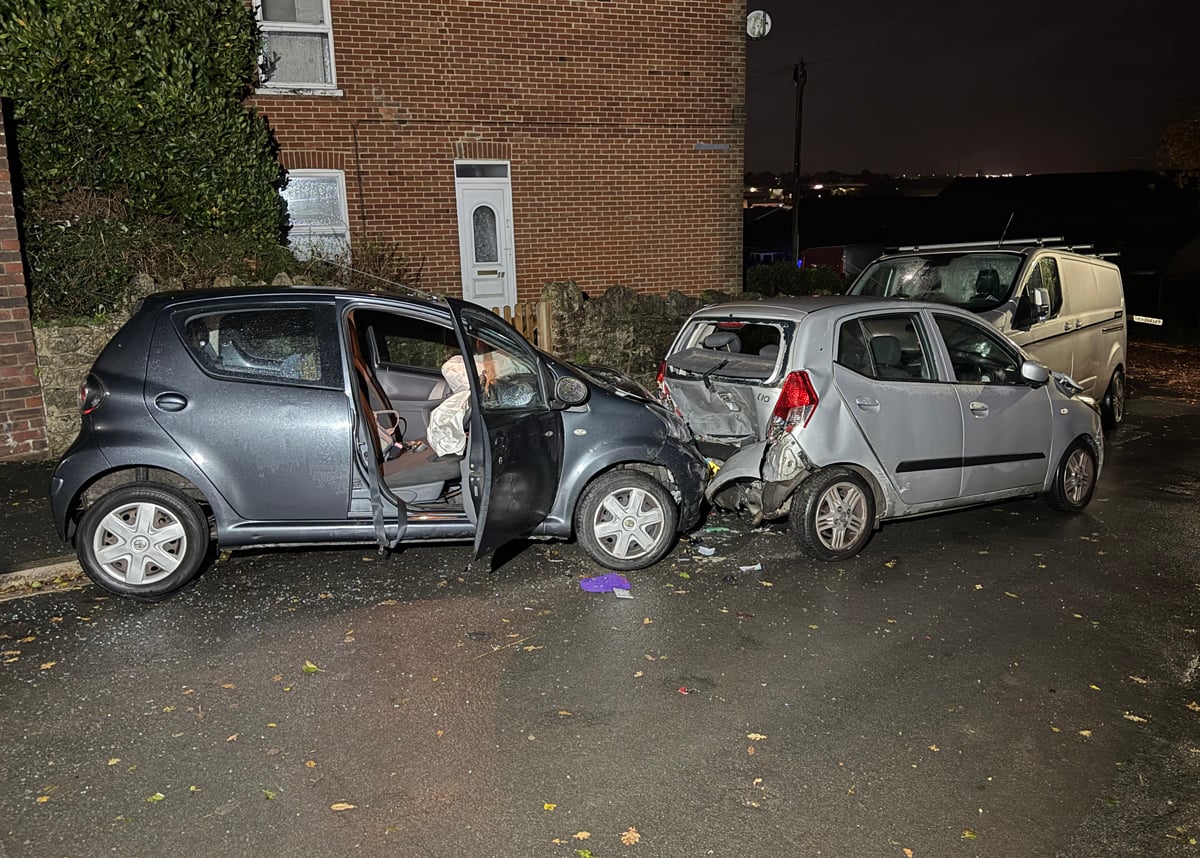

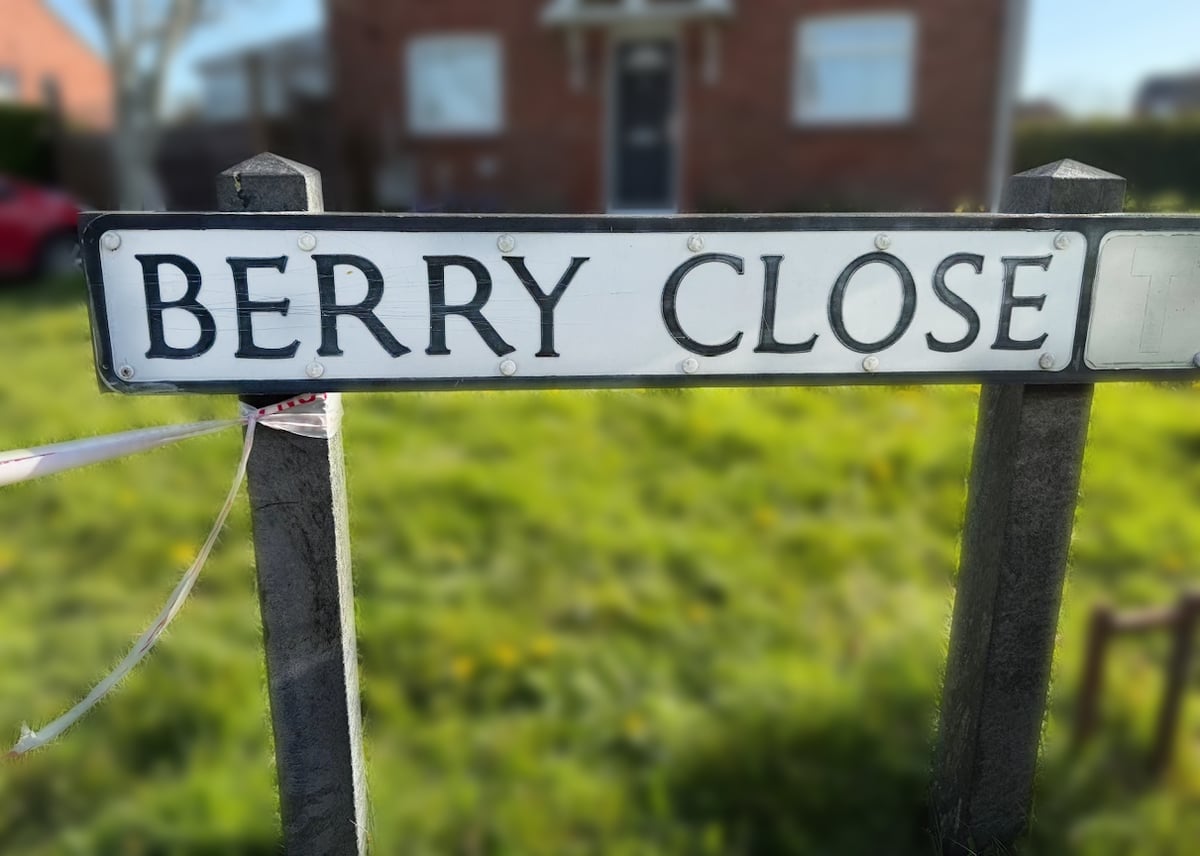






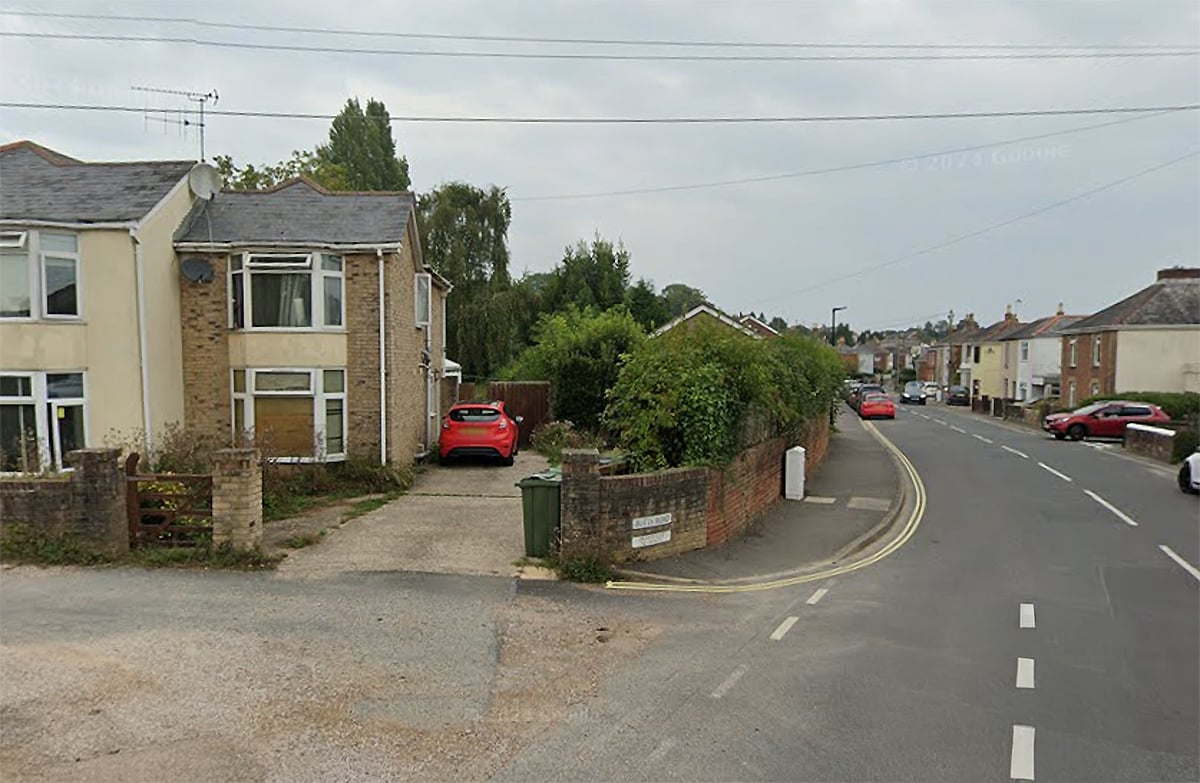





























Two hit-and-runs in roughly twelve hours. That’s what the Island woke up to this week. A pedestrian struck on Sandown High Street by a driver going the wrong way down the road, and a cyclist left injured on the outskirts of Ryde after another driver failed to stop. Police have since confirmed a 32-year-old woman from Sandown was arrested on suspicion of drink-driving and causing serious injury by dangerous driving. The Ryde case, as of writing, remains open.
Small island. Two incidents. Same underlying failure.
When someone drives away from a collision, what actually breaks down isn’t just decency. It’s identification. The system that’s supposed to know who was behind the wheel, whether they were licensed, insured, sober, simply doesn’t catch up fast enough. Officers lean on CCTV, automatic number plate recognition, and DVLA records to rebuild what should have been obvious at the scene. JMW Solicitors lays out the process in detail, and it’s a slow, forensic reconstruction of a verification step that failed the moment the driver didn’t stop.


This isn’t unique to the Isle of Wight. Government figures on road casualties across Great Britain show collisions where drivers fail to stop remain a stubborn, recurring category year after year, not a fluke confined to quiet island roads. The pattern holds everywhere: verification works fine until someone decides to skip it, and then the whole chain of accountability has to be rebuilt after the fact instead of enforced before it.
Here’s where it gets interesting, though. This isn’t only a roads problem. It’s a verification problem, full stop, and it shows up everywhere identity and accountability matter.
Why Verification Fails at the Worst Possible Moment
Verification is supposed to be invisible when it works. You don’t think about your driving licence until a police officer asks for it. You don’t think about your bank’s fraud checks until a payment gets declined. The system is built to run quietly in the background, confirming who you are and what you’re allowed to do, without friction.
The problem is what happens when someone actively tries to defeat it. A driver who flees a collision isn’t failing a verification check, they’re refusing to participate in one at all. That’s a different animal entirely, and it’s why hit-and-run cases take so long to resolve. Police aren’t checking a record against a person standing in front of them. They’re trying to build the person from fragments: a partial plate, a description, a timestamp.
Sumsub’s most recent identity fraud report puts a number on how often this kind of deliberate evasion happens in digital spaces too. Verification failures in online platforms follow a strikingly similar shape to roadside evasion. Someone who wants to avoid being identified will usually find the gap, whether that gap is a stretch of unlit road or a form field that doesn’t cross-check properly.

Where Verification Actually Holds Up
Not every system is this porous. Some sectors have had to build verification that assumes people will try to cheat it, because the cost of failure is catastrophic and regulators won’t tolerate shortcuts.
Regulated financial services are one example. Licensed online gambling operators are another, and a useful one, because the entire industry has been forced to solve the exact problem the Island’s hit-and-run cases expose: how do you confirm who someone is, in real time, before they act, not after?
Operators licensed across the EU and UK run identity checks at sign-up, not as an afterthought. Age verification, proof of address, source-of-funds checks for larger transactions, and self-exclusion registers that actually talk to each other across platforms. Readers curious what robust verification looks like in practice, where the checks happen upfront rather than during a police investigation weeks later, can look at the best online casinos in Europe as a working benchmark. It’s not a perfect system. But it’s a system built around the assumption that someone will try to slip through, which is more than can be said for a stretch of unlit road in Sandown at closing time.
Gambling involves risk, and identity checks exist to protect people from acting on impulse, not just to satisfy a regulator’s checklist.
The Common Thread: Front-Loading Accountability
What separates a system that works from one that doesn’t usually comes down to timing. Does the check happen before the risky action, or only after something’s already gone wrong?
Council planning processes on the Island have run into a version of this same issue recently. A Court of Appeal ruling found that a section 106 agreement wasn’t published online before planning permission was granted, which rendered the decision unlawful after the fact. The transparency step existed on paper. It just didn’t happen when it needed to. Same failure mode, different sector entirely: a rule that should protect people got treated as a formality instead of a gate.
Roads have the same weakness baked in. A licence check, an MOT, an insurance policy, they’re all verification layers that exist, but none of them stop a driver in the moment they decide to flee a scene. There’s no real-time gate on the road the way there is at a casino cashier or a bank transfer desk. That’s not a criticism of traffic law so much as an observation about how much harder physical-world verification is compared to digital verification, where a system can simply refuse to process a transaction until identity is confirmed.
What Islanders Can Actually Do
Realistically, nobody’s installing ANPR cameras on every lane between Ryde and Sandown. But there are smaller, practical steps that help close the gap when the big systemic fixes are slow to arrive.
Dashcams matter more than people think. Hampshire & Isle of Wight Constabulary has repeatedly asked for dashcam footage in both this week’s cases, and it’s often the difference between an open file and an arrest. Reporting near-misses, not just collisions, also builds a pattern that police can use. And pushing for basic infrastructure fixes, better lighting on high-risk stretches, clearer signage at pinch points, does more to prevent these incidents than any after-the-fact verification ever will.
None of that fixes the structural problem overnight. But it’s the same logic as regulated platforms building layered checks instead of a single gate: redundancy catches what one system alone would miss.
Frequently Asked Questions
What should I do if I witness a hit-and-run on the Isle of Wight? Call 999 immediately if anyone is injured, or 101 to report after the fact. Note the vehicle’s registration, colour, and direction of travel if safe to do so, and preserve any dashcam footage. Hampshire & Isle of Wight Constabulary actively appeals for this kind of evidence in ongoing cases.
How do police actually trace a driver who fled the scene? Officers combine CCTV, ANPR camera data, and DVLA vehicle records to narrow down potential vehicles and owners. It’s a reconstruction process rather than an instant match, which is why hit-and-run investigations often take days or weeks to produce an arrest.
Are hit-and-run collisions becoming more common? Official annual road casualty figures suggest fail-to-stop incidents remain a persistent, if not dramatically rising, category across Great Britain. Two cases on the Island within twelve hours felt unusual locally, but the underlying pattern isn’t new nationally.
Why do verification systems fail more on roads than in banking or online platforms? Digital systems can refuse to process an action until identity is confirmed. The road has no equivalent real-time gate, a driver can simply choose to leave, which is why physical-world verification depends so heavily on after-the-fact reconstruction rather than upfront checks.
Both the Sandown and Ryde cases remain active, and anyone with dashcam footage or information is asked to contact Hampshire & Isle of Wight Constabulary quoting the relevant incident number. Verification only works when the people who can supply the missing piece actually come forward, whether that’s a witness on the High Street or a record buried in a database somewhere.