




















































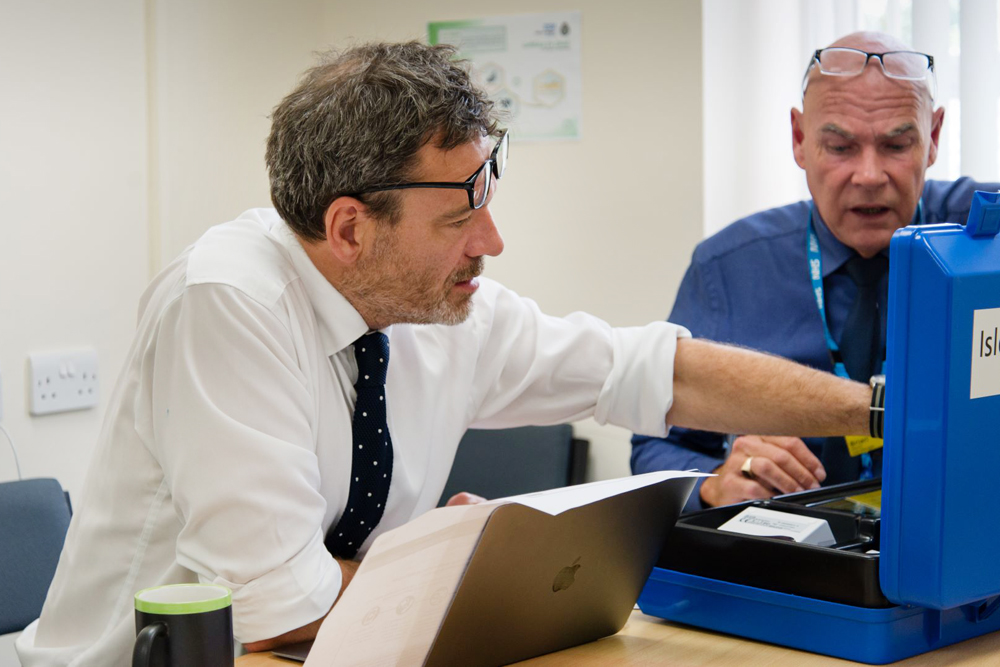

Isle of Wight MP Bob Seely took his campaign to secure more funding for the Island’s NHS back into the House of Commons on Monday.
Mr Seely spoke during the NHS Funding Bill Second Reading Debate and reminded the Secretary of State for Health, Matt Hancock – and his front bench colleagues – of the additional costs of providing NHS care to the same standard as on the mainland – calculated to be £11 million a year.
Bob said he was encouraged by Boris Johnson’s commitment to ‘levelling up’ – addressing historic imbalances in regional funding that had left the Island disadvantaged.


He reminded Mr Hancock, of the statement he made last summer recognising the Island as being “unique in its health geography, and that there are places in this country—almost certainly including the Isle of Wight—where healthcare costs are higher”.
Bob said:
“There are many academic studies, both internationally and nationally, that show that the costs of providing public services are greater specifically on islands, because there is severance by sea.
“Academics give various sophisticated names to that—such as diseconomies of scale and island factors. Basically however, it means that on the Isle of Wight we have a district general hospital—I thank all the staff who do a great job in sometimes difficult circumstances—but we have only half the population base of district general hospitals, so we do not get the same tariffs. As a result of that everything costs more; it is very difficult to get the same efficiencies and economies of scale.
“We estimate that the additional cost of providing the same standard of acute care on the Island as against the mainland is £8.9 million a year. It would be great to meet with either the Minister or the Secretary of State to discuss that.”
Article continues below this advertisement

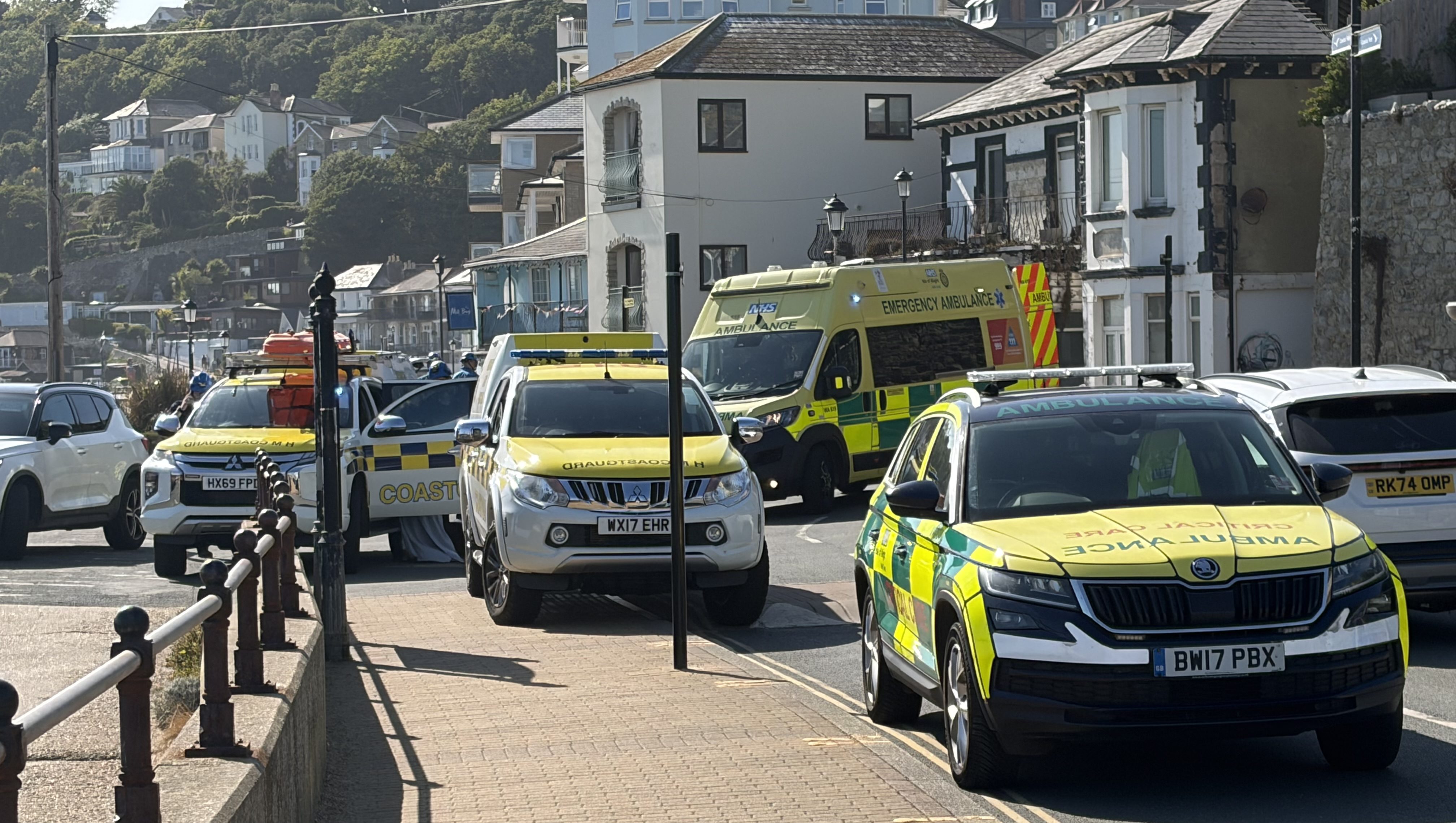
Bob also spoke about the additional cost of providing an ambulance service, which includes a coastguard helicopter ambulance, equating to about £1.5million, and the cost of patient travel by ferry which works out at about £560,000 a year. It is these combined costs that make up the £11million funding gap when added to the shortfall in acute service funding.
[iframe width=”900″ height=”506″ src=”https://www.youtube.com/embed/qMOkE4bb3O0″ frameborder=”0″ allow=”accelerometer; autoplay; encrypted-media; gyroscope; picture-in-picture” allowfullscreen>










So what will more money do ? More managers ?
Help save lives. I know, based on your thoughts, how about we reduce funding. In fact, get rid of all funding. What does money do anyway, I mean no one needs a wage such as cleaners, more nurses so they work fewer long shifts, better facilities, safer environment for staff, equipment for rehabilitation, it’s all free and no money is needed.
What ever money stmarys gets it will be wasted the hospital needs to be made bigger its 30 years old and the population has grow and the hospital the same size invest in the future
The prison should execute all within, and use the site there to build a new hospital.
I imagine the prisons cost so much to run, the cash would be better spent on the ill.
As most inmates are not UK decent, perhaps we should send the bill to those countries whose resident are locked within coming from their shores. Or divert the Oxfam fund raising to HMG coffers as most seem to be here now.
Seely: “Mr Hancock, may I remind you of the additional costs of providing NHS care to the same standard on the Isle of Wight as on the mainland – calculated to be £11 million a year – and seek to secure additional funding for the Island’s NHS.”
Hancock: “Shut up Seely!”
Seely: “Yes sir”
Although the current corona virus has not reached the Island, can we ensure that ‘visitors’ to the UK have the necessary Insurance so that the costs of their treatment be paid in favour of the NHS