































































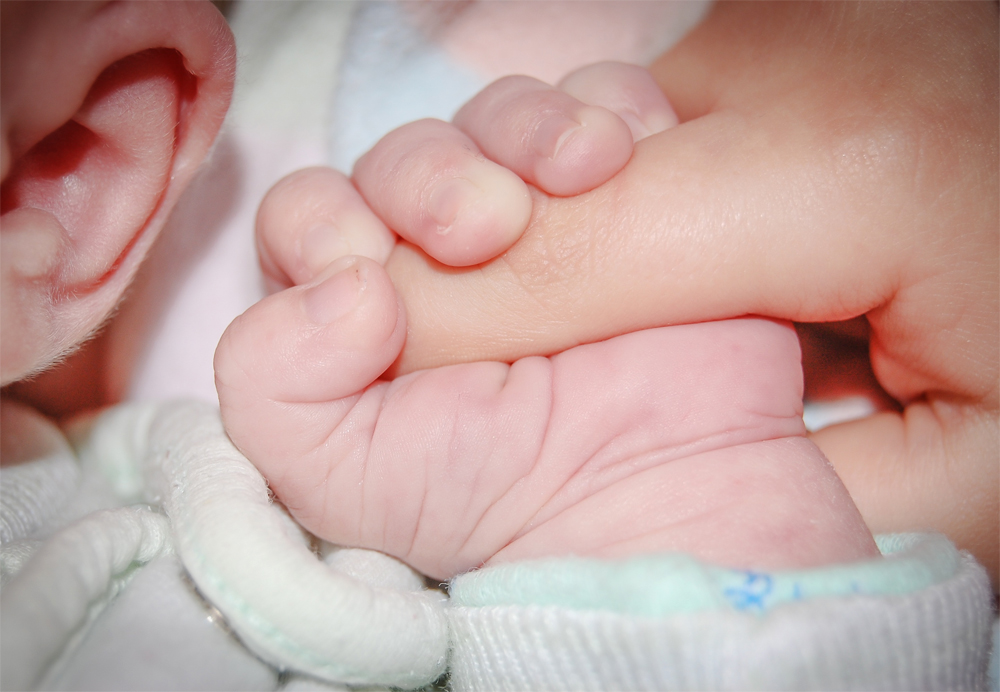

 Mums to be on the Isle of Wight are being made aware of the importance of knowing their babies normal pattern of movement and report any changes to their midwife or Maternity Unit.
Kicks Count is a national drive to ensure mums to be are knowledgeable and confident throughout their pregnancy. It helps ensure women know the importance of monitoring their baby’s movements and empowering them with confidence to follow their instincts and seek advice if they are ever worried.
The Isle of Wight maternity services want all women to know that if they notice a change in their babies movements or feel that the movements have decreased they should phone the maternity unit on 01983 534392/534329 and advice will be provided. This may well include a request to attend the unit.


The Maternity Unit at St Mary’s Hospital is available 24 hours a day, 7 days a week and will always gladly see any woman who is reporting reduced fetal movements. It does not matter how many times you attend; the midwives will always be happy to check your baby and reassure you.
Annie Hunter, Head of Midwifery said:
“We want women to know that reduced fetal movement can be a sign that the baby is in distress and it’s really important they are in tune with their babies’ movements so they can recognise any changes. A decrease in fetal movements can be a key warning sign that a baby is in distress. 2 out of 3 mums who have a stillbirth say they noticed their baby’s movements slow down beforehand.
“It is important that all cases of reduced movement are reported to your midwife or maternity unit. We don’t want mums to feel anxious about contacting us.”
If you think your baby’s movements have slowed down or stopped, contact your midwife or Maternity Unit immediately.

• DO NOT put off calling until the next day to see what happens.
• DO NOT worry about phoning, it is important for your midwives or doctor know if your baby’s movements have slowed down or stopped.
• DO NOT use any hand-held monitors, Doppler’s or phone apps to check your baby’s heartbeat. Even if you detect a heartbeat, this does not mean your baby is well.
• DO NOT hesitate to contact your midwife or Maternity Unit for advice; no matter how many times this happens.
Most women usually begin to feel their baby move between 16 and 24 weeks of pregnancy. A baby’s movement can be described as anything from a kick, flutter, swish or roll. The type of movement may change as the pregnancy progresses. There is no set number of normal movements. Babies have their own pattern that expectant mums should get to know.
From 16-24 weeks on ‘mums to be’ should feel the baby move more and more up until 32 weeks then stay roughly the same until they give birth.
According to national statistics in 2015 there were 1,301 births to mothers usually resident on the Isle of Wight of which 5 were still births.