













































 National newspaper The Guardian published ‘Where to go on holiday in 2020: the alternative hotlist’ yesterday (Saturday), which includes the Isle of Wight.
Under the title of ‘Futuristic retro’, a lengthy write up mentions of the retro side of the Island, the 500+ miles of footpaths and historic buildings.
Osborne House, Glanville fritillaries, Ventnor’s wall lizard, The Common Space, Brown’s Golf Course, Tom’s Eco Lodge, Nettlecombe Farm and Seaview Hotel are all included in the article.


Visit Isle of Wight’s Slow Travel Guide has also been highlighted. The guide encourages visitors to leave their cars at home and take to walking, cycling, train or bus.
Other well-known locations across the country and further afield are included within the feature-length piece.
The article featuring the Isle of Wight on The Guardian website can be read below.
Futuristic retro
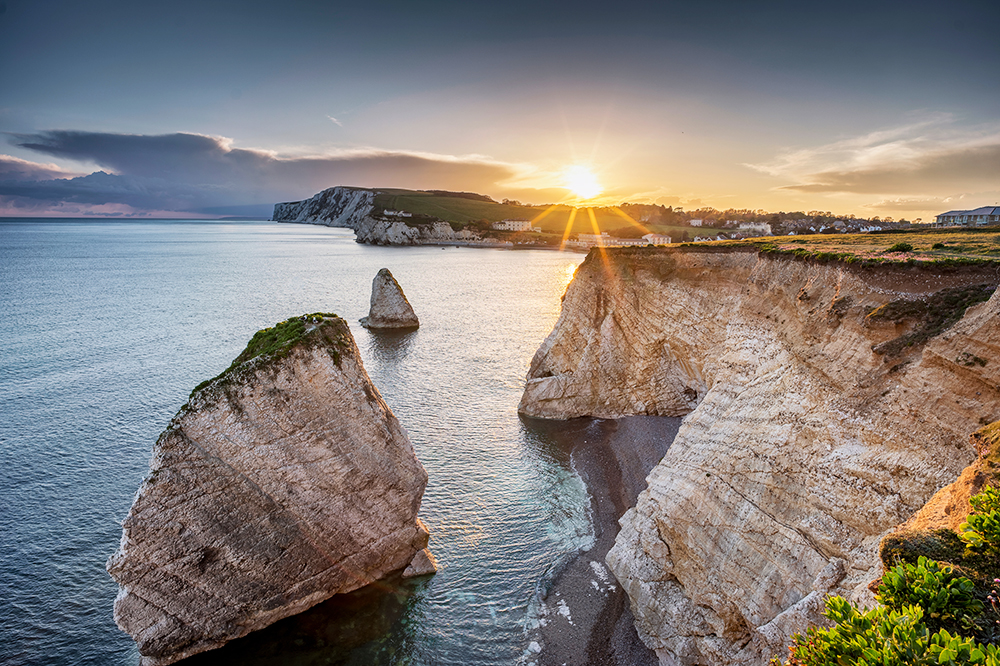
The Isle of Wight has long charmed holidaymakers with its retro seaside fun, 500-plus miles of footpaths and historic buildings such as Osborne House. Despite being visible from the mainland, this small, diamond-shaped island often feels worlds away, partly thanks to its unique relationship with nature. In 1963, half of the island was designated an area of outstanding natural beauty, and in 2013 it created its first wildlife superhighways. Last June, it stuck its eco neck out a little further by becoming the UK’s seventh Unesco biosphere reserve.A biosphere reserve is not merely a landscape that’s been put aside for nature, but a place where communities have learned to live alongside natural habitats. The Isle of Wight has been awarded the accolade thanks to its rare wildlife — red squirrels in the woodlands, Glanville fritillaries on chalky cliffs, and the Ventnor wall lizard on sunny, beachfront walls — and sustainable economic development.
Article continues below this advertisement Collaboration between environmental organisations, charities, councils and local volunteers is improving the island for locals, visitors and nature alike. The Common Space, a non-profit, is working with local volunteers to revitalise the Bay area in the east of the island; a 2020 calendar of events includes British Science Week (6-15 March), when pop-up laboratories will showcase natural wonders from pond life to fossils.
In Sandown on the south coast, Browns Golf Course is getting a wildlife makeover thanks to a new footpath linking a previously overgrown woodland walk and reedbed wetland. Via the Lost Duver Project, the council and community are also restoring former dune stacks in Sandown by replanting native coastal flora such as ragged-robin and thrift.
From a commitment to green building (Tom’s Eco Lodge is powered by a solar field and biomass boiler) to supporting rewilding initiatives (Tiny Homes’ wildflower meadows), tourism is very much part of the island’s biosphere fame.
Also launched in 2019, Visit Isle of Wight’s Slow Travel Guide encourages visitors to leave cars at home, with eight car-free touring routes via bus, rail, bike or footpath. The island’s sustainable travel scheme also allows accommodation owners with the highest green ratings, including Nettlecombe Farm (from £370 for four people per week) and Seaview Hotel (from £95), to offer guests free bus travel.
Holly Tuppen













>The Guardian
So THAT’S why so many pretentious lefty snowflakes have been visiting lately.
It all makes sense now.
Oh we can’t be having lefties visiting our lovely right wing island, can we, Zack?
Idiot.
No, we can’t :^)
If they’re as snobby and rude as you, certainly not!
Typical right wing snowflake 😉