






















































Historic England’s Heritage at Risk Register for the South East, an annual snapshot of the health of the historic environment, has been published today (Thursday).
Although 22 historic gems have been newly added to Historic England’s Heritage at Risk Register in the South East, such as St Mary and St Radegund Church in Whitwell, a total of 32 entires have been successfully removed including St John the Baptist Church in Niton.
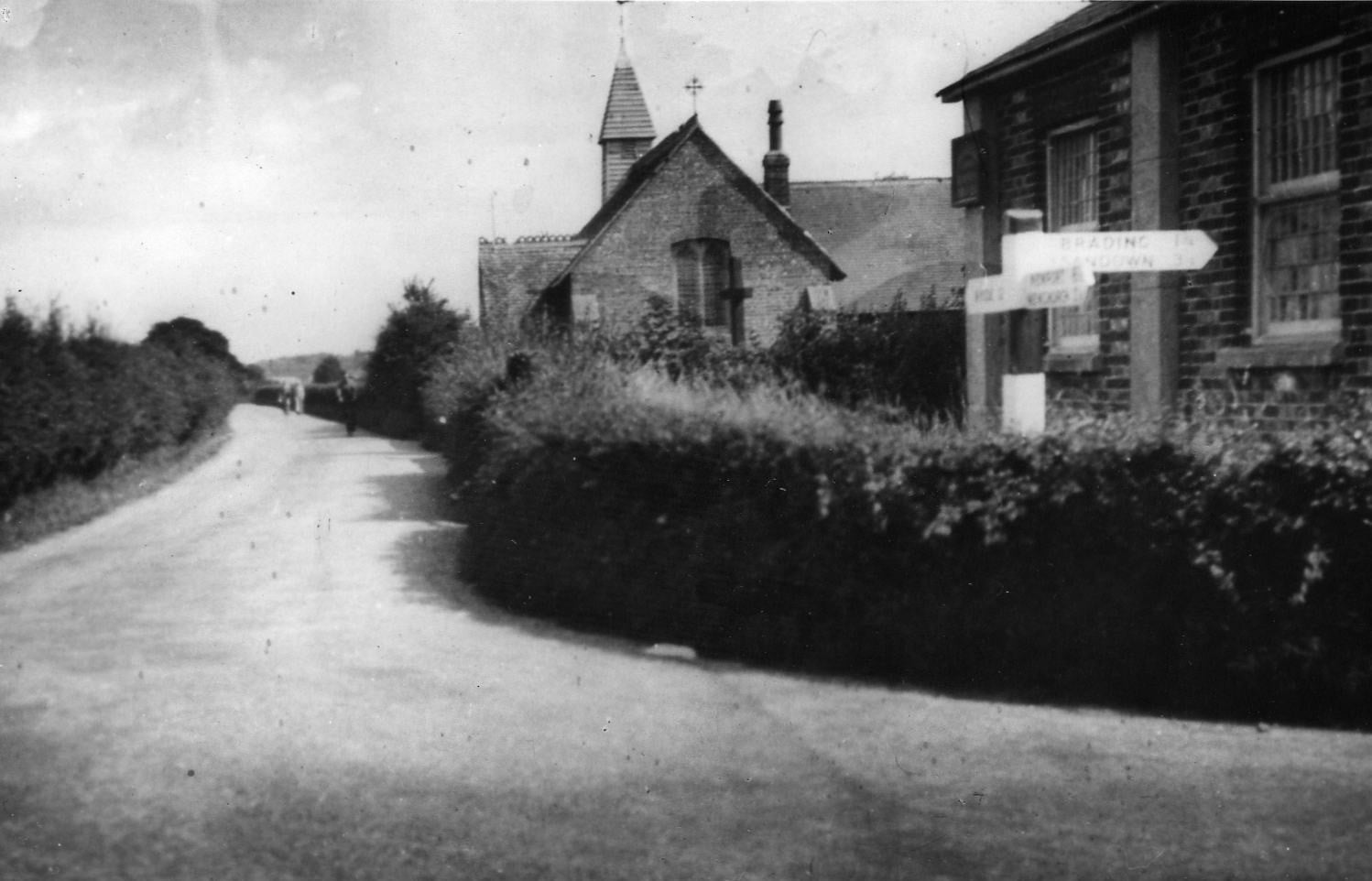
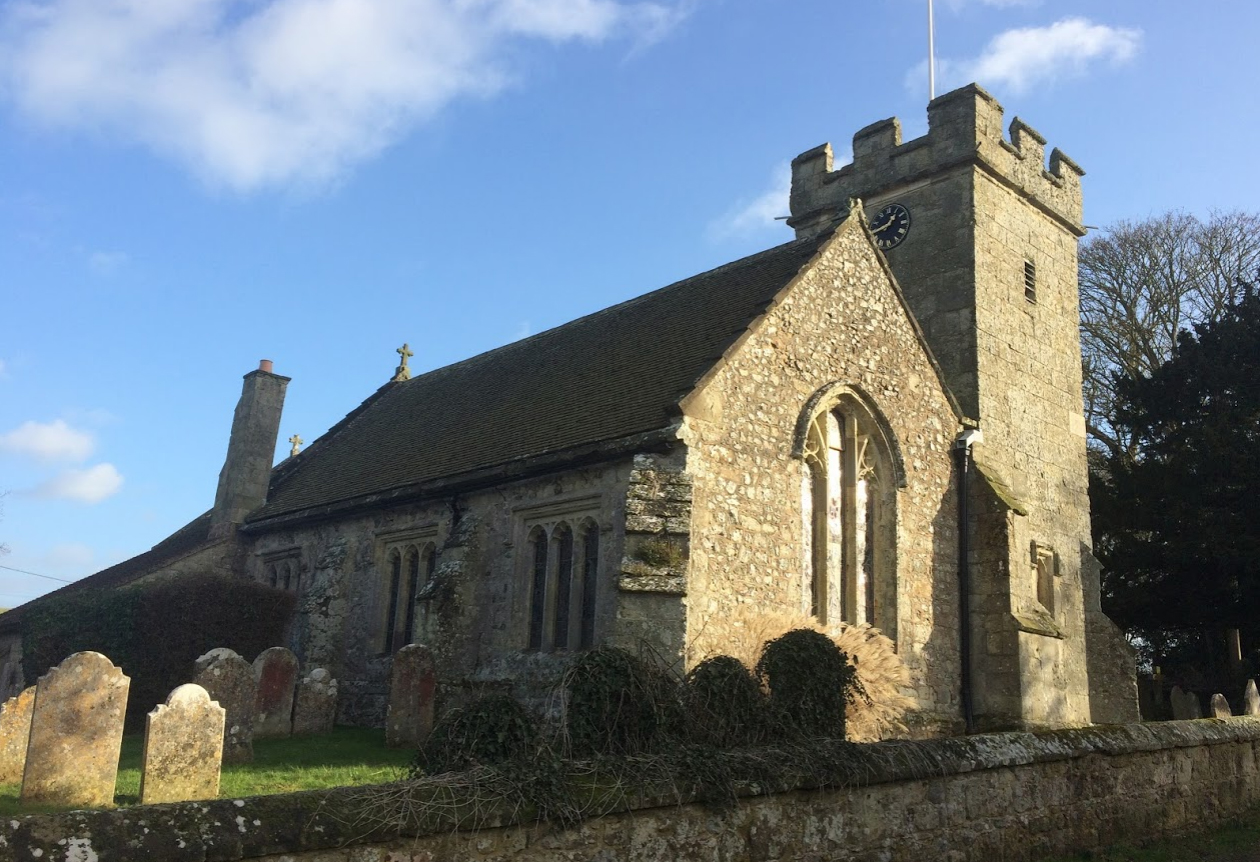
Added: St Mary and St Radegund Church is an unusual village church formed from 2 separate medieval chapels built side by side. It is at risk mainly due to stone decay and water penetration from defective pointing and rainwater disposal. A Heritage Lottery Fund Grants for Places of Worship has been accepted to develop the project to address these issues.


Removed: St John the Baptist Church, listed at Grade II*, is a small village church of medieval origins. It is built of local sandstone with a small west tower with parapet and short spire. Thankfully, the church has been removed from the ‘at risk’ Register this year after repairs were made to the stonework to the spire, tower, windows and rainwater downpipes all funded by a grant under the Heritage Lottery Fund Grants for Places of Worship Scheme.
Historic England has given a total of £612,000 in grant aid this year which is more than ever before. The Hammerhead Crane in Cowes received the largest grant at £117,000 for urgent structural repairs.
Clare Charlesworth, Heritage at Risk Principal for Historic England in the South East said:
“The Heritage at Risk Register helps us to target resources to those sites which are most threatened. We are delighted to have removed so many places of worship from the Register this year in the South East. Much of this success was achieved through giving expert advice for the Heritage Lottery Fund’s ‘Grants for Places of Worship’ scheme. Although this scheme has now closed, we continue to work with the HLF and the communities who care for these important buildings to improve their condition and seek new and innovative uses for them.”