






























































 With continued wet weather being experienced across the Isle of Wight, the Isle of Wight Fire and Rescue Service have issued some handy advice for driving safely in the rain and on flooded roads.
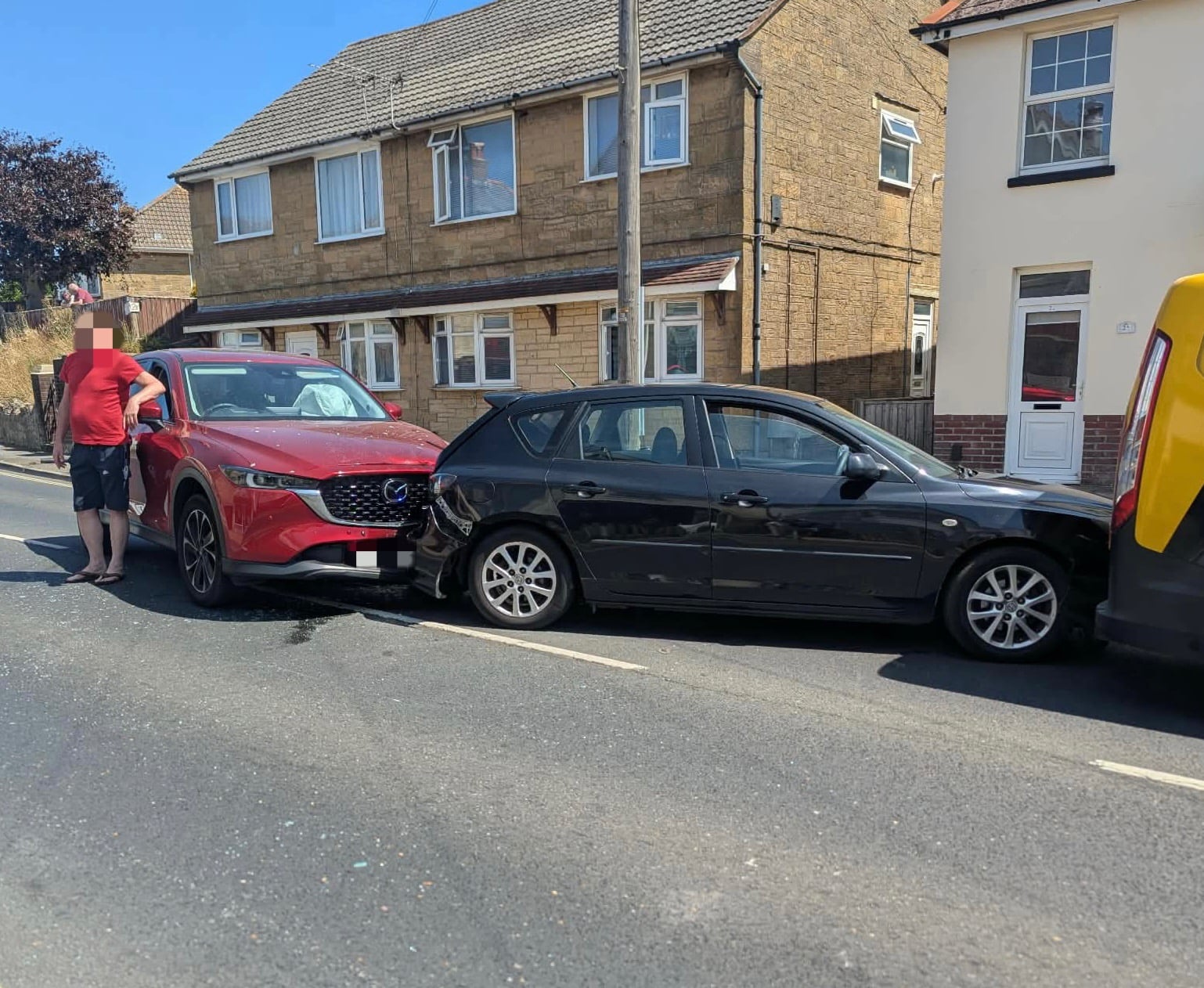
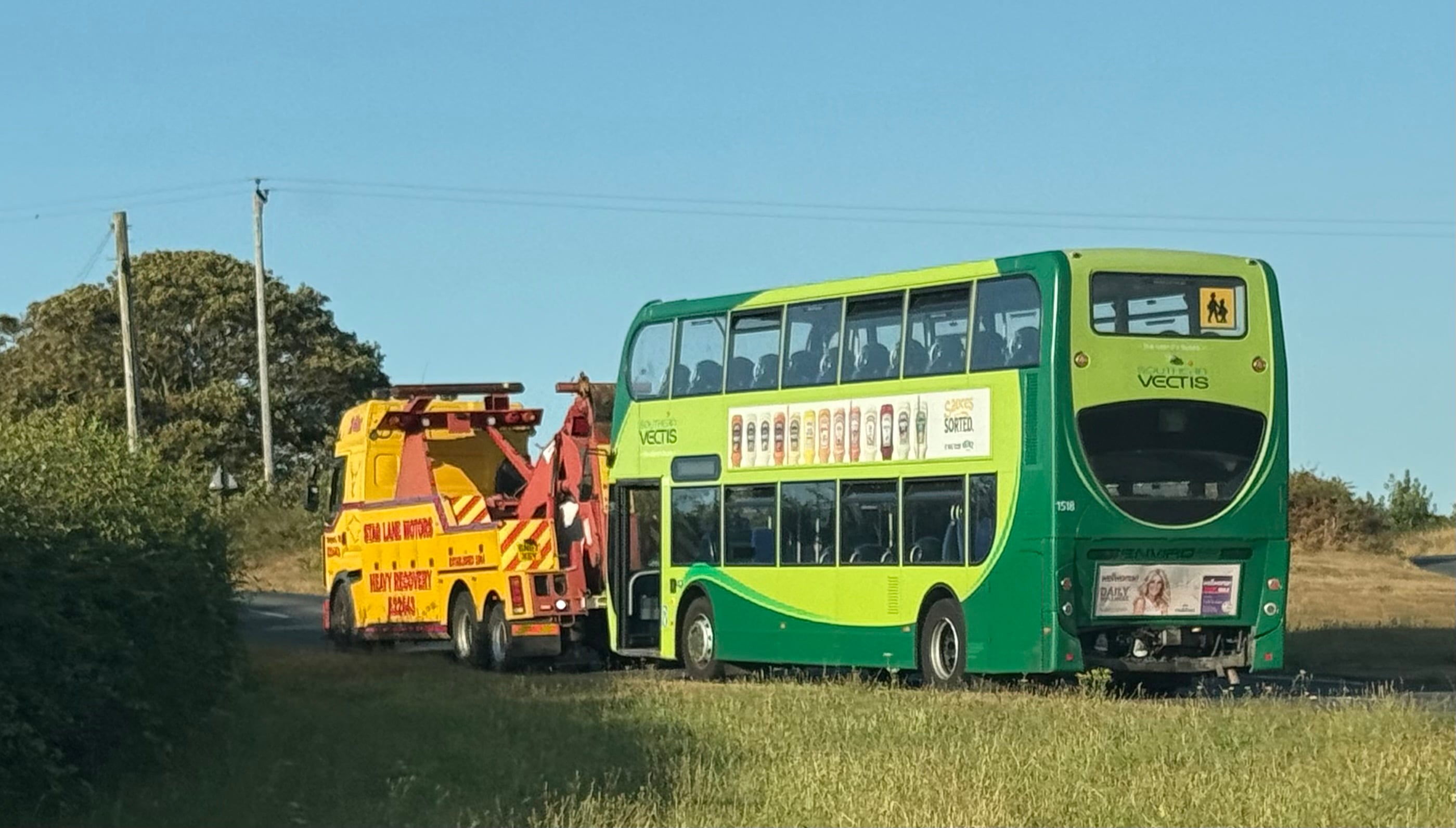
January has been a particularly wet month with roads regularly flooding. As a result, there have been a number of road traffic collision with many vehicles ending up off the road and on their roofs.
How to prepare for driving in heavy rain
Firstly it is always advisable to consider before you set off whether your journey is essential. If not, can it be delayed until after the rain has subsided? If so then plan your journey in advance, taking care to avoid areas which are prone to flooding, and factor in extra time to allow for slower speeds and potential congestion.


It is also a good idea to let relatives and friends know your intended route and expected time of arrival and where possible, travel with others.
Before you go:
- Check that your windscreen wiper blades are fully functional
- Try to fill up with fuel before you travel, as getting stuck in traffic will increase your fuel consumption – Remember, with the lights, heater and wipers switched on, your fuel economy will be reduced even further
- Listen out for local news bulletins (of course check Island Echo!) to keep up-to-date with road closures, flooding and forecasts
- Carry a mobile phone in case you encounter any difficulties during your journey
- Check that your tyres are of the recommended legal tyre tread depth so you can be sure you have a safe amount of grip on the roads
How to drive in heavy rain
- Firstly, slow down! Reduce your speed and leave more space between you and the vehicle in front as stopping distances in rain are increased
- Use dipped headlights so that other drivers can see you more easily
- Don’t use rear fog lights. They can mask your brake lights and dazzle drivers behind you
- Look out for large or fast-moving vehicles creating spray which reduces visibility
- Also remember to keep your air conditioning on, as this will stop your windows from misting up
- If you break down in torrential rain, keep the bonnet closed while waiting for help to arrive, to avoid the electrical system getting soaked
- Driving too fast through standing water could lead to tyres losing contact with the road. If your steering suddenly feels light you could be aquaplaning. To regain grip, ease off the accelerator, do not brake and allow your speed to reduce until you gain full control of the steering again
- Be considerate to other road users and try not to spray pedestrians and cyclists as you drive through water

How to drive through water and floods
Heavy rain may lead to large puddles, areas of standing water and even flooding. In the event that you may have to negotiate these types of conditions on the road, read below for advice on how to drive through deep puddles.
“Puddles” may conjure an image of a small drop, but some can develop into sizable bodies of water. Driving through these puddles incorrectly could cause serious damage to your car not to mention cost an extortionate amount to repair. As a result, here are some top tips for driving through them:

- Size up the puddle first – even if it means you have to stop your car and get out (getting a bit wet is a lot better than being left stranded). If the water is muddy you might not be able to see the bottom and gauge its depth. Try and find a stick or an object to find the lowest point
- If it’s clearly too deep for your car, find another way to your destination. Modern vehicles’ door seals are good and keep water out, but this can make a car buoyant, meaning it could begin to float if the water gets to deep leaving you stranded. Even in this instance the water will eventually find its way in
- If the puddle is shallow enough to drive through, try and spot any objects that may cause damage to your car’s wheels, tyres or suspension, potentially leaving you mid-puddle with a problem. This way you can pick a safe path across
- Once you’ve confirmed you can drive through the puddle and determined your route, keep your vehicle in a low gear (second is generally adequate) and engine revs up. This will help you maintain momentum when you travel through the puddle, creating a bow wave so you don’t get bogged down
- Once you exit the other side – and especially if the puddle is on the deep side – pause for a moment if you can to let any excess water drain away and flow back to where it came from
- If you can’t, be aware that grip levels on the road ahead will be diminished, as fluid from the puddle is dropped along the Tarmac by other cars
- It’s always worthwhile to gently brush your brake pedal on exit, creating some friction and therefore heat to evaporate off any excess moisture. Some luxury vehicles can sense when you’ve navigated a puddle and automatically do this for you, keeping braking performance as effective as possible
- Shallow puddles are not the most arduous obstacles to overcome, but it’s still important to remember that on the other side of a puddle grip levels could be lower.
- Adjust your speed to suit the depth of the water, too
If the obstruction is deeper, take more time and care when crossing it.
A few minutes planning could save you plenty of time – and money – in having your car repaired. And never attempt to drive through fast-flowing water – you could easily get swept away.




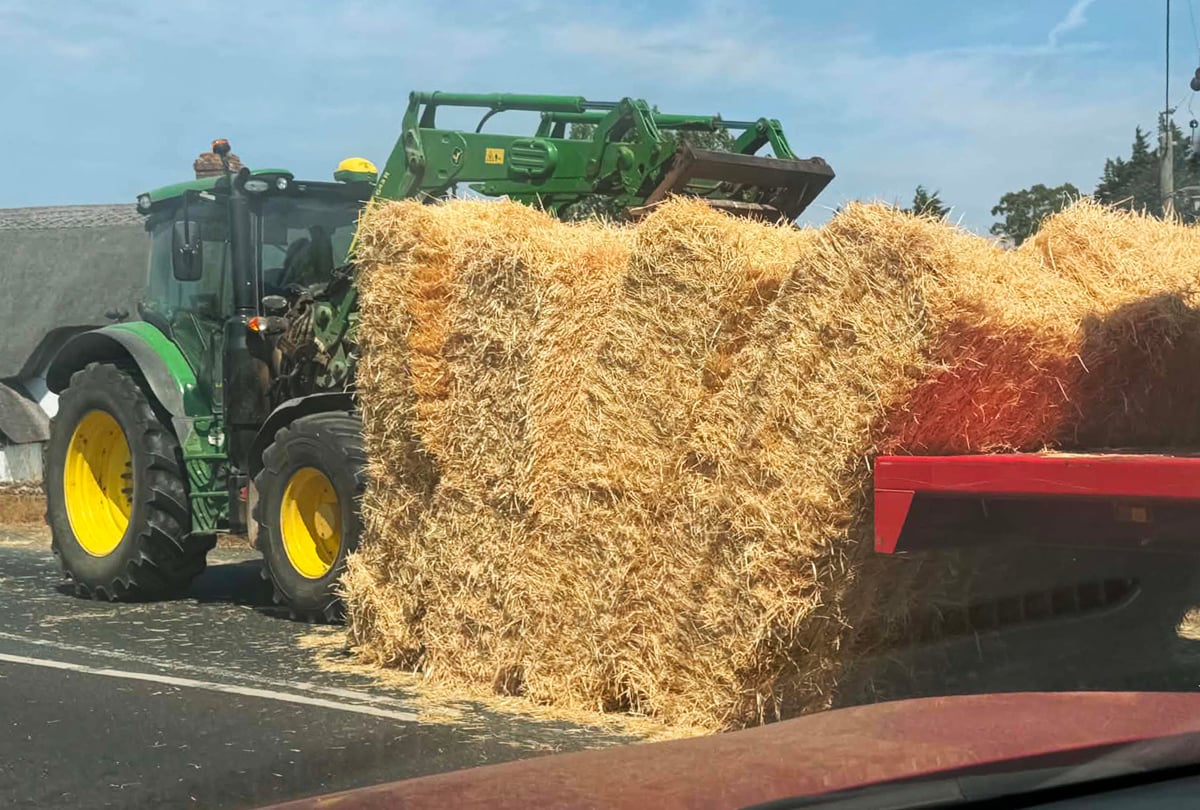




And finally get someone to clean the bloody drains & ditches out, & stop building so many houses on farm land.,
Spot on
Wendy
I never thought I would join in on these comments, but Alan’s remarks I agree with entirely and they also made me laugh out loud. Keep it up.
There was a lot of information a few years back, statements from those in authority with regards landowners responsibility to ensure that water from their land did not flow and flood onto roads, if it did, they would be held accountable!! Has this been enforced?
Not only does water flow off the fields in some areas, but can carry other debris too, ie mud, gravel and stones. This increases the risk factor, and hides many potholes, which appear to be on the increase again, and road ironwork, which may have moved with the pressure of water, or blocked drains.
Ditching seems to be a thing of the past. If this was done, not only would it help keep the roads safer and reduce the excess water flow, but would be a great habitat for many species of wildlife. A win, win situation!!
It would also be handy to tarmac the road to the very edge rather than leave a drop off filled with a bit of loose earth, needless to say that when a vehicles wheels “fall” down that drop off, it could easily be the start of a roll or other serious incident.
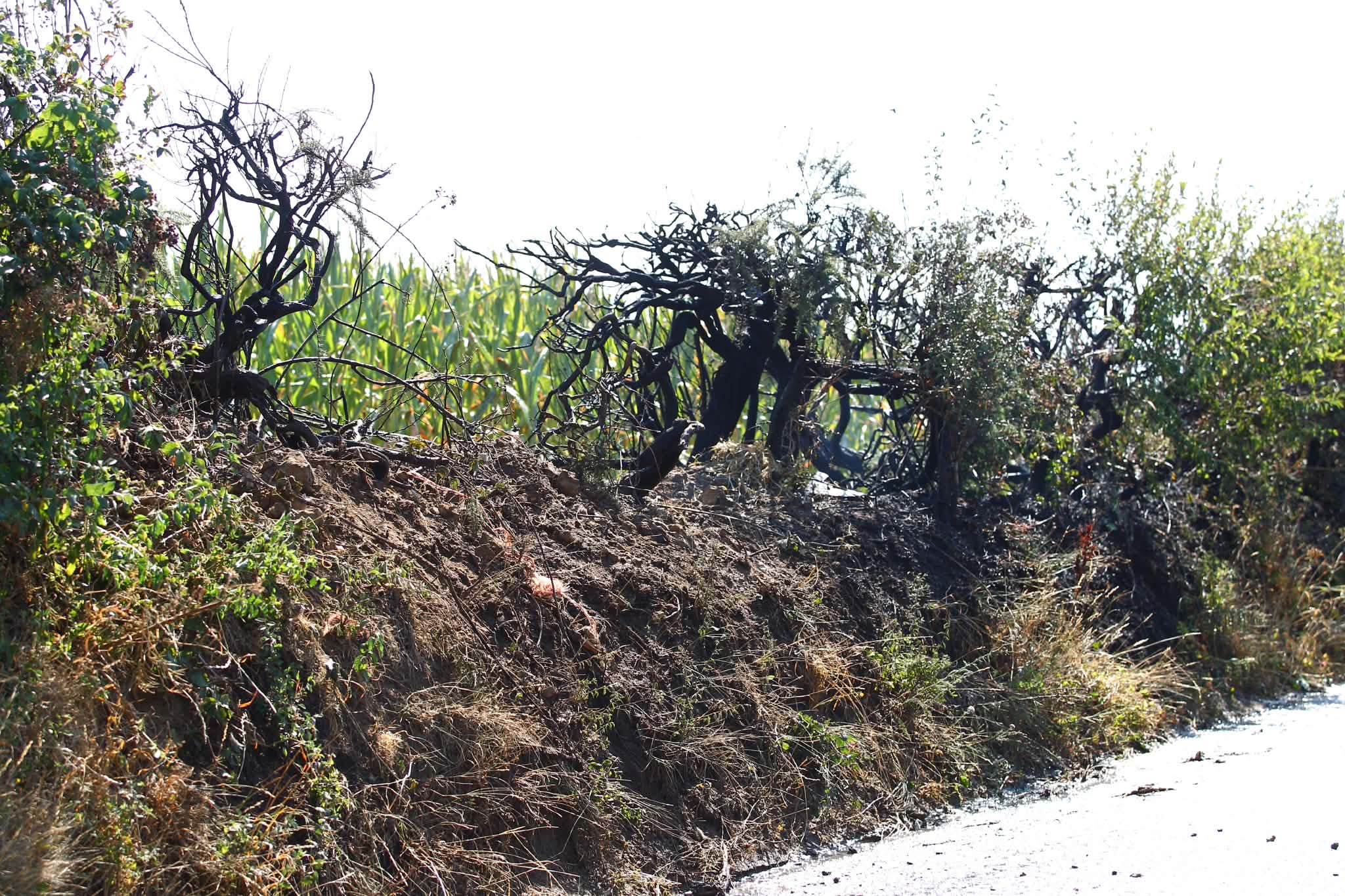
The recent spate of hedge hacking, has, as always, added to the flooding problems by blocking drains. Can the debris be cleared at the time of hedge cutting?
Surely all of this should be common knowledge.
If you don’t know how to stay safe you should not drive.
Yes Bert, it is common knowledge…..but not on the Isle of Wight! I’ve just been under cut again on a roundabout over there (I did have right of way) a lot of islanders don’t know to give way to the right, or signal incorrectly (even worse) just managed to carry out my delivery and escape back to to mainland with a dent.PS. I’ve tried to down tick myself to help all the haters you have over there!
Should read WITHOUT A DENT.
Edgar so glad you have spotted the shocking way island roads leave the roads after tarmacing then the drop on the sides is shocking wouldn’t happen on mainland