















































 Analysis from the road safety charity Brake has revealed that on average 88 people are killed or seriously injured on roads in the South East every week.
The findings have been published to mark today’s launch of national Road Safety Week, supported by Kwik-Fit and Specsavers, which is shining a light on campaigners who are ‘Stepping Up for Safe Streets’ and improving the safety of roads.
A UK-wide survey of 2,000 adults, commissioned by Brake, has also shown that nearly a third of adults were in a collision, or had a near miss, with a vehicle on a UK road in the past year, with a quarter (24%) of South East residents stating they were involved in such incidents.


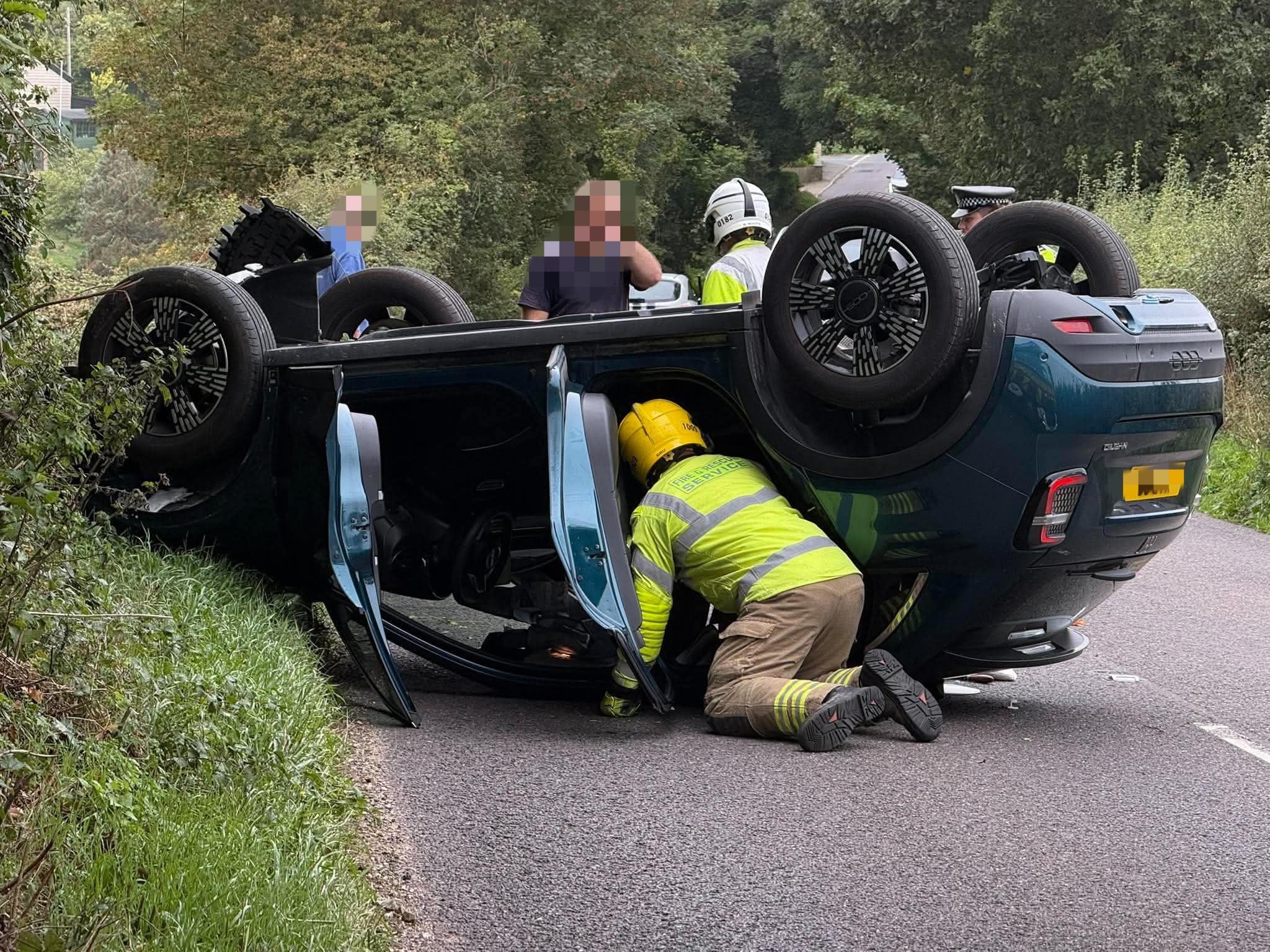
Road danger is a serious issue in the South East. 258 people were killed and 4,328 seriously injured on the region’s roads in 2018. The total number of people being killed or seriously injured increased by 7% on 2017, rising from 4,284 to 4,586 in 2018.
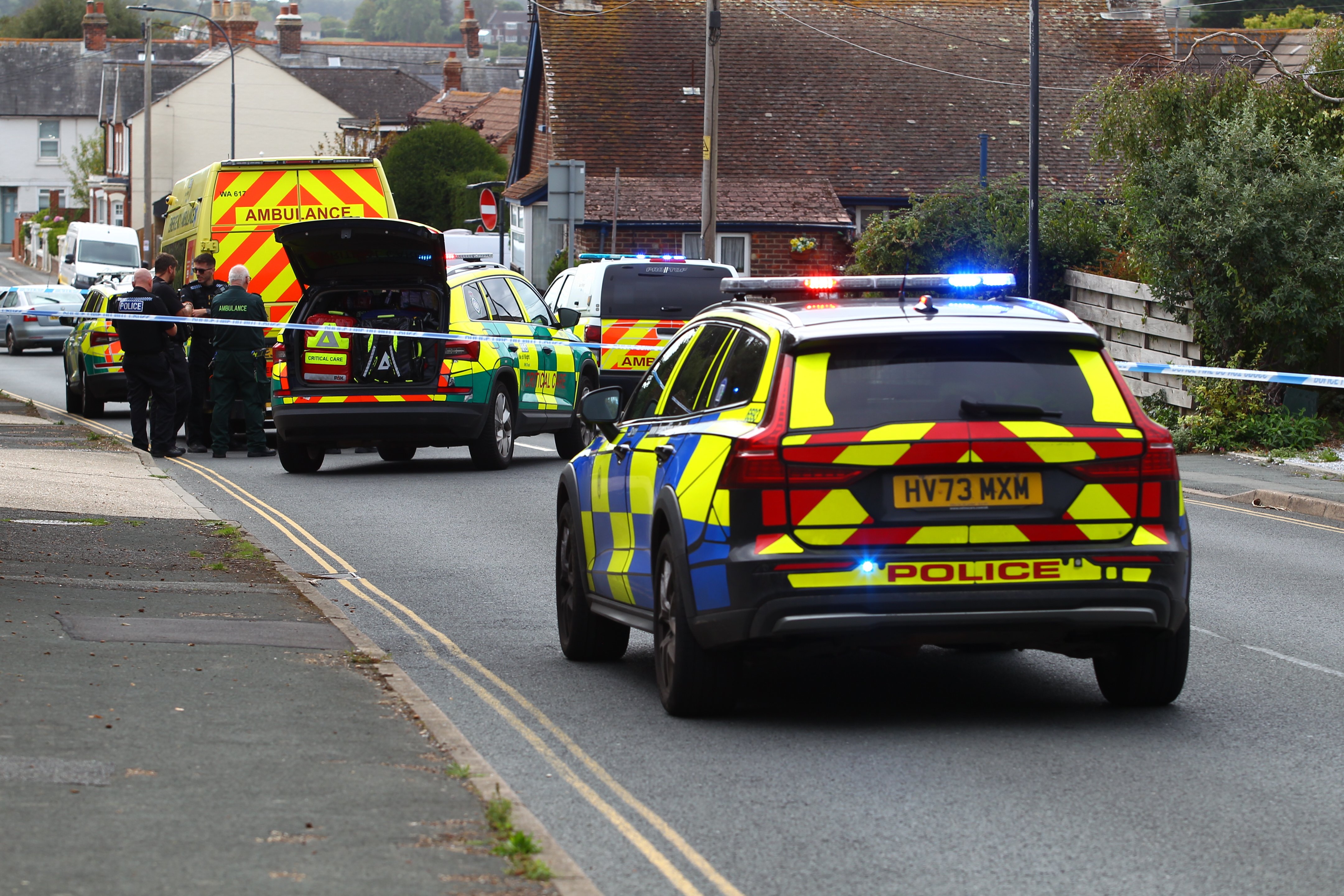
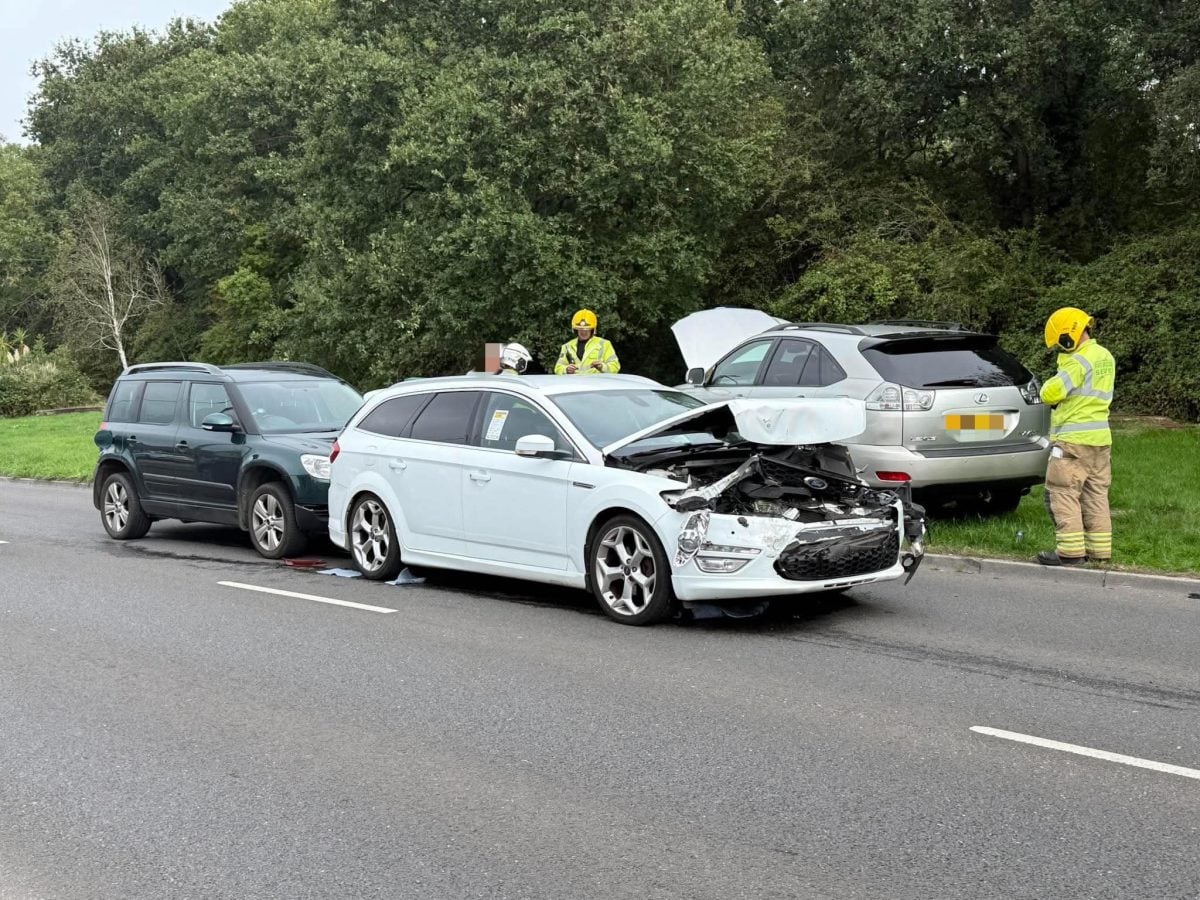
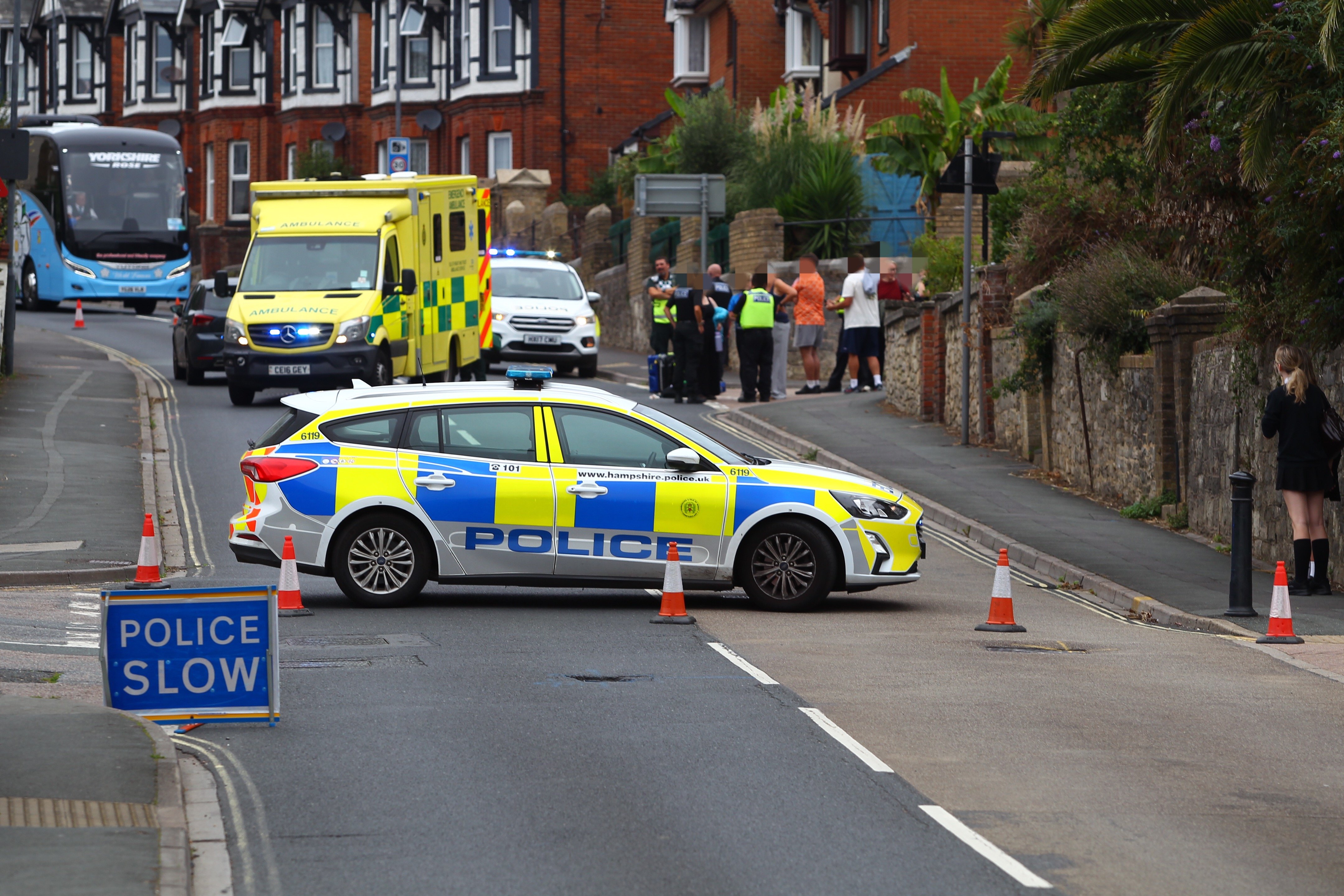
On the Isle of Wight, 82 people were killed or seriously injured on our roads in 2018. Of this number, 36 were in a car, 25 were on a motorcycle, 10 were on a bicycle, 9 were pedestrians and 2 involved a bus or coach.
Schoolchildren, community groups and employees across the region will be taking part in the week by learning about, and celebrating, the safe systems solutions which can eliminate death and serious injury from the roads – from 20mph limits in urban areas, to technology which can prevent vehicles from speeding.
Joshua Harris, director of campaigns for Brake, the road safety charity, said:
“These findings paint an alarming picture of the danger on the South East’s roads and yet it’s what we’re all exposed to, every day, when getting about. We shouldn’t have to accept this level of risk as part of our daily lives and so we are calling on everyone to “Step Up” for Road Safety Week and shout out for the solutions that we know can make our roads safe.
Article continues below this advertisement “Across the region, people are working tirelessly to campaign for safe streets, organising petitions, meeting with MPs and councillors and raising money and awareness. This Road Safety Week we want everyone to think about how they can do their bit and step up for safe streets. Can you join or start a local campaign? Do you need to take the car on your next journey, or could you walk, cycle or get the bus? If you are travelling by car, will you pledge to always keep within speed limits and never drive after drinking alcohol or taking drugs? Let’s all Step Up for Safe Streets and, together, we can help make roads safer for everyone.”

Further details about Road Safety Week can be found at www.roadsafetyweek.org.uk.







It’s a wonder there not more on the island with the poor standard of driving
To make some sense of the figure we need some statistics to see if there is a certain age group, type of car, type of journey etc or it is just bleating about it shouldn’t happen.
The council have made it worse, not better. Take the road into Ryde from Asheap downs. The road used to have a central white line, NOW they get rid of that, yet paint two lines along the edges of the road, AND install concrete drains which ‘jut out’.
Now, when nervous, or old drivers drive on that stretch of road, they often are way too far over the wrong side of the centre.
The white lines on each edge giving a false image of making the road appear narrower than it is, thus forcing drivers who are old or weak or just arrogant to hog the other side too much.
Likely a new directive from the EU, and ‘perhaps’ not the councils fault, but much better as it was, less smashed wing mirrors in the gutter too.