


































































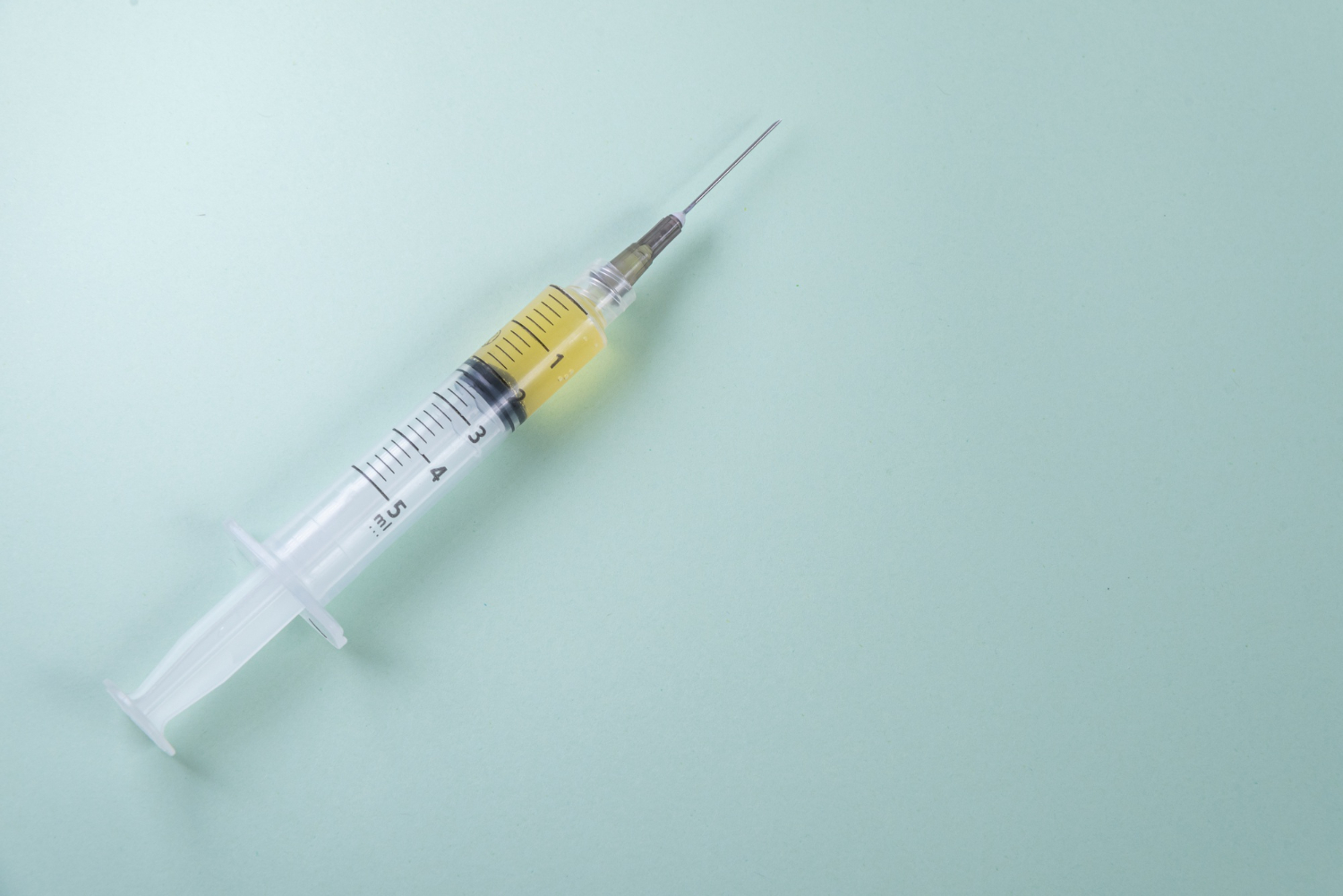

A lot of clinic owners set a price per ml or per vial by checking what the clinic down the road charges. Then the margin comes in below the headline number. Consumables, chair time and the occasional wasted syringe were never counted.
Pricing injectable treatments means building a cost stack, component by component, until the price is something you can defend in a consultation.
The cost stack behind one syringe
The invoice price is the starting line. Cost per syringe or vial only becomes useful once everything else sits on top of it:


- Product cost: the wholesale invoice price per syringe or vial.
- Consumables: needles, cannulas, topical anesthetic, dressings.
- Time: practitioner minutes plus room and chair time.
- Overhead allocation: rent, insurance, registration and licensing costs apportioned per slot.
- Complication reserve: hyaluronidase on the shelf for HA fillers, and appointment capacity for follow-up if a vascular occlusion needs managing.
Test the result against a benchmark. Clinic software vendor Sorso suggests injectable product cost should sit at or below 35% of injectable revenue, and that above 40% something is wrong: pricing is too low, the mix leans on expensive fillers without adequate markup, or there is waste. If your number lands there, the stack tells you which of the three it is.
Per-syringe or per-area: choosing a pricing model
Per-syringe pricing feels transparent. It also trains patients to compare syringe counts across clinics, and it can punish accurate dosing. If you need 0.8 ml of a product, the menu invites a debate.
Per-area or outcome pricing sells the clinical result. Many clinics now quote a treatment plan after assessment, so the consultation sets the price, not the menu. For dermal filler pricing strategy, this is the more durable model, because it ties the fee to your judgment and not to the product volume.
Package pricing needs restraint. Bundles should follow your positioning, not chase volume. A price well below the going rate is read as a risk signal. Save Face reports that dermal fillers account for the largest share of the complaints it receives about unregistered practitioners, followed by botulinum toxin. A menu priced far below the market reads as a corner cut somewhere, and patients who have seen those complaint figures know it.
Supplier terms that change the real product cost
The invoice line is rarely the true product cost. A stock-out mid-week forces a rush order, and a rush order carries expedite fees, express freight and an hour of someone’s time on the phone. All of it lands on the cost of that week’s treatment slots, and none of it shows on the original price list.

Unpredictable terms push owners to build a “just in case” buffer into the price. Predictable terms remove the need for it, which is why consolidating orders with one dedicated aesthetic supplier is a pricing decision as much as a logistics one. With Filladerm, to take one example, there is no minimum order quantity and no handling or card fee, EU express delivery takes 24 to 48 hours, and every order ships insured with its batch numbers recorded. Terms like these turn product cost into a known figure instead of a range.
Before a first order with any wholesaler, confirm the CE marking, check that the trading name matches the invoice, and inspect seals, batch numbers and traceability labels on delivery. Supplier verification protects patients and limits your liability. The savings are a side effect.
The operating principle
Lead time, minimum orders, payment fees and traceability all change the number you carry into the consultation, so supplier reliability belongs inside the cost stack, not beside it.
Work the stack out for each treatment on the menu, starting with the one you sell most, and you will be quoting from your own costs rather than copying a competitor’s price list.