




























































Travel budgets rarely go exactly as planned. A checked bag may cost more than expected, a delay can mean paying for meals or transport, and optional services such as fast track or lounge access may add more to the total than a traveler first assumed. The problem is not always the price itself. It is the uncertainty around the final amount and the need to make decisions quickly. The effect is especially noticeable when there is little time to compare an additional cost with the rest of the trip. That uncertainty can create money anxiety before the journey has even properly begun.
The Psychology of Money Anxiety While Traveling
Travel stress often comes from not knowing what will happen next. A traveler may understand the main costs of a trip—tickets, accommodation, local transport, and food—but still face smaller expenses that are harder to predict.
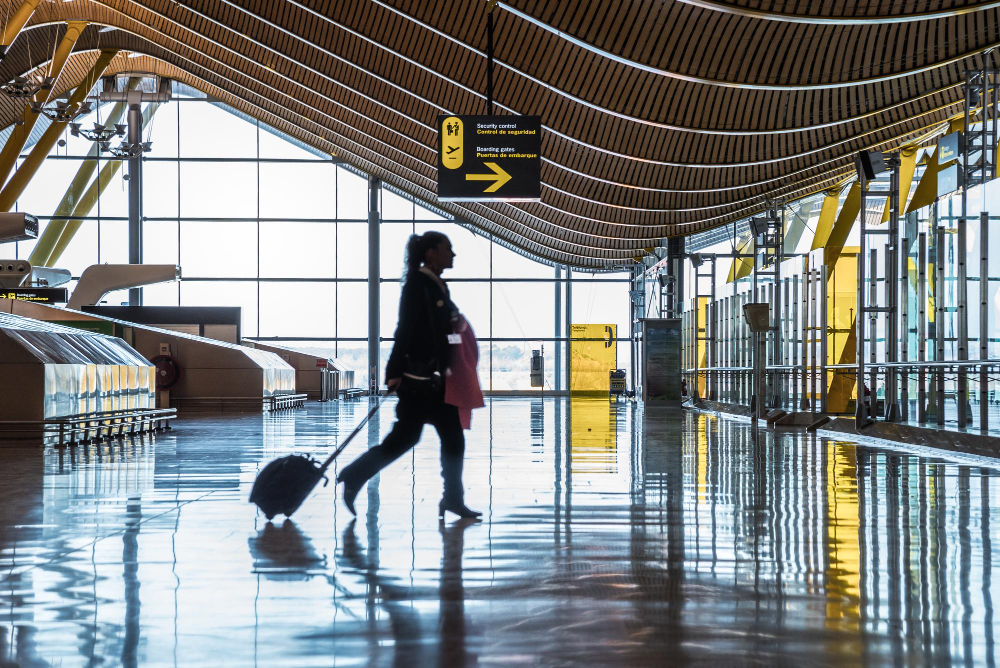
Some of those costs are connected to the flight. An overweight bag may require an additional payment. A delay may lead to extra spending on meals, airport transport, or a new connection. A passenger may also decide at short notice that fast track or lounge access is worth paying for because the airport is crowded or the transfer is long.


The difficulty is that these decisions are often made under pressure. When boarding time is approaching, it is harder to compare options or decide whether a service is essential. A small purchase can feel reasonable in the moment but uncomfortable later if it pushes planned spending beyond its limit.
This is where money anxiety becomes more than a simple concern about price. It is also about losing a sense of control. A traveler may start wondering whether there will be enough money for the rest of the trip, whether savings will be needed, or whether another planned expense will have to be reduced.
The final amount is not always possible to predict exactly. However, separating expected costs from optional services and keeping a reserve for genuine surprises can make the financial side of travel easier to manage.
Why My Trip Online’s Transparency Matters More Than Price
A low price does not automatically make a service easier to use. Travelers also need to understand what they are paying for, whether a subscription is involved, and which services are available for a particular airport or route.
Transparency matters because it gives the traveler time to make a decision before arriving at the airport. When the listed price of an available service is visible in advance, it becomes easier to decide whether that service fits the travel budget. A traveler can compare the cost with the expected benefit, set a spending limit, and avoid making the decision while rushing through the terminal.This kind of visible pricing is often the easiest way to judge whether a travel-assistance service is legit before relying on it.

A travel platform can make selected services easier to review before payment, although it cannot predict every expense that may arise during a journey. The practical benefit is narrower: the traveler can identify certain costs earlier and decide whether they belong in the budget.
A useful travel-assistance platform should make several things clear:
- which services are available for the selected airport or route;
- what the listed price is before the purchase is confirmed;
- whether a subscription is required;
- what the payment and renewal terms are;
- how the traveler can contact customer support.
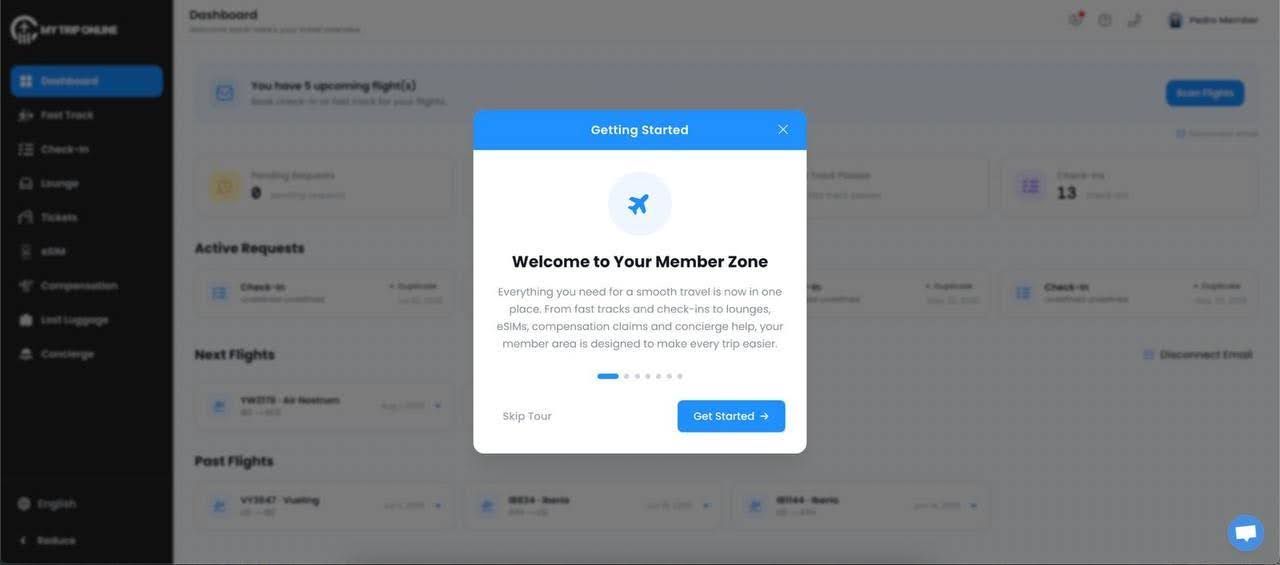
My Trip Online allows travelers to review and book selected airport services in advance. The platform also provides access to payment and subscription information. Before confirming a purchase, the user should check the final amount, determine whether the selected service is connected to a subscription, and make sure the payment, renewal, and cancellation conditions are suitable.
The value of this approach is not the promise of a completely predictable trip. It is the opportunity to make an informed decision about visible costs while there is still time to compare them with the rest of the planned spending.
My Trip Online Customer Service: Support That Keeps You in Control
Questions about payments and subscriptions are easier to address before a purchase than after it. A traveler may want to know what is included, whether a service is available for a particular airport, or how the subscription applies to the selected booking.
My Trip Online customer service gives users a channel for asking those questions. A clear request can make the conversation more useful because support can focus on the specific booking, payment, or subscription issue that needs clarification.
The most relevant questions are usually practical:
- What is the total amount connected to the purchase?
- Is a subscription involved?
- Which services are included, and which are paid for separately?
- How do renewal and cancellation work?
- Which airport stage is covered by the selected service?
- Where can the user find the relevant payment information?
These questions help distinguish between the price of an airport service and any separate subscription-related charge. They can also help the traveler understand whether an option matches the actual route and travel plans.
It is useful to include specific details when contacting support, such as the airport, route, selected service, booking reference, and the exact term that needs clarification. This reduces the need for several rounds of general questions and makes it easier to identify the relevant information.
Support is therefore most useful as a source of clarification. It gives the traveler additional information before a decision is made, while the choice of whether the service fits the budget remains with the user.

Small Habits That Keep Travel Budgets (and Nerves) Under Control
Travel-assistance platforms are most useful when they form part of a broader spending plan. Several basic travel budget habits can reduce the number of financial decisions that must be made under pressure.
1. Separate essential costs from optional services
Start with expenses that are difficult to avoid, including transport, accommodation, food, baggage charges, and required documents. Keep fast track, lounge access, and similar services in a separate category. This makes it easier to see which purchases are necessary and which are mainly about comfort or convenience.
2. Keep a reserve for genuine surprises
Not every extra cost can be predicted. A delay, missed connection, or change in transport may create an expense that was not included in the original plan. A separate reserve reduces the risk of using money intended for accommodation, food, or other essential needs.
3. Review the total and subscription conditions together
Before confirming payment, compare the displayed service price with the final amount due. Check whether additional fees are involved, when the subscription begins, how often it renews, what it costs, and how to cancel the subscription if it’s no longer needed . Keeping the confirmation email or relevant payment page can also make the information easier to find later.
4. Decide what convenience is worth paying for
A long transfer may make lounge access useful. A tight schedule may make fast track worth considering. The same services may be unnecessary on another journey. Setting a personal limit in advance makes the decision easier when time is short.
These habits do not require a highly detailed financial system. Their purpose is to separate the known costs, create space for the unknown ones, and prevent optional purchases from quietly consuming money intended for the rest of the trip.
Conclusion
Unexpected costs are difficult because they combine money, time pressure, and uncertainty. A more manageable approach is to identify visible expenses in advance, divide essential and optional costs, and leave a reserve for situations that cannot be predicted.
My Trip Online can support this process by showing selected airport options before a trip and providing access to payment, subscription, and customer support information. Checking MTO reviews before using it also gives travelers realistic expectations about pricing and support. So an opportunity to include those specific services in the overall spending plan rather than deciding about them for the first time at the airport.
Financial peace of mind depends less on eliminating every possible surprise than on understanding the known costs, setting clear limits, and keeping control of the final decision. When travelers know which expenses are essential, which are optional, and how much flexibility remains in the budget, unexpected costs become easier to handle without disrupting the entire journey.