





















































 The NSPCC has revealed across the UK – on average – 67 children a day are receiving help from its Childline service as they struggle with suicidal thoughts and feelings.
In 2018/19, Childline delivered 24,447 counselling sessions to young people plagued by a sense of despair, a 3-year increase of a quarter (25%).
ChildLine’s South-East base in London delivered 3,638 of those counselling sessions in 2018/19 to young people from across the UK.


Nationally most of those reaching out were teenagers, but there has also been a sharp rise in under 11s receiving help (87% since 2015/16)
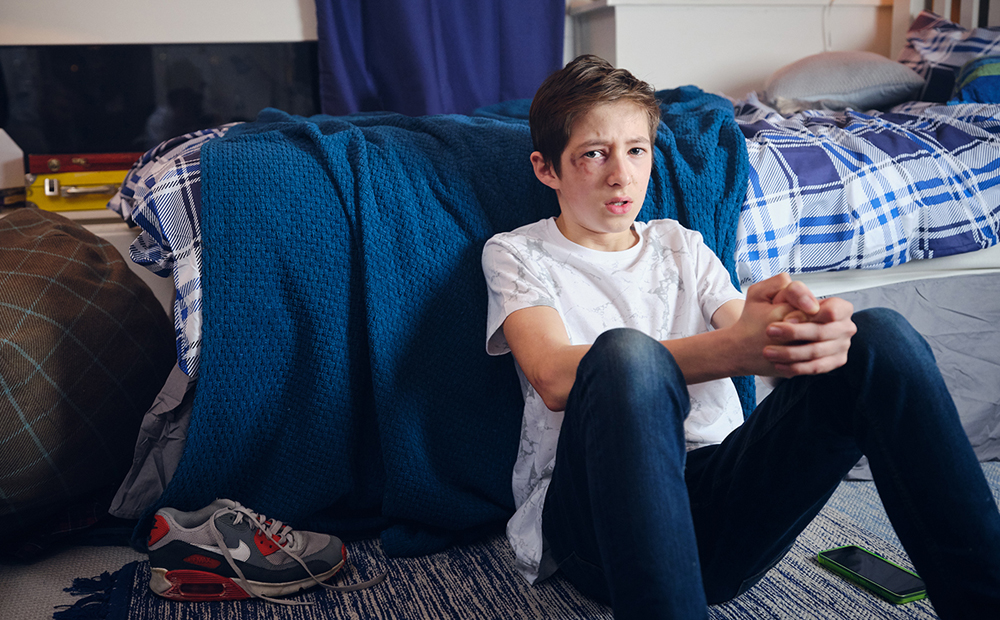
Young people contacting Childline with suicidal thoughts and feelings cited specific concerns about mental health, self-harm, family relationships and problems at school and college. Girls were more likely to talk about these feelings, with five times as many receiving counselling sessions than boys.
In response, the NSPCC is today launching a nationwide campaign – KIDS In Real Life – urging the public to help them save a child’s life, in real life.
#KIDS_IRL is highlighting that with so much of childhood today happening online, there are more ways than ever for children to hide how they really feel. But behind the filters, feed and emojis, many of them are suffering. Some are even thinking about taking their own life.
The NSPCC is calling on people to show their support through a ‘Pledge to Protect’ and make a donation to fund vital services like Childline which are there for children and teenagers when they have nowhere else to turn.

#KIDS_IRL is being brought to life by a series of hard-hitting films and adverts to raise awareness of the struggles many children and teenagers face across the country.
The stories of children and young people featured throughout the campaign are based on real life experiences of young people who have contacted the NSPCC.
Since launching its online chat service, the demand for support and advice from Childline has continued to rise.
Esther Rantzen, Founder and President of Childline, said:
“When we launched Childline in 1986, the majority of calls were from young people describing pain caused by someone else, this could include abuse, bullying or neglect. But over the last ten years we have seen a rise in the number of children describing their feelings of such intense unhappiness that they tell Childline they want to end their own lives. It is deeply disturbing that we have reached a point where, on average, 67 children a day are receiving help for suicidal thoughts and feelings.
“This new campaign highlights that many of these profoundly unhappy young people hide their feelings to those around them online, bottling up their suicidal thoughts which may become overwhelming. Worryingly we don’t have the resources to be there for every child who needs us, which is why it is so important the public get behind #KIDS_IRL and supports the NSPCC in their mission to be there for all the young people who reach out in their darkest hour.”













This is a very sad but also very believable story to read.
I have to ask though, how many parents will read this and then jump straight back on to a social media site, as well as happily allowing their children to do the same. I would guess at a high amount. The introduction of social media into our lives has put huge pressure on to society and in particular teenagers, who have not really known any different. The pressure to look a certain way and to portray a certain life must be too much to bare at times for many and it is astonishing that these sites have gained so much popularity, especially from adults who should know better.
I have lost count how many times I have seen a family sat in a cafe or restaurant, both parents staring into a phone and completely oblivious to their child. Of course this is going to have a mental effect, especially on younger children. If a child was being neglected in the home, then the social services would step in and try to rememdy the situation. Does this happen when a child is neglected in this way?
Finally, the way that young children are being taught in schools, especially around sexuality, is becoming very pressured. There is no need to teach an 8 year old child about gender neutrality and whatever else they are having forced upon them. Of course, we all have a choice in life and the paths that we take. However, I feel teaching children these topics around this age can be too much for them and again, can cause confusion or make the child feel wrong in themselves. Any teacher doing this should be ashamed of themselves.
Unfortunately, stories like this will become all the more common place, until people wake up, see what is happening around them and in some cases, start standing up for themselves.
Of course these are only my views and would be interesting to hear others to.
So, despite the attempt at tugging on heart strings about the plight of children, they still manage to get the begging bowl sentence in there..
The NSPCC is calling on people to show their support through a ‘Pledge to Protect’ and make a donation to fund vital services like Childline.
Have they no shame.
Make a donation to their pay packets more like – the top 8 executive board members trousered £1,104,000 between them in 2019. All from the donations given.
The total wage bill for the NSPCC in 2019, which includes pensions, social security costs and other employee benefits was £68,679,000 – yep that is over £68 million in wages.
It is no surprise that these figures are buried on page 92 of the annual report and in small print – not highlighted like the glossy, look at what we do on the first pages.
https://www.nspcc.org.uk/globalassets/documents/annual-reports/nspcc-annual-report-2018-19.pdf
another charity that pleads poverty, has well over £100m in assets, pay exorbitant wages to staff and then has the cheek to have the begging bowl out.