


































































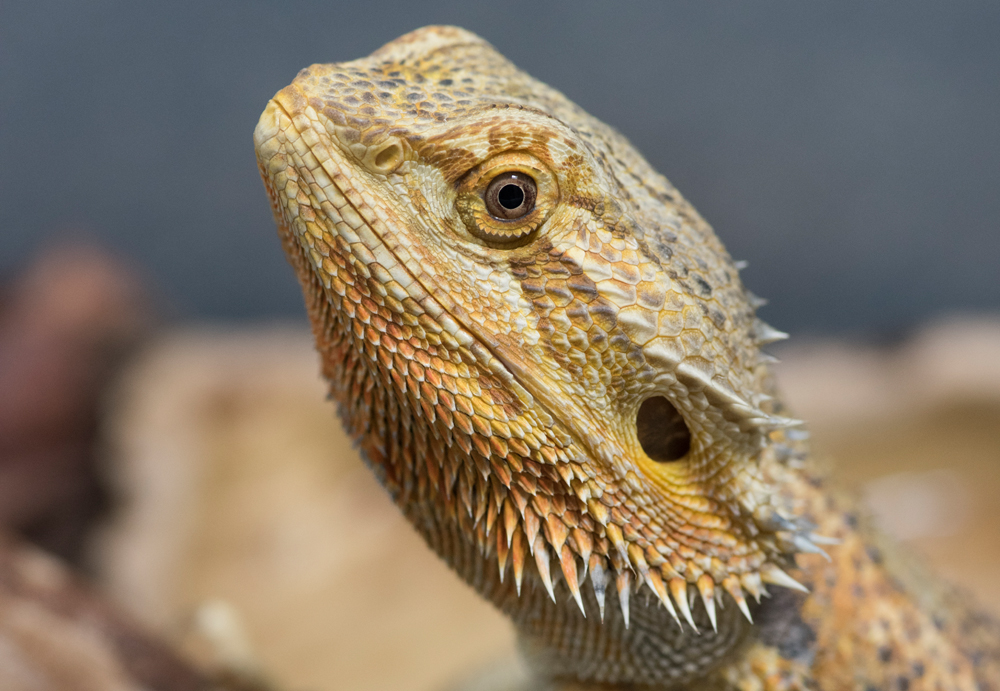

 The RSPCA received more than 50 calls about neglected, abandoned and stray exotic animals on the Isle of Wight last year, new figures show.
The UK’s largest and oldest animal welfare charity has released its annual statistics this week, which reveal the plight of the more unusual animals.
Across England and Wales in 2018, the number of calls the RSPCA received to its 24-hour cruelty hotline increased by 13% from 2017 to 1,175,193 calls. The charity received around 15,790 calls about exotic animals, more than 40 a day, or more than 1 every hour. This includes 50 calls from the Isle of Wight.


The RSPCA believes the reason behind some of the suffering of these exotics pets is that owners do not research their needs using expert sources and don’t understand the type and amount of care that they need, resulting in them escaping, being abandoned or neglected.
Stephanie Jayson, RSPCA’s senior scientific officer in exotics and qualified exotics vet, said:
“Although their numbers are small compared to more common pets, we have real concerns about the welfare of reptiles and other exotic animals kept as pets in this country.
“Reptiles and other exotic pets are completely reliant on their owners to meet their welfare needs including requiring the correct levels of heat, light and humidity, plus an appropriate diet. Some species can grow very large, live for a long time or require a licence or paperwork to be legally kept or sold. Many of the animals we’re called to help are found stray outside, where they can very quickly suffer in the cold”.
The RSPCA, which has a team of specially trained exotics officers, rescued over 4,000 exotic animals in 2018, including more than 500 snakes, more than 300 turtles, 145 bearded dragons, 5 raccoon dogs and even 4 marmosets and a wallaby.

Stephanie continued:
“It is heartbreaking to see animals like this found injured or suffering as they are stray or abandoned outside in inappropriate temperatures. Some of the animals we see, like monkeys and raccoon dogs, have no place in the home and we would urge people not to take them on as pets.
“Others are still a long-term commitment and need specialist care and equipment so we urge anyone considering taking them on to fully research their needs using expert sources, only consider keeping one if they can ensure they are fully able to provide for these needs and consider rescuing rather than buying.”
For information about the exotic animals looking for a home at the RSPCA, visit www.rspca.org.uk/findapet and to learn more about how to care for these animals, see care sheets for some of the more commonly kept exotic pets.










It is disappointing to see in the 21st Century, that some people still think that taking a creature from its natural habitat and keeping it imprisoned in a cage or tank, as a pet, is somehow acceptable. These creatures may not communicate in the same way that we do, or look like us, however, they still have a right not to be kept incarcerated in an artificial environment, where they are not free to live the way that life intended for them.
Keeping a creature as a “pet” in this way is cruel and should not be happening.