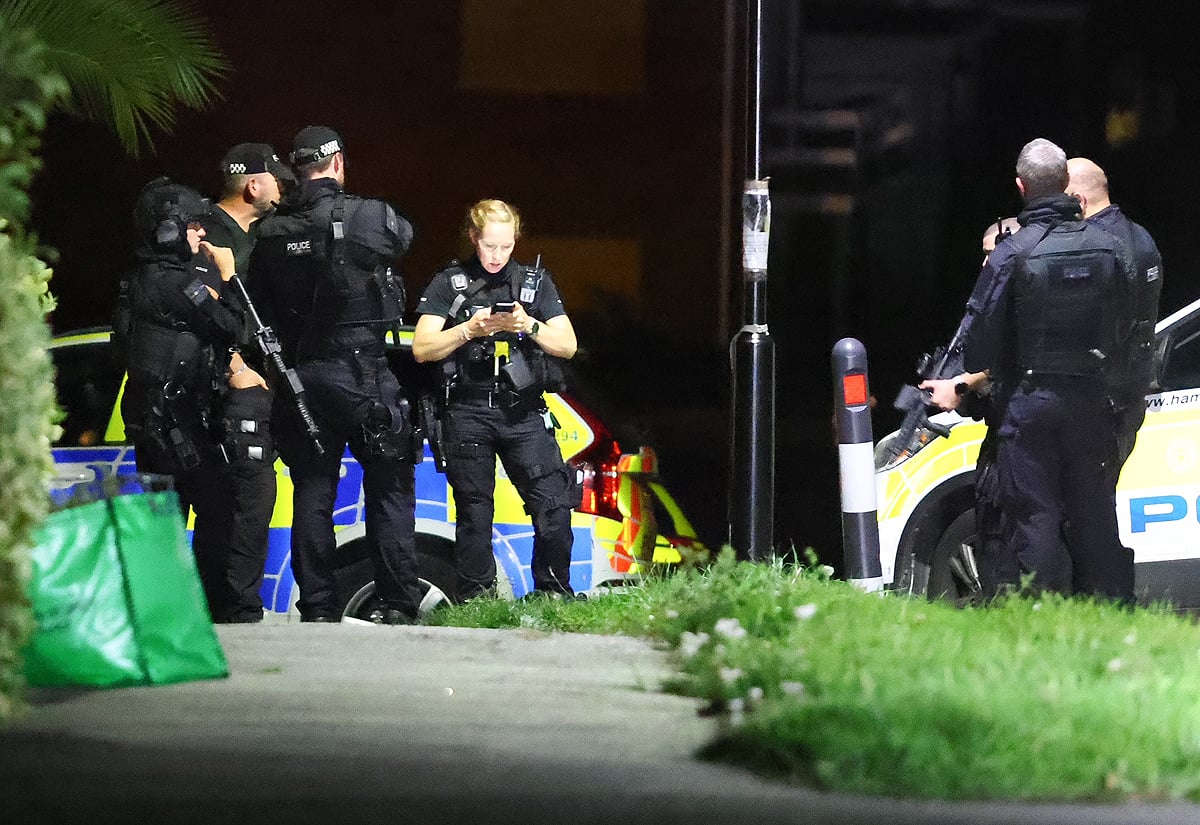
























































 Neighbourhood policing officers are carrying out regular patrols in Newport’s town centre to address concerns raised by members of the public about anti-social behaviour.
Police have recorded more than 20 incidents, some of which involve anti-social behaviour, such as verbally abusive and disruptive behaviour and street drinking, in Newport since the start of May. Many of these reports have related to the Church Litten and bus station area in the centre of the town.
Examples of Hampshire Constabulary’s response, under the banner of Operation Varney, include officers dealing with 2 public order incidents on Tuesday 12th June as part of the patrols. The first happened on South Street shortly before 19:00 where a teenager was being verbally abusive. A 13-year-old boy was subsequently issued with a section 35 dispersal order.


At some point between 19:05 and 19:30 a 31-year-old man was being verbally abusive on Orchard Street and in the bus station area. The man was subsequently spoken to and a community resolution was agreed, he apologised to other members of the public who had previously heard the shouting and swearing.
Inspector Rob Abel has said:
“We are working with our colleagues from the Community Safety Partnership and are regularly patrolling problem areas for anti-social behaviour which have been identified to us in Newport.
“The message to those people responsible for nuisance and anti-social behaviour issues is simple. We will take action, and this could lead to you having a criminal record. This in turn could affect your eligibility for employment, your ability to borrow money, or may mean that you cannot travel to countries like the United States in the future.
“We have a number of powers to tackle ASB and these include: community resolutions, dispersal orders, fixed penalty notices, acceptable behaviour contracts, and criminal behaviour orders.
Article continues below this advertisement “The far preferable thing is for us to actually approach people and have a conversation, discuss the issues, and ask them to refrain from being anti-social. By resolving the issue at the time it benefits all parties involved. People do need to realise though that we do have specific powers to deal with anti-social behaviour and we will use these if the situation requires it, or if someone is persistently causing a problem.
“If you see anyone causing a public order issue or anti-social behaviour in the town please call us at the time. Don’t think that someone else will report the problem. We need you to report any incidents to us, so that we can build a complete picture of what is happening in the town centre. You can do this by visiting the Hampshire Constabulary website or calling 101”.

Amanda Gregory, Chair of the Isle of Wight Community Safety Partnership said:
“The Community Safety Partnership is committed to tackling anti-social behaviour to improve community confidence and wellbeing on the Island.
“The success of this work comes as a result of excellent partnership working and the commitment of our hard working police and community officers, who face very challenging conditions to ensure the Isle of Wight community remains safe”.
Anti-social behaviour
If anti-social behaviour is affecting your quality of life, or making you fear for your safety or the safety of others, there are people who can help. You can contact the police, your local council Community Safety Department or, if relevant, your housing provider. These partner agencies have a role to play in reducing anti-social behaviour, supporting the most vulnerable and dealing with the people responsible.
Anti-social behaviour is an incident that may not necessarily be a criminal offence, where the behaviour of an individual or group causes or is likely to cause:
• Harassment, alarm or distress to any person, not of the same household
• Another party feeling personally threatened
• Creates a public nuisance or detrimental impact upon the environment
• Has a detrimental effect upon the quality of life of an individual or the community as a whole.
If you have children under the age of 18 help Police by following this advice:
• Before they go out, find out what your children are doing, where they are going, and when and how they will be getting home.
• Sometimes children do not consider the consequences of their actions, so ask them to think about whether they could be causing distress to others, damaging the environment or putting themselves in danger.
• Often children do not need to buy alcohol, they take it from home without their parents’ knowledge. Keep alcohol in a safe place and keep a check on how much you have, so that you will know if any goes missing.
• Young people are also often the victims of disorder, so if you or your child experience anti-social behaviour, make sure you report it to the police. Police cannot send officers to every incident, but if you let them know what is happening in your area, they can make sure our resources are targeted effectively.