














































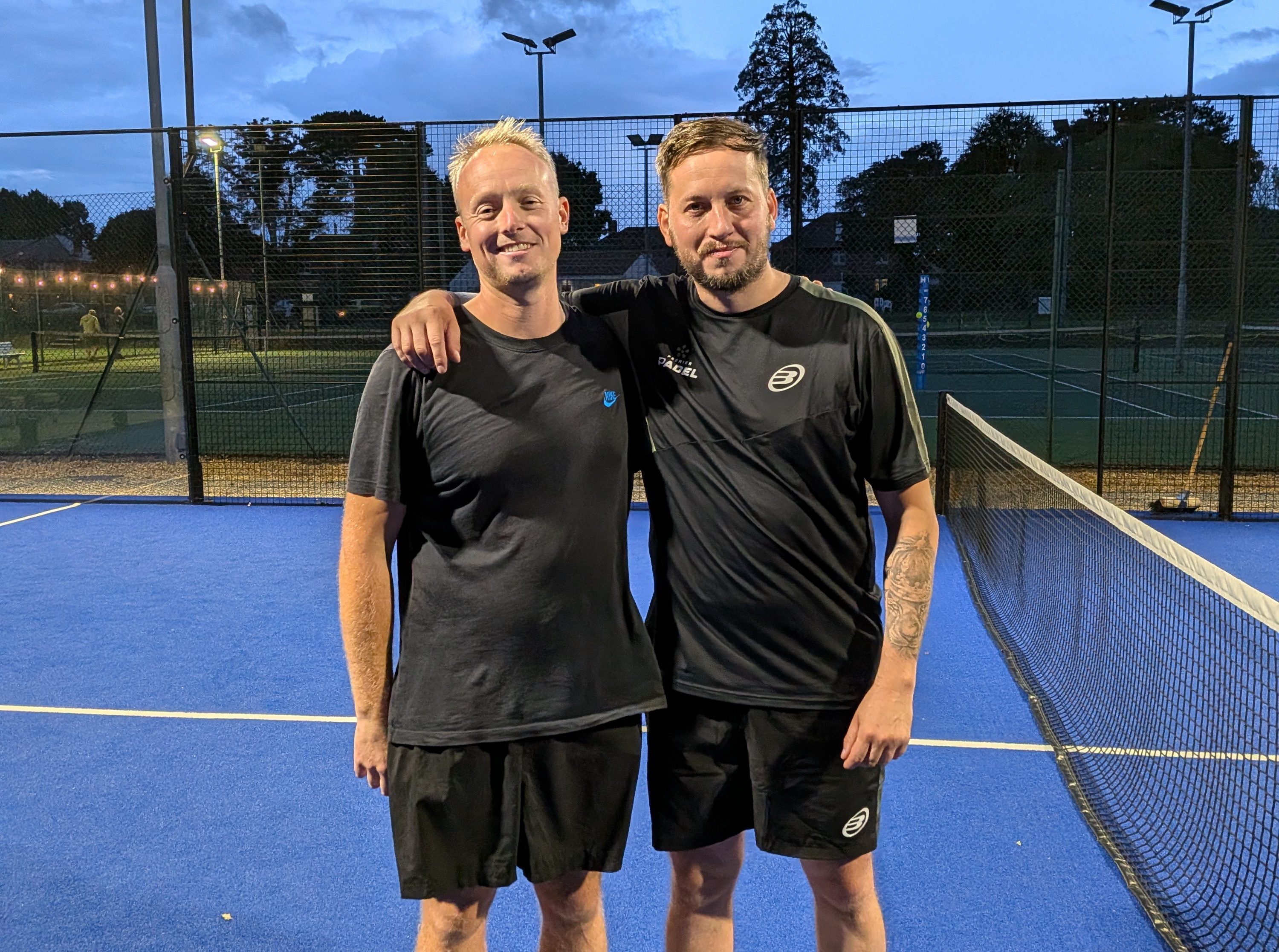








4 Emergency Vehicle Operatives from the Isle of Wight Ambulance Service have joined a cohort of 24 Emergency Care Assistants from a neighboring service to embark on the Paramedic Apprenticeship.
Adam, Lynsey, Kenny and Steve, join a group from South Central Ambulance Service (SCAS) and study with the University of Cumbria both online and attending lessons, which are hosted by SCAS on the mainland. They will all continue to work as part of an IWAS emergency ambulance crew with a paramedic mentor, completing supervised work-based learning.
Adam, Lynsey, Kenny, and Steve all successfully completed a bridging course with the University of Cumbria, and their prior experience and knowledge is recognised enabling them to enter directly onto year 2 of a BSc in Paramedic Science. To earn their degree they will commence their studies for two years.


It’s with support from the Trust that this opportunity has been made possible, providing IWAS staff with a career progression route, giving the service an opportunity to grow their own paramedic workforce for the future.
Alasdair Hay, Isle of Wight Ambulance Service Educator, said:
“The Isle of Wight NHS Trust Ambulance Service has been involved in the development of the new Paramedic Degree Apprenticeships from the start with a view to developing our own staff into future Paramedics. It is very exciting to now be in the position of seeing our first four apprentices embark on their studies as part of the third cohort nationally.”
The apprentices have also shared their thoughts:
Kenny said:

“After 6 years as an EVO I decided that it was the right time for me to develop myself and progress within the Ambulance service. The Paramedic Apprenticeship program really suits me, being able to learn whilst working enables me to have a study/home life balance, which is really important to me.”
Adam said:
“After 10 years with the IWAS working in Patient Transport Services and as an Emergency Vehicle Operative, the Paramedic Apprenticeship Programme is a great opportunity for career progression, supported by the IWAS.”