


































































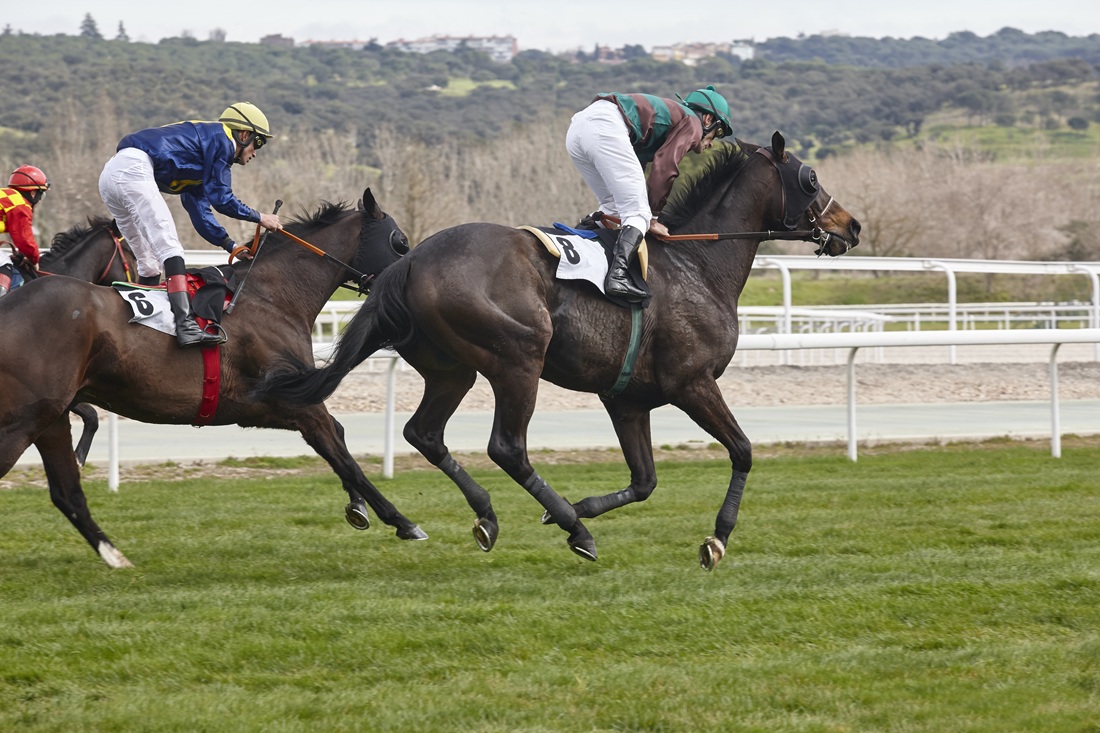

Horse racing has long been part of British sporting culture, combining competition, tradition and social occasion in a way few other sports can match. From major national meetings to smaller regional race days, the sport continues to attract loyal followers while also finding new audiences among younger fans.
For many newcomers, the appeal goes beyond the racing itself. A day at the races can include fashion, food, live entertainment and the chance to enjoy a shared sporting experience with friends or family. That combination of heritage and modern entertainment has helped horse racing remain relevant in an increasingly crowded sporting landscape.
Race Day Traditions Still Have Strong Appeal
One of horse racing’s greatest strengths is the sense of occasion that surrounds major meetings. For generations, racegoers have dressed up, studied the racecard and gathered around the parade ring before taking their places to watch the action unfold.


These rituals remain an important part of the experience. Even first-time visitors quickly become familiar with the excitement of seeing horses in the paddock, hearing the crowd react as the runners approach the final furlong and watching celebrations after a close finish.
Fashion also continues to play a major role. Certain race meetings have become almost as well known for what spectators wear as for the racing itself. Smart outfits, hats and race-day style help create an atmosphere that feels different from a typical football or rugby fixture.
Food and hospitality have also evolved. Modern racecourses often offer everything from casual street food to premium dining packages, making race days attractive to visitors who may not consider themselves dedicated racing fans.
For younger audiences in particular, this wider social experience can provide an easy introduction to the sport. They may arrive for the atmosphere but gradually develop an interest in the horses, jockeys, trainers and stories behind each race.
Technology Is Bringing Racing to New Audiences
While tradition remains central to horse racing, technology is helping the sport reach people in new ways.

Race meetings are now easier to follow through mobile devices, live broadcasts and social media. Fans can watch highlights, read expert analysis and learn about horses and jockeys without needing to be at the racecourse.
This accessibility is especially important for younger sports followers, who are accustomed to receiving updates instantly. Short-form videos, behind-the-scenes content and interviews with racing personalities can introduce the sport to people who might otherwise have little exposure to it.
Online information has also made it easier for casual fans to understand racecards, form and major events. Ahead of high-profile meetings, some readers may also explore guides, previews and resources covering topics such as Cheltenham odds, particularly when trying to better understand how different runners are being assessed before a major festival.
For those who choose to engage with betting, it should always remain a secondary part of the sporting experience and be approached responsibly. The real attraction of racing lies in the competition, the skill of the jockeys and trainers, and the unpredictability that makes every race different.
Technology is not replacing the traditional race-day atmosphere. Instead, it is giving fans more ways to engage with the sport before, during and after a meeting.
Heritage and Modern Entertainment Can Work Together
Horse racing’s ability to combine heritage with modern entertainment may be one of the main reasons it continues to attract new generations.
Historic racecourses and long-established meetings provide a sense of continuity that appeals to sports fans who value tradition. At the same time, organisers increasingly recognise that modern audiences expect more than the racing alone.
Live music, family areas, themed events and improved hospitality have become common features at racecourses across the country. These additions can help introduce the sport to visitors who may initially attend for a social occasion rather than a specific race.
The personalities within racing also play an important role. Successful jockeys, trainers and horses can build strong followings, particularly when their stories are shared through television and social media. Fans often become invested in individual competitors, creating a connection that encourages them to follow future meetings.
For communities across the UK, including sports followers on the Isle of Wight, horse racing remains easy to enjoy whether through a trip to the mainland, television coverage or online updates.
The sport may have centuries of history behind it, but its future depends on continuing to welcome new audiences. By preserving the traditions that make race days distinctive while embracing modern technology and entertainment, horse racing is finding ways to remain both familiar and fresh for the next generation of fans.