


























































The Isle of Wight Council has declared no confidence in Southern Water, with 37 councillors backing a motion against the water company just 4 months after a similar proposal was rejected.
In a U-turn on its previous decision, the authority voted last night (Wednesday) amid continued concerns over sewage pollution, flooding, rising water bills and the capacity of the Island’s wastewater infrastructure.
The successful motion, brought forward by Reform UK Councillor Les Kirkby, stated simply:


“This council expresses no confidence in Southern Water.”
A total of 37 councillors voted in favour, although independent council leader Jonathan Bacon abstained.
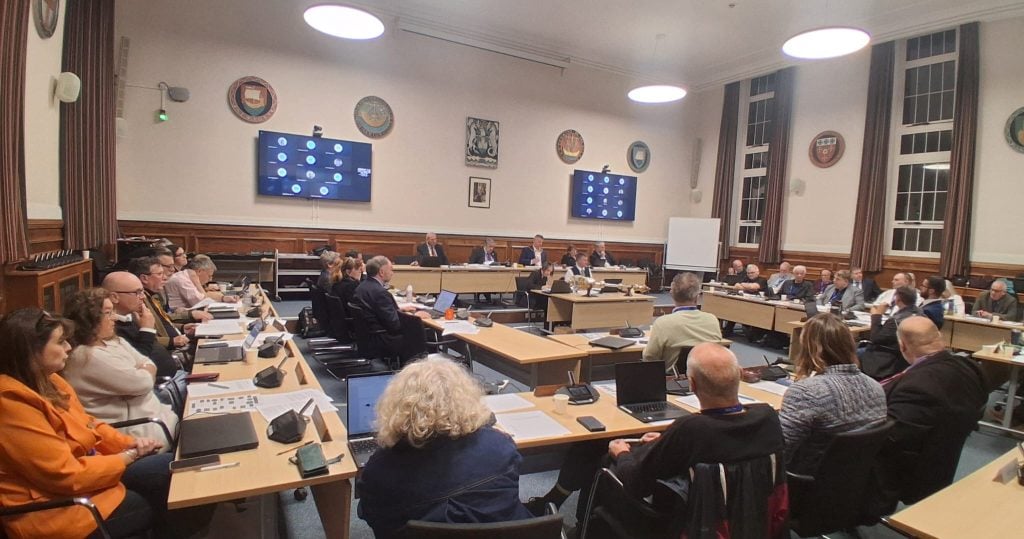
An earlier no-confidence motion was rejected by Full Council in July, despite a petition supported by thousands of Islanders. Instead, councillors backed an alternative proposal calling for greater scrutiny and accountability.
That decision prompted further controversy, with campaign group Sustainable Freshwater questioning how its petition, which attracted 3,697 signatures, had been handled.

A subsequent request for a review of the council’s decision-making process was refused by the authority’s Policy, Finance and Resources Committee in October.
The latest vote follows renewed efforts by Councillors Kirkby and Becca Cameron to secure a stronger response to Southern Water’s environmental performance.
As previously reported by Island Echo, councillors highlighted how the company’s average annual household water and wastewater bill had risen from £478 in 2024/25 to £759 in 2026/27 – an increase of almost 59%.
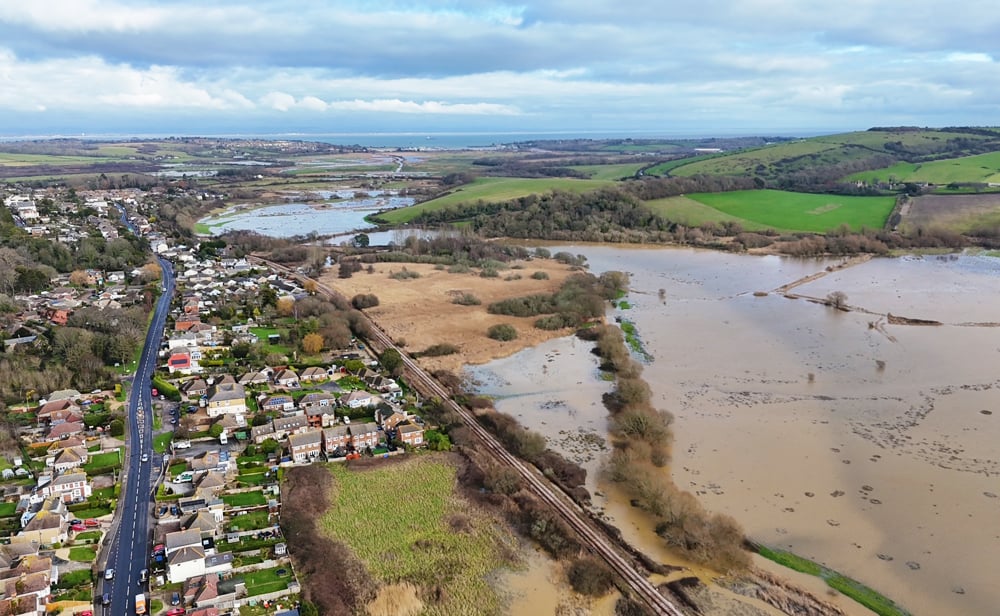
Concerns have also been raised about longstanding sewage problems in Freshwater, Yarmouth, Totland and Colwell, as well as whether the existing Norton to Shalfleet pipeline has sufficient capacity to accommodate further development.
The vote comes just days after Southern Water announced plans to invest more than £52million in reducing storm overflow releases across the Isle of Wight over the next decade.
The company’s programme, covering 2025-2035, includes improvements to wastewater pumping stations, more than 13km of replacement water mains and measures to improve resilience against power outages