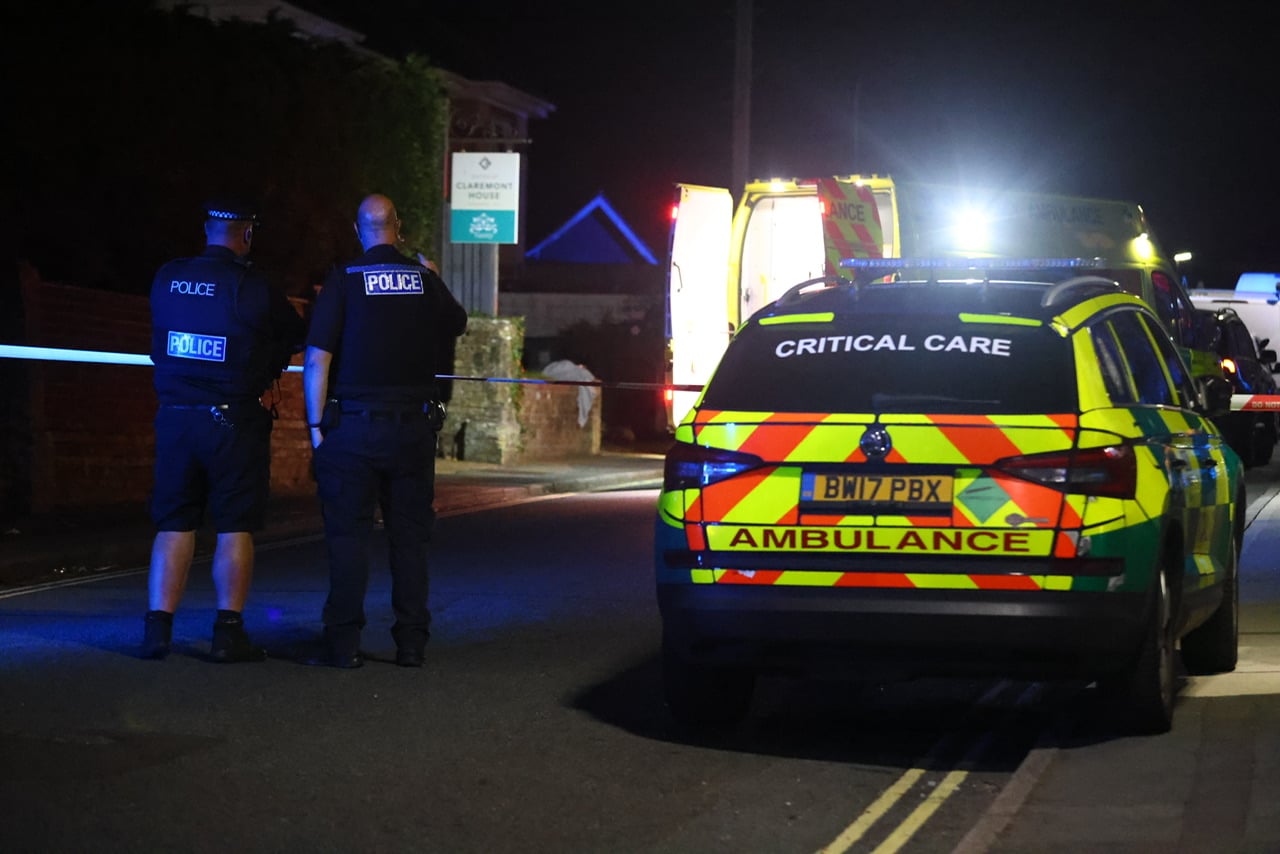









































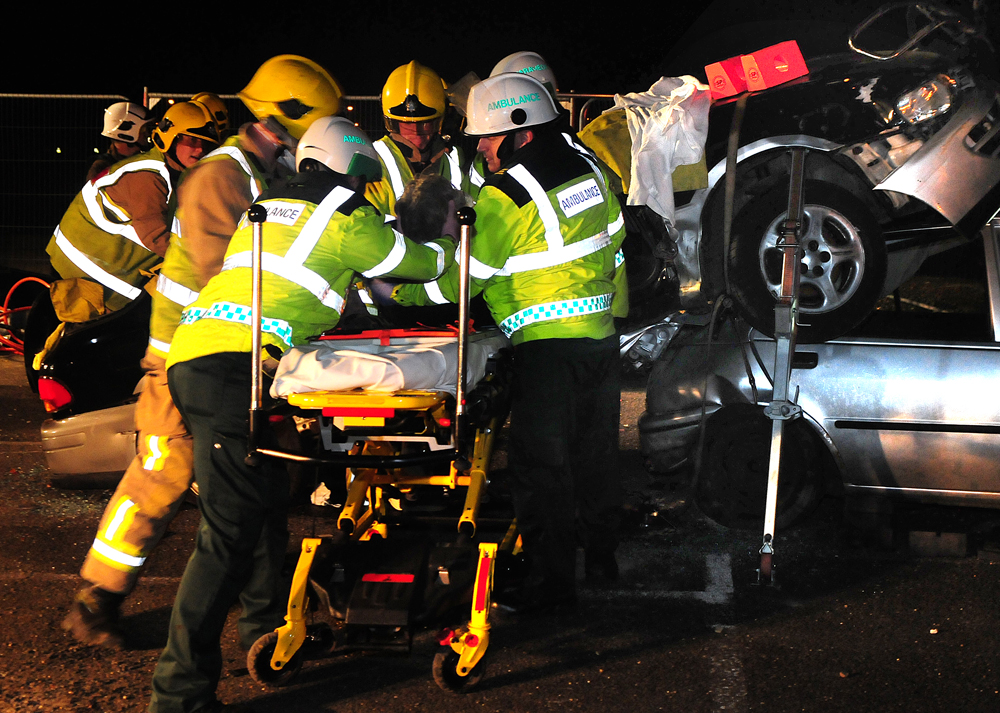

 The Isle of Wight Ambulance Service is calling for safer driving on the Island’s roads this winter.
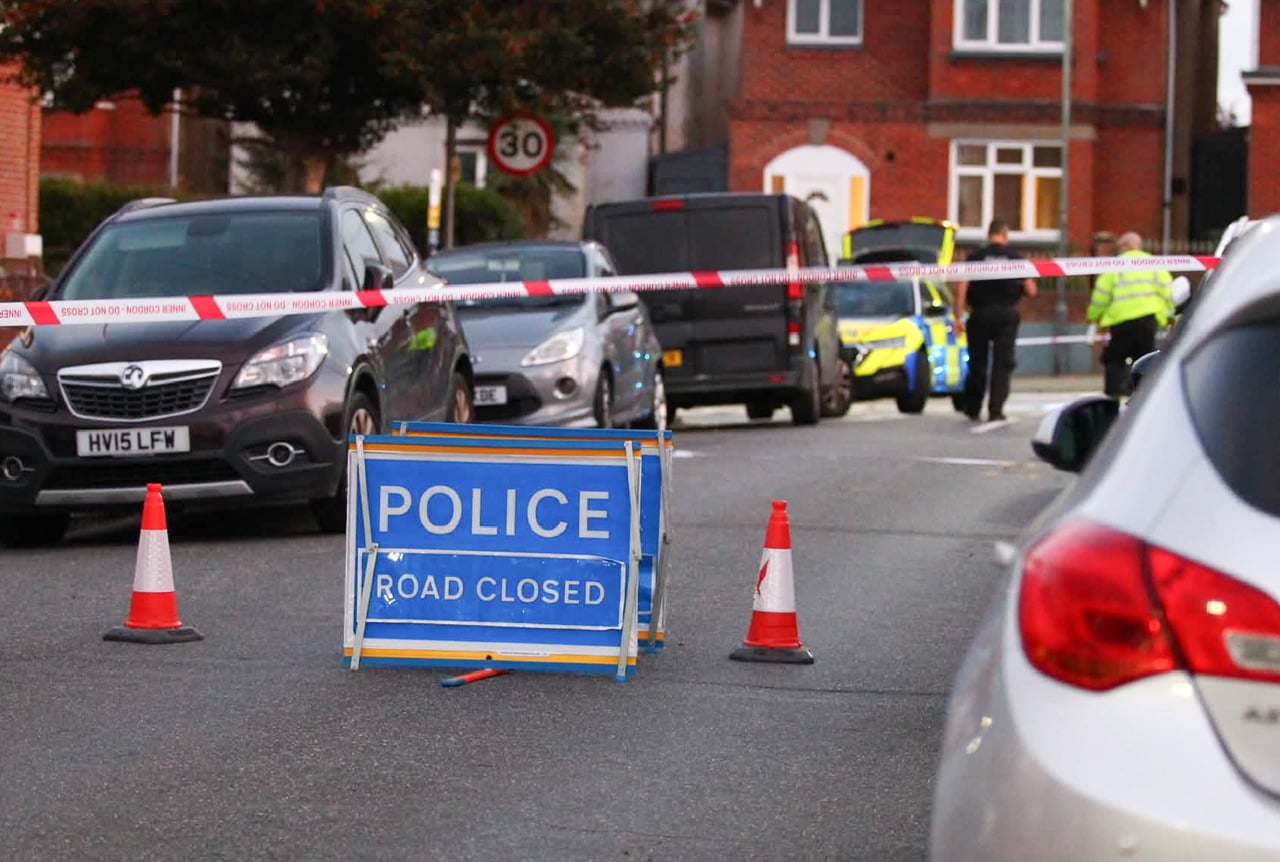
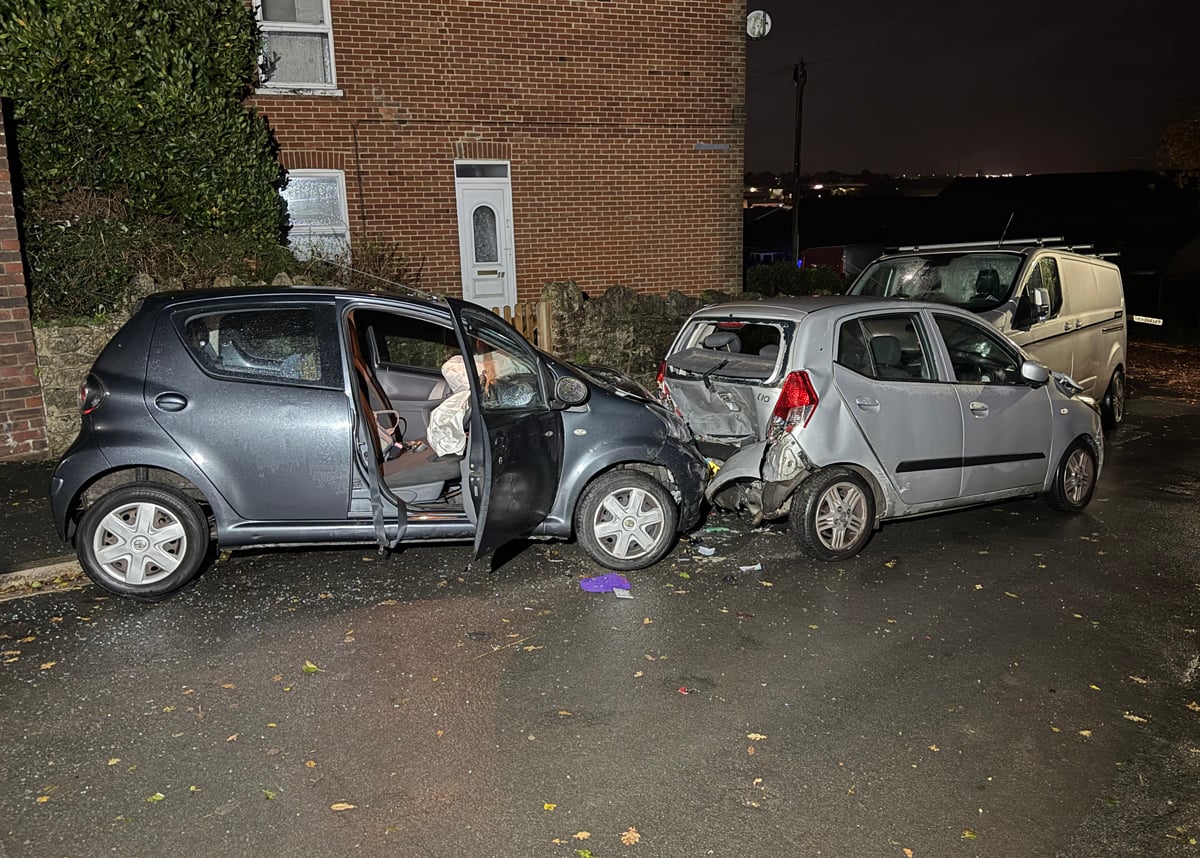
During 2015 (the latest statistics available) 422 people were injured on the Island’s roads. Of these 78 were seriously injured and 5 people died.
Analysis by Brake, the road safety organisation and the Trauma Audit and Research Network (TARN), which records information about patients admitted to trauma centres (our nearest centre is Southampton), shows that 20% of trauma admissions across Wessex (Hampshire, Dorset and the Isle of Wight) during 2016 were due to road traffic incidents – a total of 609 trauma admissions.


Patients who suffer trauma in an accident on the Isle of Wight may be conveyed for initial treatment in the Emergency Department at St Mary’s Hospital but would then be transferred to the Trauma Centre at Southampton General Hospital. The most serious cases are evacuated by helicopter from the Island either from the incident scene or from the helipad at St Mary’s.
Grahame Jackaman, Driver Training Officer for Isle of Wight Ambulance Service, said:
“We would urge all drivers to act responsibly, stick to the speed limits, don’t drive under the influence of either alcohol or drugs and to be careful during wet or icy conditions or when visibility is poor. A careful driver is a responsible driver. Getting somewhere safely is more important than being a few minutes late for something.”
Paramedic and Operational Service Delivery Manager for Isle of Wight Ambulance Service Darron Howard, said:
“Responding to road traffic incidents makes up a significant part of our work and when there are multiple casualties this can place a significant strain on the Island’s ambulance resources. We train with our police, fire and rescue colleagues and others to ensure that we can deal with these incidents but stopping these incidents from happening in the first place is more important. For example we work with the other emergency services to raise awareness in schools and colleges about the impact of road traffic incidents through the ‘Head On’ programme.”
Article continues below this advertisement