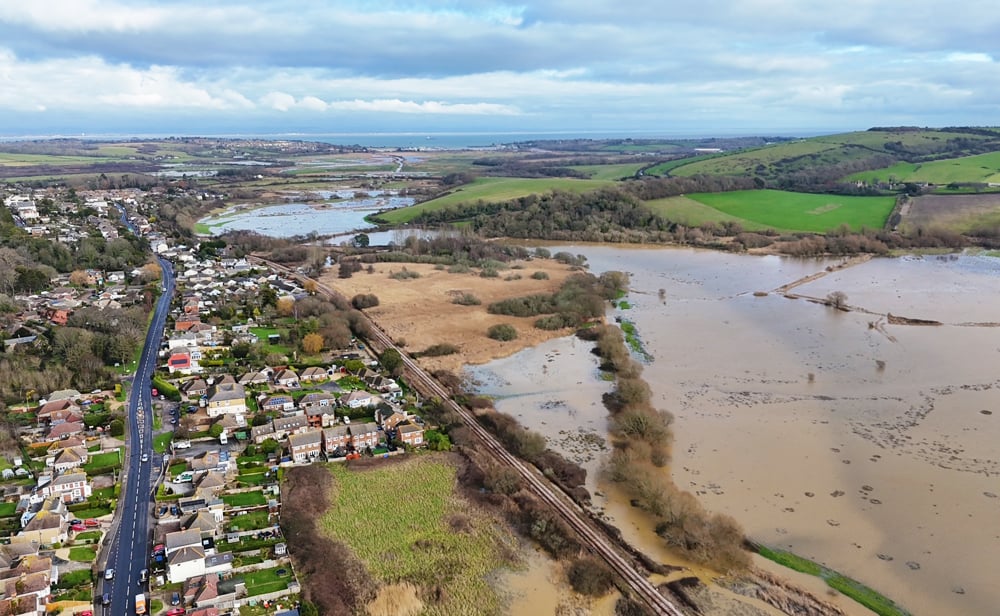
































One of photography’s greatest artistic revolutions began in a converted henhouse overlooking Freshwater Bay.
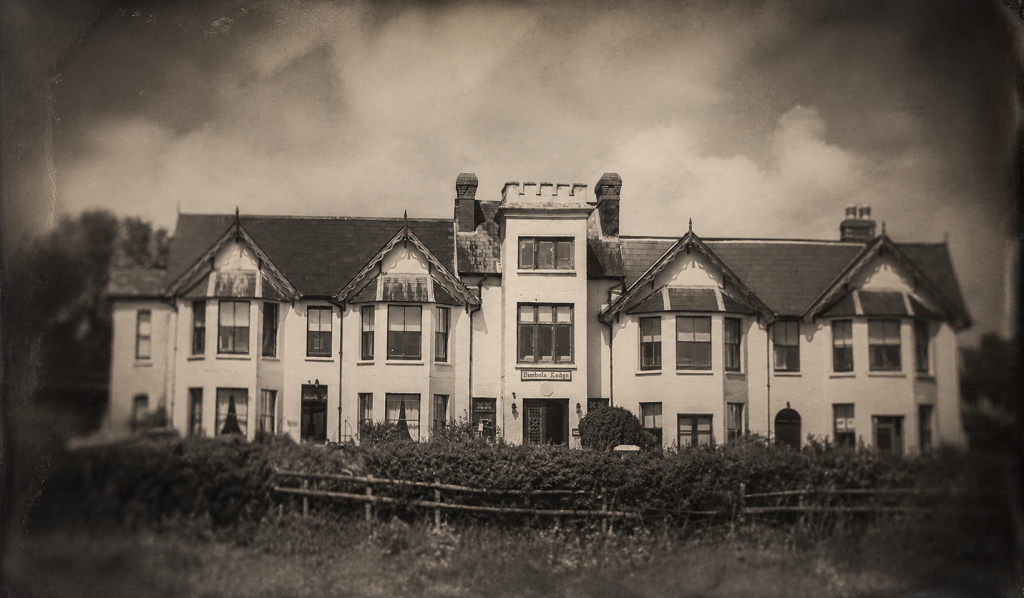
Christmas Day 1863 began quietly at Dimbola, the Camerons’ home overlooking Freshwater Bay. Among the presents awaiting Julia Margaret Cameron was a cumbersome wooden camera, given by her daughter after her children had left home. Nobody imagined the gift would change the history of photography.
At 48, Julia picked up a camera for the first time. Few would have imagined that her greatest achievement still lay ahead. Instead, within little more than a decade she helped transform photography from a technical process into a recognised art form.


Julia Margaret Pattle was born in Calcutta on 11th June 1815, one of ten sisters whose beauty and intelligence became well known in Victorian society. Educated in France before returning to India, she married the lawyer and reformer Charles Hay Cameron in 1838. Following Charles’s retirement, the couple settled on the Isle of Wight in 1860.
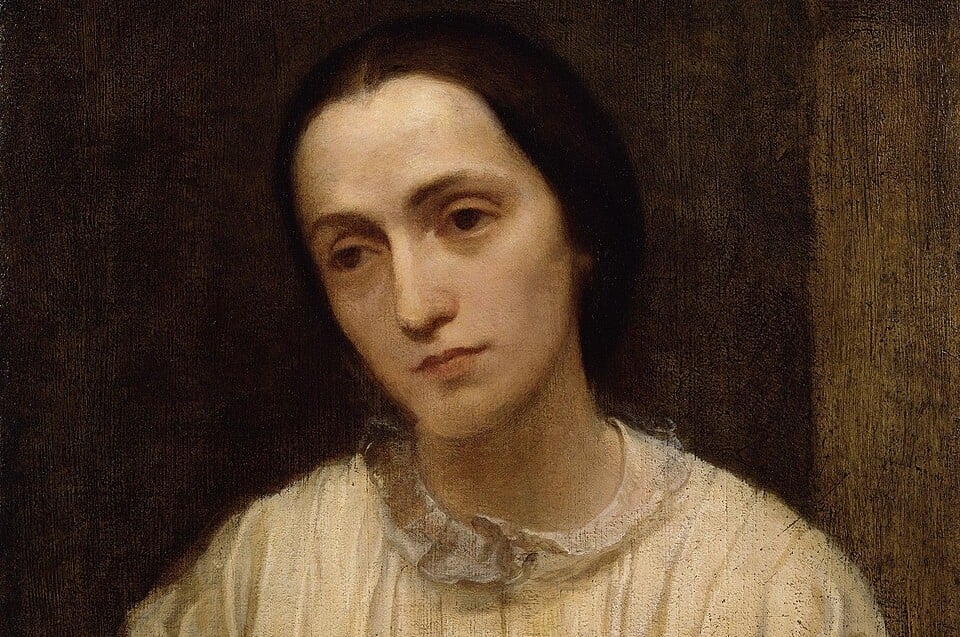
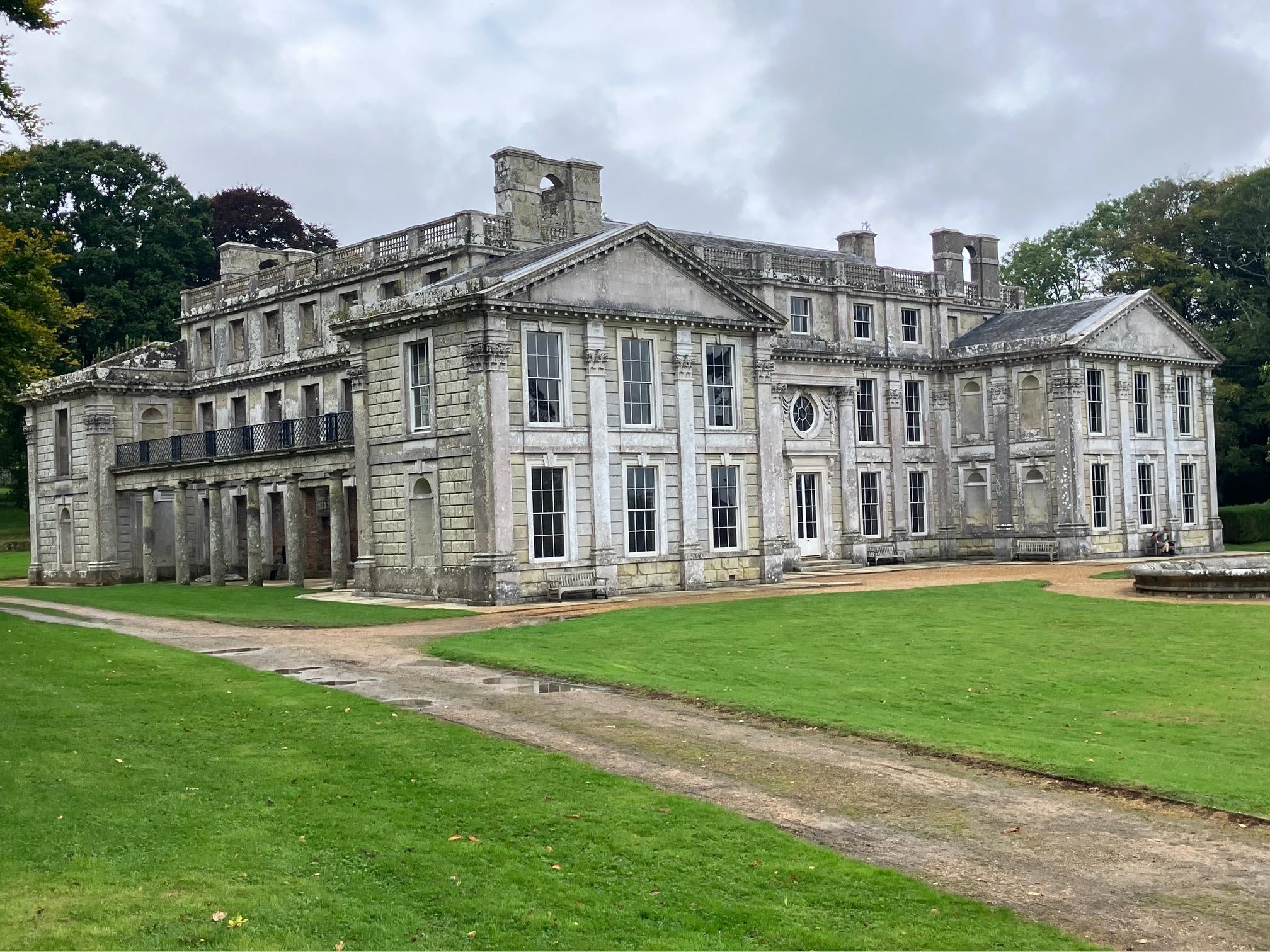
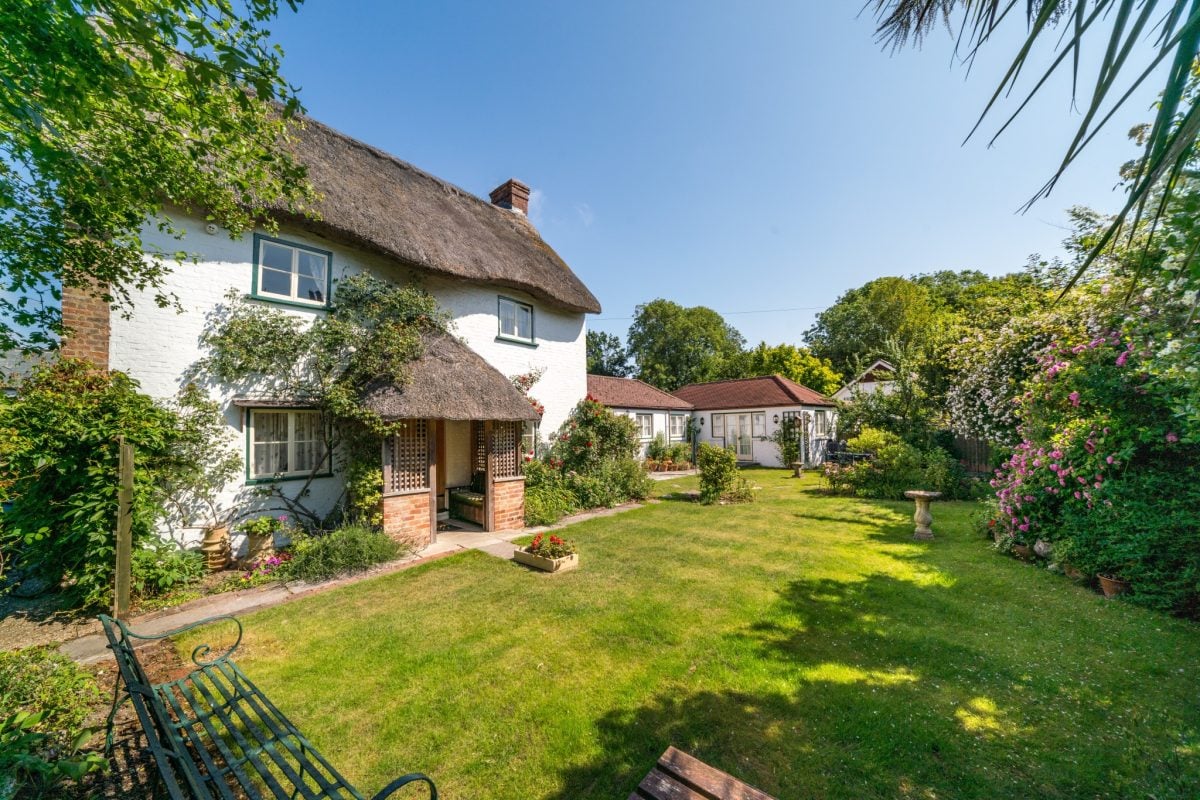
They named their new home Dimbola after one of the family’s coffee estates in Ceylon. Standing above Freshwater Bay, Dimbola became the centre of one of Victorian Britain’s most remarkable artistic communities. Next door stood Farringford, home of Alfred, Lord Tennyson. Writers, painters, scientists and philosophers passed regularly between the neighbouring houses.
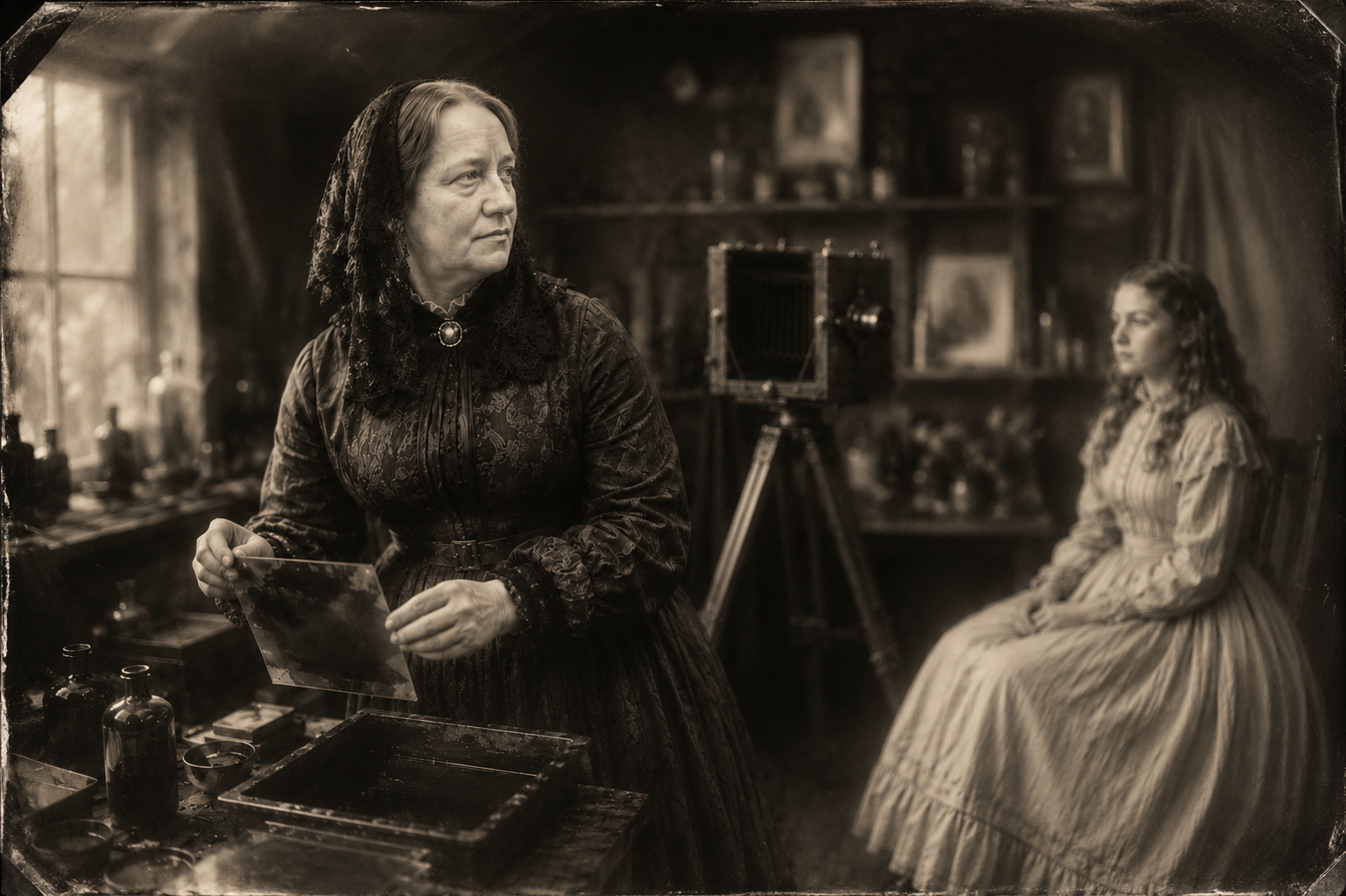
Photography in the 1860s demanded patience, precision and speed. Glass plates had to be coated with chemicals, exposed while still wet and developed before they dried. Julia later admitted she scarcely knew where to place the camera or even how to focus a sitter. Her first attempt ended when she accidentally wiped the image from the plate with her hand.
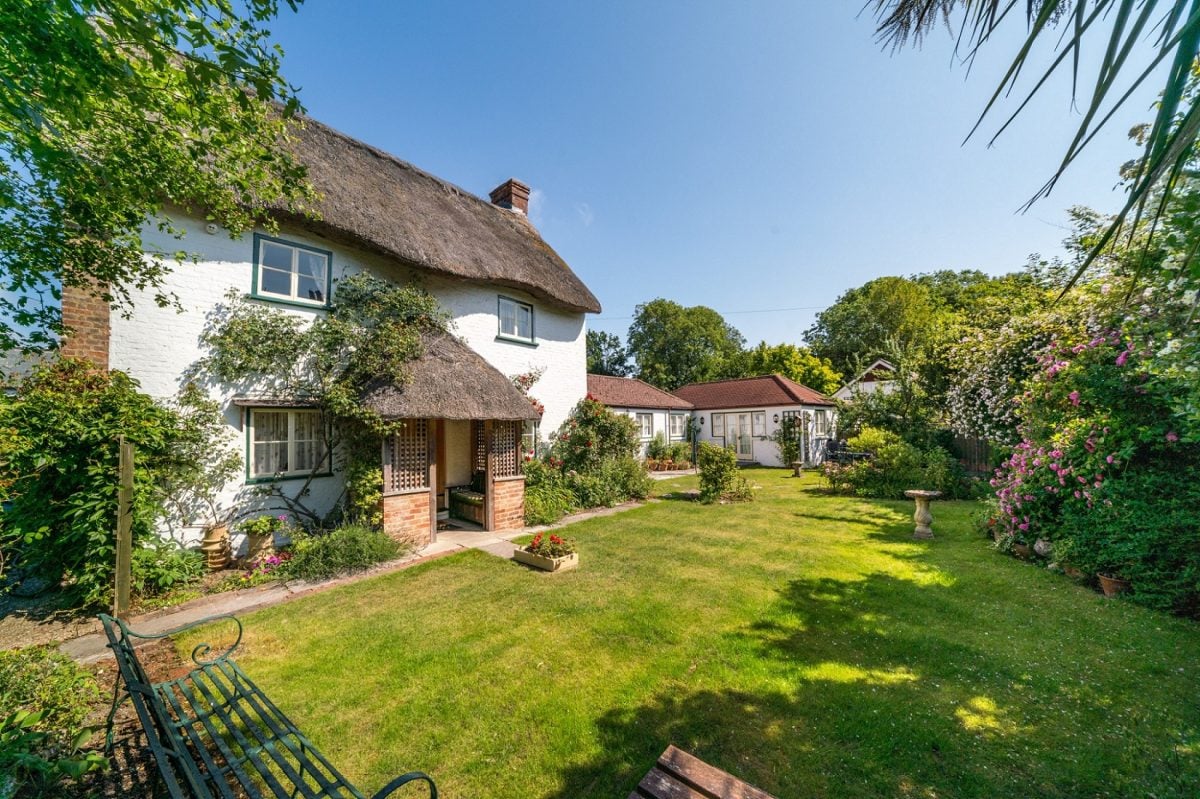
Julia threw herself into mastering the new art. The family henhouse became her studio and the neighbouring coalhouse her darkroom. Julia later joked that the hens had been evicted to make room for “poets, prophets, painters and lovely maidens”. From those unlikely surroundings she began producing photographs unlike any the Victorian public had seen before.
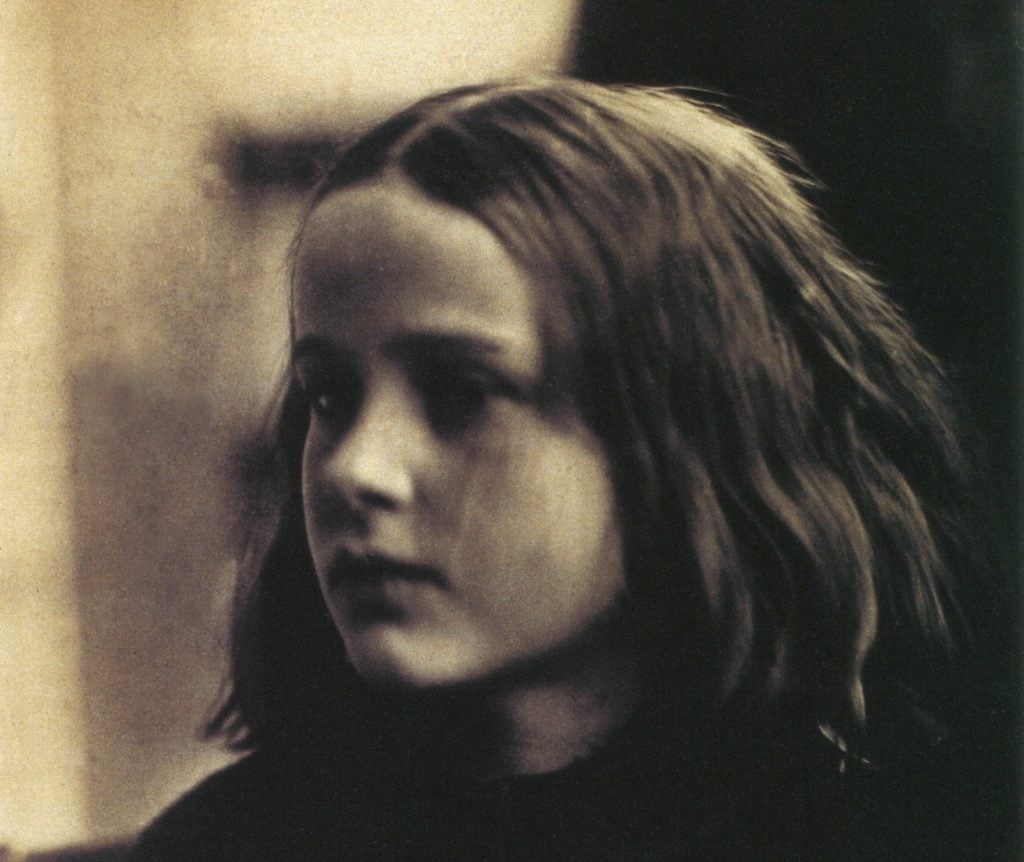
One of her earliest sitters was nine-year-old Annie Philpot. Delighted with the portrait, Julia described it as her “first perfect success”. She developed the negative, produced the print, framed it and delivered it to Annie’s family before the end of the same day. Whenever another successful print emerged from the darkroom, she hurried to show her husband Charles.

Word spread quickly. Before long, the path to Dimbola was worn by some of the best-known people in Victorian Britain.
Among her most celebrated sitters was Alice Liddell, the Oxford schoolgirl whose friendship with Lewis Carroll inspired Alice’s Adventures in Wonderland. Julia photographed her several times, revealing a poised young woman rather than the fictional child known to generations of readers. Her portraits remain among the most enduring images of the real Alice behind Wonderland.
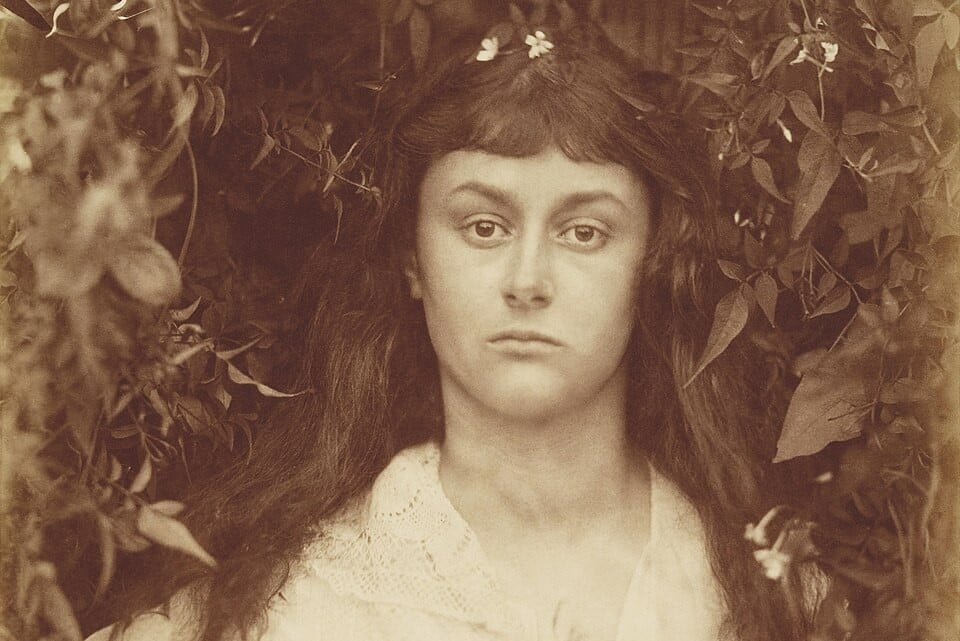
Charles Dickens also sat for Julia’s camera. The novelist behind Oliver Twist, David Copperfield and A Christmas Carol knew the Isle of Wight well, spending holidays at Bonchurch. Julia’s portrait captured the thoughtful, reflective side of one of Victorian Britain’s greatest writers.
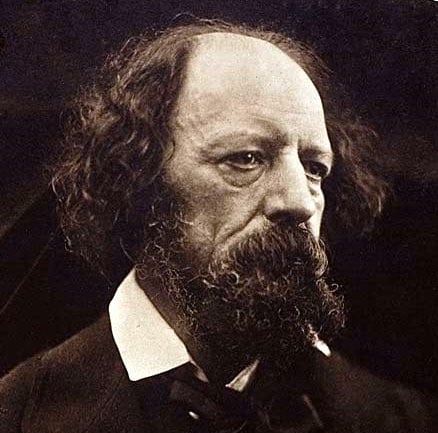
Her sitters also included Charles Darwin and leading Pre-Raphaelite painters William Holman Hunt and John Everett Millais. Yet fame mattered little to Julia. Family members, servants and local children received the same care, becoming angels, Madonnas and characters from Arthurian legend beneath her imaginative direction.
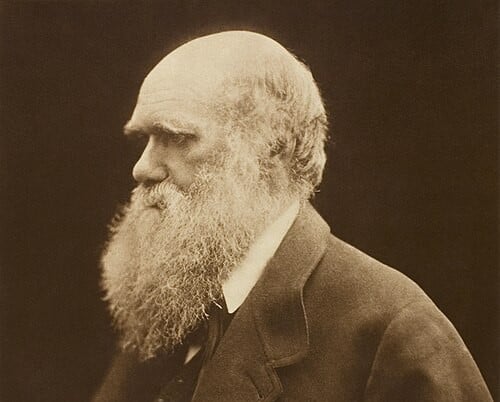
Although Dimbola overlooked Freshwater Bay, people fascinated Julia far more than scenery. She drew her sitters close to the lens, using soft focus, dramatic light and deep shadow to strip away every distraction. Looking into one of her portraits can feel almost unsettling: a face emerges from darkness, the eyes hold the viewer’s gaze and it is easy to forget the photograph was taken more than 150 years ago. Julia believed the finest portraits revealed character as well as appearance.
Many Victorian photographers prized perfect focus and immaculate prints, but Julia sought emotional truth. Her ambition, she wrote, was “to ennoble Photography”, and she accepted soft focus and imperfections if they revealed more of the sitter’s personality. Critics dismissed her work as blurred and technically flawed, but she refused to abandon the style that made it unlike anyone else’s.
Recognition came quickly. Within two years, the South Kensington Museum, now the Victoria and Albert Museum, had begun acquiring her work. In little more than a decade she produced around 900 photographs that established her as a pioneer of artistic portrait photography. Today her work hangs in many of the world’s leading museums.
Julia and Charles returned to Ceylon in 1875 to join family members managing coffee plantations. Although she continued to photograph occasionally, the work that secured her place in history had already been created at Dimbola. Julia died in Ceylon on 26th January 1879 at the age of 63.
Dimbola still overlooks Freshwater Bay much as it did in 1863. Today, preserved as a museum, it welcomes visitors to the house where Julia Margaret Cameron discovered an extraordinary gift and changed the course of photographic history.