
































Bird numbers have almost tripled, butterflies have increased by 117%, and rare wildlife is returning to the Isle of Wight following 5 years of rewilding, with a new report revealing remarkable improvements in nature both above and below ground.
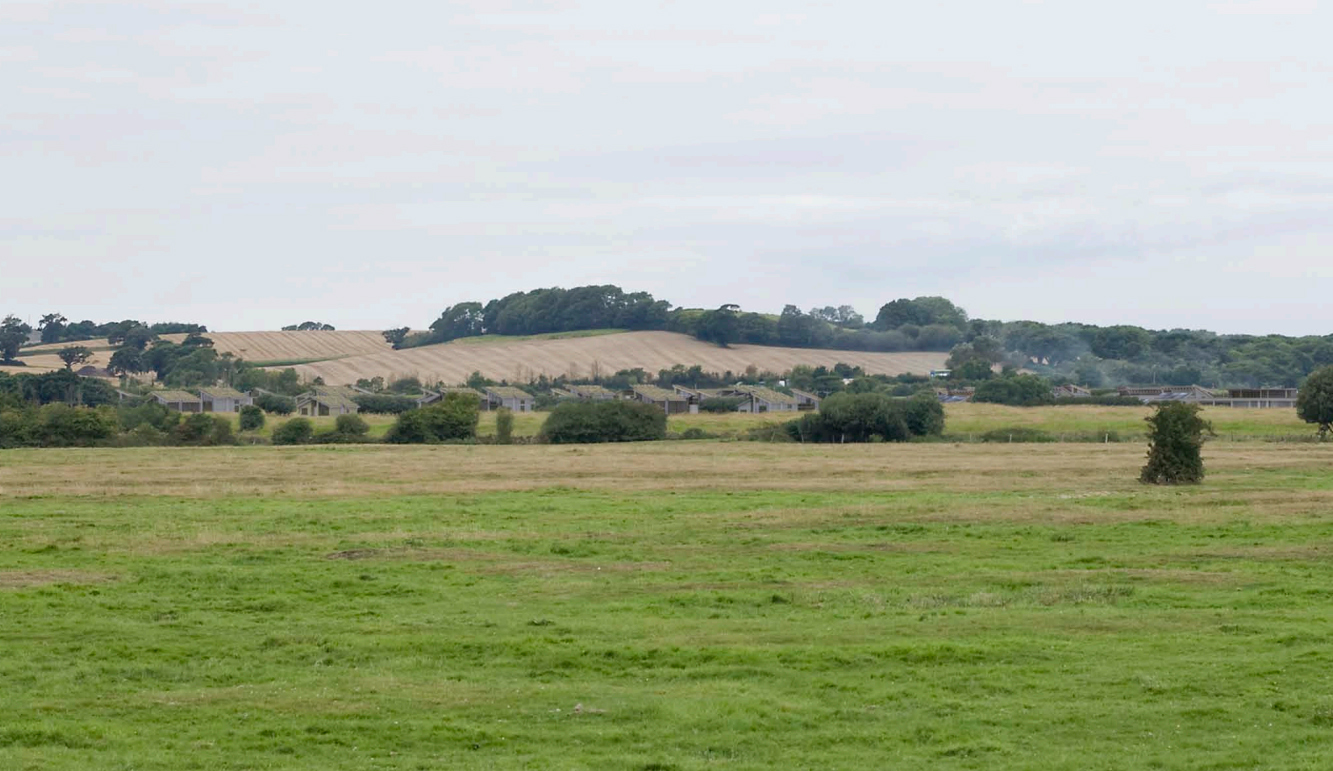
Hampshire & Isle of Wight Wildlife Trust has revealed the results of its rewilding efforts at 2 former intensively farmed sites, Wilder Little Duxmore near Newchurch and Wilder Nunwell near Brading.
The findings show significant increases in wildlife, with bumblebee numbers rising by 64%, moth species diversity increasing by 70% and earthworm populations growing by 66%.


The recovery has also seen the arrival of 20 new bird species and 9 new butterfly species, including several considered threatened or of conservation concern.
Wilder Little Duxmore has been undergoing rewilding since 2020, while Wilder Nunwell began its transformation in 2022.
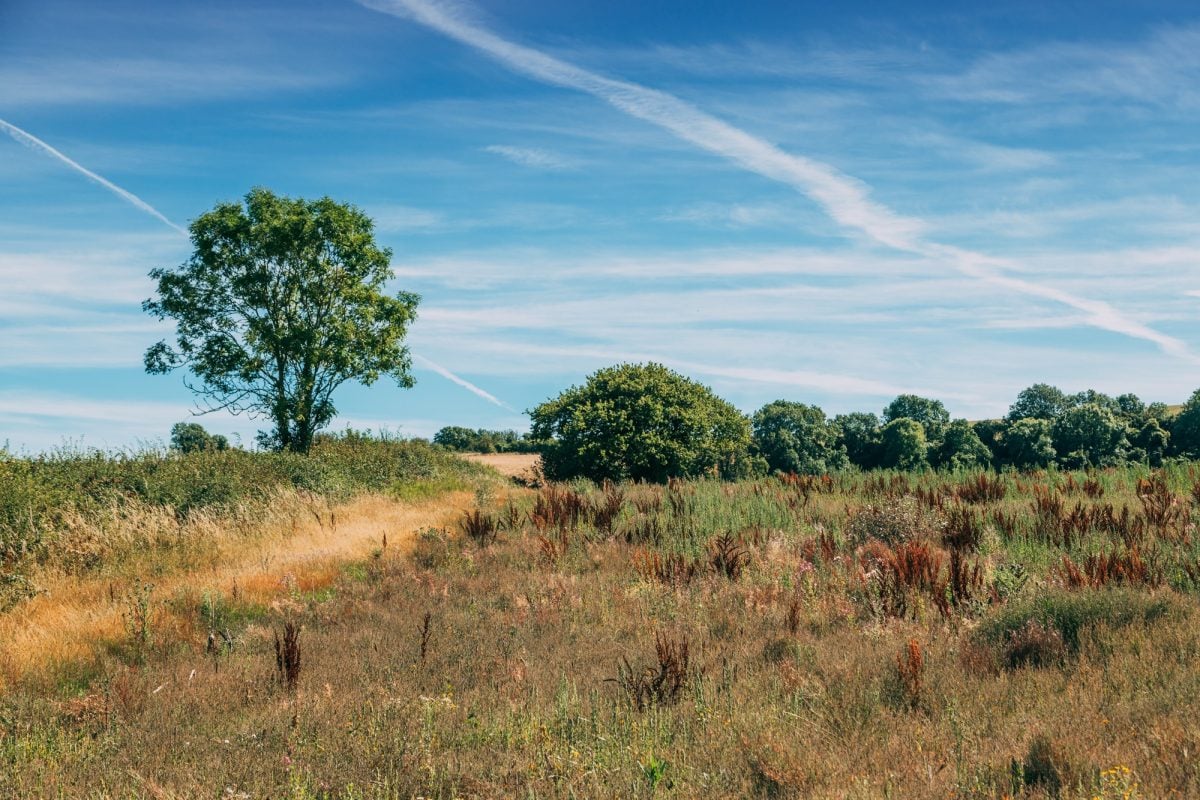
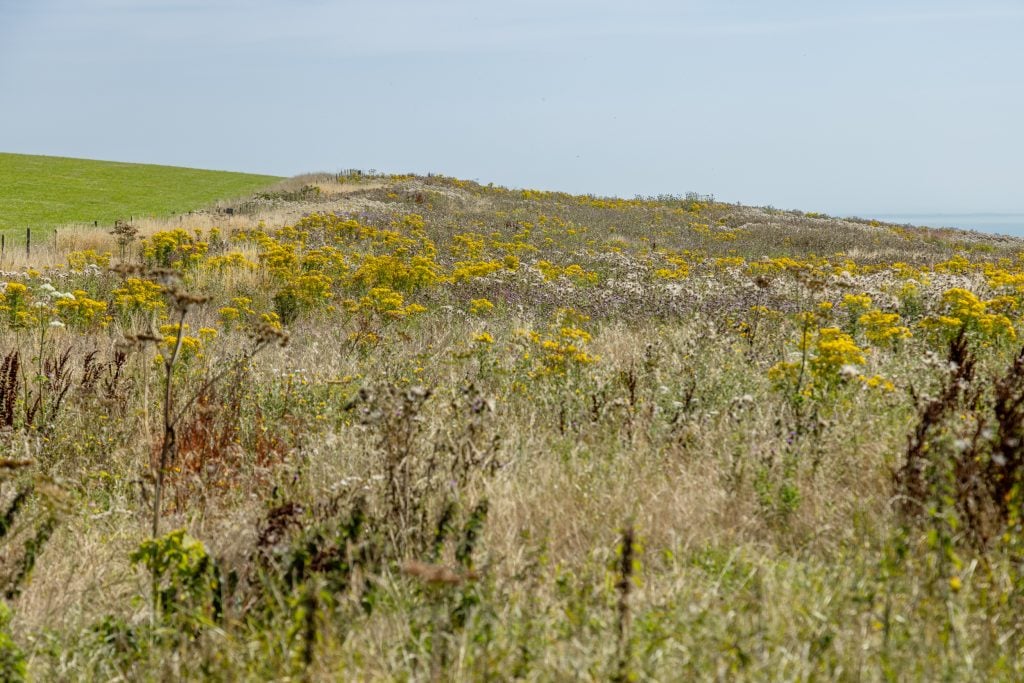
Rather than managing the land through intensive farming, the Trust has allowed natural processes to shape the landscape, encouraging a mixture of grassland, scrub, woodland and wetland habitats to develop.
The results have been particularly striking for birds, with numbers counted at Wilder Little Duxmore almost tripling.
Across both sites, 75 bird species have now been recorded, including 14 on the Birds of Conservation Concern Red List and another 27 on the Amber List.

Among the species identified are yellowhammers, short-eared owls and Dartford warblers, with the changing habitats providing more opportunities for birds to feed, shelter and breed.
Butterflies have also benefited from the transformation, with numbers recorded per survey at Wilder Nunwell increasing by 117%.
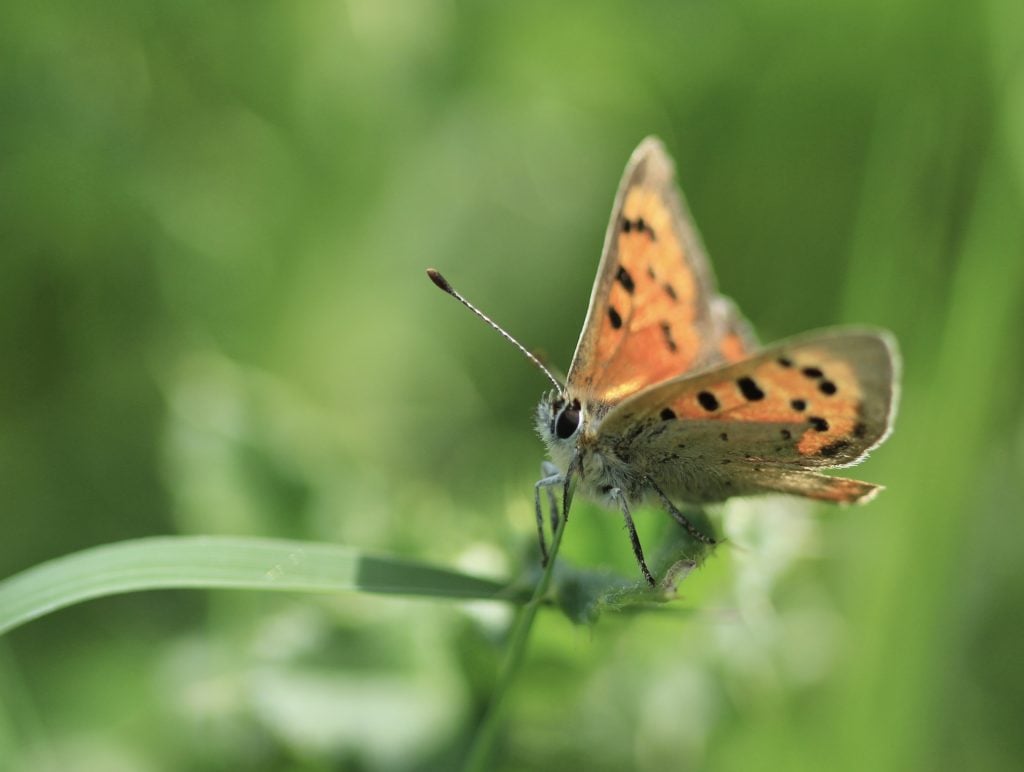
A total of 27 butterfly species have been identified across the 2 sites, including 9 new arrivals.
Among them are the endangered Glanville fritillary and wall butterfly, alongside the vulnerable chalkhill blue and small heath.
Bumblebees have also shown significant signs of recovery, with numbers at Wilder Nunwell increasing by 64% between 2022 and 2025, and 9 different species recorded.
Meanwhile, moth surveys have revealed a dramatic increase in diversity, with the number of species identified at Wilder Nunwell rising from 321 in 2023 to 547 in 2025.
The number of moths counted per survey has also more than doubled, increasing from 66 to 140.
Aggie Iveson, Nature-Based Solutions Officer at Hampshire & Isle of Wight Wildlife Trust, has said:
“Rewilding is about restoring natural processes and creating a rich mosaic of habitats, from woodland and scrub to grassland, wetland and areas of bare ground. We’re already starting to see these habitats develop, creating more opportunities for wildlife.
“One of the biggest highlights has been seeing just how quickly nature can respond when it’s given the opportunity. When we started this journey, we hoped we would see positive change, but I don’t think we knew how quickly we would see it.
“Being involved in monitoring this recovery first-hand has been incredibly rewarding. Every species observation, soil sample collected, transect walked and survey completed helps us build a detailed picture of how these landscapes are changing. Seeing all that work come together and build the evidence for how these landscapes are changing for nature makes it all incredibly worthwhile.”
The improvements are not limited to wildlife visible above ground.
At Wilder Nunwell, earthworm numbers increased by 66% between 2022 and 2024, while 16 species of earthworm have been recorded across the 2 sites, including 3 considered uncommon or rare.
Another 16 species of dung beetle have also been identified, with both groups playing an important role in maintaining healthy soils.
The Trust has also recorded improvements in soil and water quality as the land recovers from its agricultural past.
Soil mineral nitrogen levels at Wilder Little Duxmore fell by 32.6% between 2021 and 2025, while phosphate levels at Wilder Nunwell declined by 23.5% between 2022 and 2026.
Water monitoring at Little Duxmore has also recorded reductions in nitrate and phosphate, with no instances of high phosphate pollution detected during the most recent year of surveys.
Animals are playing an important role in helping the landscapes recover, with Exmoor ponies grazing at Little Duxmore and cattle and pigs used at Nunwell.
Their grazing and movement help create a varied landscape, allowing different plants and wildlife to flourish.
Sara King, Rewilding Manager at Rewilding Britain, has said:
“It’s brilliant to see these results and the difference that rewilding is making for nature on the Isle of Wight.
“The findings show what’s possible when we take a more bold approach to nature recovery, with benefits being seen not just in the number of species, but in the health of the wider environment too. Rewilding has a huge role to play in helping nature recover, and we’d love to see more projects taking this approach.”
The Wildlife Trust hopes the 2 sites will eventually form part of a larger, better-connected network of wildlife-rich landscapes across the Isle of Wight.
With the first 5 years already producing significant results, the charity believes the recovery could continue for decades to come.
Aggie added:
“Five years is a really exciting milestone, but it’s only the start of a long-term journey. It’s incredibly exciting to think about what we could see here in another five, 10, 50 or even 100 years.”
The full Five Years of Rewilding report is available to read on the Hampshire & Isle of Wight Wildlife Trust website at www.hiwwt.org.uk.