








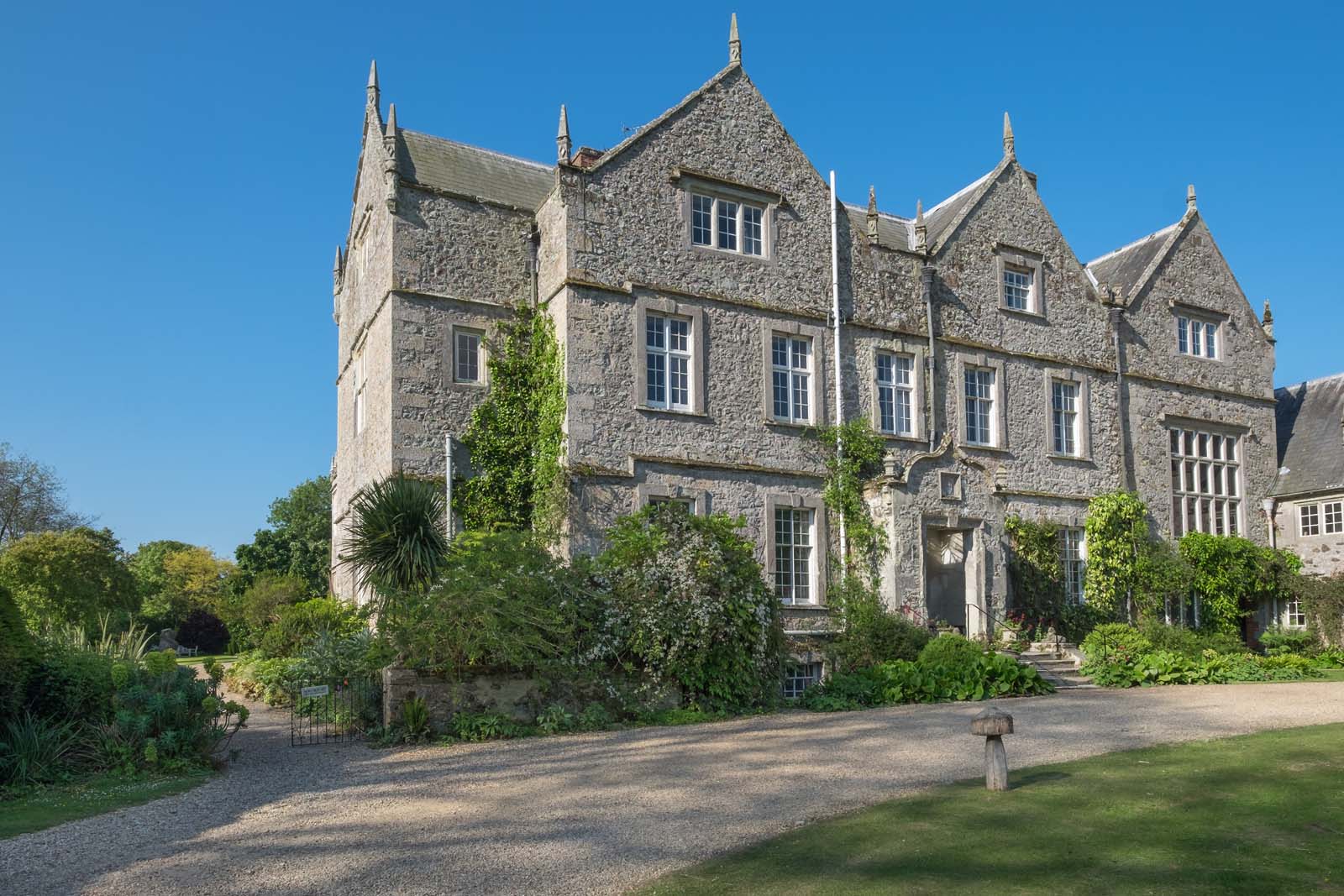






































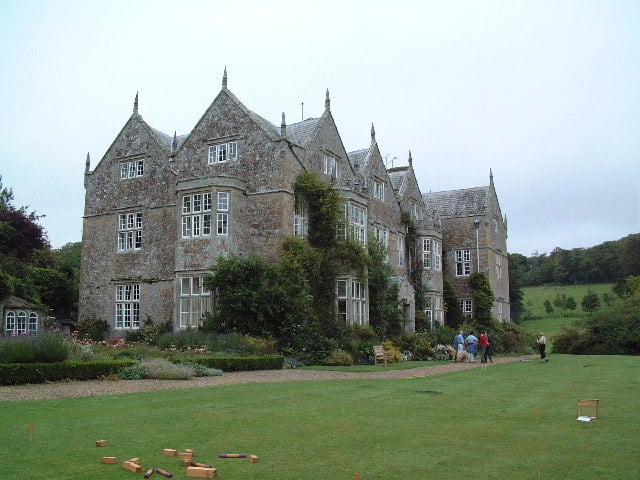
Long before he became one of Victorian Britain’s greatest and most controversial poets, Algernon Charles Swinburne found inspiration at Northcourt Manor.
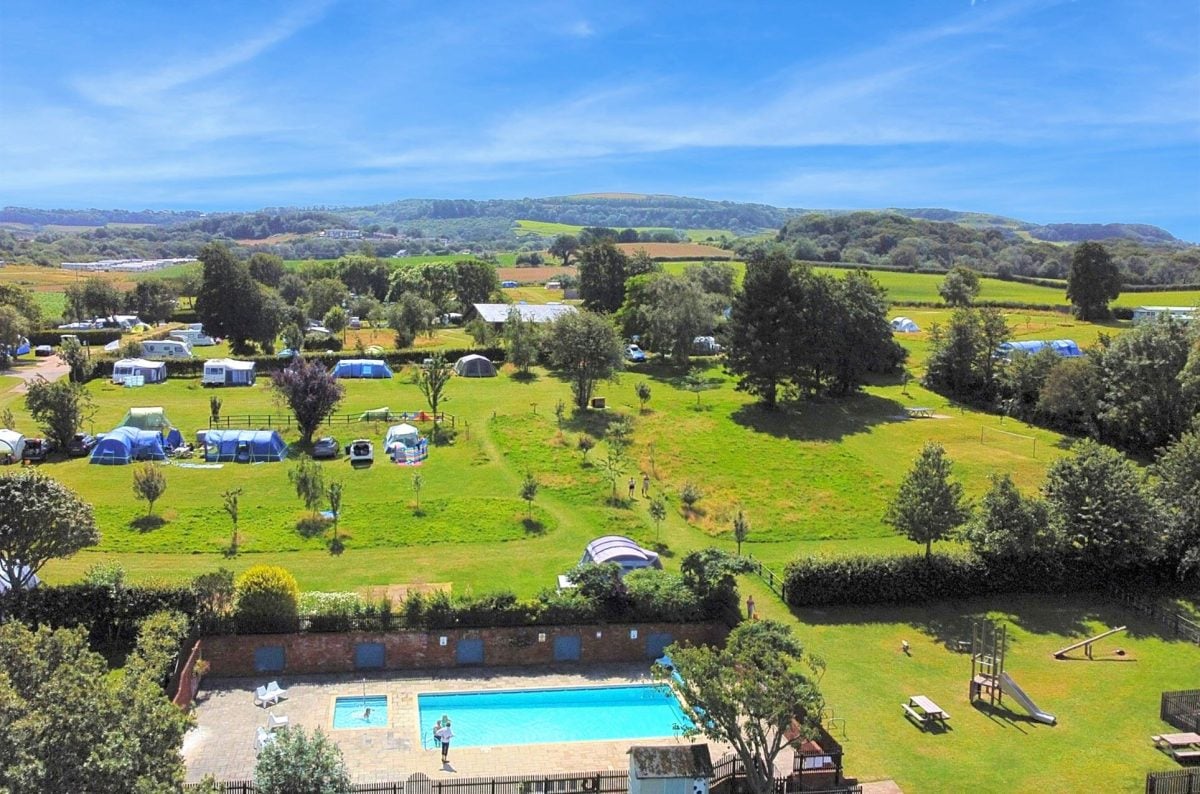
Hidden beneath the chalk downs above Shorwell, Northcourt owes its existence to water. Constant springs rising from underground chalk aquifers still feed the stream, pond and medieval bath house. The never-failing supply led to the establishment of a small religious community centuries before the present manor existed, while the sheltered valley created the unusual microclimate that now supports thousands of different plant varieties.
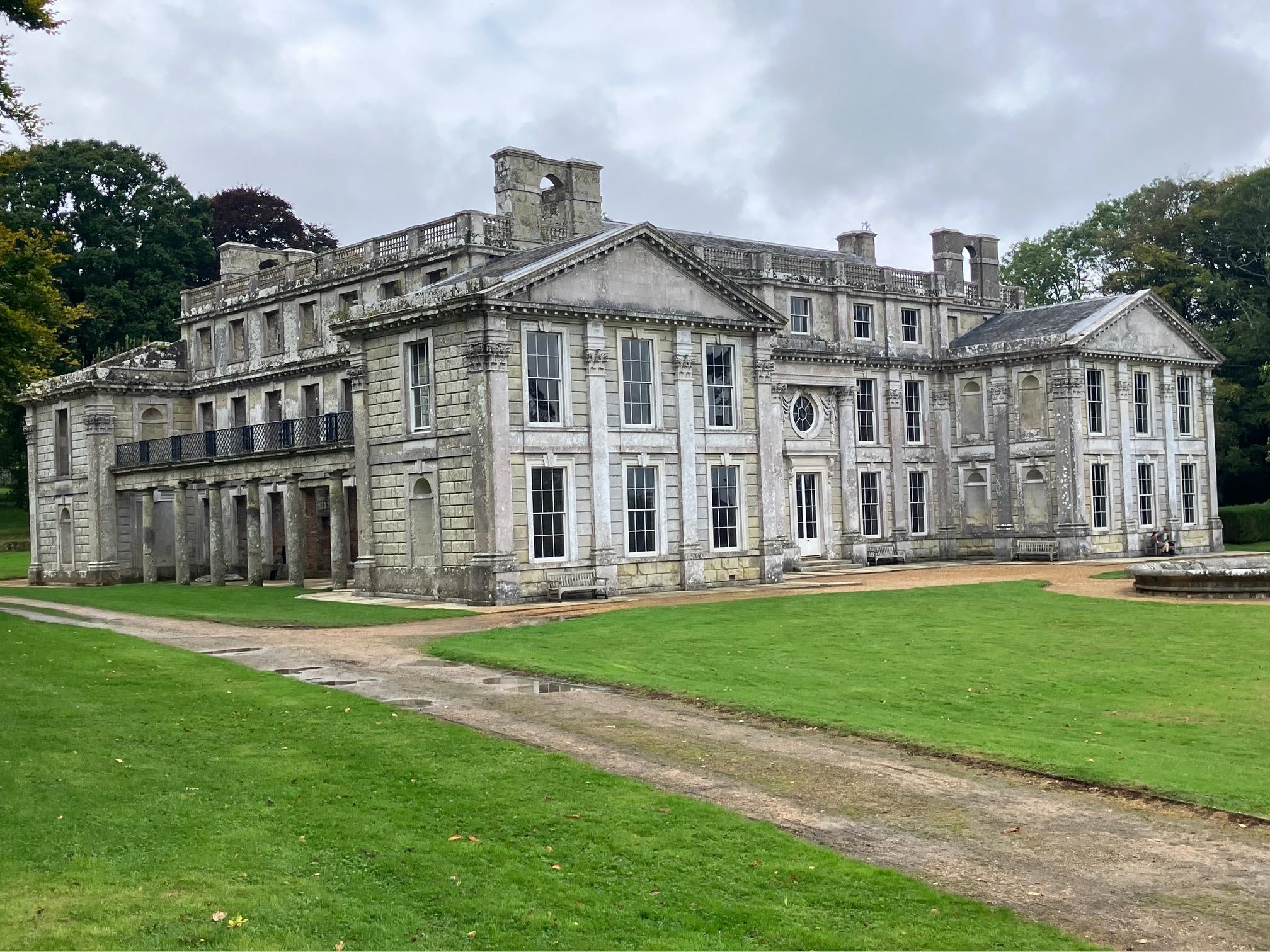
The Northcourt estate appears in the Domesday Book of 1086 and later formed part of the estates of the de Redvers family, Lords of the Isle of Wight. Isabella de Fortibus eventually granted Northcourt to Lacock Abbey, whose nuns held the estate until Henry VIII dissolved the monasteries. John Leigh acquired the property in the late 16th century and built much of the handsome Elizabethan manor that still stands.


The Gordon family transformed Northcourt into far more than another Isle of Wight country house. General Sir James Willoughby Gordon was one of Britain’s most distinguished soldiers, serving throughout the Napoleonic Wars before becoming Quartermaster-General under the Duke of Wellington. In recognition of his military service, he was created a baronet in 1818 as the first Baronet of Northcourt.
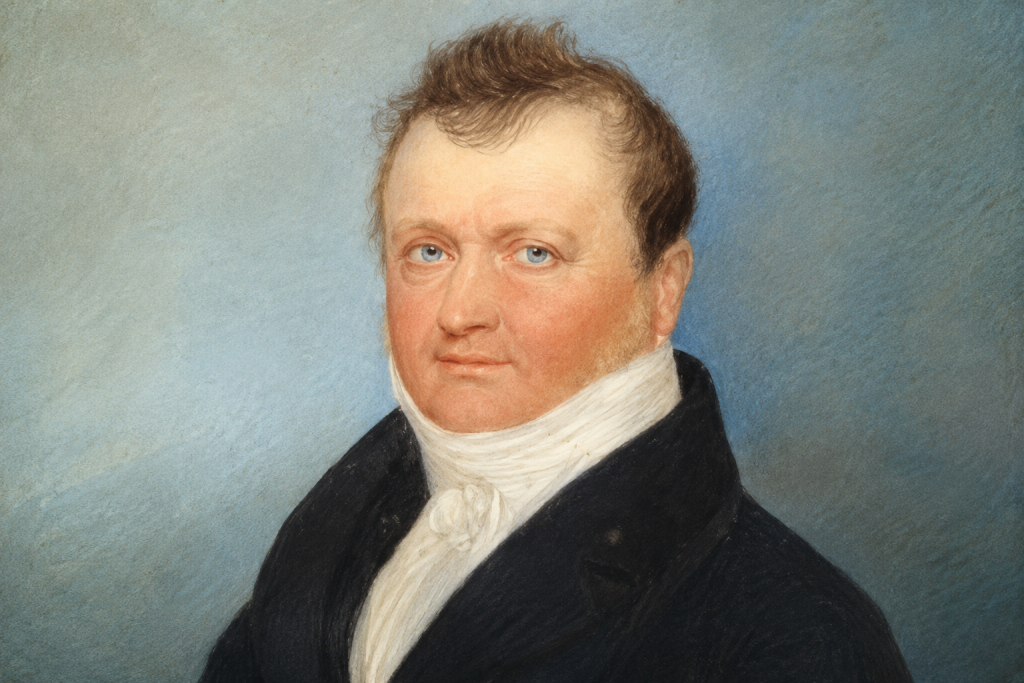
Sir James’s son, Sir Henry Percy Gordon, earned distinction in a very different field. At Cambridge he graduated as Senior Wrangler, the university’s highest mathematical honour, before becoming a Fellow of the Royal Society. Northcourt became a Victorian intellectual powerhouse. Mathematics, literature, languages and music flourished there, nurturing the remarkable talents of Sir Henry’s daughter, Mary Gordon, and welcoming her precocious young cousin, Algernon Charles Swinburne.
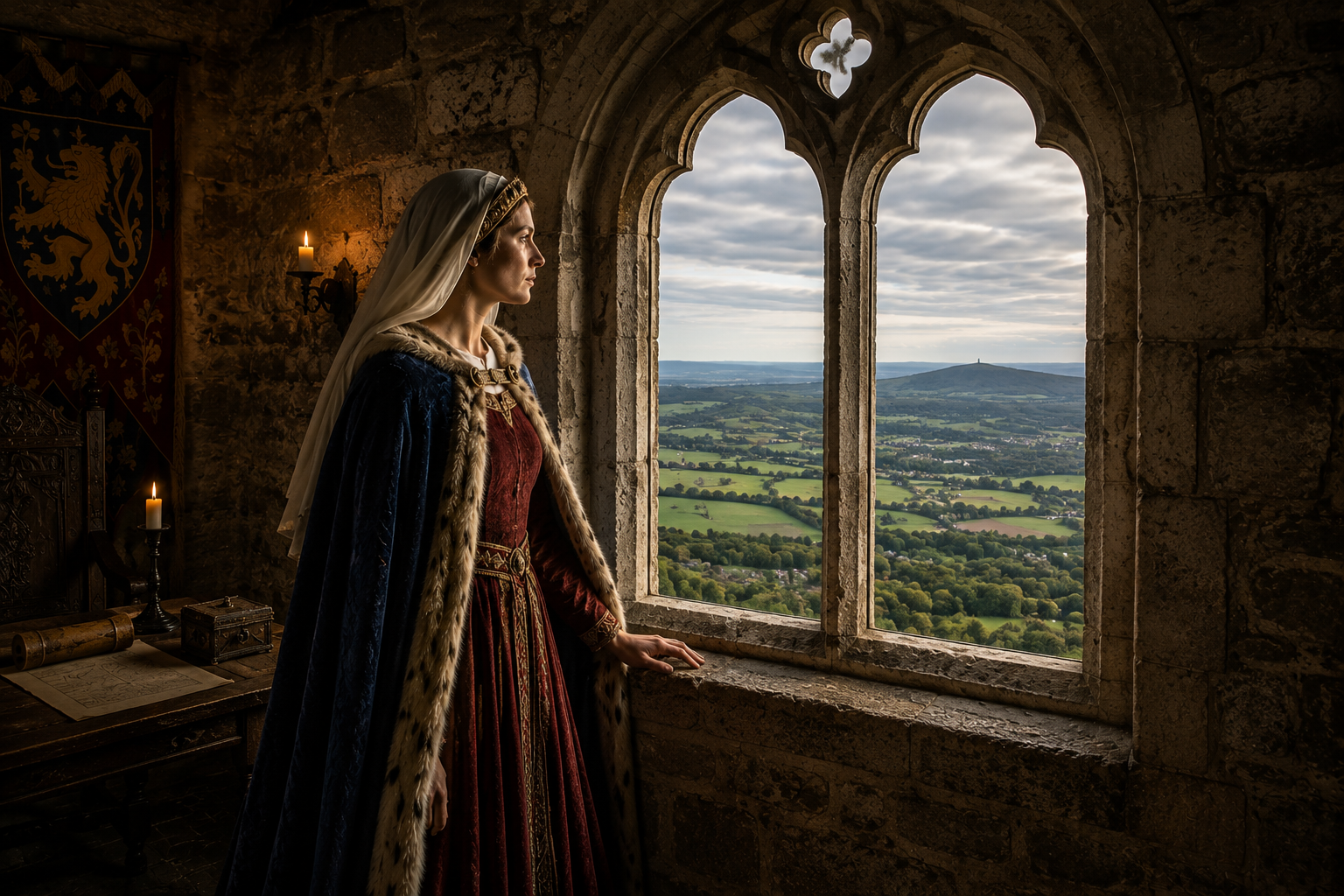
Mary Gordon grew up surrounded by books and encouraged to think independently. She wrote from an early age, while she and Swinburne read Shakespeare together, acted scenes for their own amusement and filled notebooks with stories and plays. Northcourt nurtured two young writers whose lives would take remarkably different paths.
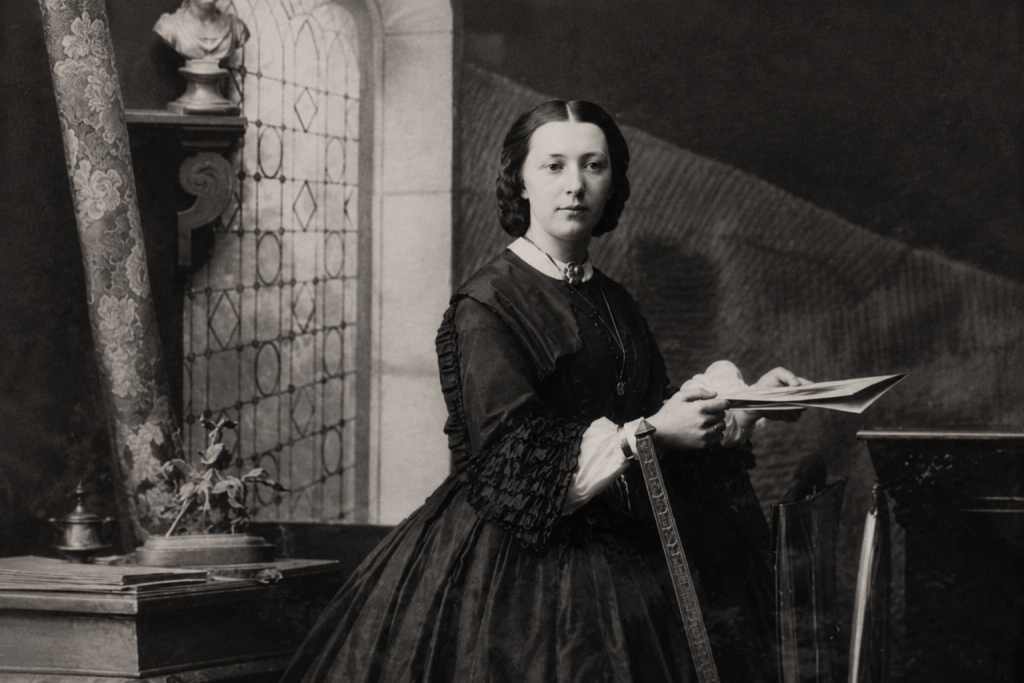
Mary’s recollections reveal a boy full of energy and imagination. “Algy” climbed trees, vanished into the woods for hours and returned brimming with fresh ideas for stories. The cousins read Shakespeare aloud, acted scenes together and filled notebooks with their own plays, using the manor and its grounds as both stage and inspiration.
The friendship between the cousins deepened as they grew older. They shared books, plays, long walks through the estate and a passion for literature that neither found elsewhere. Their youthful collaboration even reached print in The Children of the Chapel. Although Swinburne later became by far the more famous writer, the book was principally Mary’s and marked the beginning of a literary partnership that neither would forget.

Modern literary scholars believe Swinburne’s affection for his cousin developed into love. Mary married Robert Disney Leith in 1859 and forged a remarkable career of her own, while Swinburne never married. His semi-autobiographical novella A Year’s Letters is widely interpreted as a reflection of his feelings for Mary, with scholars identifying Clara as her literary counterpart. The Triumph of Time is regarded as Swinburne’s response to Mary’s marriage and opens with the poignant words, “Before our lives divide for ever…” The poem has long been read as his lament for a love that could never be fulfilled.
The theory has attracted particular interest because Swinburne is now widely regarded as an LGBT icon, making his relationship with Mary Gordon one of the most intriguing and discussed episodes of his life.
The adventurous boy who explored Northcourt with Mary became one of Victorian Britain’s greatest poets and one of its most controversial public figures. His dazzling command of language won admiration across Europe, while his writings on politics, religion and sexuality scandalised respectable society. Admirers regarded him as Alfred, Lord Tennyson’s natural successor; critics denounced him as morally degenerate.
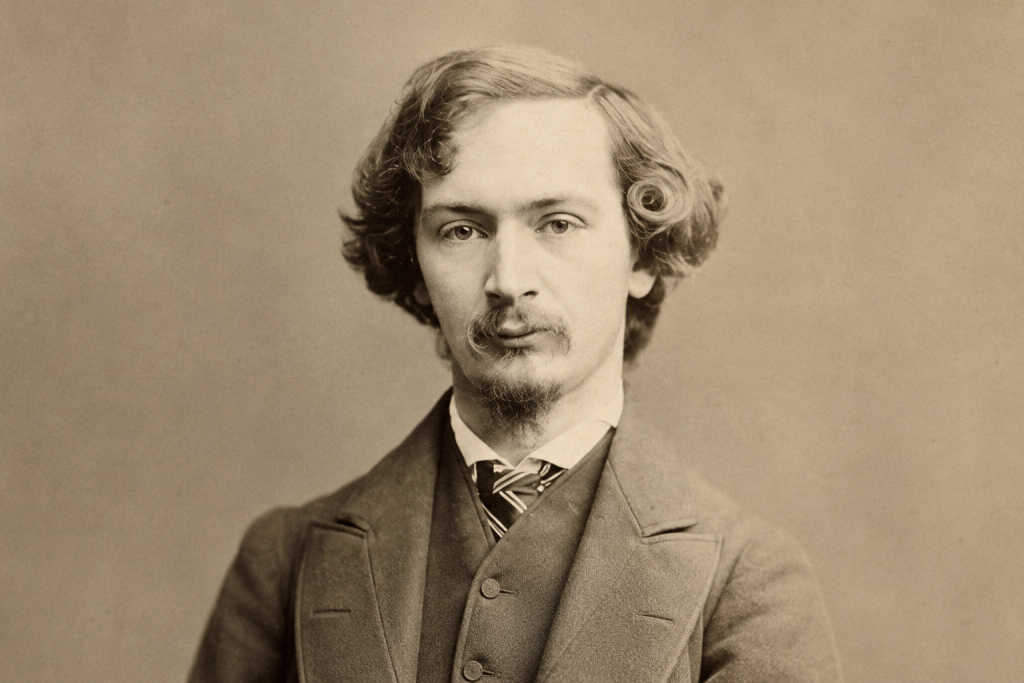
When Tennyson died in 1892, Swinburne’s name was seriously advanced for the office of Poet Laureate. Queen Victoria is widely believed to have opposed the appointment because of his scandalous reputation. Had Swinburne succeeded Tennyson, the Isle of Wight would have produced two successive Poet Laureates, an extraordinary distinction for such a small island.
Mary, meanwhile, built an impressive reputation in her own right. Writing as Mrs Disney Leith, she became a successful novelist, traveller, artist and translator. Her lifelong fascination with Iceland established her as one of Britain’s foremost authorities on the country, introducing English readers to its history, literature and folklore through her books and translations. Even in later life she remained remarkably adventurous, riding a pony 300 miles across Iceland in her sixties, bathing in the Arctic Sea beyond the age of 70 and returning from Iceland under Royal Navy escort after the outbreak of the Second World War.
Northcourt entered a new era in 1962 when Eric and Sheila Harrison arrived on the Isle of Wight intending to buy a bungalow in Yarmouth. After being gazumped, they viewed the neglected manor instead. What appeared a disappointment became one of the luckiest twists in Northcourt’s history as the couple painstakingly restored the house and gardens.
The estate continues to flourish. Sheltered beneath the Downs between the chalk and greensand ridges, its unique microclimate now supports around 4,000 different plant varieties, making Northcourt one of the Island’s finest gardens.
Few visitors to Northcourt today would imagine that The Triumph of Time – one of Victorian literature’s greatest love poems – was inspired in this quiet corner of Shorwell.